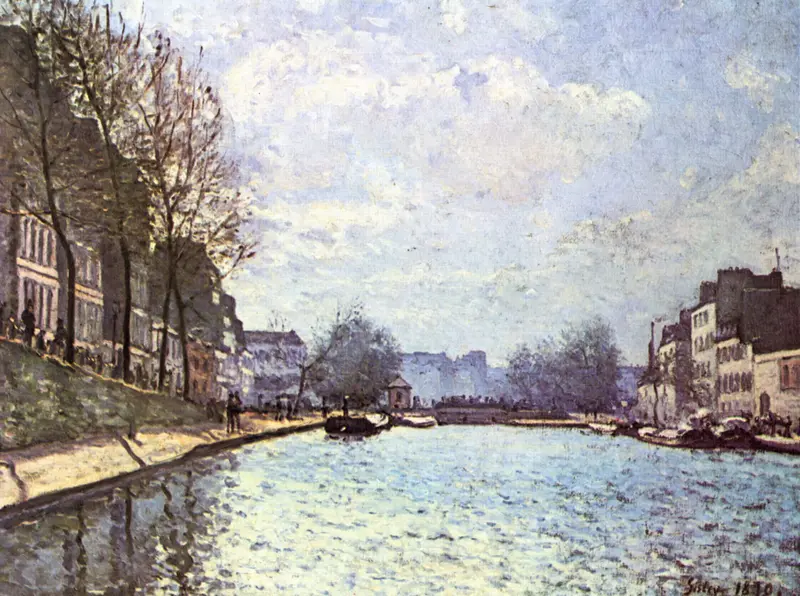
De Oude Kerk te Amsterdam — History & Facts
Look to the center, where the magnificent spire of the Oude Kerk rises against a brooding sky, its intricate details a testament to both craftsmanship and fragility. Notice how the light catches the weathered stone, accentuating the rich textures that speak of time's relentless passage. This interplay of shadow and illumination draws the eye upward, inviting contemplation of higher realms, while the muted colors evoke a sense of nostalgia that envelops the viewer. Yet, beneath the surface beauty lies a tension; the church stands resilient amidst a landscape that feels both alive and deserted.
The stark contrast between the vibrancy of the sky and the somber surroundings adds depth, suggesting not just a physical space but an emotional one as well. The harmonious blend of architectural elegance and the encroaching gloom provokes a reflection on faith, loss, and the human experience of seeking solace within sacred walls. Johan Adolph Rust painted this piece in 1843, a period marked by profound changes in art and society. Living in Amsterdam, he was influenced by the Romantic movement, which emphasized emotion and the sublime in nature.
At this time, the church was not merely a subject of admiration but a focal point of community life, bridging the spiritual and the secular in a city undergoing modernization. Rust’s choice to immortalize the Oude Kerk reflects both admiration for its historical significance and a deep yearning for the transcendent amidst the complexities of life.
More Artworks by Johan Adolph Rust

Drapenierskapel in de Nieuwe Kerk te Amsterdam
Johan Adolph Rust
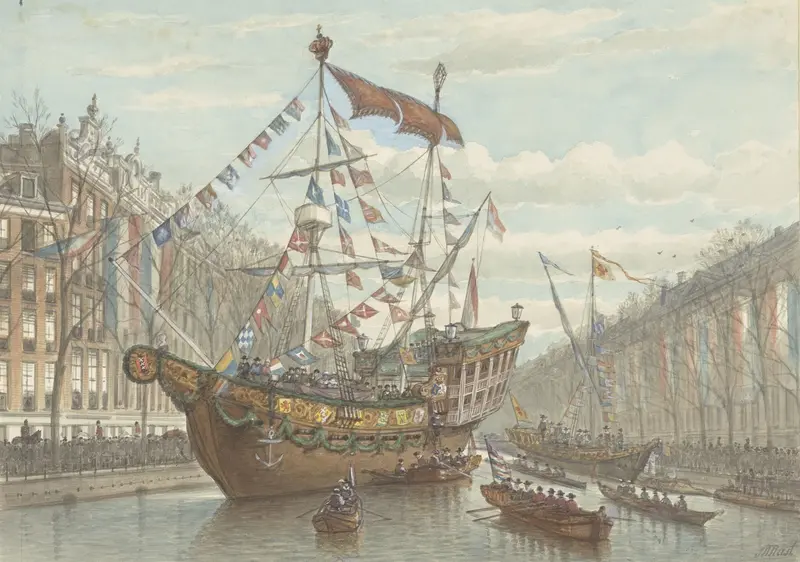
Versieringen op de Herengracht ter gelegenheid van de Aprilfeesten 1887
Johan Adolph Rust
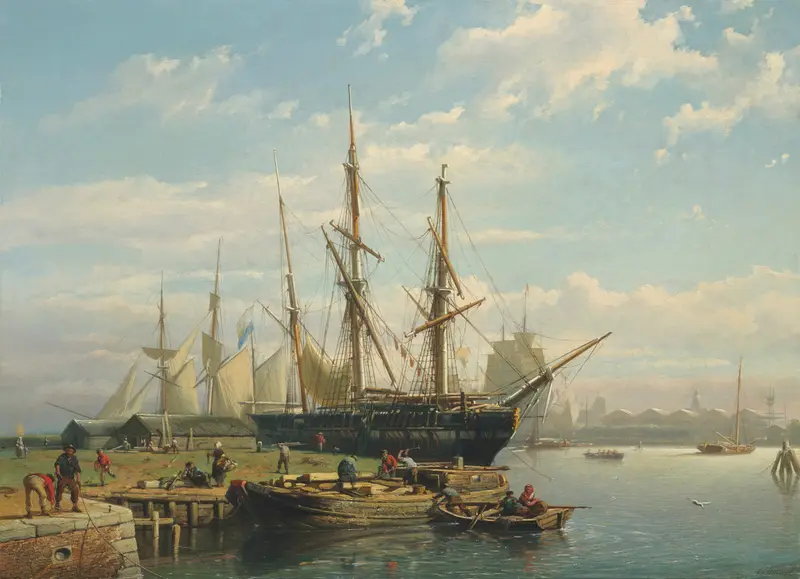
Dutch sailing ships at anchor in a river estuary
Johan Adolph Rust
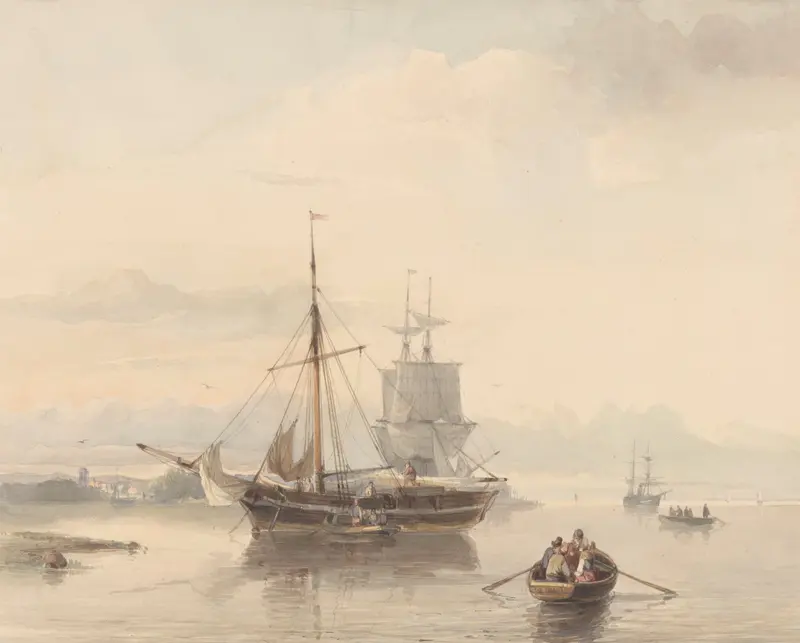
Rivierlandschap met sloepen en zeilschepen
Johan Adolph Rust
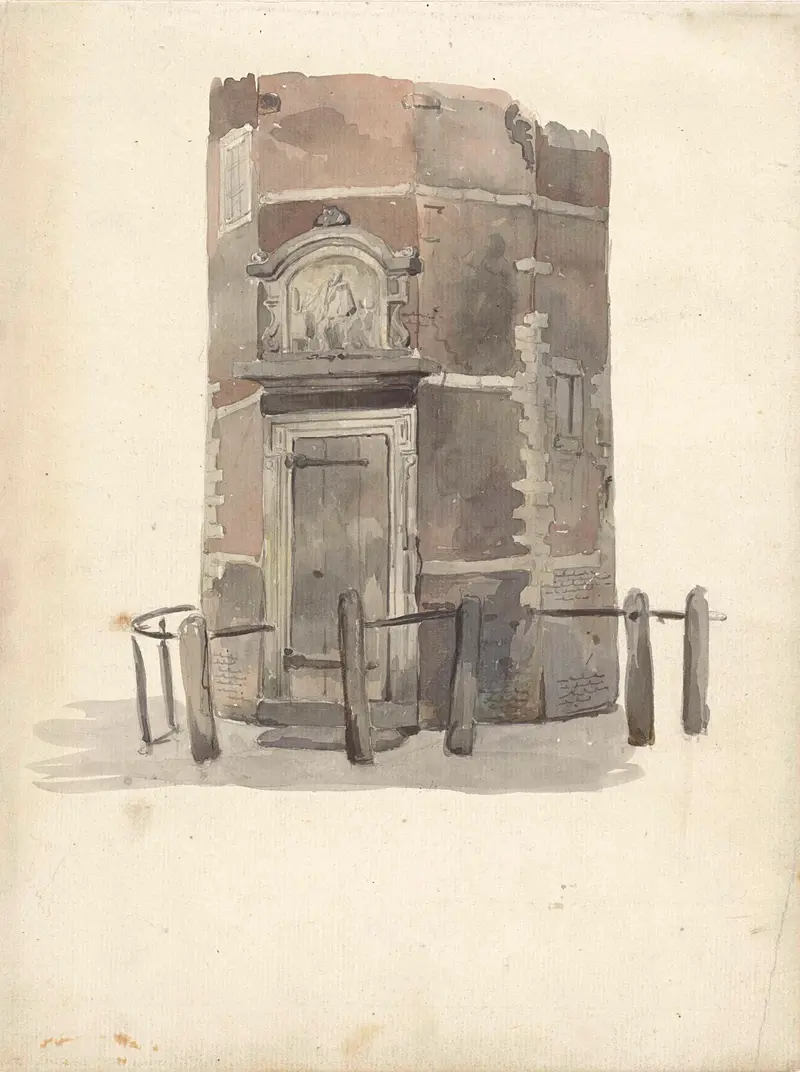
Poortje van het gilde in de St. Anthoniswaag, Amsterdam
Johan Adolph Rust