
Drapenierskapel in de Nieuwe Kerk te Amsterdam — History & Facts
In a moment of stillness, we find ourselves yearning for movement, for the pulse of life captured within a frame. How does an artist breathe energy into static forms? Look closely at the interplay of light and shadow in Drapenierskapel in de Nieuwe Kerk te Amsterdam. Focus on the intricate details of the chapel's architecture, where soft beams illuminate the ornate decorations while darker recesses suggest hidden stories.
The rich palette of warm tones, brought to life by delicate brush strokes, invites the viewer to wander through this sacred space, revealing a meticulously crafted world that feels both timeless and immediate. Beneath the surface, the painting whispers of a deeper narrative. The juxtaposition of the architectural solidity against the ethereal light hints at the tension between earthly permanence and the fleeting nature of faith. Small touches, like the flickering candlelight or the delicate drapery that adds a sense of movement, serve as reminders of the human presence and reverence within these stone walls.
Each element plays a role, contributing to an overarching dialogue about spirituality and existence. In 1843, Johan Adolph Rust stood at the threshold of a shifting artistic landscape in the Netherlands, painting this work amidst the rise of Romanticism. Acknowledged for its emotive qualities, this style sought to capture inner experiences, echoing the broader cultural shifts of the time. As Rust immortalized this chapel’s serene beauty, he navigated both personal and societal changes, painting in a world where faith and art continued to intertwine.
More Artworks by Johan Adolph Rust
Browse all →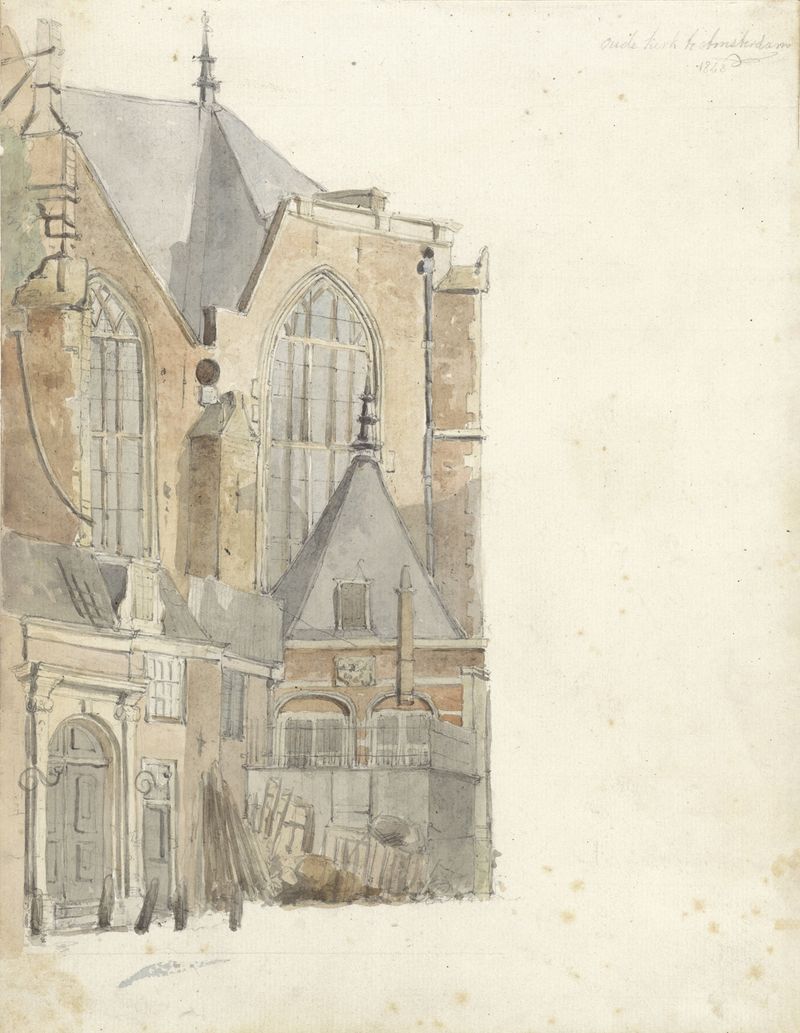
De Oude Kerk te Amsterdam
Johan Adolph Rust
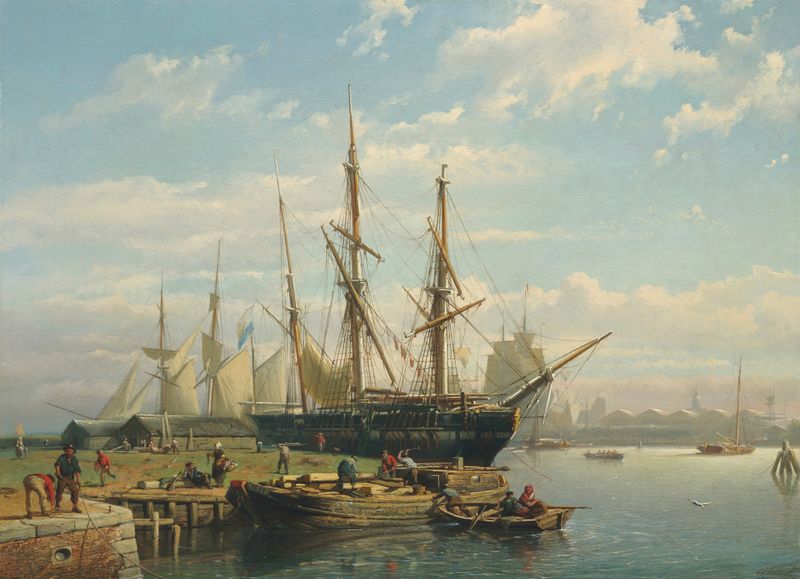
Dutch sailing ships at anchor in a river estuary
Johan Adolph Rust
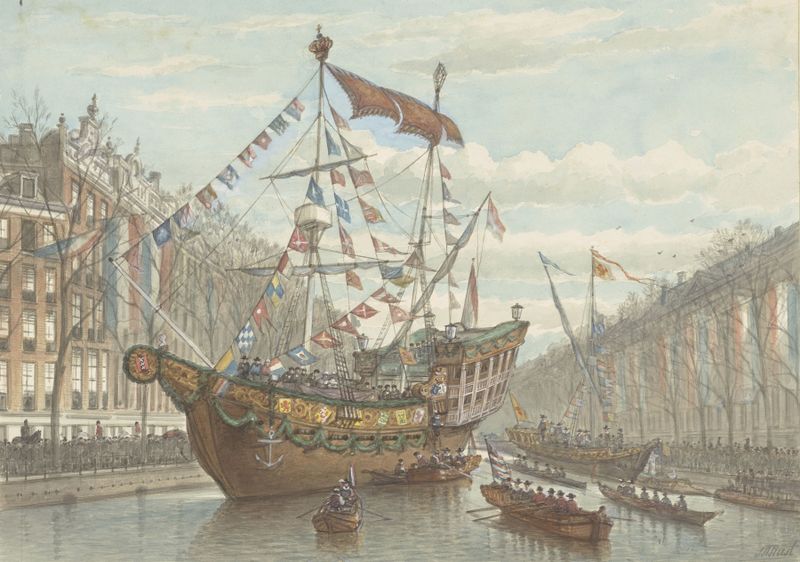
Versieringen op de Herengracht ter gelegenheid van de Aprilfeesten 1887
Johan Adolph Rust

Rivierlandschap met sloepen en zeilschepen
Johan Adolph Rust
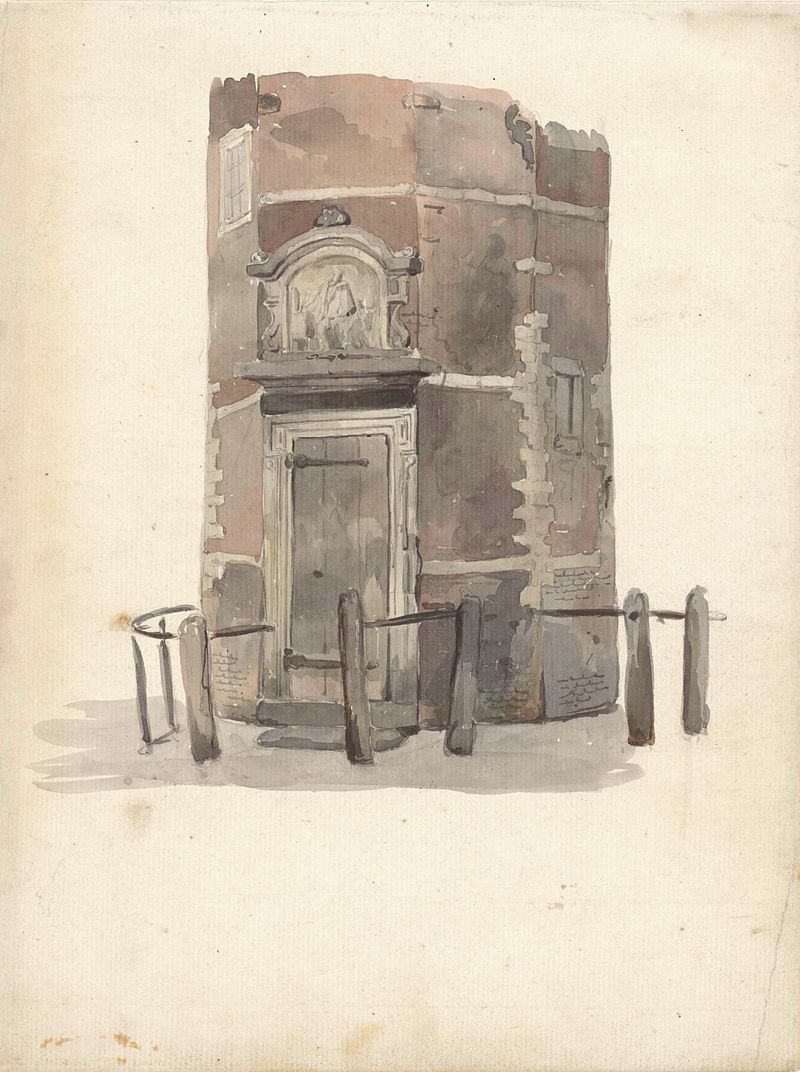
Poortje van het gilde in de St. Anthoniswaag, Amsterdam
Johan Adolph Rust
More Architecture Art
Browse all →
The statue of Liberty
Frédéric Auguste Bartholdi

View of Houses in Delft, Known as ‘The Little Street’
Johannes Vermeer

View of Houses in Delft, Known as ‘The Little Street’
Johannes Vermeer

The Cathedral in Rouen. The portal, Grey Weather
Claude Monet

The yellow house
Vincent van Gogh

The Church in Auvers-sur-Oise, View from the Chevet
Vincent van Gogh