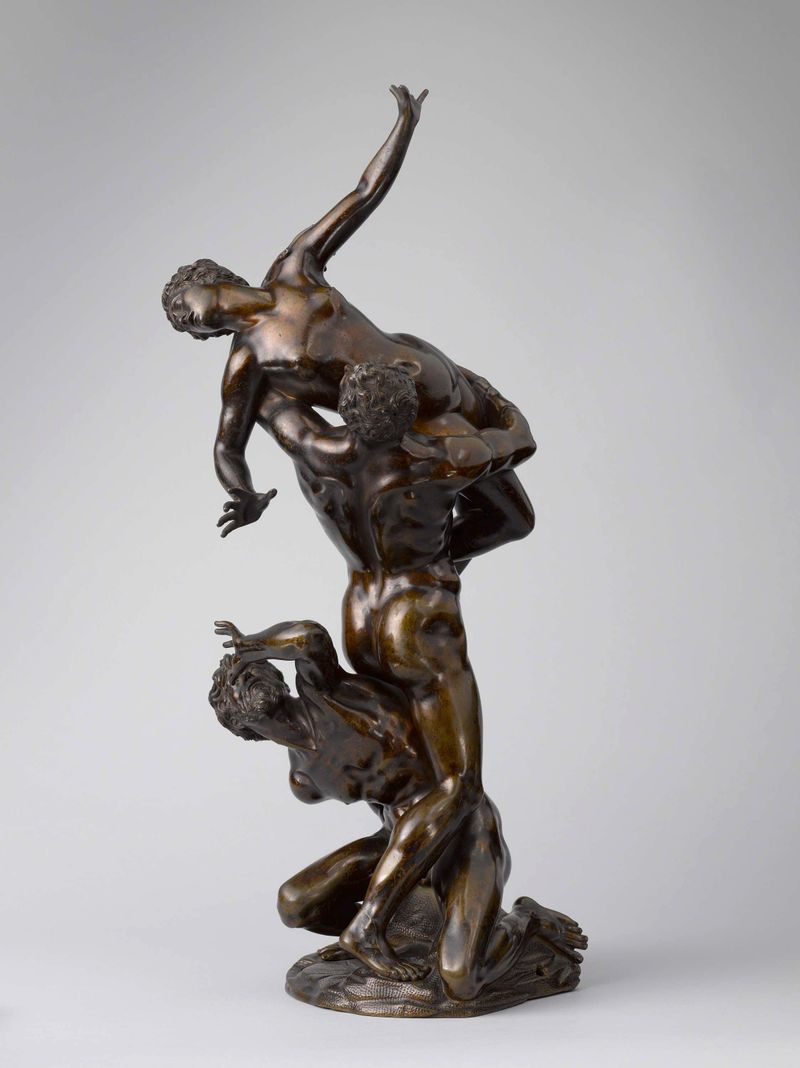
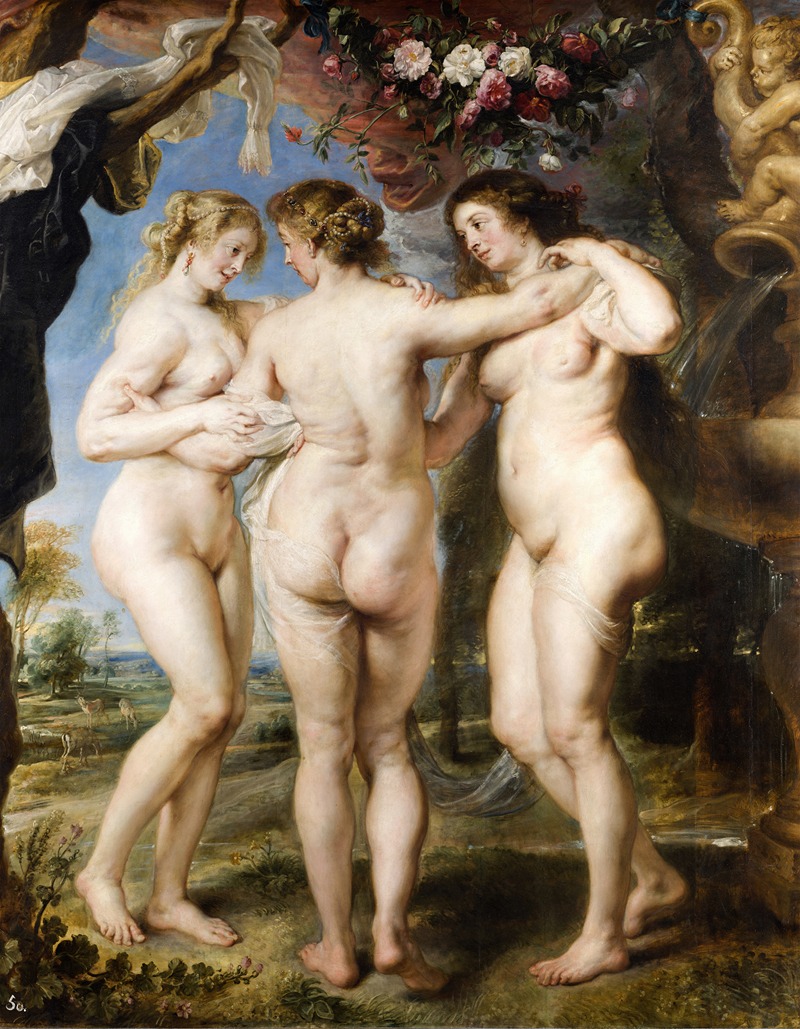
De valse liefde — History & Facts
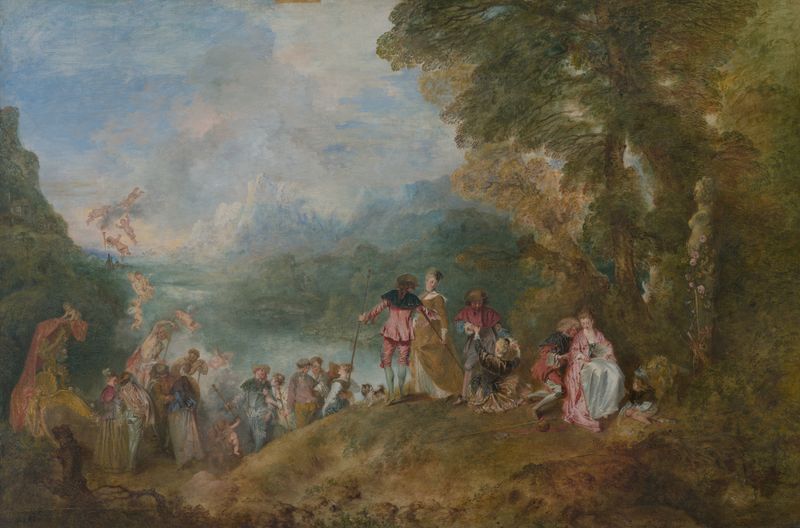
In a world defined by rigid expectations, color emerges as a rebellious force, inviting exploration beyond the surface. Look closely at the vibrant hues that dance throughout the composition. The bold reds and soft blues intertwine, creating an electric tension that guides the viewer's gaze across the canvas. Notice how the artist employs chiaroscuro, casting dramatic shadows that reveal hidden emotions beneath the initial éclat.
Each brushstroke pulsates with life, suggesting a deeper narrative lurking behind the visual splendor. The juxtaposition of warm and cool tones serves not only to captivate but also to mirror the complexity of human experience—love intertwined with betrayal. As you delve deeper, consider the symbolism present in every detail. The swirling patterns may evoke a sense of turmoil, hinting at the duality of passion and pain.
Here, love is painted not as an idyllic notion but as an intricate web where desire and deception coexist. The play of color reflects emotional states—fiery reds symbolize fervent longing while soft greens introduce a whisper of jealousy, creating a rich tapestry that speaks to the heart's contradictions. Around the mid-16th century, an era of artistic exploration was in full swing. This piece, created between 1550 and 1560, reflects the shifting paradigms of the time, as artists began to embrace emotion and psychological depth in their work.
The social fabric was rich with tales of love and intrigue, mirroring the vibrant colors and complex themes woven into this enigmatic artwork. The unknown artist captures not just a moment, but a universal struggle, forever preserved on canvas.
More Artworks by Unknown Artist
Browse all →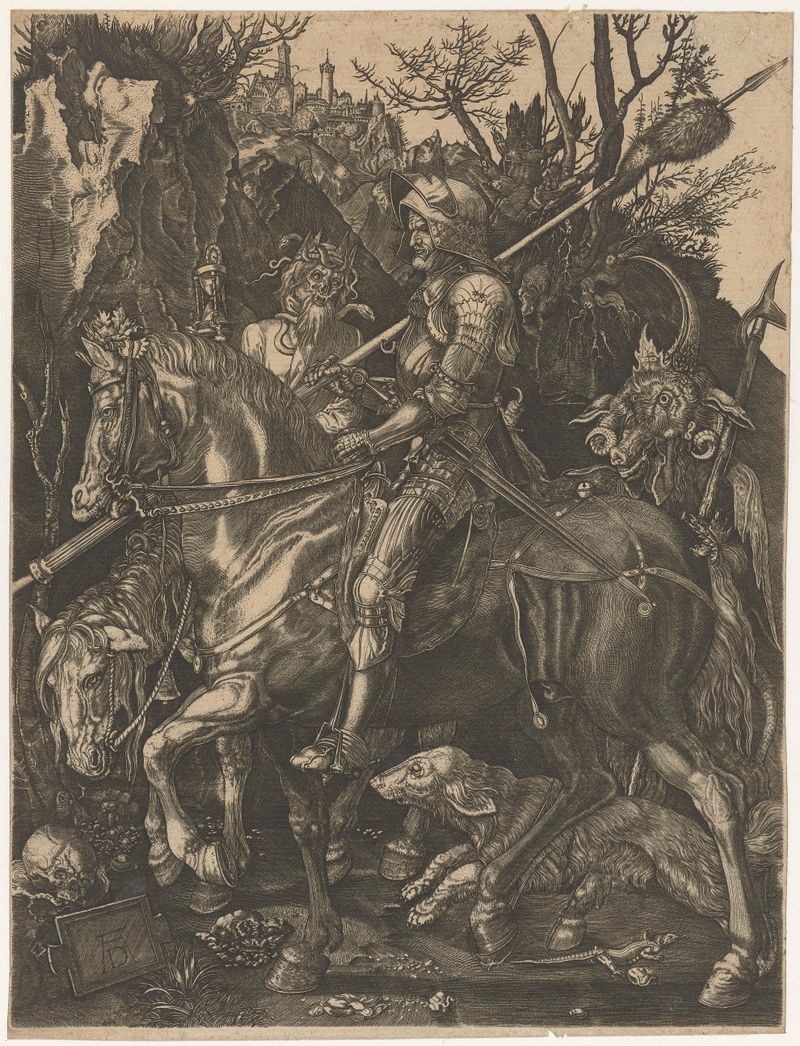
Ridder, Dood en Duivel
Unknown Artist
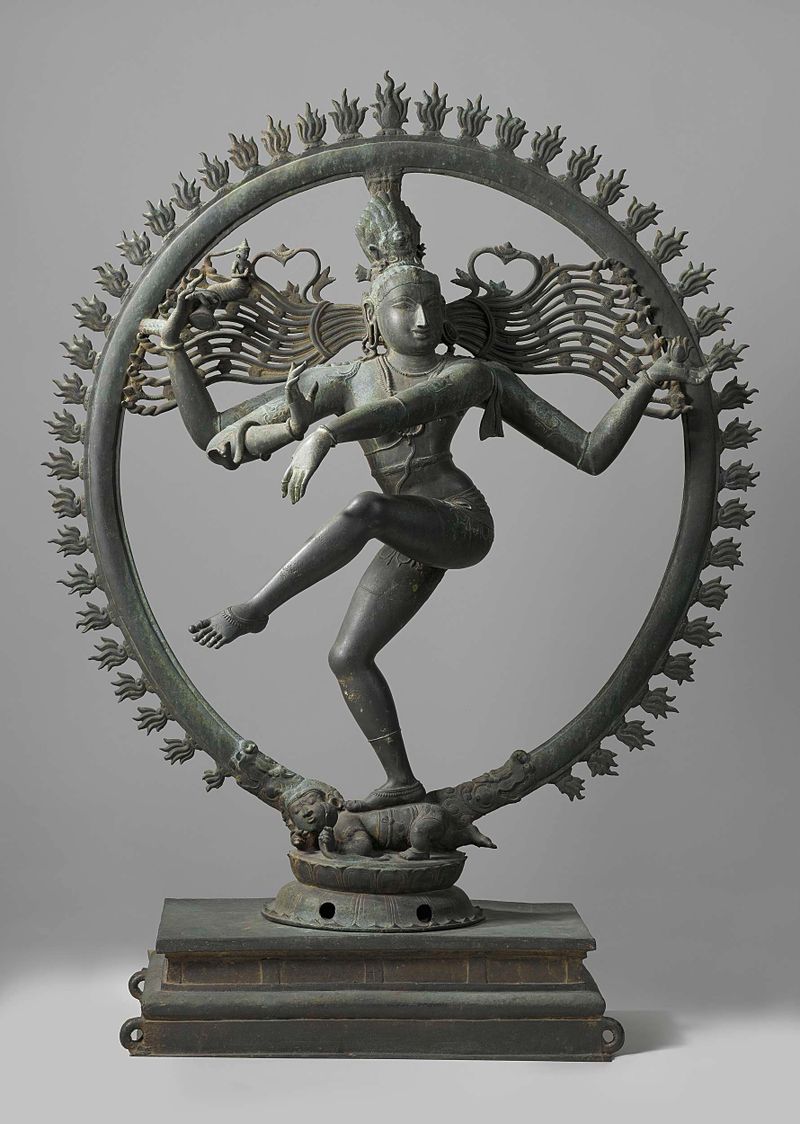
Shiva Nataraja
Unknown Artist
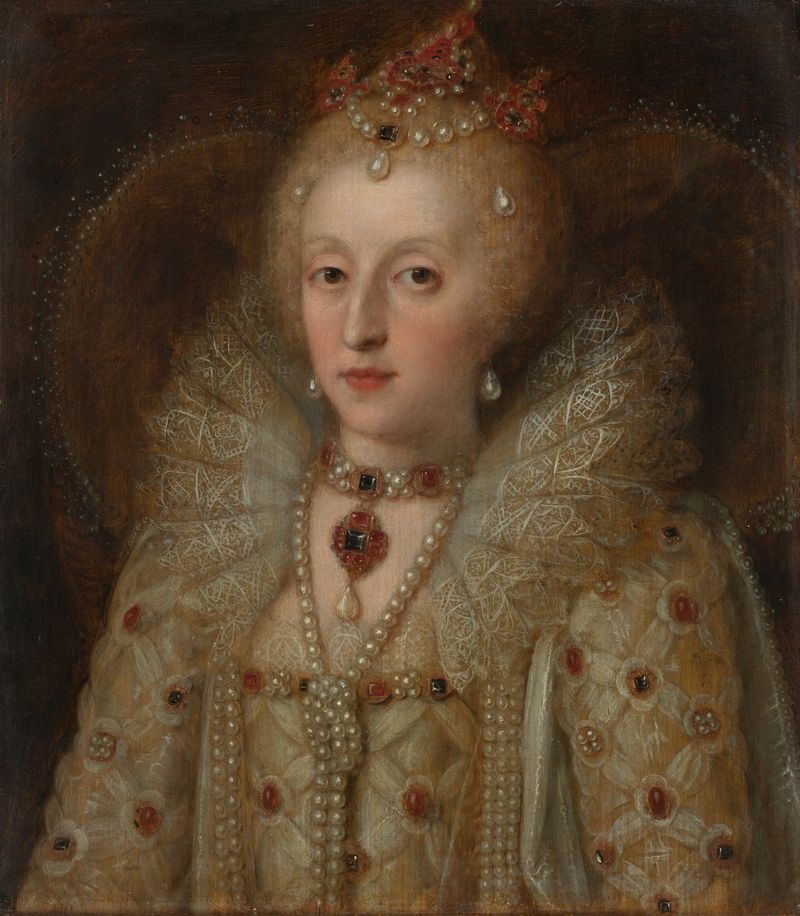
Portrait of Elizabeth I, Queen of England
Unknown Artist
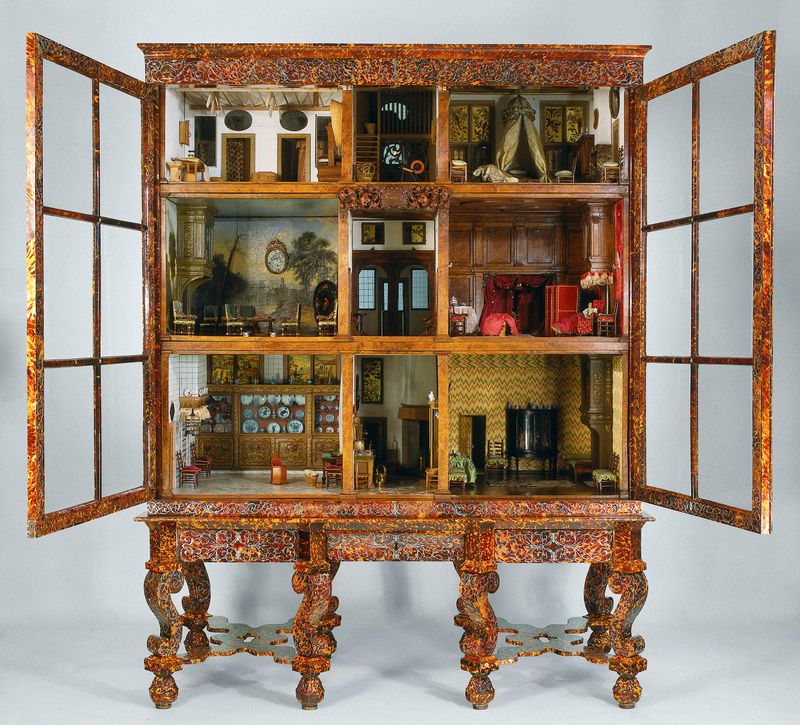
Dolls’ house of Petronella Oortman
Unknown Artist
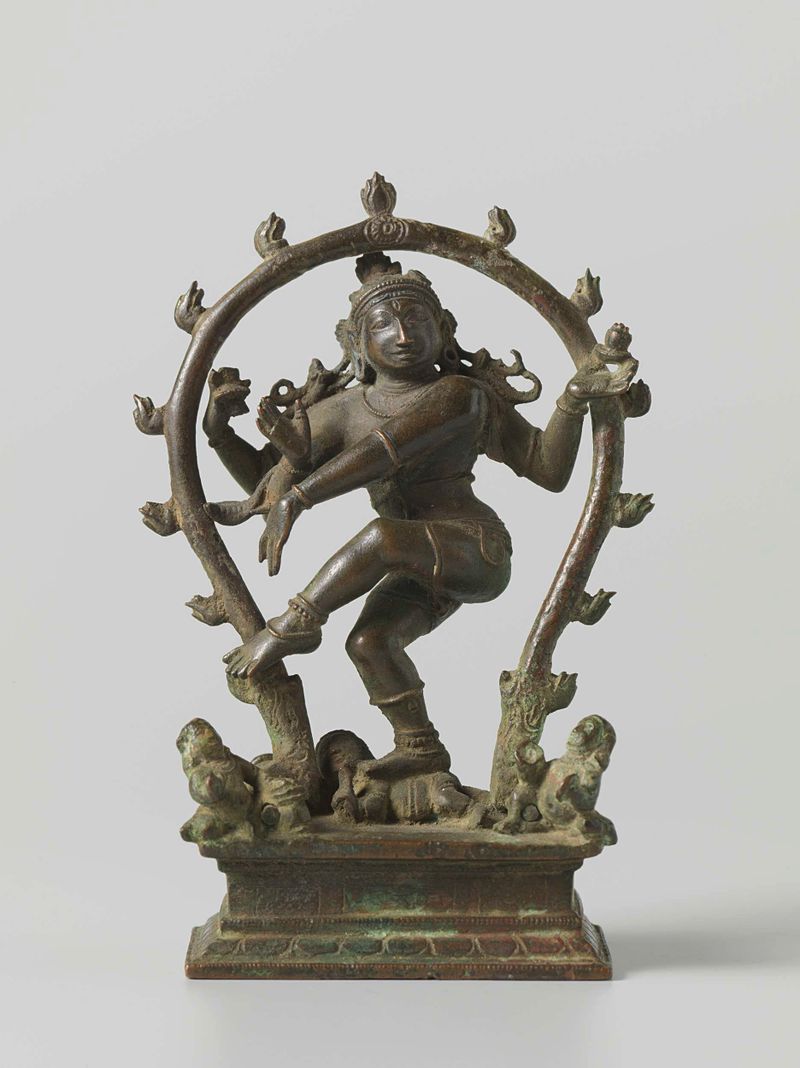
Shiva Nataraja
Unknown Artist

The Tale of Genji
Unknown Artist

The Tale of Genji
Unknown Artist
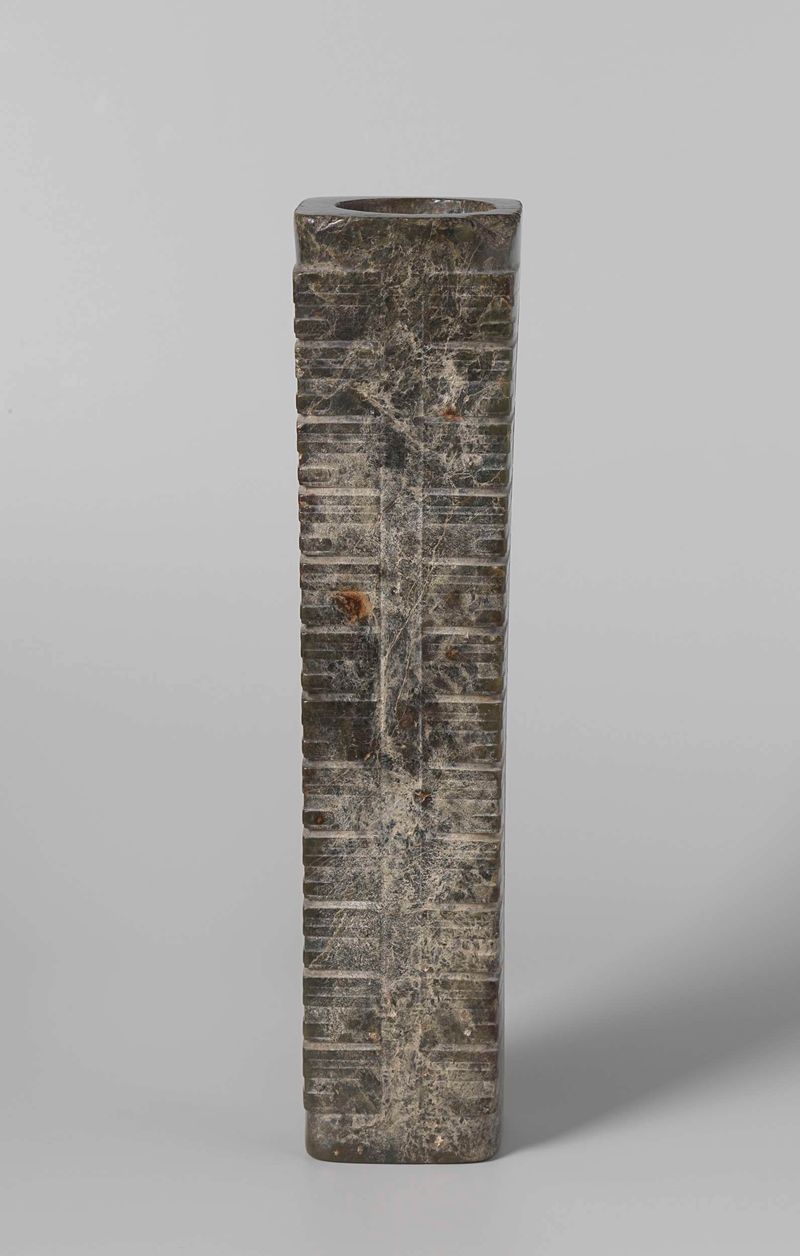
Cong
Unknown Artist
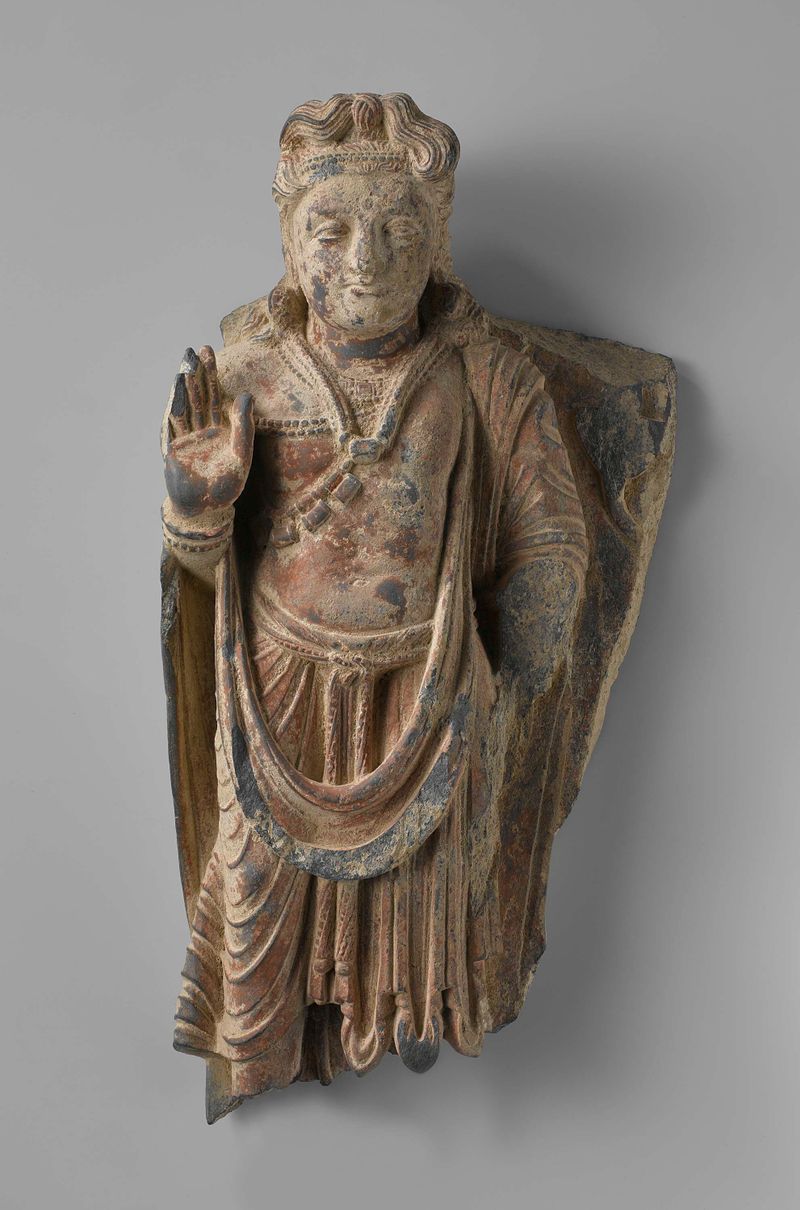
The bodhisattva Maitreya
Unknown Artist
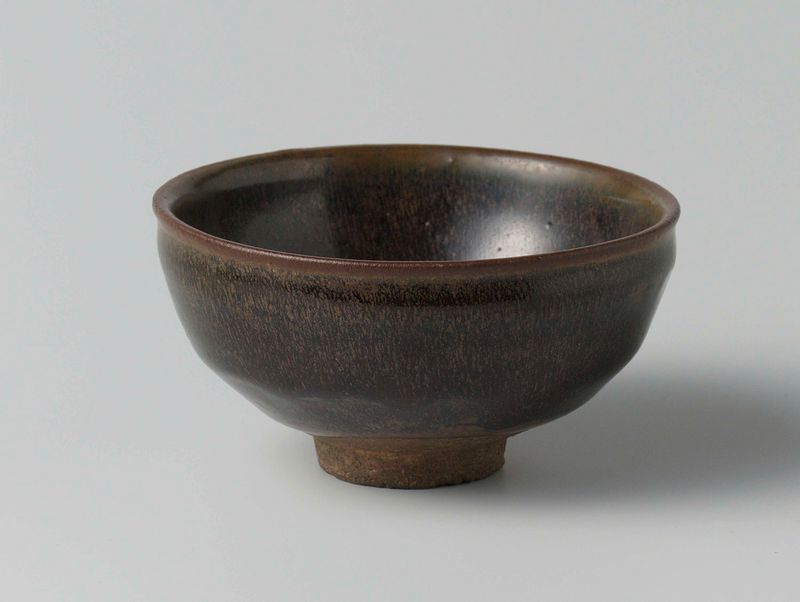
Teabowl with a 'hare's fur' glaze
Unknown Artist