
De visitatie — History & Facts
In the dimly lit chamber, two women stand face to face, their hands poised as if caught in a moment of intimate revelation. The tension hangs like a thick mist; the elder figure, Mary, cloaked in deep blues, reaches out towards her cousin Elizabeth, who is adorned in vibrant greens. A shaft of golden light streams through a nearby window, illuminating their expressions—an unspoken bond woven with the threads of anticipation and a hint of betrayal. Look to the left, where Mary’s delicate fingers brush against Elizabeth’s rounded belly, a gesture both tender and fraught with meaning.
Notice how the artist employs rich, jewel-toned colors, emphasizing the depth of their emotional exchange. The background, adorned with intricate details of the period, draws the viewer into a world where every element speaks to the sacredness of their meeting, inviting you to ponder the weight of their conversation. Beneath the surface of this seemingly joyous encounter lies a complex web of emotions. The light that bathes Mary hints at the divine, juxtaposed against Elizabeth's earthly form, heavy with the burden of impending motherhood.
The contrasting expressions of joy and trepidation speak volumes, suggesting a hidden narrative of rivalry and kinship, of faith and doubt, ultimately questioning the nature of their relationship and the choices that bind them. The work hails from the late 15th century, painted by an enigmatic figure known only as the Master of the Amsterdam Cabinet during a time when Northern Renaissance art was flourishing. Nestled in the heart of Amsterdam, the artist was influenced by a rising interest in human emotion and the complexities of personal relationships, crafting a narrative that bridged spirituality and the human experience.
More Artworks by Meester van het Amsterdamse Kabinet
Browse all →
De Heilige Familie bij de rozenstruik
Meester van het Amsterdamse Kabinet

Hertenjacht
Meester van het Amsterdamse Kabinet
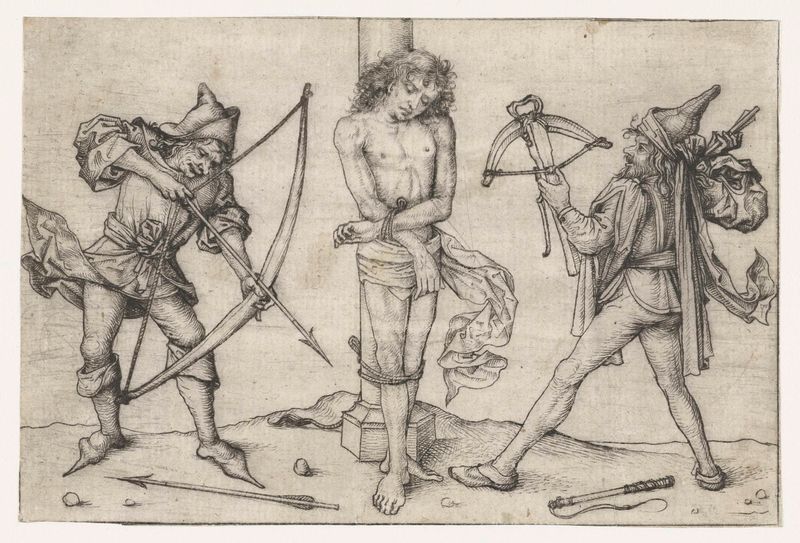
Heilige Sebastiaan met boogschutters
Meester van het Amsterdamse Kabinet

Het lichaam van Christus ondersteund door twee engelen
Meester van het Amsterdamse Kabinet

Heilige Anna-te-Drieën
Meester van het Amsterdamse Kabinet

Heilige Barbara (grote versie)
Meester van het Amsterdamse Kabinet
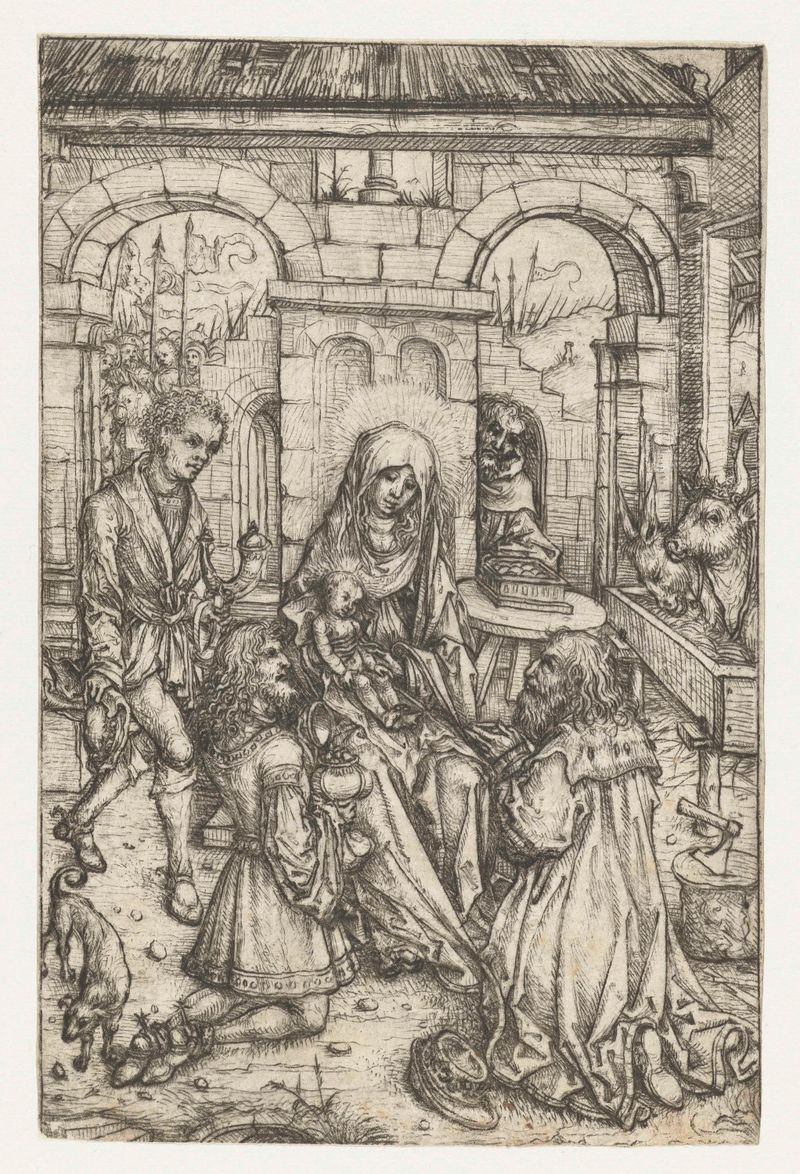
Aanbidding der koningen
Meester van het Amsterdamse Kabinet
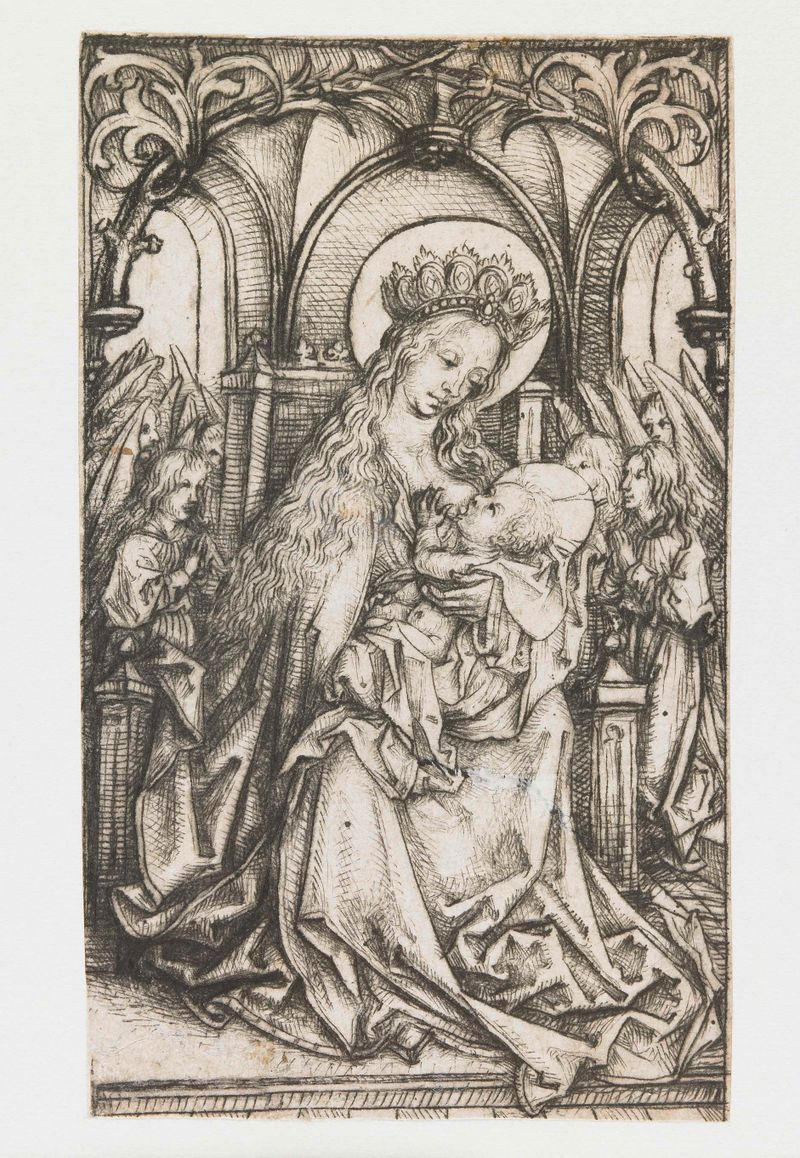
Tronende Madonna door engelen aanbeden
Meester van het Amsterdamse Kabinet

Het zegenend Christuskind
Meester van het Amsterdamse Kabinet
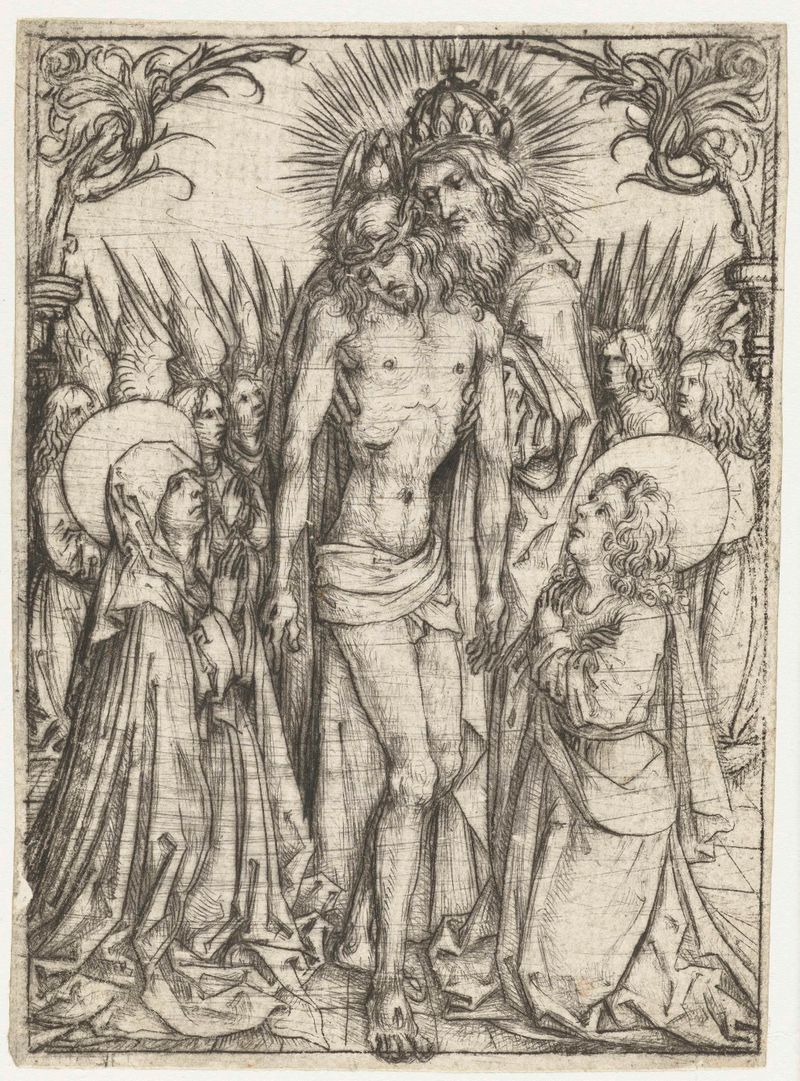
Aanbidding van de Heilige Drieëenheid door Maria, Johannes de Evangelist en engelen
Meester van het Amsterdamse Kabinet
More Religious Art
Browse all →
The Return of the Prodigal Son
Rembrandt van Rijn

The Garden of Earthly Delights
El Bosco

Count Orgaz’ funeral
El Greco

The Hundred Guilder Print: the central piece with Christ preaching, the plate arched
Rembrandt van Rijn

The Descent from the Cross
Rogier van der Weyden

The return of the prodigal son
Rembrandt van Rijn