
Death of Socrates — History & Facts
In Death of Socrates, Nicolas Bernard Lépicié presents a dramatic scene filled with emotion. The painting features Socrates surrounded by his distraught followers, each displaying a range of sorrow and disbelief. The color palette is dominated by somber tones, with deep reds and muted earth colors that enhance the gravity of the moment.
The setting is a classical interior, emphasizing the historical context of Socrates' trial and execution. The painting is executed in oil on canvas, showcasing Lépicié's skill in capturing human emotions and expressions. The figures are rendered with careful attention to detail, from the flowing drapery of their garments to the nuanced expressions on their faces. The composition is balanced, with Socrates at the center, drawing the viewer's eye.
The use of light and shadow adds depth, highlighting the tension in the scene. Nicolas Bernard Lépicié was a French painter known for his neoclassical style, which sought to revive the ideals of ancient art. This work, created in the 1760s, reflects the Enlightenment's fascination with classical philosophy and ethics. An interesting fact about this painting is that it was inspired by the writings of Plato, particularly the
More Artworks by Nicolas Bernard Lépicié

Brustbild einer niederblickenden Frau mit Kopftuch
Nicolas Bernard Lépicié
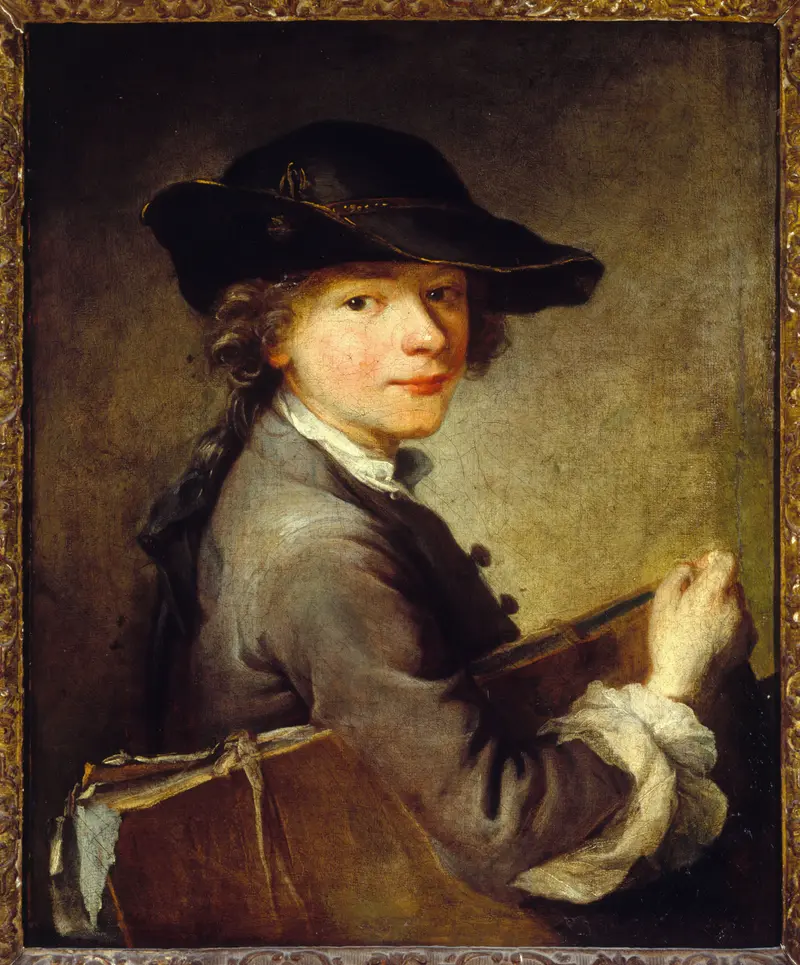
Carle Vernet (1758-1836)
Nicolas Bernard Lépicié
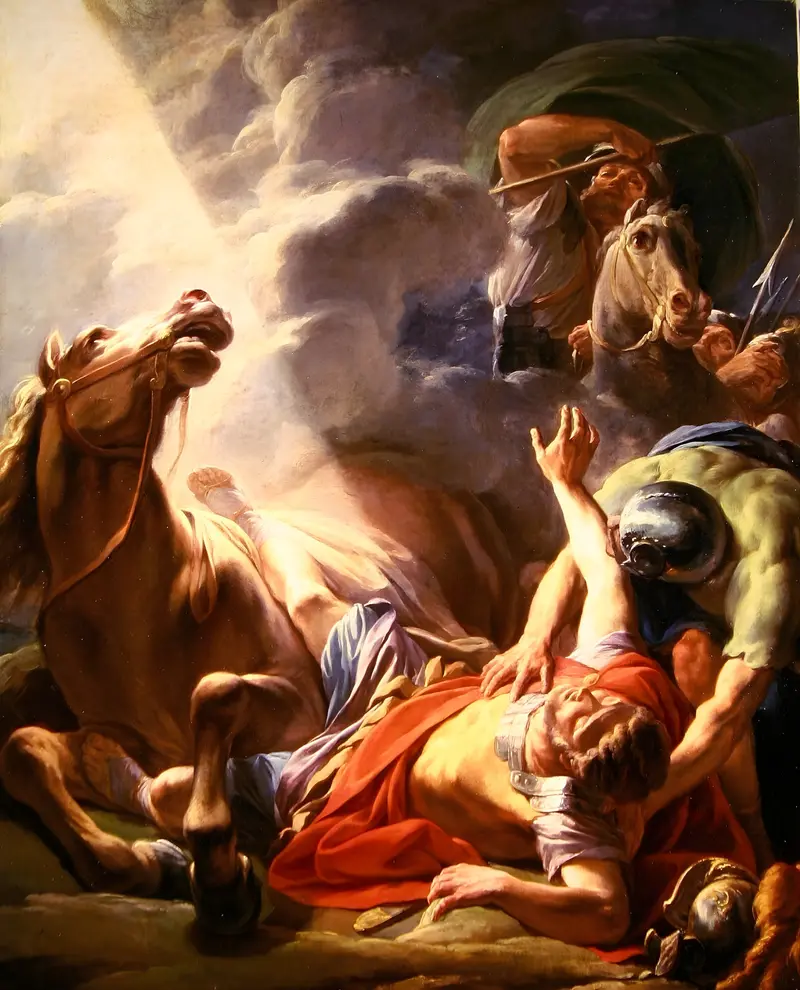
The Conversion Of Saint Paul
Nicolas Bernard Lépicié
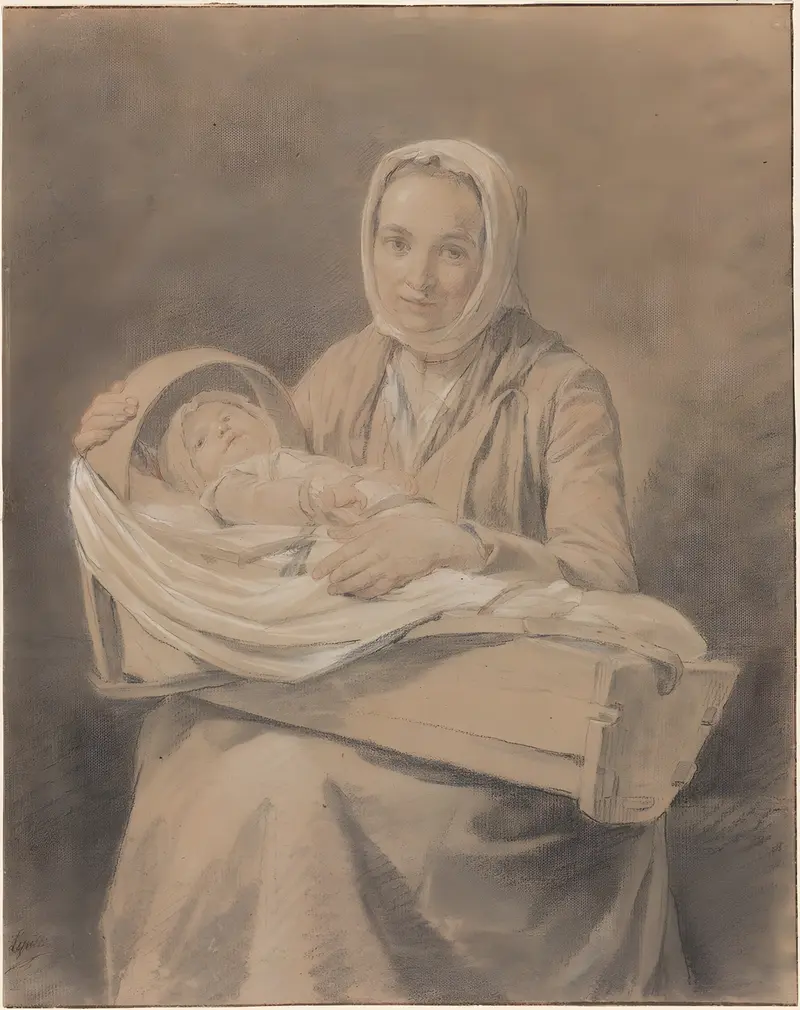
Young Mother Seated, Holding her Baby in a Portable Crib on her Knees
Nicolas Bernard Lépicié
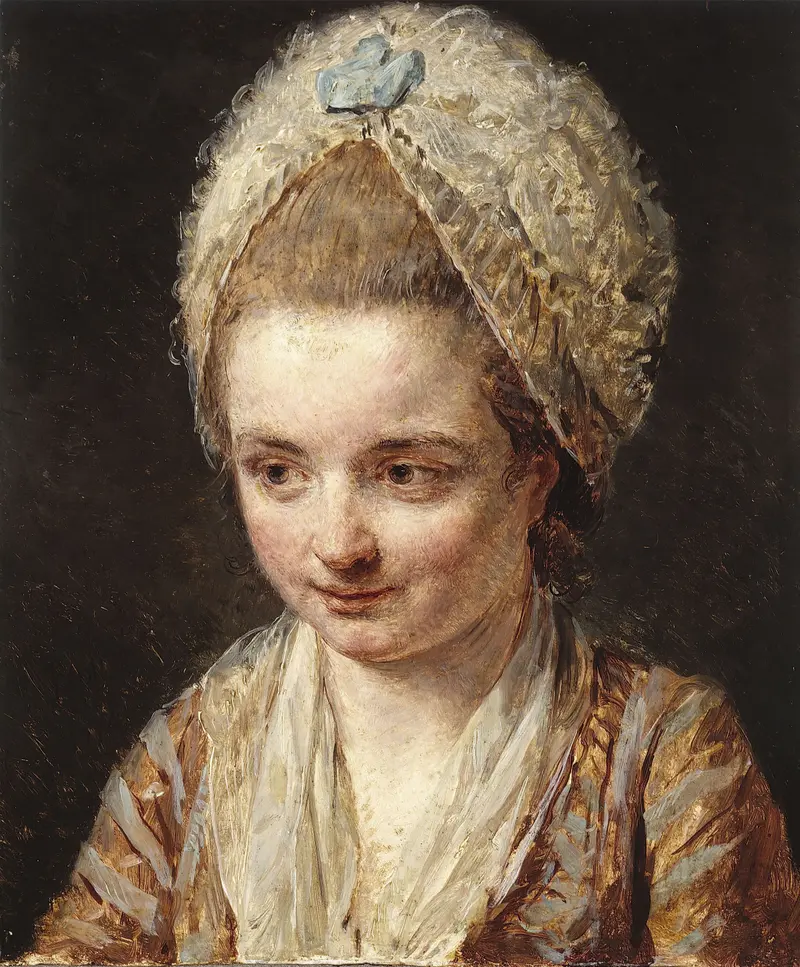
La Coiffe blanche
Nicolas Bernard Lépicié
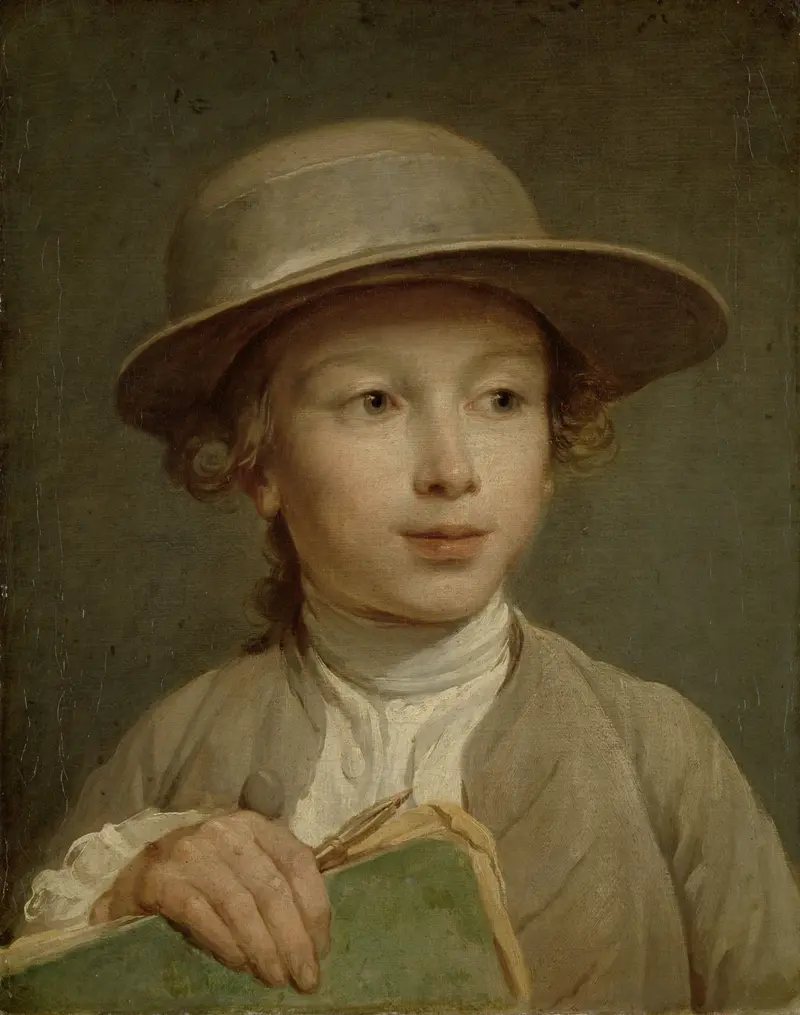
Boy with a Drawing Book
Nicolas Bernard Lépicié

Portrait of a youth, said to be Louis Berthier-Bizy
Nicolas Bernard Lépicié
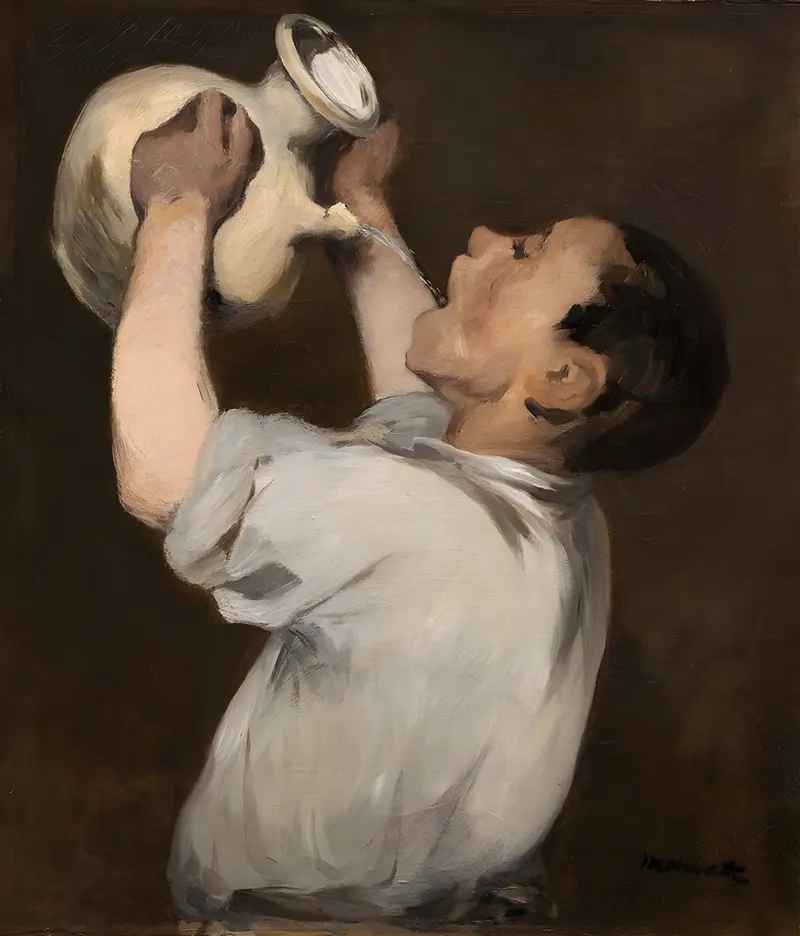
Boy with Pitcher (La Régalade)
Nicolas Bernard Lépicié
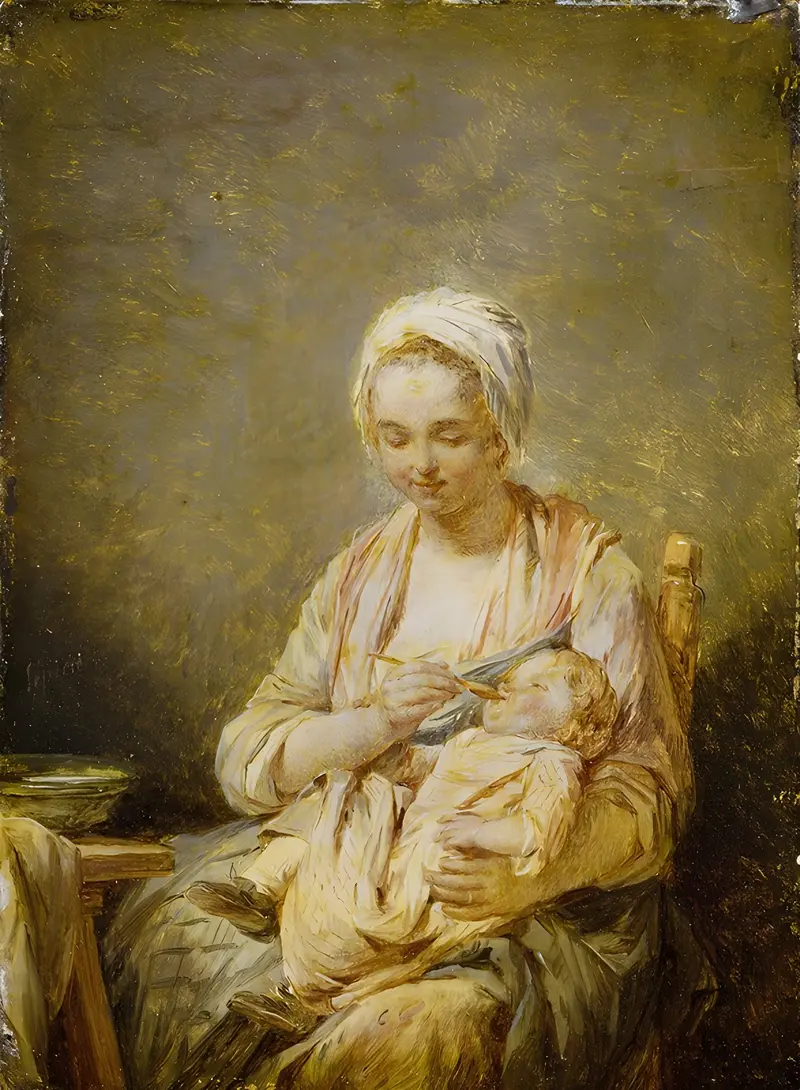
Le devoir maternel (Maternal Duty)
Nicolas Bernard Lépicié
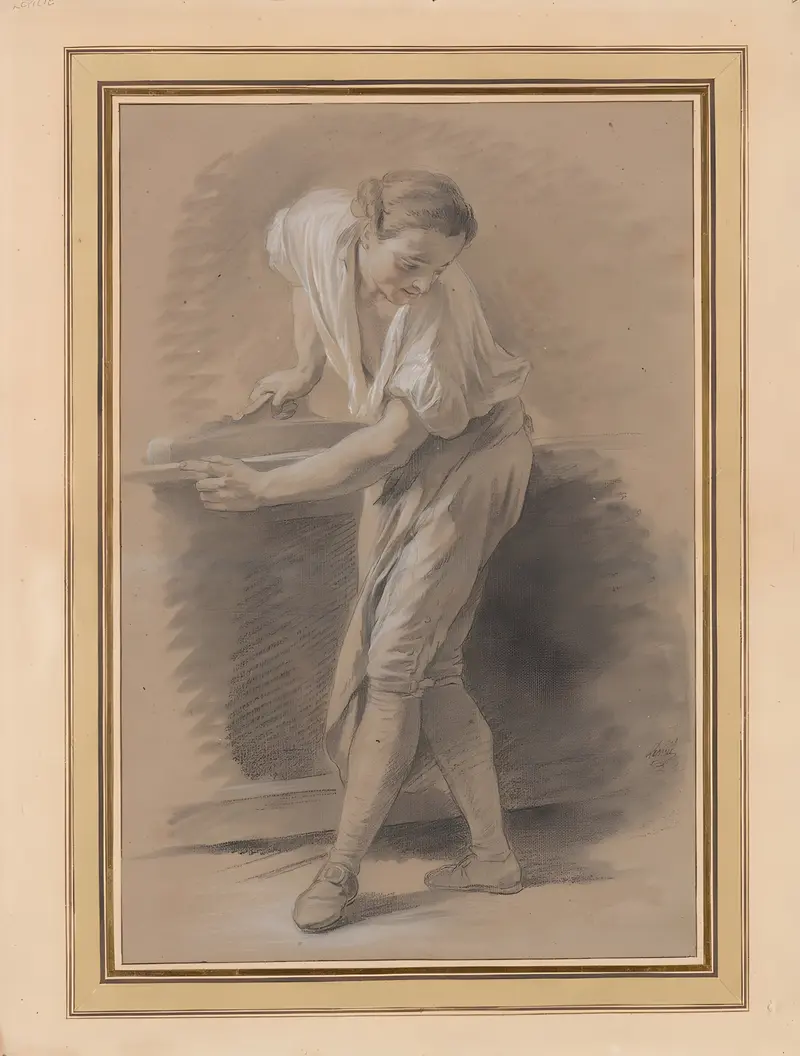
A Carpenter
Nicolas Bernard Lépicié





