
Le devoir maternel (Maternal Duty) — History & Facts
In Le devoir maternel, we see a mother tenderly caring for her child, surrounded by soft pastel colors. The figures are depicted with delicate features and flowing garments, typical of the Rococo style. The setting is intimate, likely within a domestic space, emphasizing the warmth of maternal love.
Light plays softly across the scene, enhancing the gentle atmosphere. The painting is executed in oil on canvas, showcasing Lépicié's skill in capturing the subtleties of human emotion. The use of color is soft and harmonious, with a focus on light and shadow to create depth. The composition is balanced, drawing the viewer's eye to the central figures of the mother and child.
The Rococo style is evident in the ornate details and graceful lines. Nicolas Bernard Lépicié was a French painter known for his genre scenes and portraits during the Rococo period. Le devoir maternel reflects the values of family and nurturing that were celebrated in 18th-century France. An interesting fact about this work is that it captures a moment of everyday life, which was a popular subject in Rococo art, emphasizing the beauty in domesticity.
More Artworks by Nicolas Bernard Lépicié

Brustbild einer niederblickenden Frau mit Kopftuch
Nicolas Bernard Lépicié
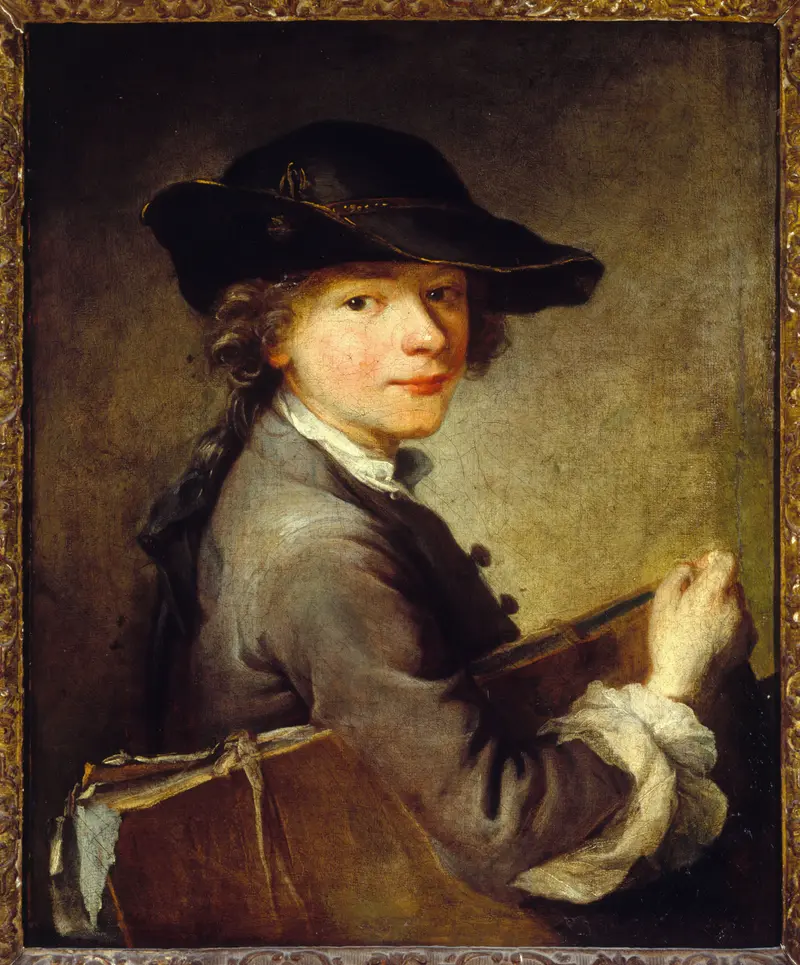
Carle Vernet (1758-1836)
Nicolas Bernard Lépicié
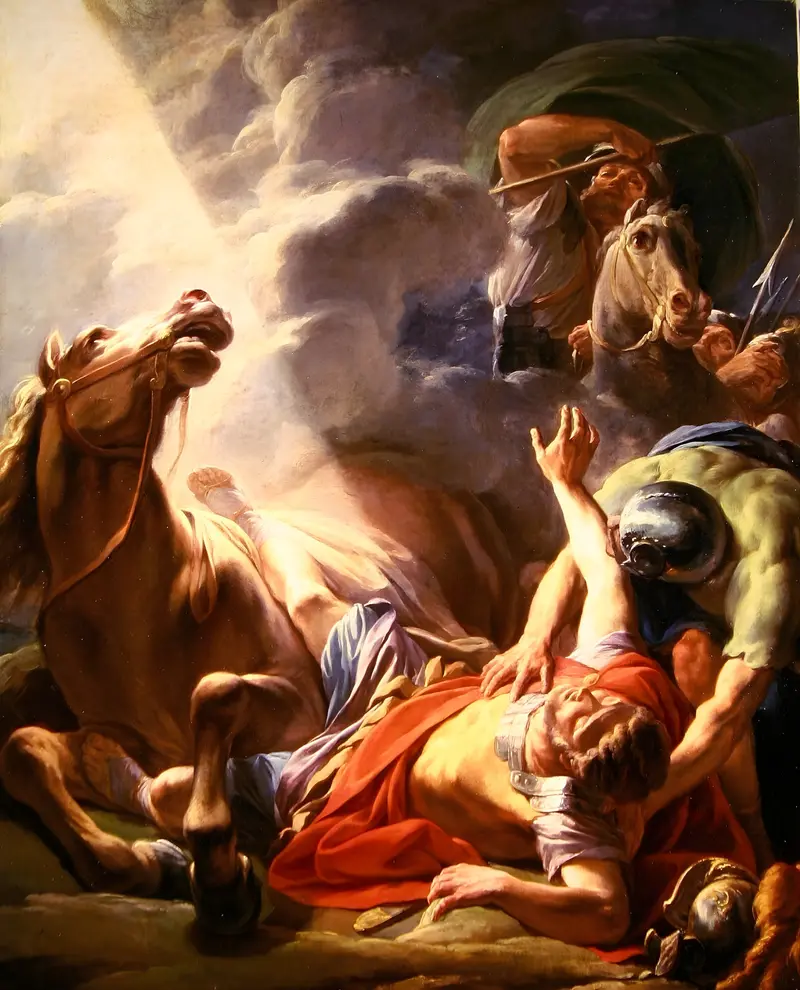
The Conversion Of Saint Paul
Nicolas Bernard Lépicié
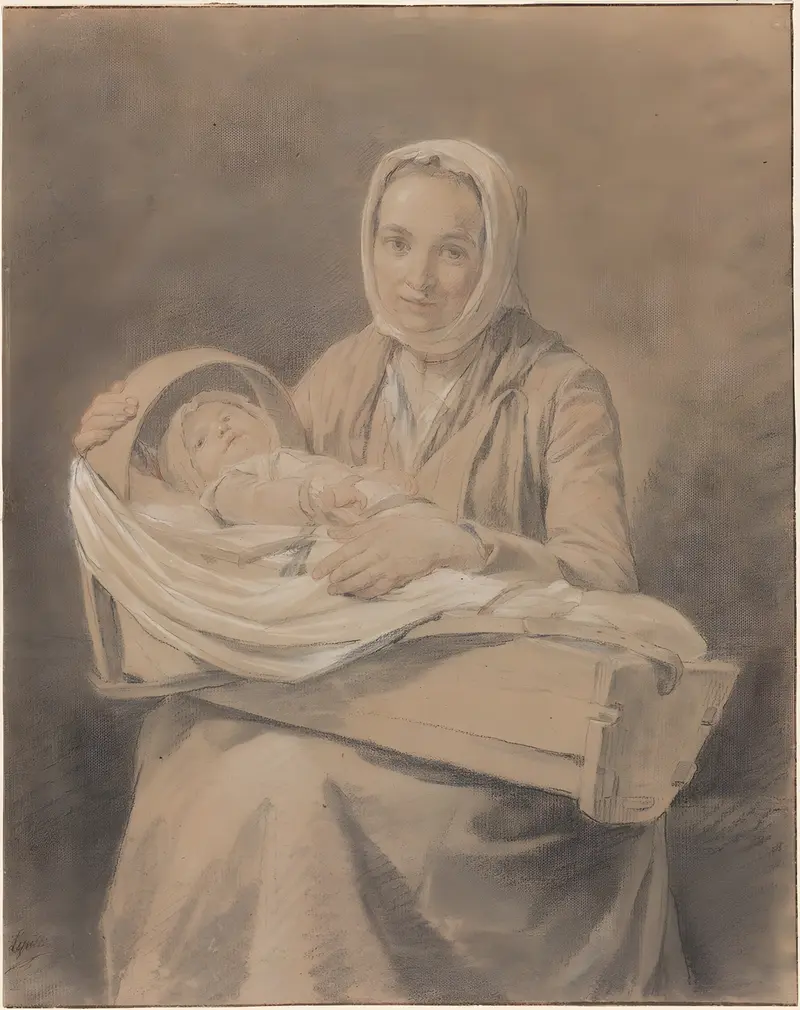
Young Mother Seated, Holding her Baby in a Portable Crib on her Knees
Nicolas Bernard Lépicié
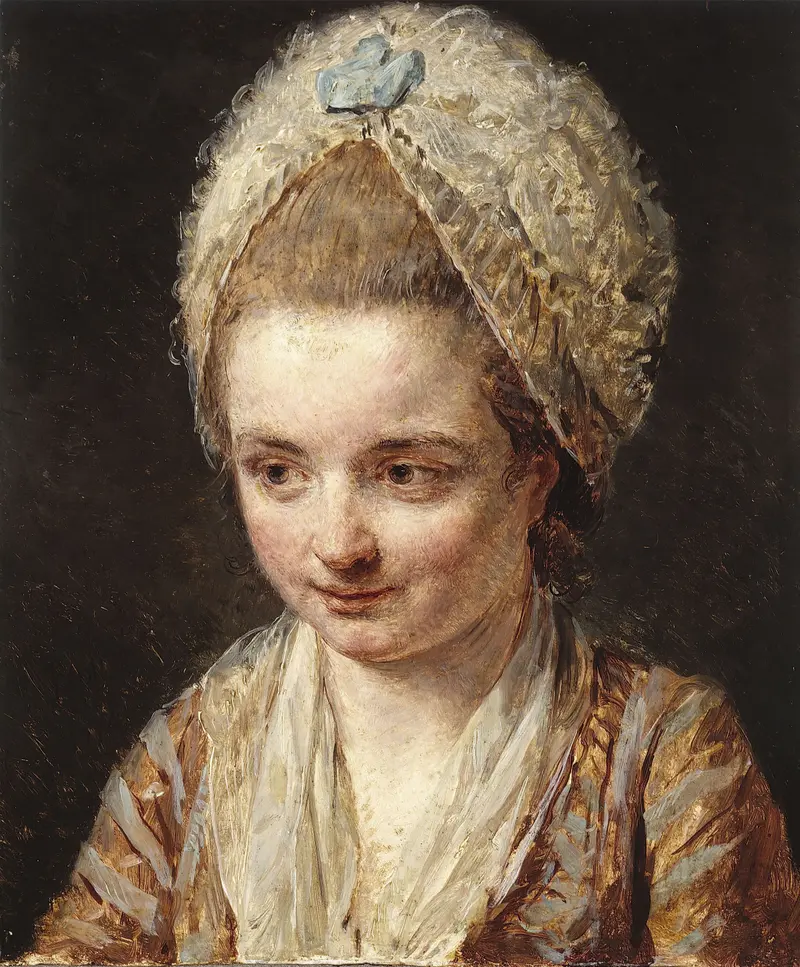
La Coiffe blanche
Nicolas Bernard Lépicié
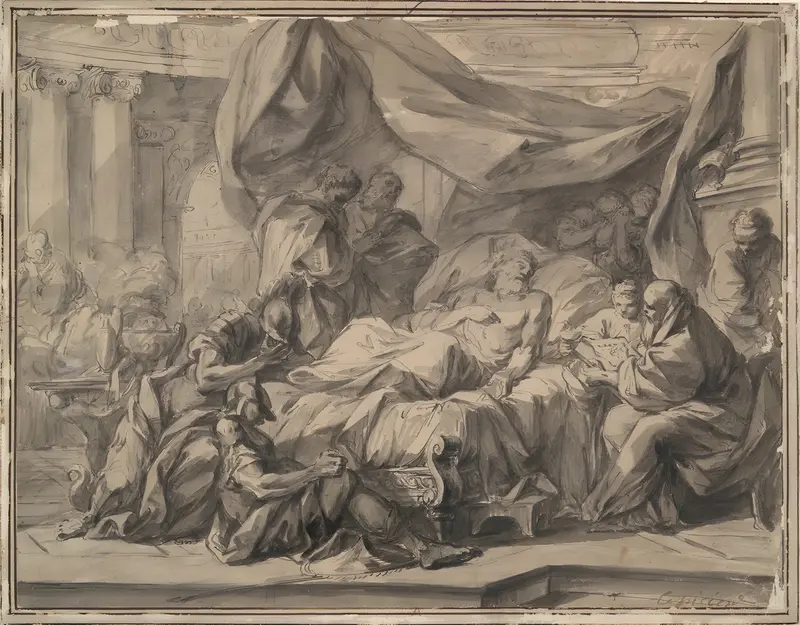
Death of Socrates
Nicolas Bernard Lépicié
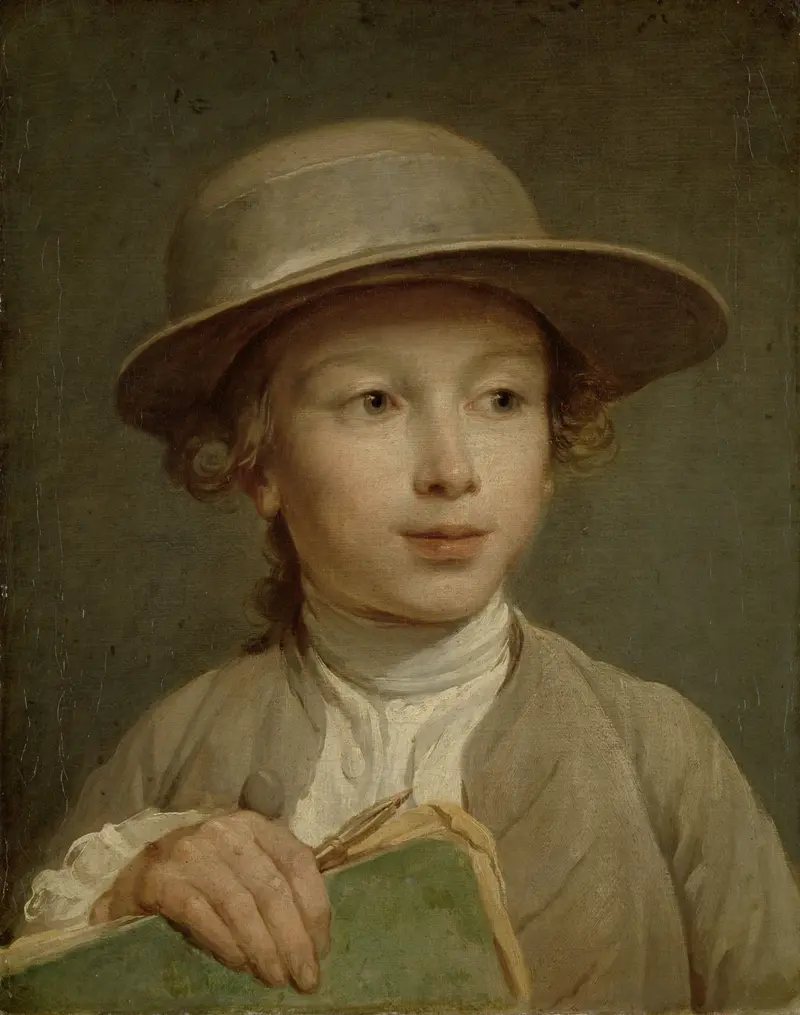
Boy with a Drawing Book
Nicolas Bernard Lépicié

Portrait of a youth, said to be Louis Berthier-Bizy
Nicolas Bernard Lépicié
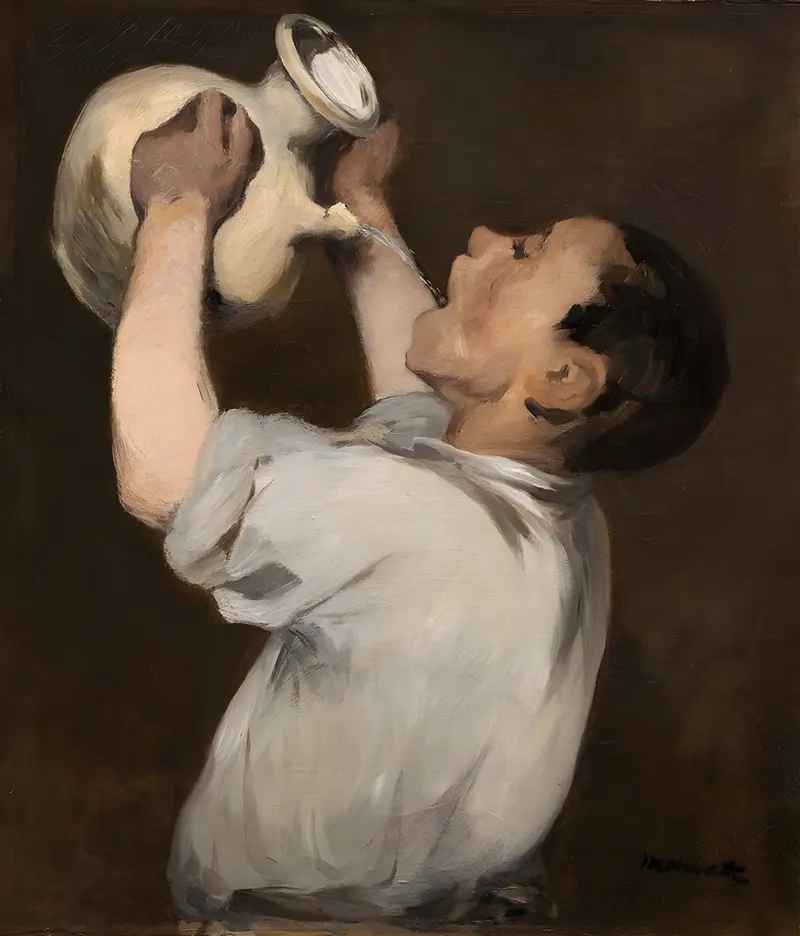
Boy with Pitcher (La Régalade)
Nicolas Bernard Lépicié
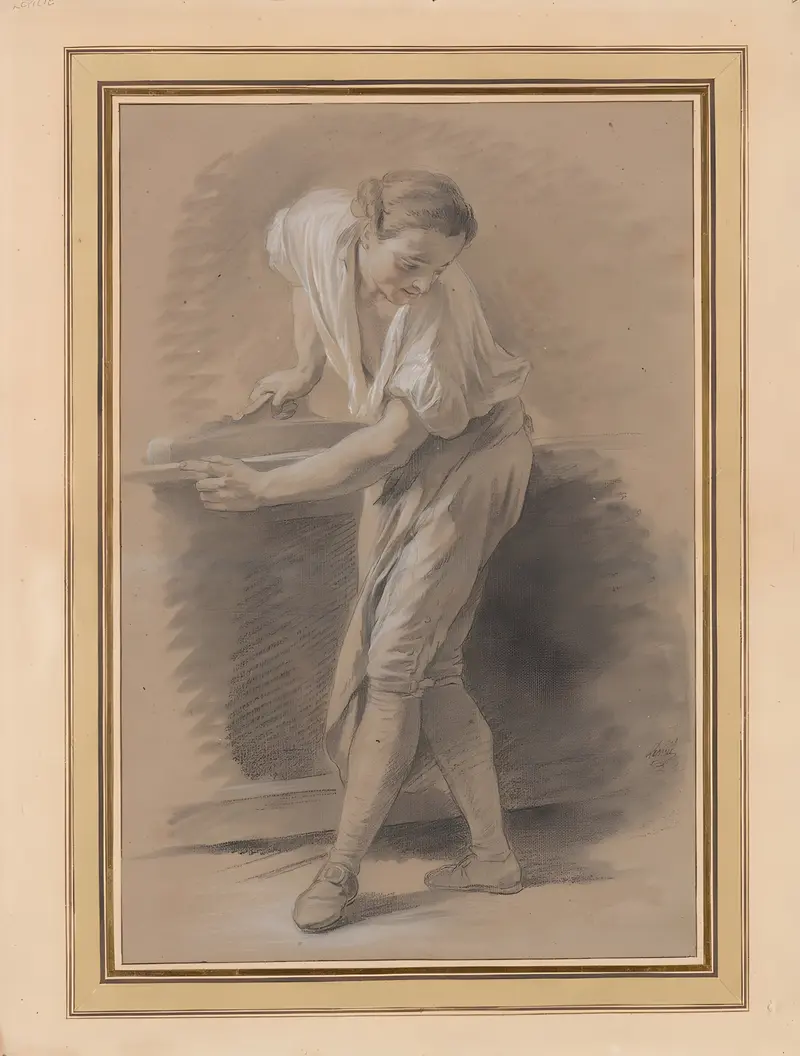
A Carpenter
Nicolas Bernard Lépicié
More Genre Scene Art

Banquet of the Officers of the St George Civic Guard
Frans Hals

Rembrandt and Saskia in the Scene of the Prodigal Son
Rembrandt van Rijn

Bal du moulin de la Galette
Pierre-Auguste Renoir

Quadrille at the Moulin Rouge
Henri de Toulouse-Lautrec

A Burial at Ornans
Gustave Courbet

When Will You Marry?
Paul Gauguin