
Death of the Firstborn — History & Facts
In Death of the Firstborn, the viewer is confronted with a striking scene filled with intense colors. The dominant hues of red and gold create a dramatic atmosphere, highlighting the emotional weight of the moment. Figures are depicted in a state of anguish, with expressions that convey both sorrow and despair.
The setting appears to be a biblical landscape, enhancing the historical context of the painting. The painting is executed in oil on canvas, a medium that allows for rich textures and vibrant colors. Leighton’s technique showcases his skill in capturing the human form, with detailed anatomical accuracy and expressive gestures. The composition is carefully arranged, drawing the viewer's eye toward the central figures and their emotional turmoil.
The dimensions are approximately 150 x 200 cm, making it a substantial work that commands attention. Frederic Leighton was a prominent figure in the Victorian art scene, known for his historical and mythological subjects. Death of the Firstborn reflects his interest in dramatic narratives and the human condition. An interesting fact about this work is that it was inspired by the biblical story of the Plague of the Firstborn, a theme that resonates deeply with themes of loss and suffering.
Leighton's ability to blend classical techniques with contemporary themes makes this painting notable in his oeuvre.
More Artworks by Frederic Leighton
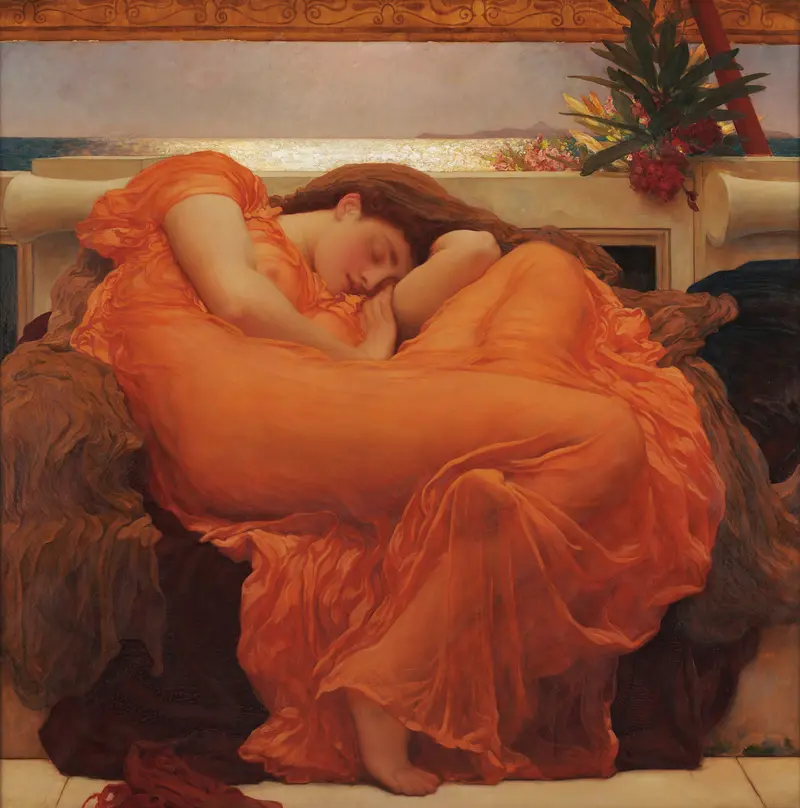
Flaming June
Frederic Leighton
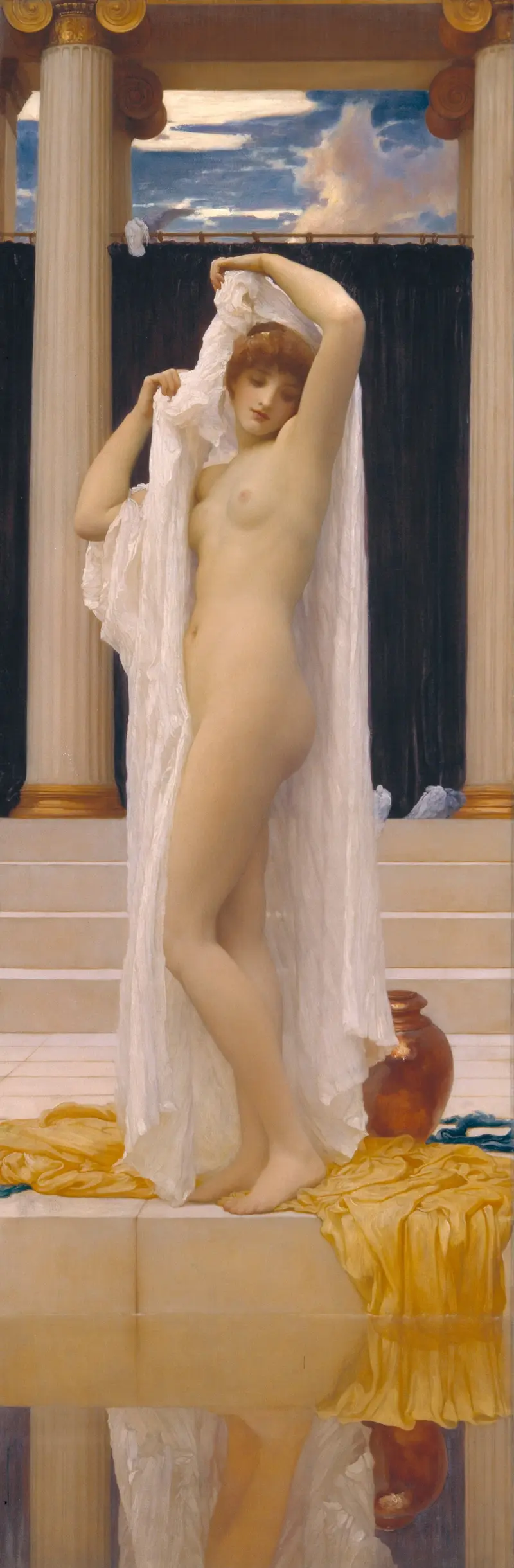
The Bath of Psyche
Frederic Leighton
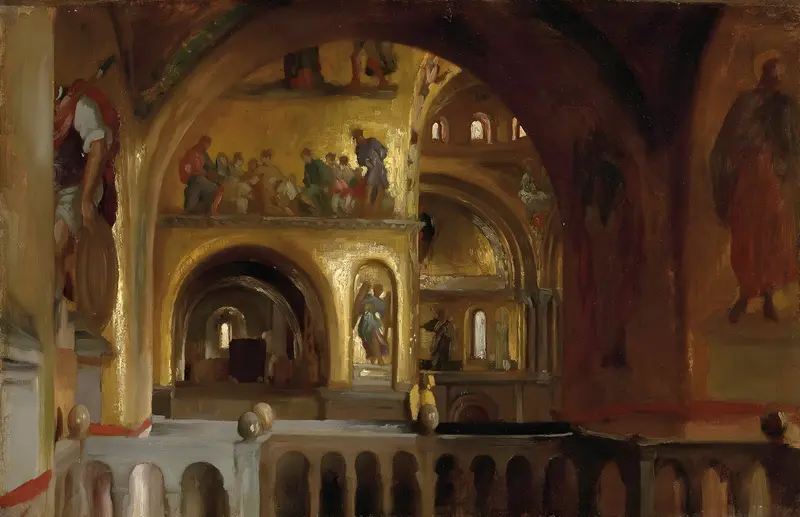
The Interior of St Mark’s Basilica, Venice
Frederic Leighton

Portrait of May Sartoris, Mrs Henry Evans Gordon
Frederic Leighton
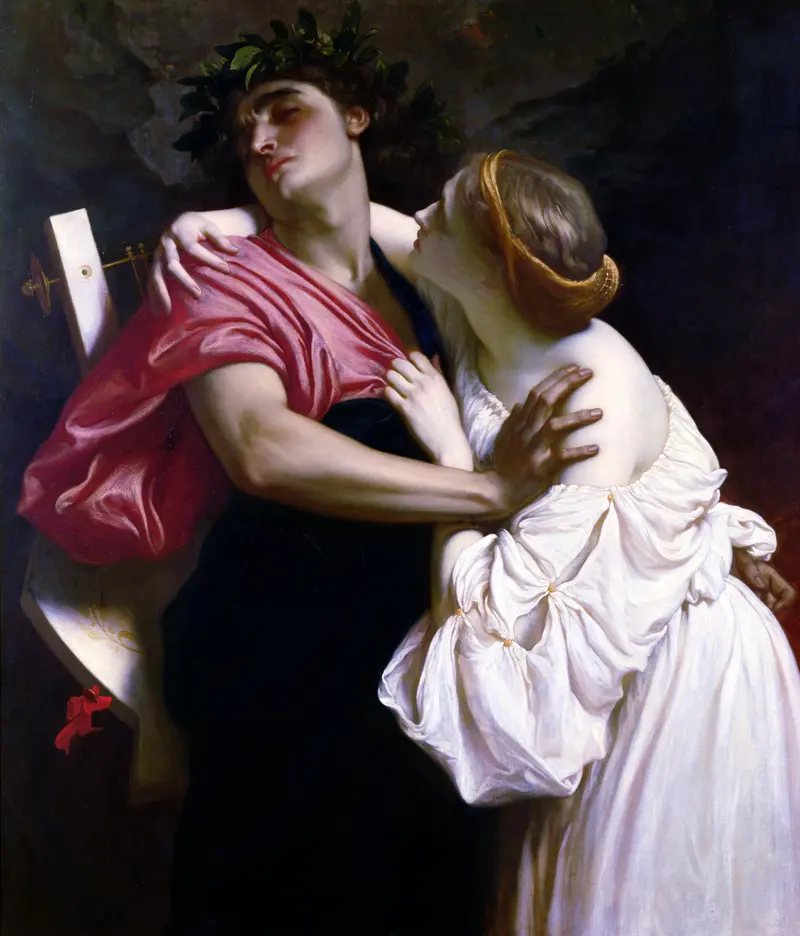
Orpheus And Eurydice
Frederic Leighton
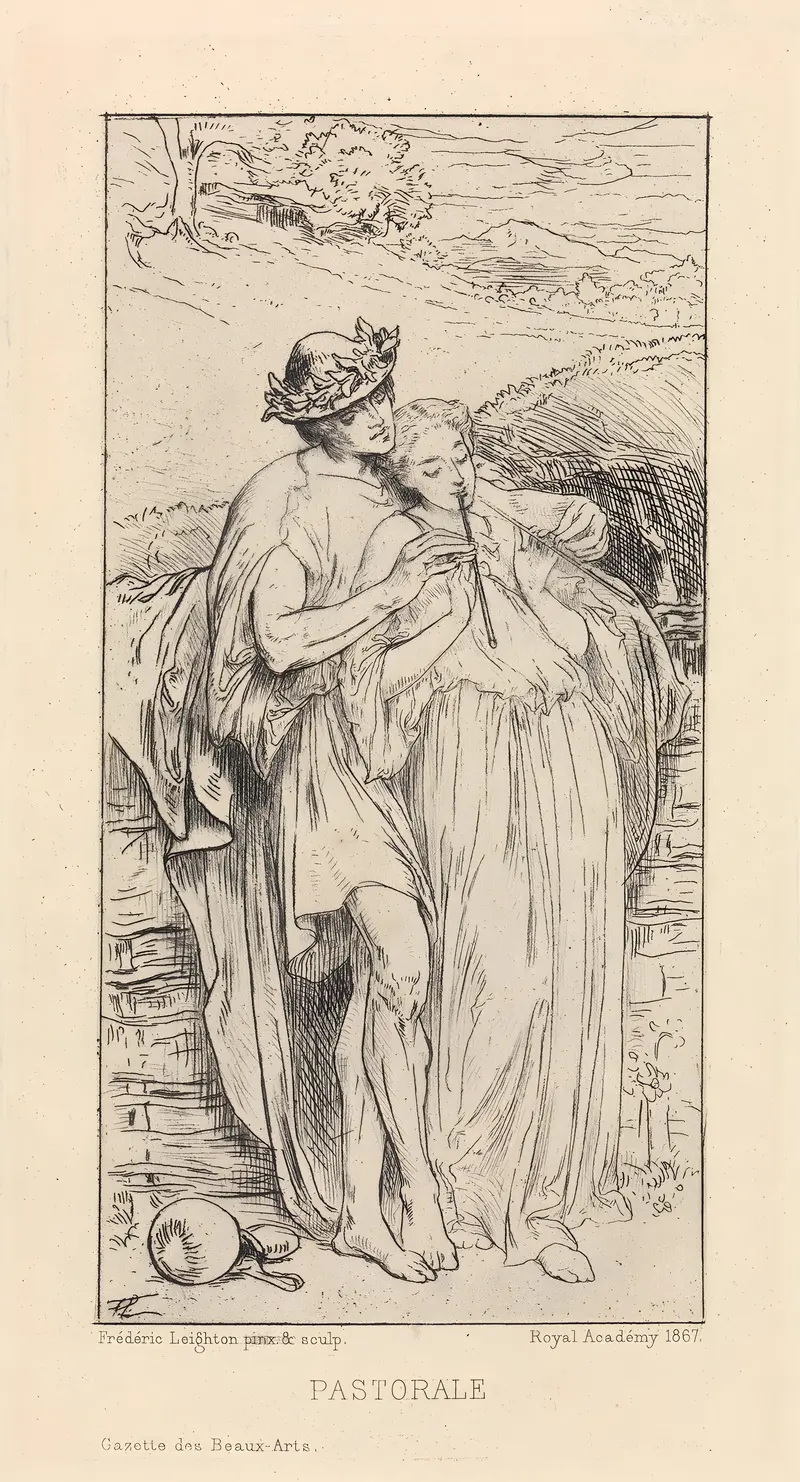
Pastorale
Frederic Leighton
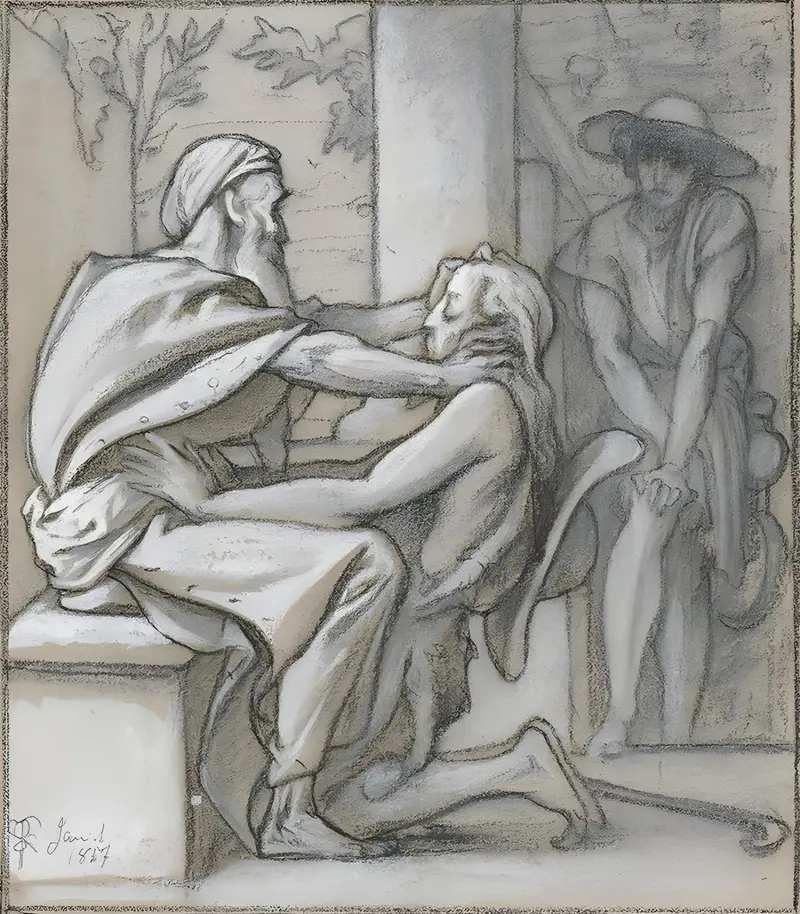
Jacob and Esau
Frederic Leighton
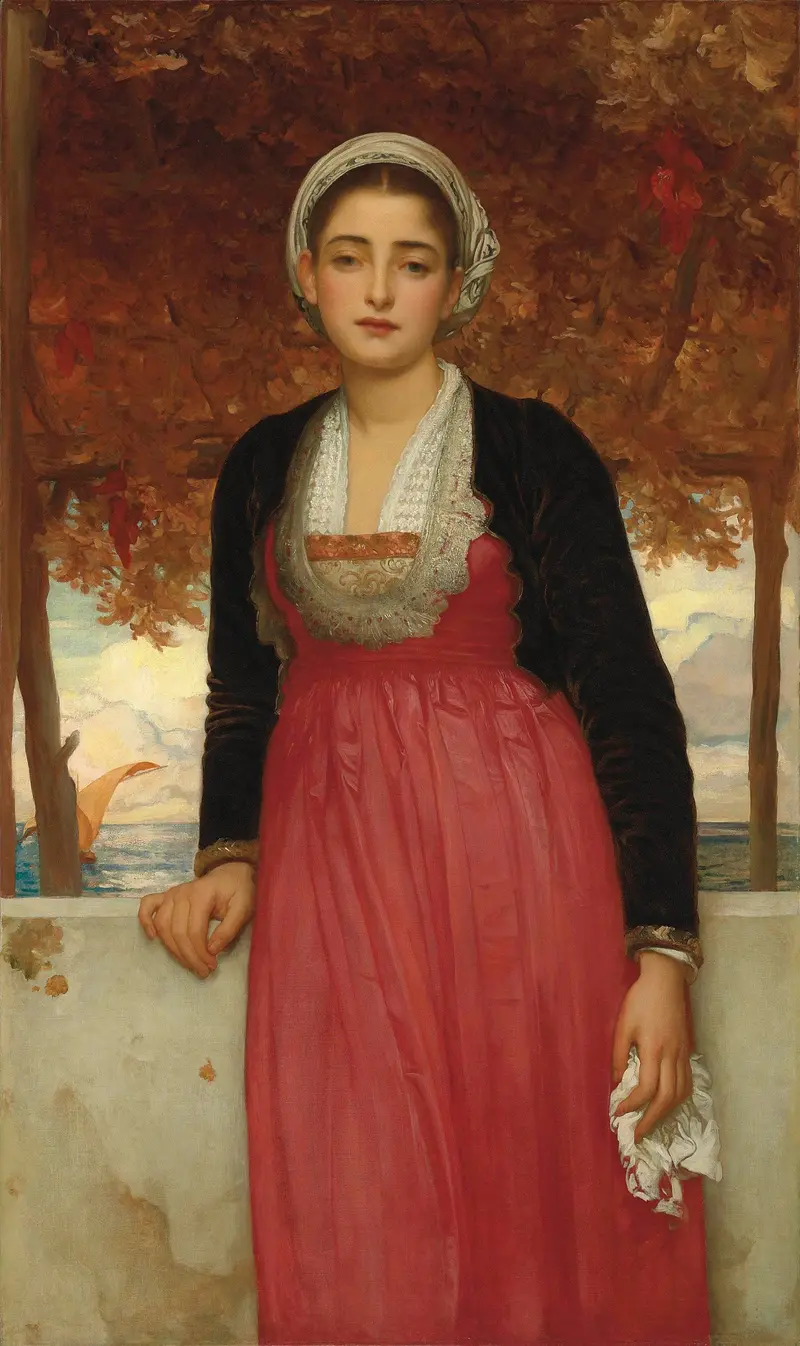
Amarilla
Frederic Leighton
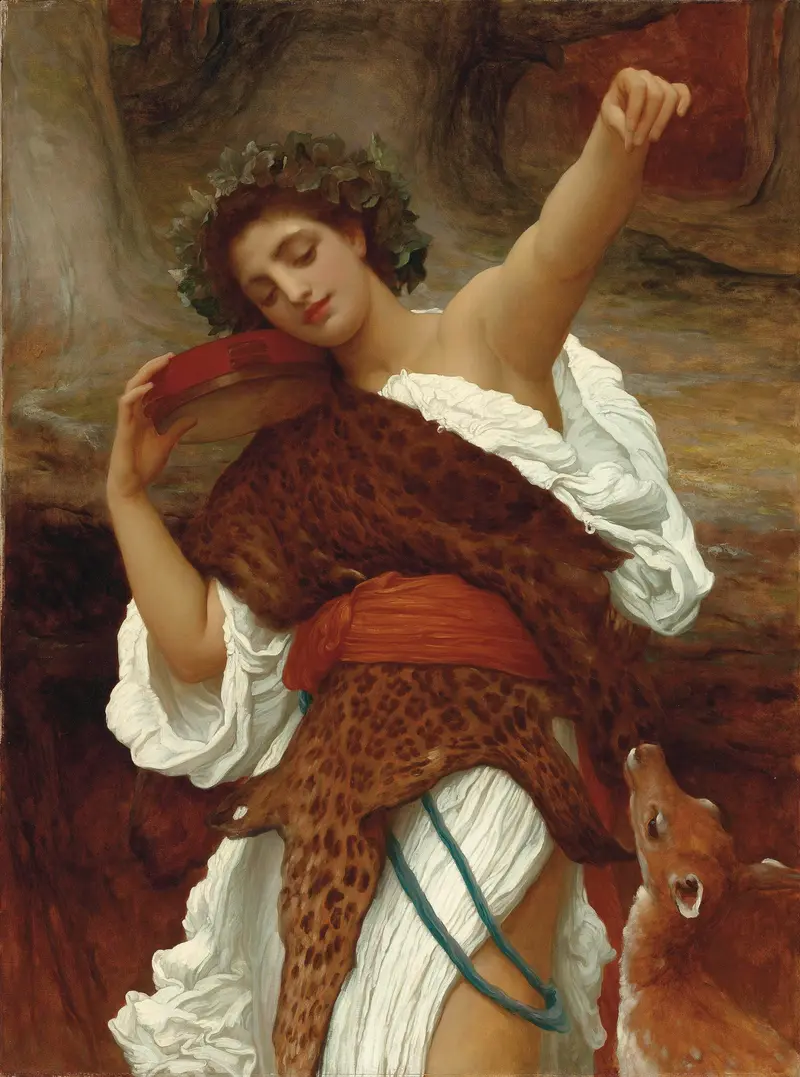
Bacchante
Frederic Leighton
Cain and Abel
Frederic Leighton





