Decorative object — History & Facts
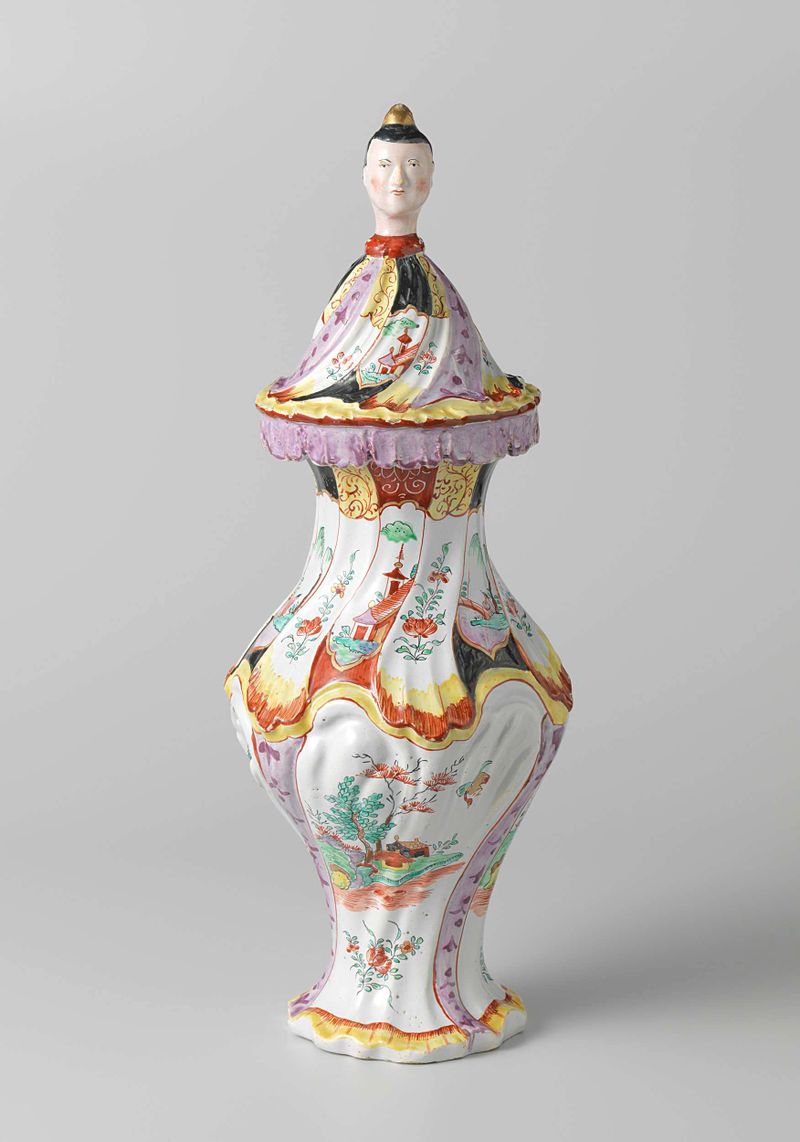
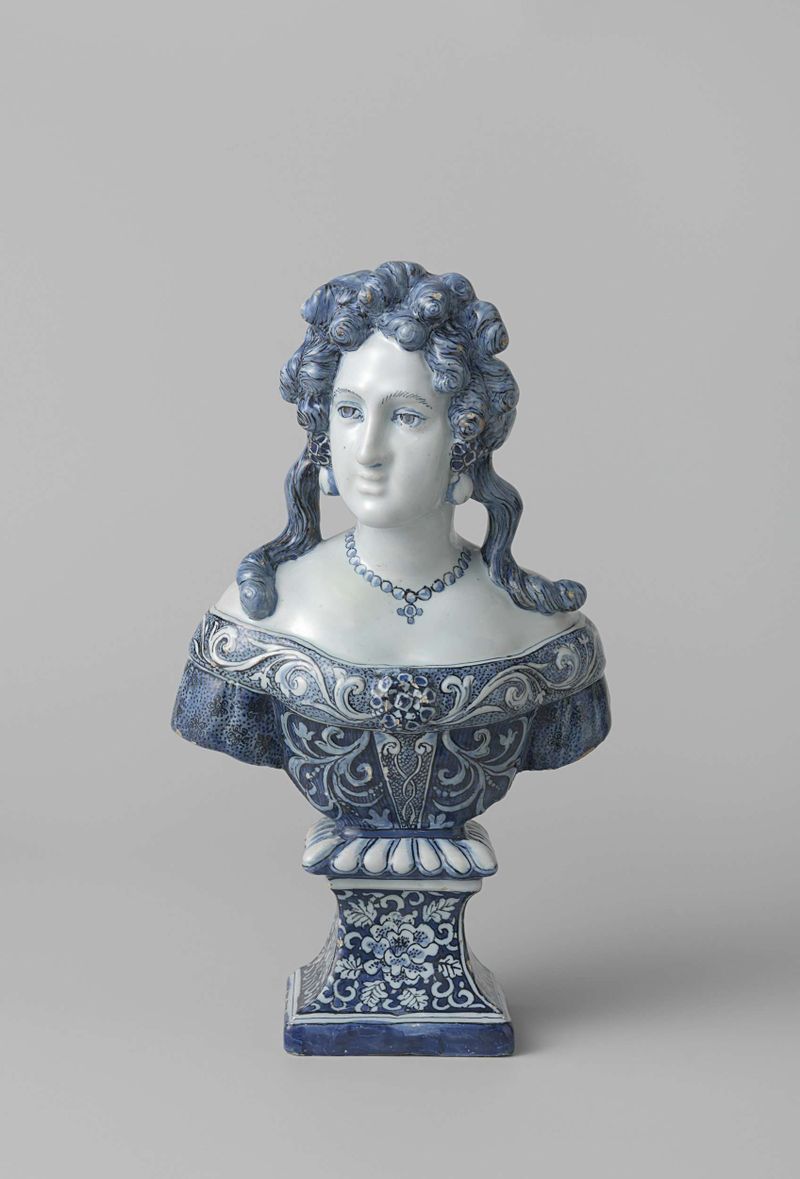
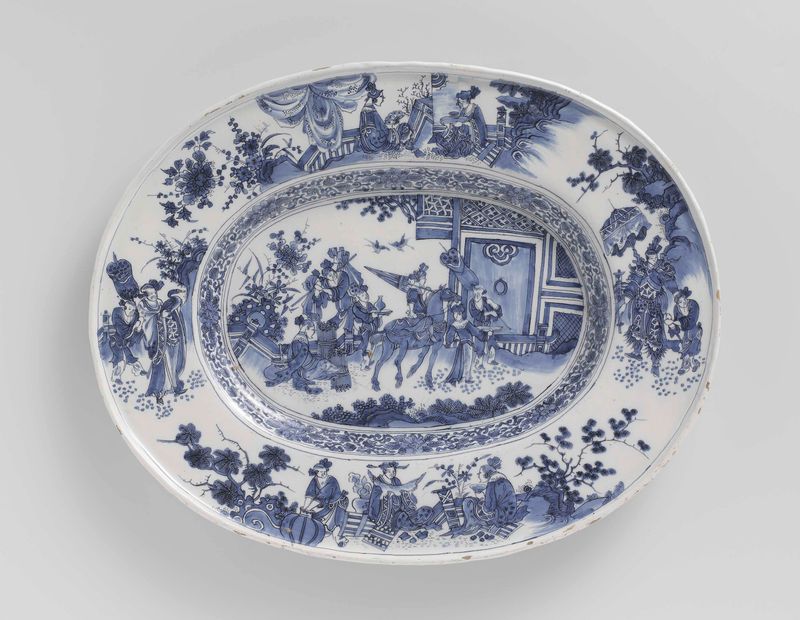
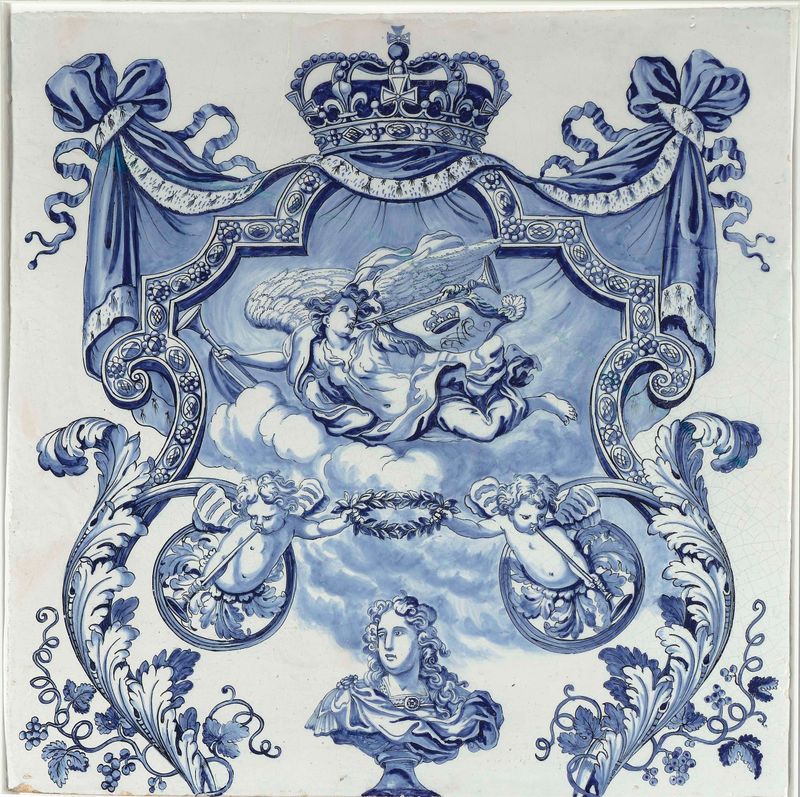
In this work, desire breathes life into every intricate detail, weaving a narrative that transcends time and space. Look at the center where the vibrant colors collide, creating a dialogue between the ornate embellishments and the simplicity of the background. Notice the delicate interplay of light and shadow, each stroke meticulously placed to evoke texture and depth. The composition speaks of harmony, yet the tension in the color choices hints at an underlying yearning, enriching the visual experience with an emotional resonance. Delve deeper into the delicate patterns that adorn the surface.
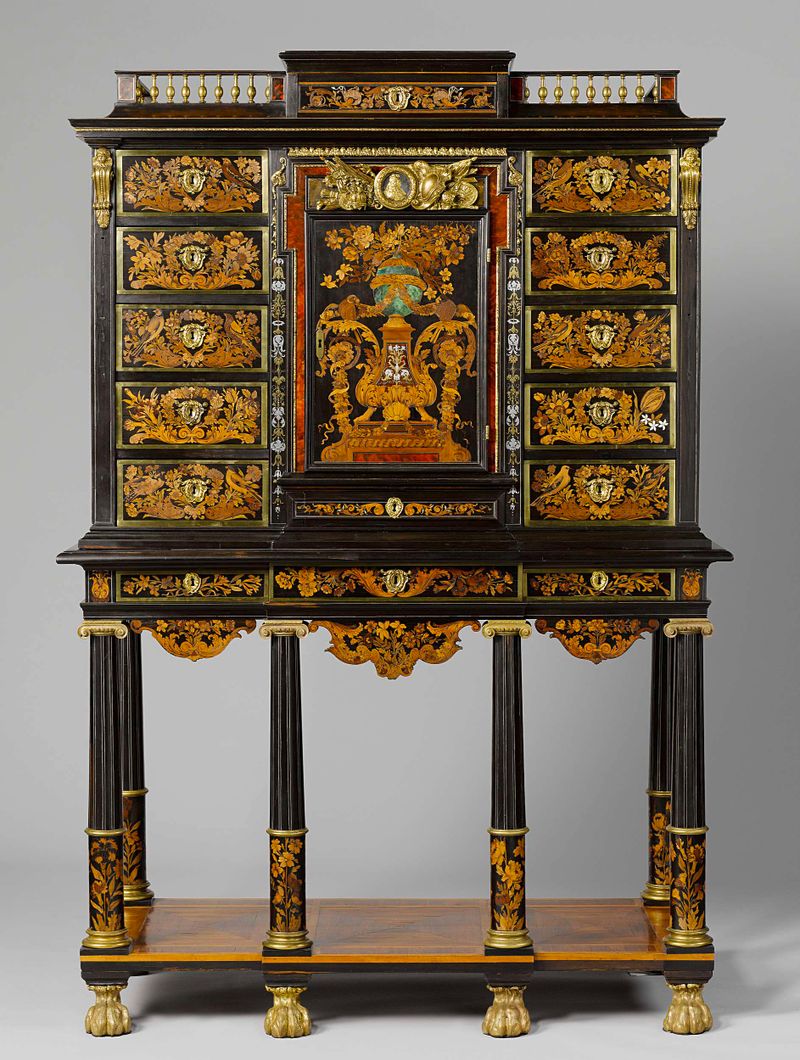
Each motif carries a story, a whisper of longing that pulses beneath the surface of its decorative elegance. The contrasting elements—rich hues against muted tones—invite the viewer to explore the complexity of desire, where beauty is both celebrated and unattainable. These small details reveal the artist's intent: to capture the essence of human longing, a universal and timeless emotion. During the late 17th century, the artist worked in an era marked by the flourishing of decorative arts and design.
This period, between 1685 and 1690, was characterized by an increasing fascination with ornamental creativity. Working in the Netherlands, the artist contributed to a rich tradition of craftsmanship that reflected both personal expression and cultural significance amid evolving tastes in art.