
Delft — History & Facts
What if silence could speak through light? In Delft, tranquility emerges as a palpable presence, inviting us to listen to the whispers of its serene landscape. Look to the foreground, where delicate brushstrokes form a still canal, reflecting a soft blue sky. Notice how the muted tones of the buildings rise gently from the water's edge, their intricate details rendered with precision. As you scan upward, the painting’s horizon opens, revealing a gradual gradient from azure to pale gold, suggesting a quiet transition in time.
The composition is balanced, harmonizing the architectural forms with the natural landscape, conveying a sense of peace that is both grounding and uplifting. Delve deeper into the subtle contrasts of this piece — the way the gentle light plays upon the water's surface evokes a sense of fleeting moments captured in stillness. The contrast between the robust structures and the ethereal quality of their reflections speaks to the interplay of permanence and impermanence, a reminder that serenity can exist amidst change. Each brushstroke seems to hold a story, a quiet moment frozen in time, inviting the viewer to pause and reflect on their own experience of tranquility. In 1845, James Holland painted Delft amidst his explorations in the Netherlands, where he found inspiration in its picturesque canals and historic architecture.
This period marked a burgeoning interest in capturing everyday scenes with a focus on natural light and atmosphere. Holland, deeply influenced by the Dutch masters, sought to evoke the beauty of the ordinary, reflecting both the changing dynamics of the art world and his personal journey in landscape painting.
More Artworks by James Holland
Browse all →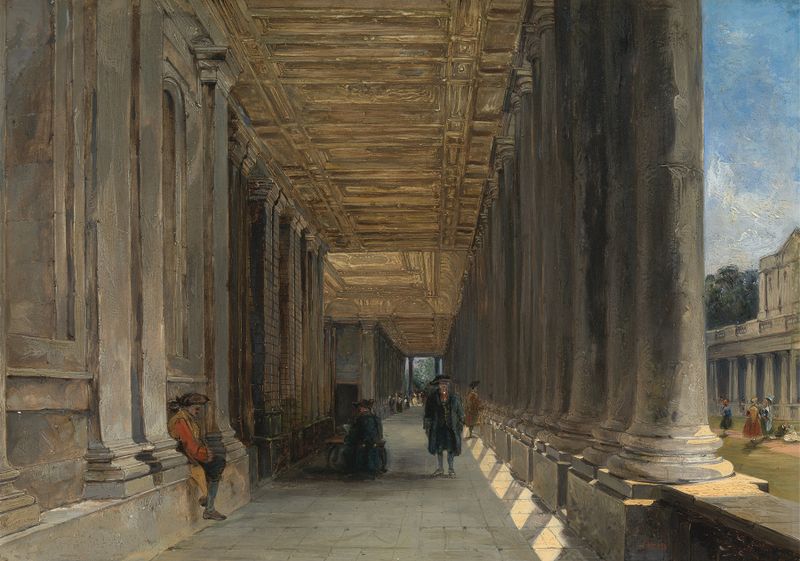
The Colonnade of Queen Mary’s House, Greenwich
James Holland
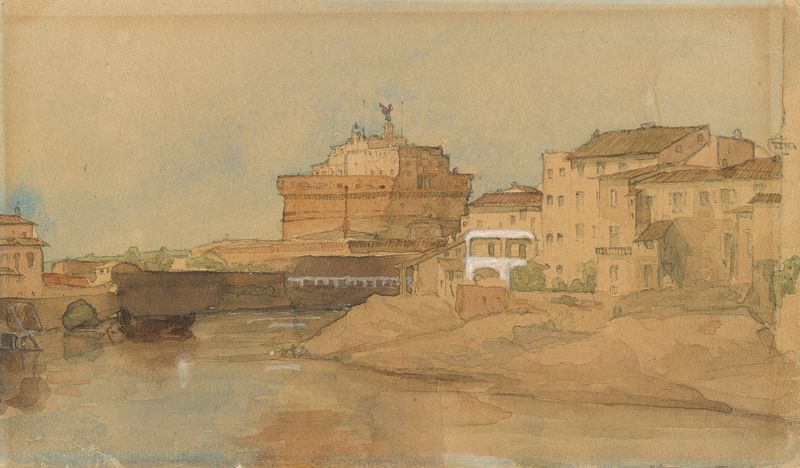
View of Castel Sant’ Angelo from the Tiber
James Holland
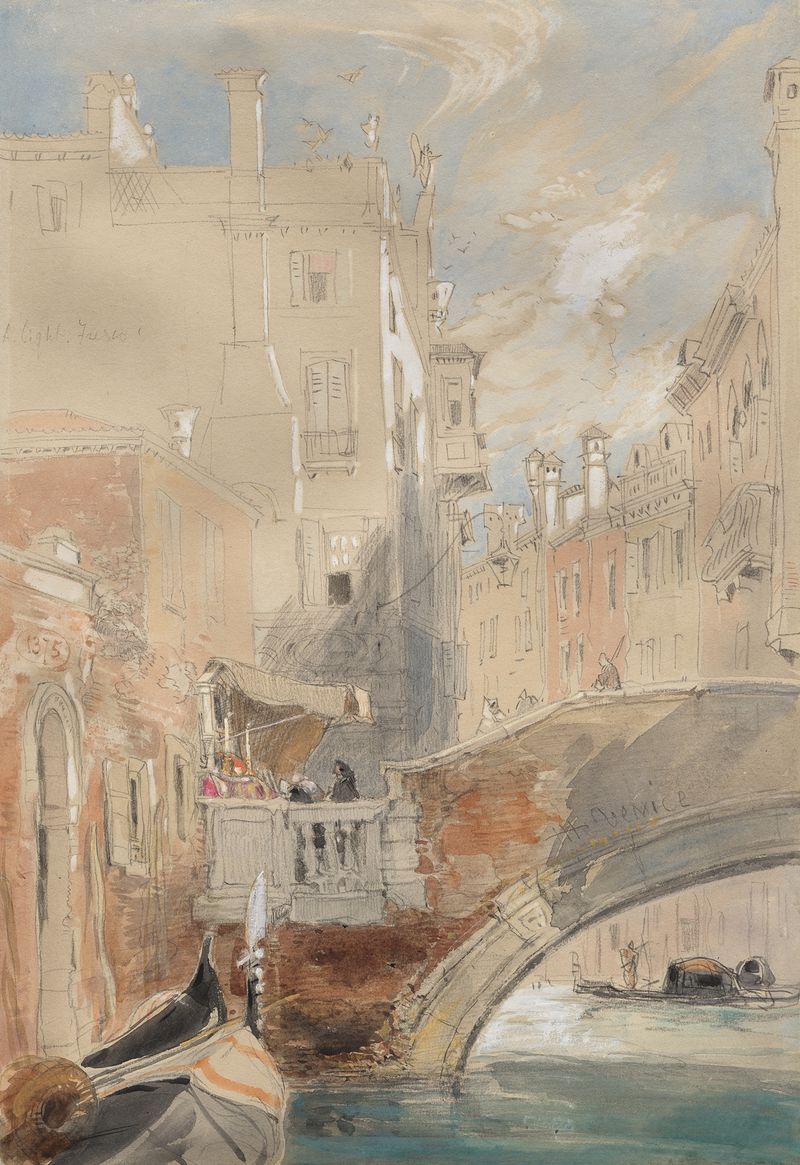
A Canal, Venice
James Holland
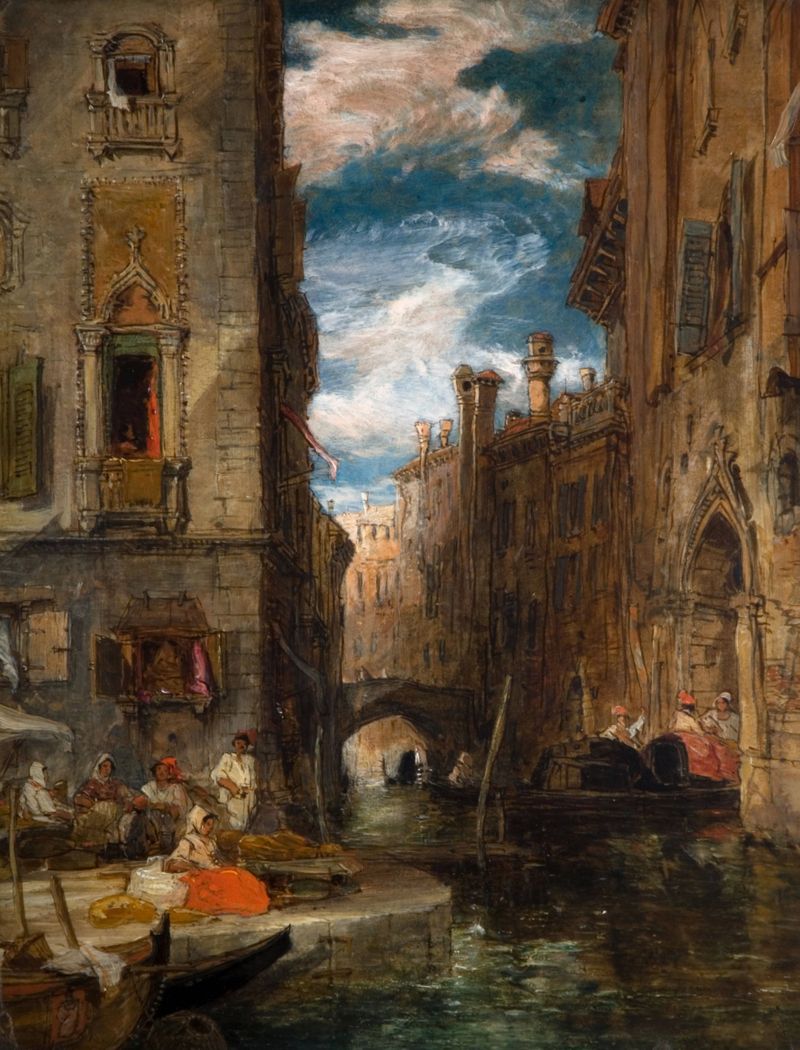
A Recollection Of Venice
James Holland
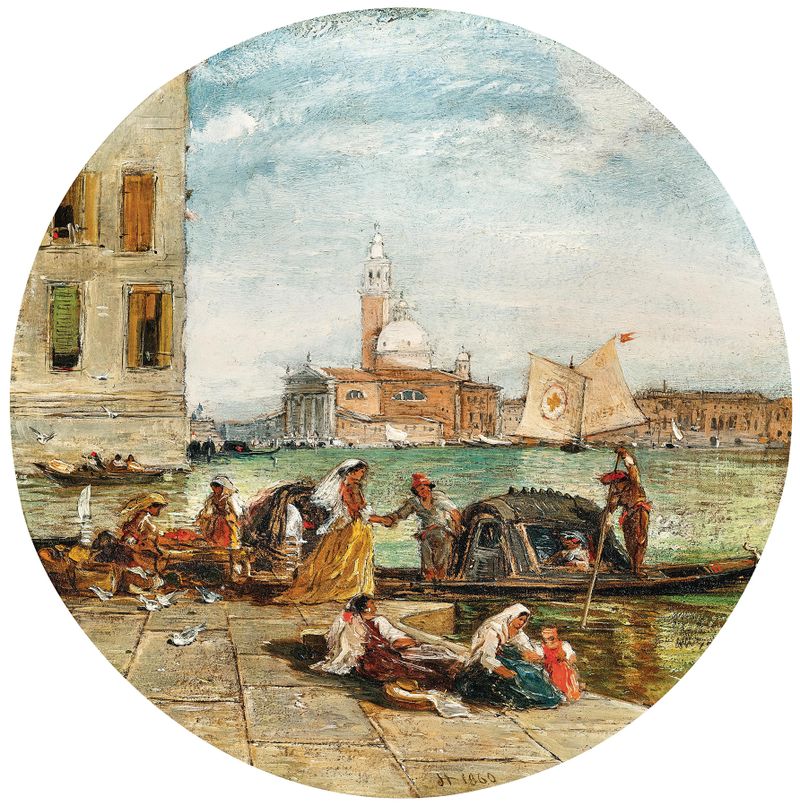
Venice, a view of San Giorgio Maggiore
James Holland
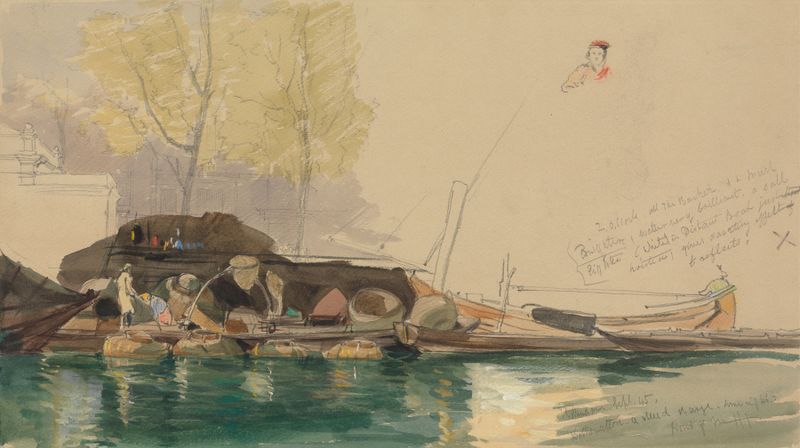
Barges on a Canal in Rotterdam
James Holland

Landschap bij Sintra, Portugal
James Holland
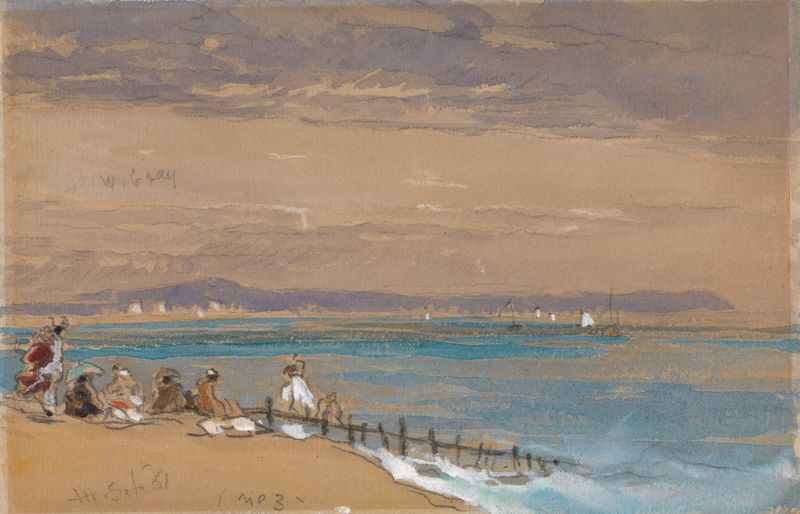
Beach Scene with Figures by a Breakwater
James Holland
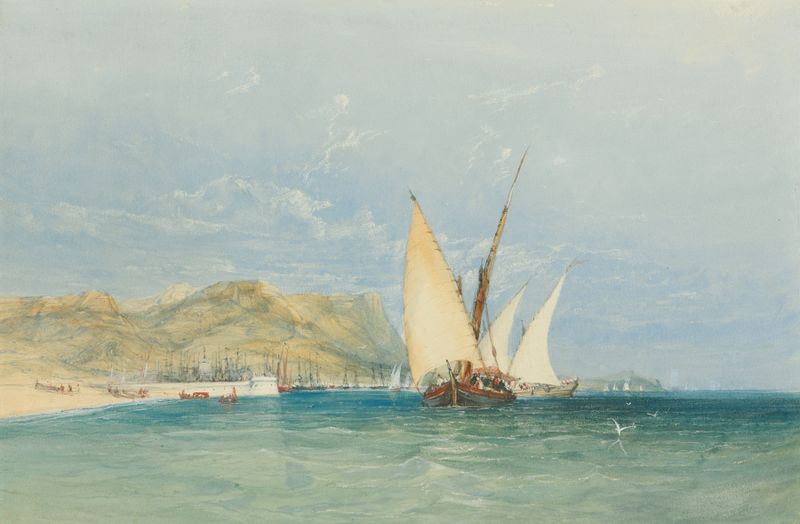
Coast Scene with Sailing Boats
James Holland

The Facade of the Royal Naval College, Greenwich
James Holland





