
The Colonnade of Queen Mary’s House, Greenwich — History & Facts
What secret hides in the quiet of the canvas? The stillness of architecture can conceal a landscape of emotions, truths, and madness waiting to be unveiled. To explore The Colonnade of Queen Mary’s House, Greenwich, look first to the sweeping colonnade on the left, its towering columns standing resolute against the gentle embrace of the afternoon light. Notice how the artist carefully captures the intricate interplay of shadow and sunlight, creating a rhythmic pattern that dances across the surface. The soft hues of the sky, painted in shades of pale blue and warm gold, invite you to linger, while the details of the edifice evoke a sense of quiet reverence, grounding the viewer in a moment suspended in time. Yet beneath this serene façade, hints of tension emerge.
The stark contrast between the solid structure and the ephemeral light reflects a delicate balance of madness and reason, suggesting that within order lies chaos. One can almost hear the echoes of whispers, the ghosts of past inhabitants, and feel the weight of history pressing upon the viewer. The meticulous brushwork implies both stability and fragility, prompting contemplation of the stories that inhabit these walls. James Holland painted this piece in 1833 while residing in England, a period marked by a growing interest in capturing architectural beauty.
Having transitioned from a focus on landscapes, he found his voice in depicting the nuanced interplay of light and structure. This artwork emerges from a time of artistic exploration, as Holland sought to elevate the ordinary into the extraordinary, reflecting the broader shifts within the art world.
More Artworks by James Holland
Browse all →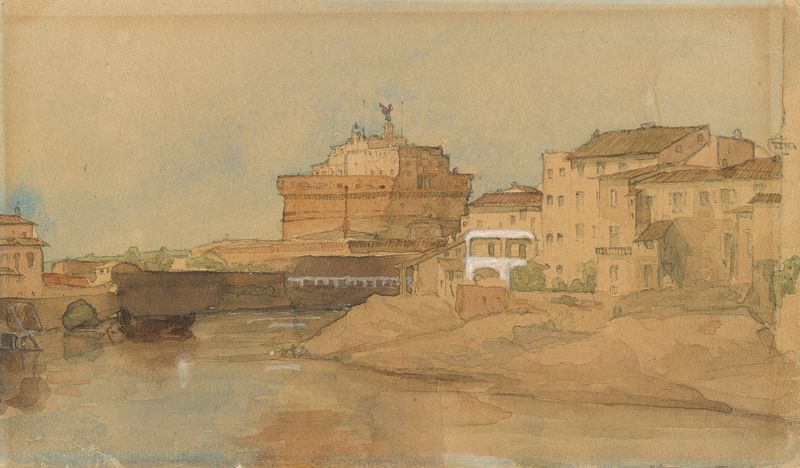
View of Castel Sant’ Angelo from the Tiber
James Holland
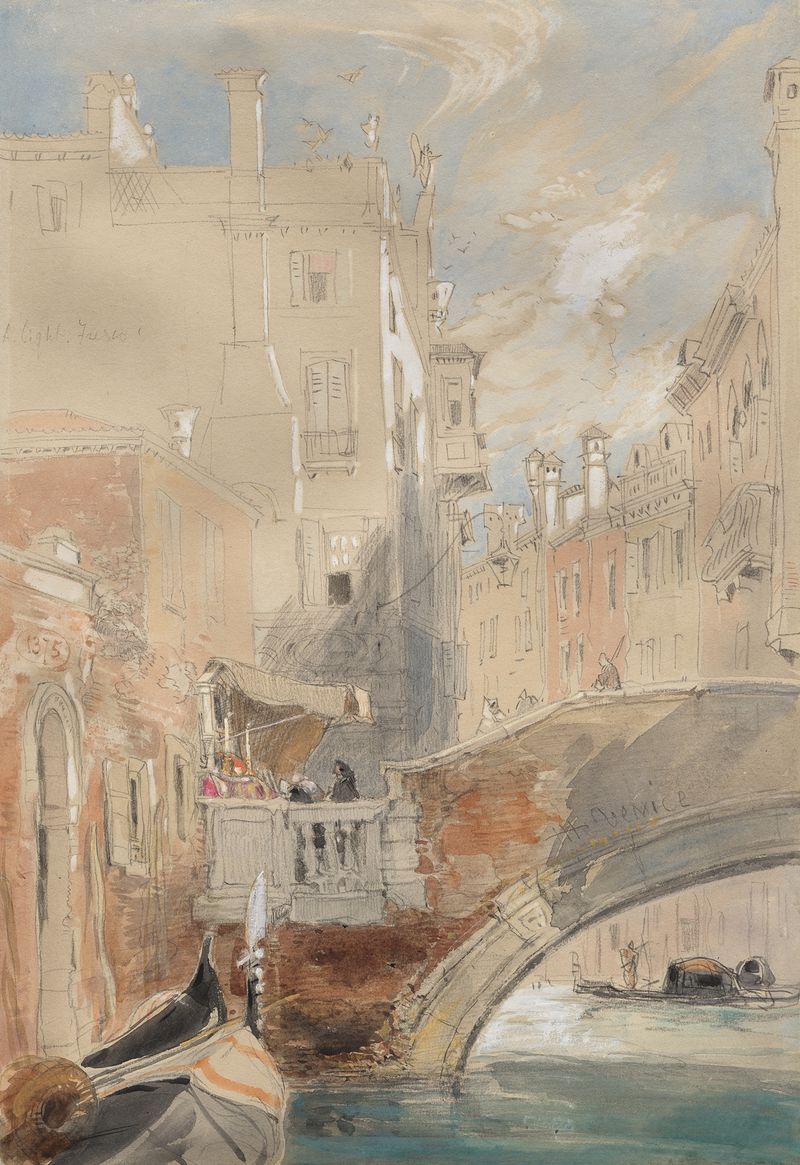
A Canal, Venice
James Holland
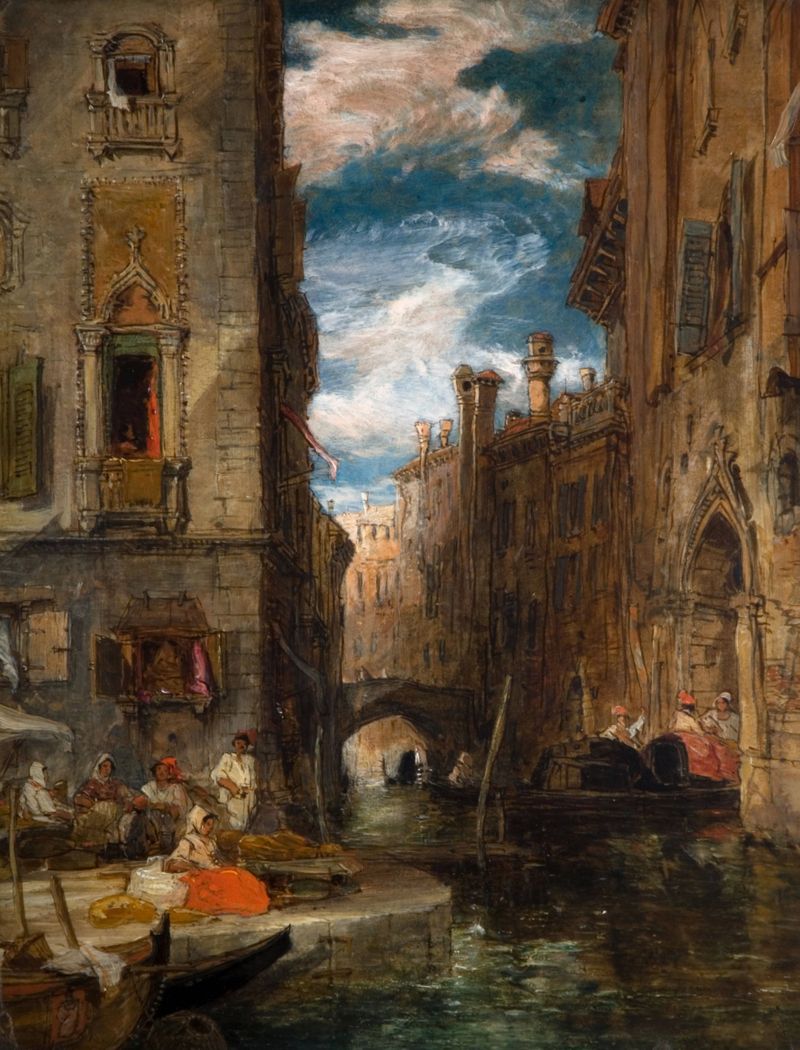
A Recollection Of Venice
James Holland
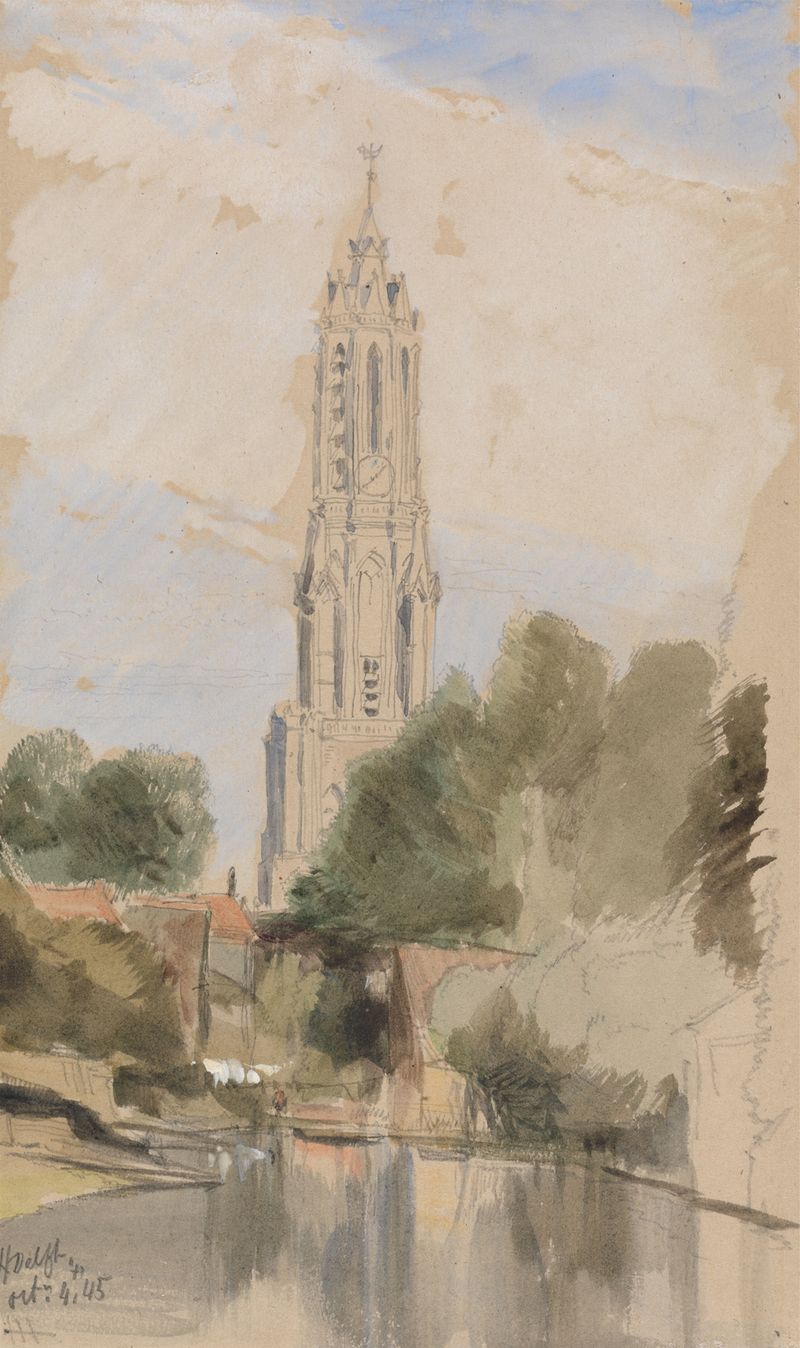
Delft
James Holland
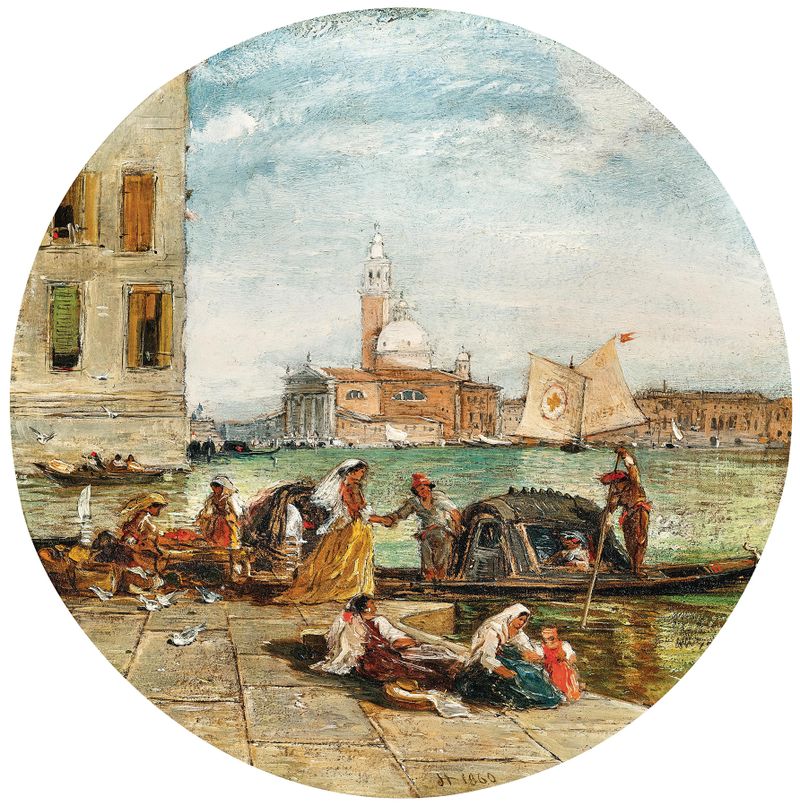
Venice, a view of San Giorgio Maggiore
James Holland
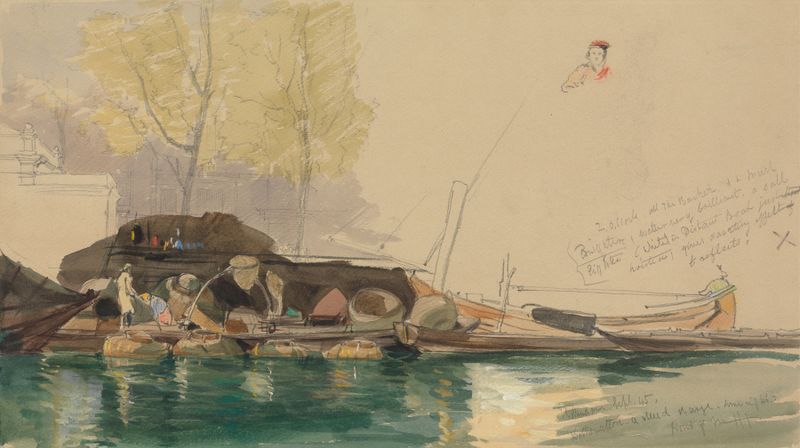
Barges on a Canal in Rotterdam
James Holland

Landschap bij Sintra, Portugal
James Holland
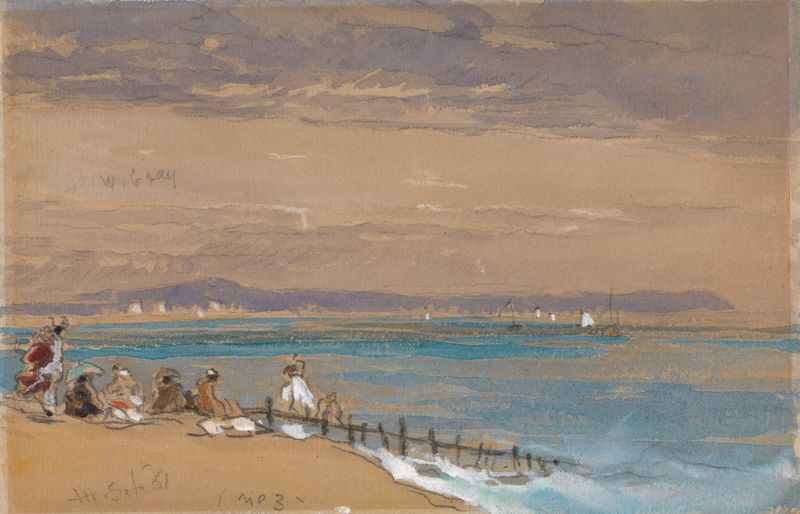
Beach Scene with Figures by a Breakwater
James Holland
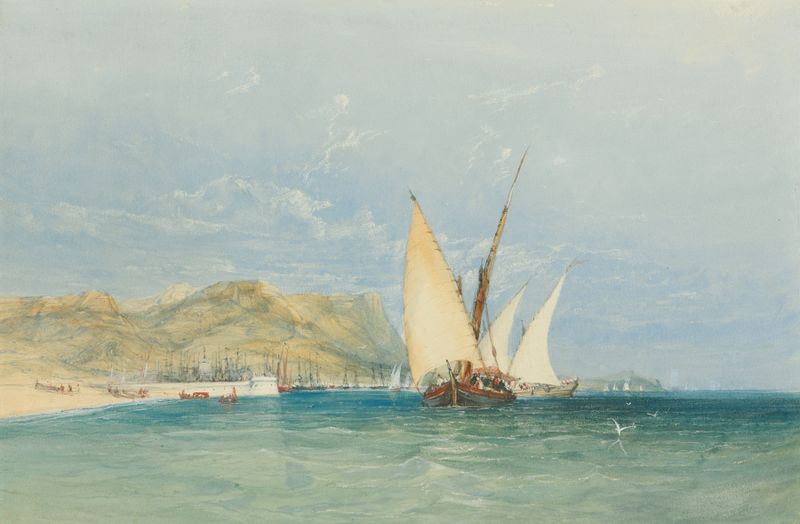
Coast Scene with Sailing Boats
James Holland

The Facade of the Royal Naval College, Greenwich
James Holland
More Architecture Art
Browse all →
The statue of Liberty
Frédéric Auguste Bartholdi

View of Houses in Delft, Known as ‘The Little Street’
Johannes Vermeer

View of Houses in Delft, Known as ‘The Little Street’
Johannes Vermeer

The Cathedral in Rouen. The portal, Grey Weather
Claude Monet

The yellow house
Vincent van Gogh

The Church in Auvers-sur-Oise, View from the Chevet
Vincent van Gogh