
Landschap bij Sintra, Portugal — History & Facts
Can paint confess what words never could? In Landschap bij Sintra, Portugal, the brush speaks a language of illusion, inviting us to experience a world where nature's beauty transcends verbal expression. Look to the left at the rolling hills bathed in vibrant greens and soft browns, their gentle curves almost inviting you to step into the scene. Notice how the light filters through the trees, creating a dappled effect that brings the foliage to life. The meticulous attention to detail in the foliage contrasts subtly with the fluidity of the landscape, drawing the eye toward the distant mountains that loom like silent guardians in the background.
The artist’s choice of colors evokes a sense of warmth and tranquility, enveloping the viewer in the serene atmosphere of a quiet moment in nature. Yet, beneath this picturesque façade lies an emotional tension. The lushness of the landscape speaks of abundance, while the shadowed areas hint at the inevitability of time passing and change. This balance between light and dark creates a sense of bittersweet beauty, echoing the transient nature of life itself.
The illusion of perfection in the scene is simultaneously comforting and haunting, reminding us that even the most idyllic moments are fleeting. James Holland painted this work in 1837 while living in the picturesque town of Sintra, Portugal, a region celebrated for its lush landscapes. At this time, Holland was deeply involved in the Romantic movement, which emphasized a connection to nature and the emotive power of scenery. His experiences in this vibrant locale influenced his artistic vision, as he sought to capture not just the physical beauty around him, but also the emotional resonance it inspired.
More Artworks by James Holland
Browse all →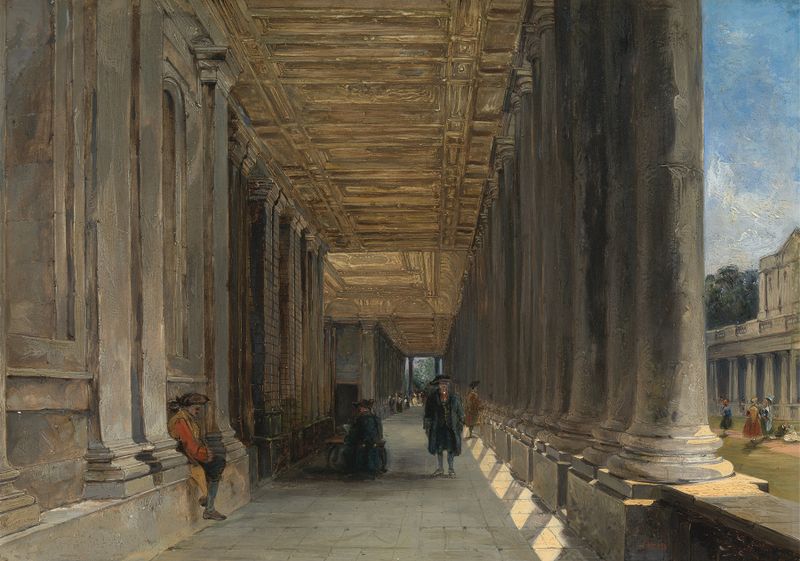
The Colonnade of Queen Mary’s House, Greenwich
James Holland
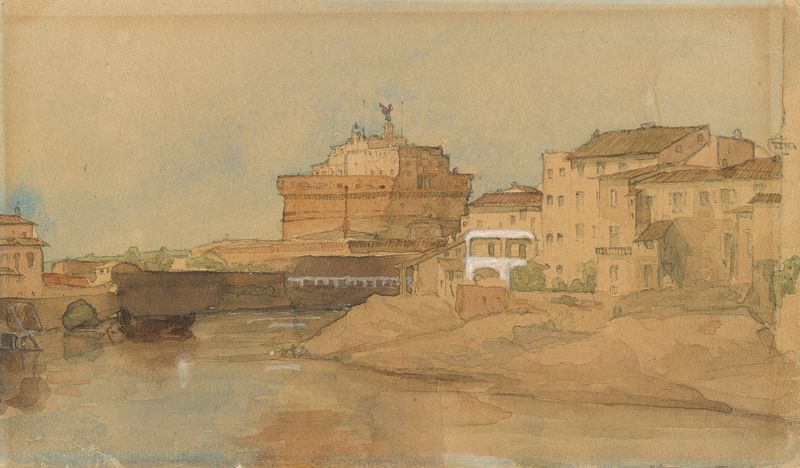
View of Castel Sant’ Angelo from the Tiber
James Holland
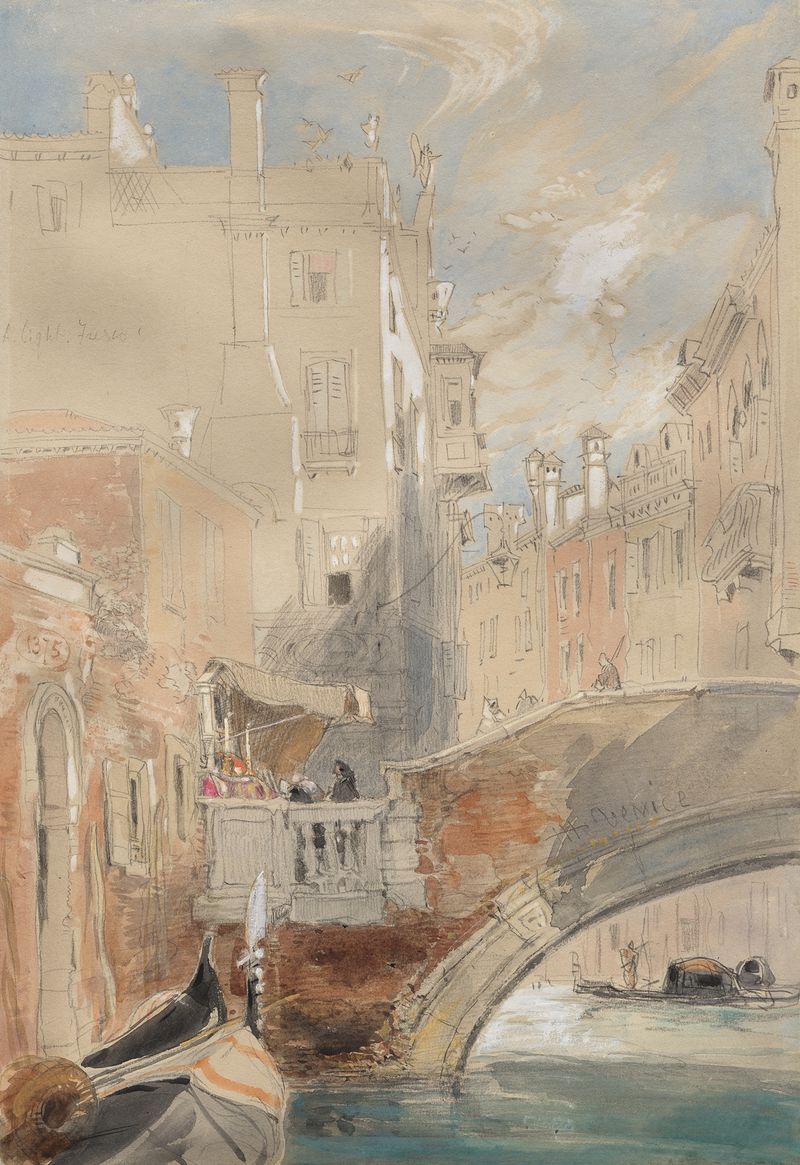
A Canal, Venice
James Holland
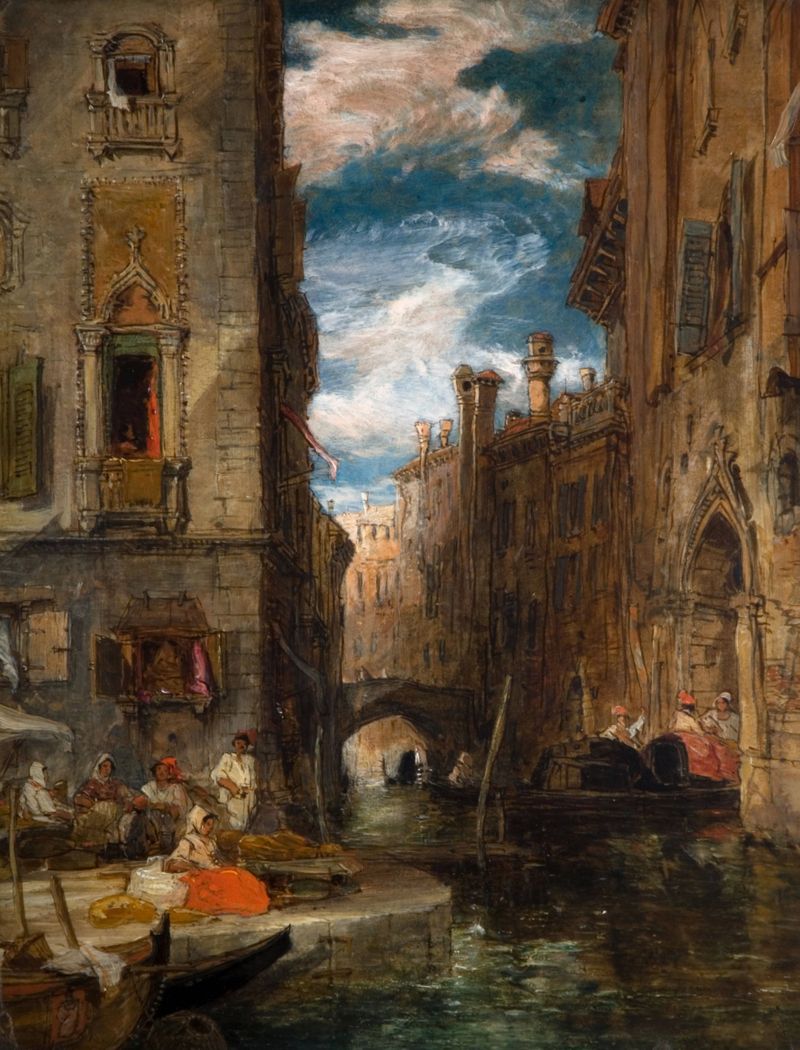
A Recollection Of Venice
James Holland
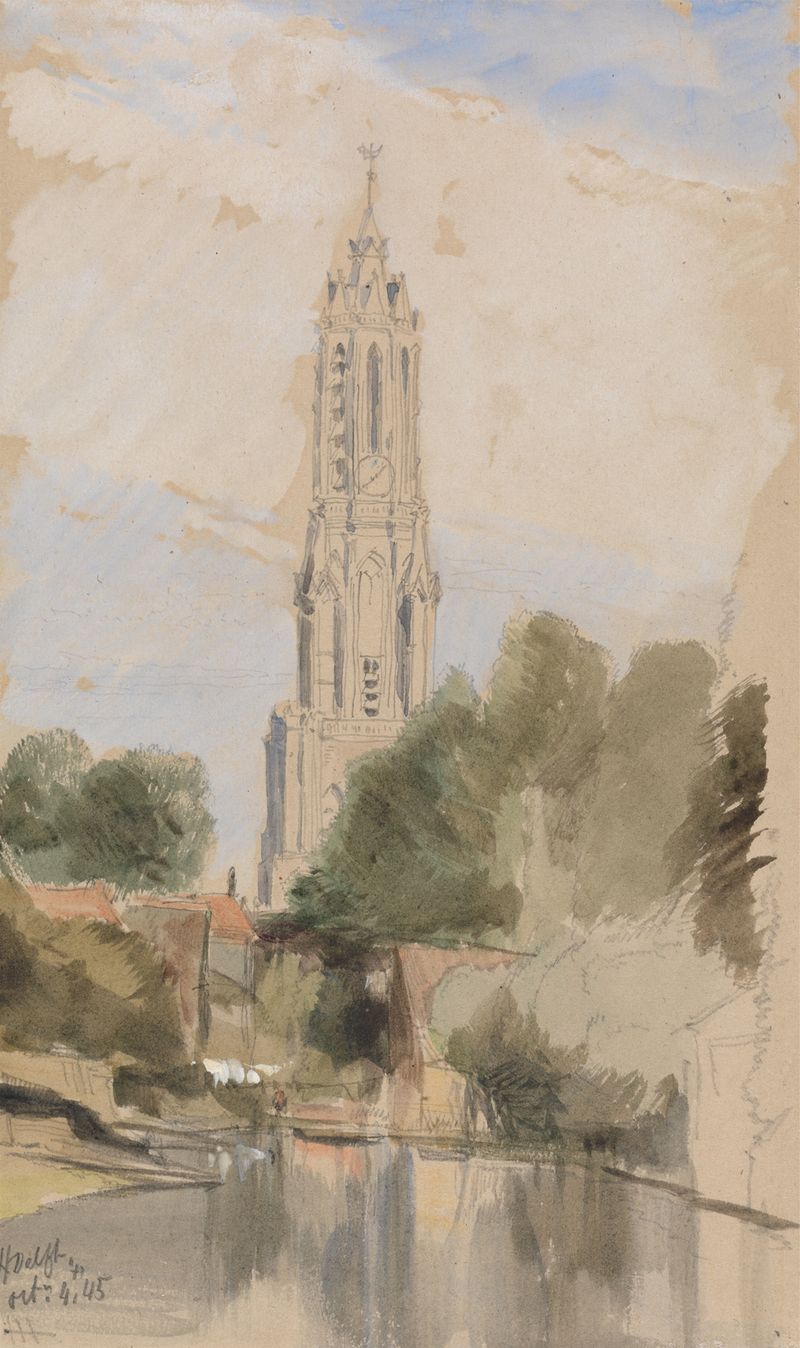
Delft
James Holland
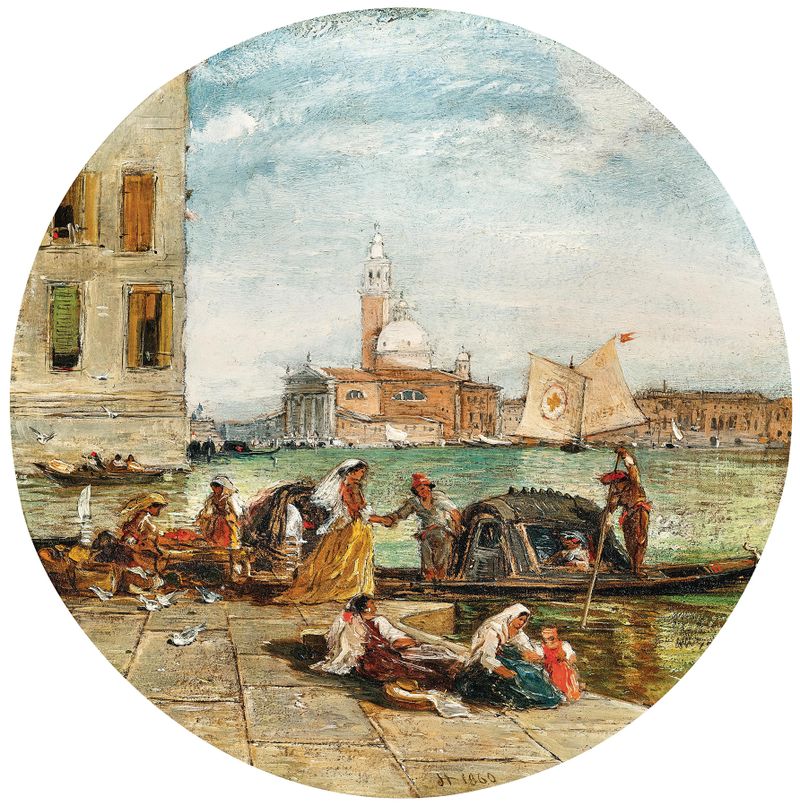
Venice, a view of San Giorgio Maggiore
James Holland
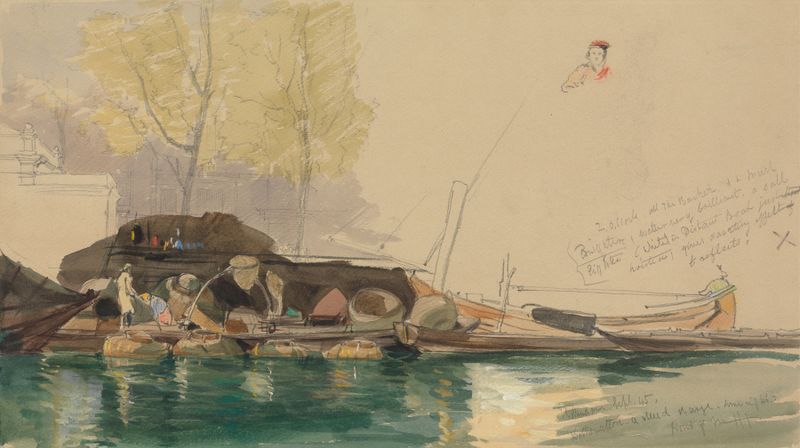
Barges on a Canal in Rotterdam
James Holland
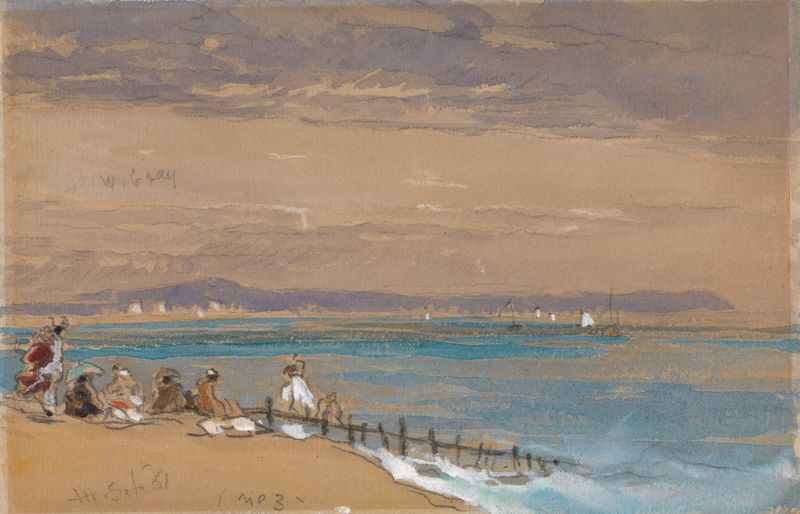
Beach Scene with Figures by a Breakwater
James Holland
Coast Scene with Sailing Boats
James Holland

The Facade of the Royal Naval College, Greenwich
James Holland





