
Der Dreifaltigkeitshof in Wien — History & Facts
In the stillness of Der Dreifaltigkeitshof in Wien, a moment of awakening unfolds; the vibrant colors and intricate details beckon us to pause and reflect. Look to the left at the soaring architecture, where the warm glow of sunlight bathes the stone façade, bringing it to life. The artist employs a palette of soft pastels, intermingled with vivid hues, creating an inviting atmosphere that contrasts sharply with the cool shadows lurking in the alleys. Notice how the delicate brushstrokes evoke a sense of movement, as though the buildings themselves breathe, echoing the life of the city within their walls. Yet beneath the surface serenity lies a deeper tension.
The figures scattered throughout—the passersby and their entwined destinies—suggest stories untold, hinting at the interplay of solitude and community in urban life. The contrast between the bustling square and the quiet corners reflects an internal dichotomy, capturing the essence of Vienna in the early 20th century, where modernity and tradition coexisted in fragile harmony. Fischer painted this work in 1901, during a period of artistic innovation and dynamic change in Austria. As the Vienna Secession movement gained momentum, he found himself at the crossroads of tradition and modernity, responding to the evolving cultural landscape.
This piece not only reflects his mastery of light and color but also serves as a testament to the city’s spirit, capturing an era on the cusp of transformation.
More Artworks by Ludwig Hans Fischer
Browse all →
Dar el Ber, Tunis
Ludwig Hans Fischer

Die Riva schiavoni in Venedig
Ludwig Hans Fischer
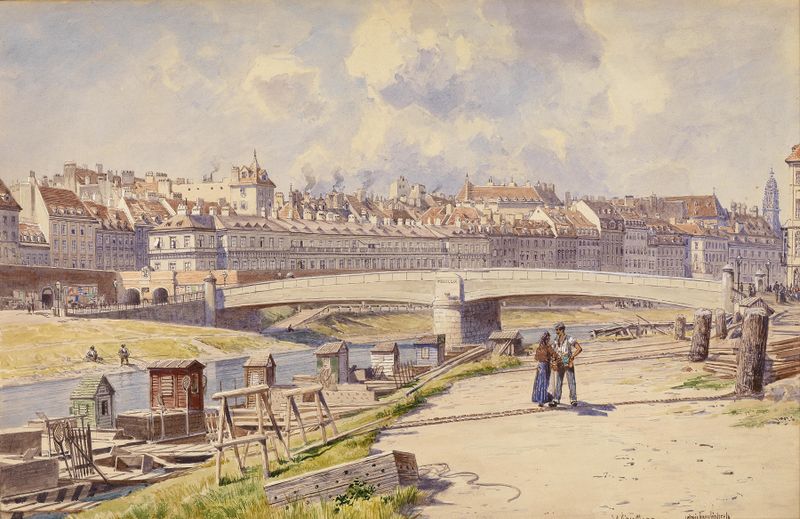
Fischerboote am Donaukanal Wien
Ludwig Hans Fischer
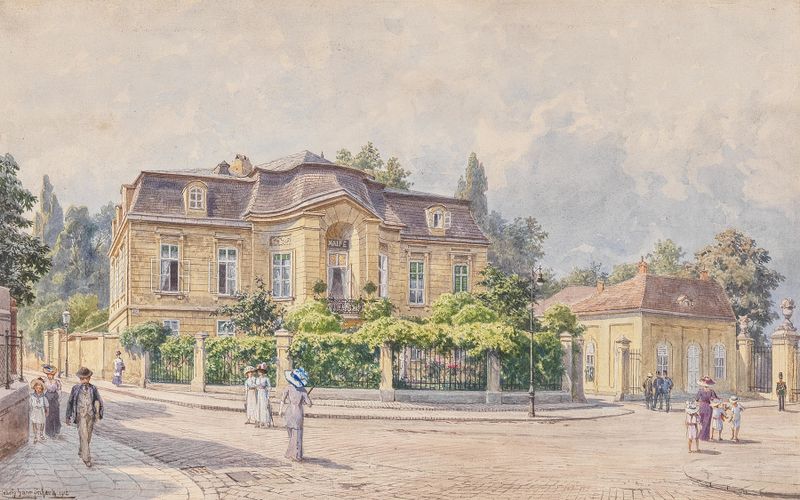
Villa am Meidlinger Tor zum Schönbrunner Schlosspark
Ludwig Hans Fischer
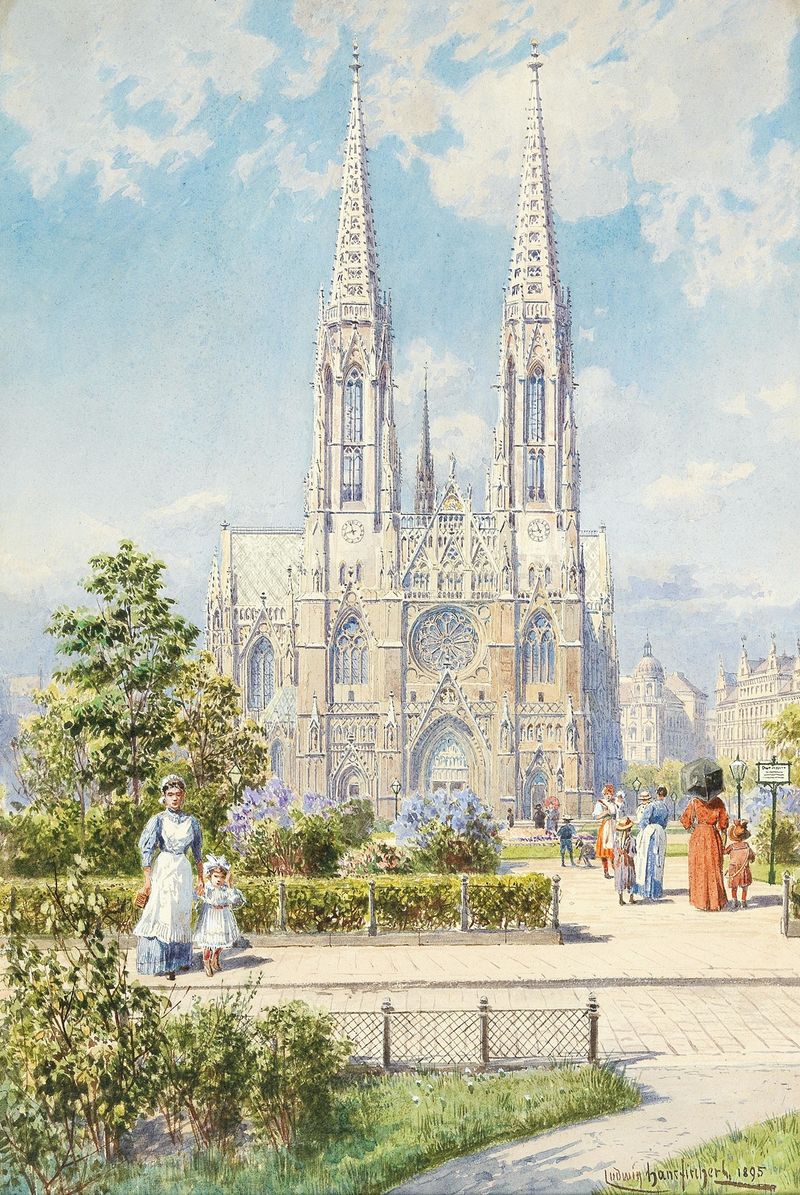
A sunny day near Votivkirche
Ludwig Hans Fischer
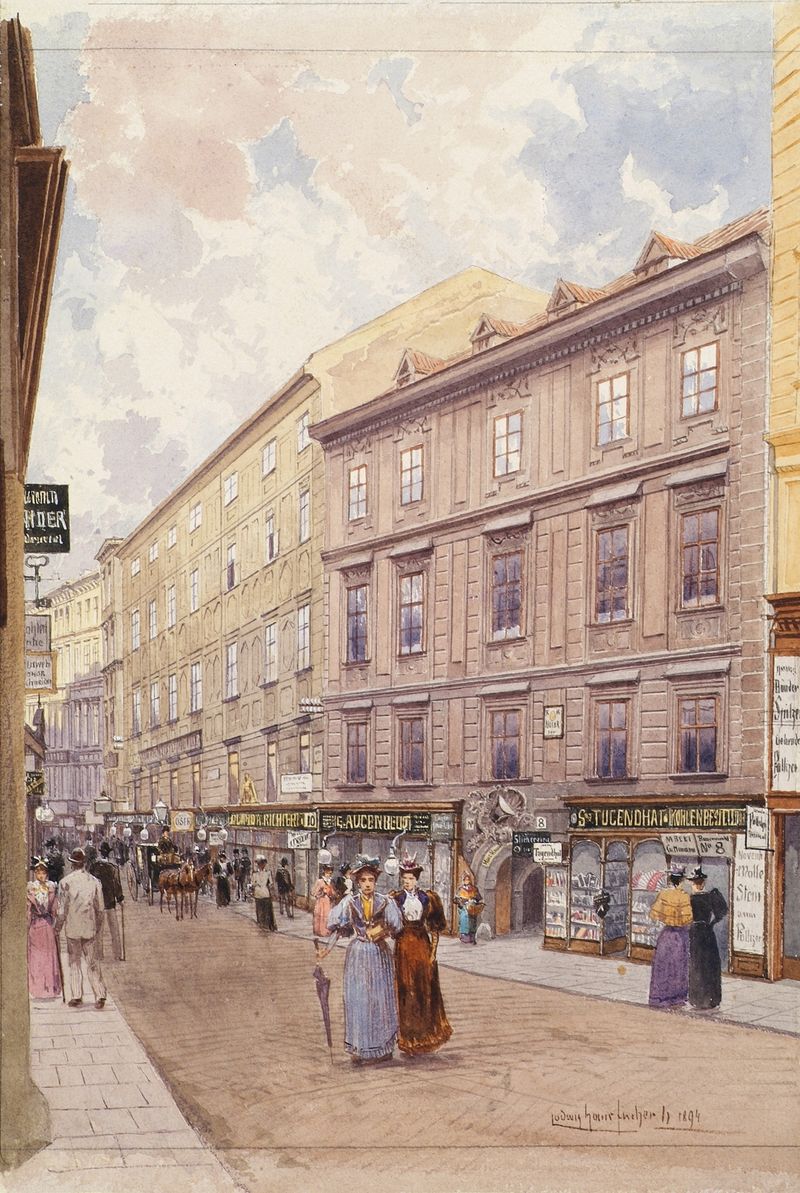
Der Bauernmarkt in Wien
Ludwig Hans Fischer
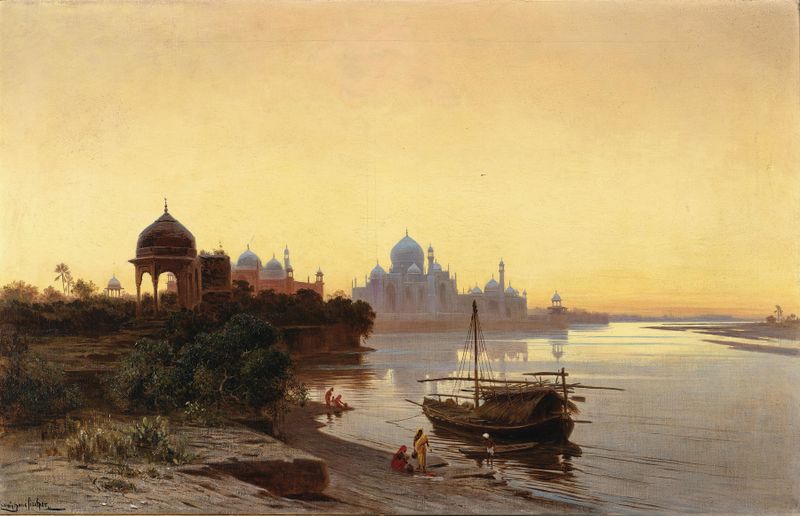
India, Taj Mahal at Dusk
Ludwig Hans Fischer

Jagdschlössl im herbstlichen Sonnenlicht
Ludwig Hans Fischer
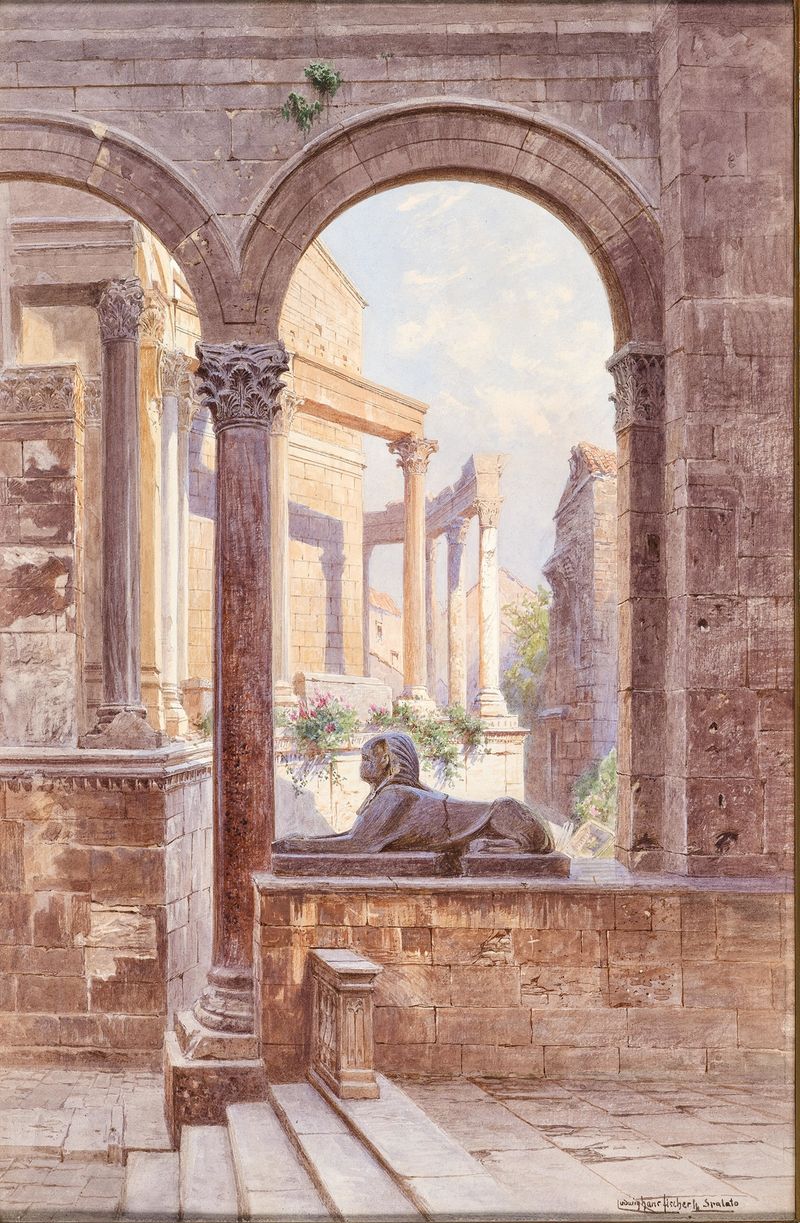
A view of Diocletian’s Palace in Split
Ludwig Hans Fischer
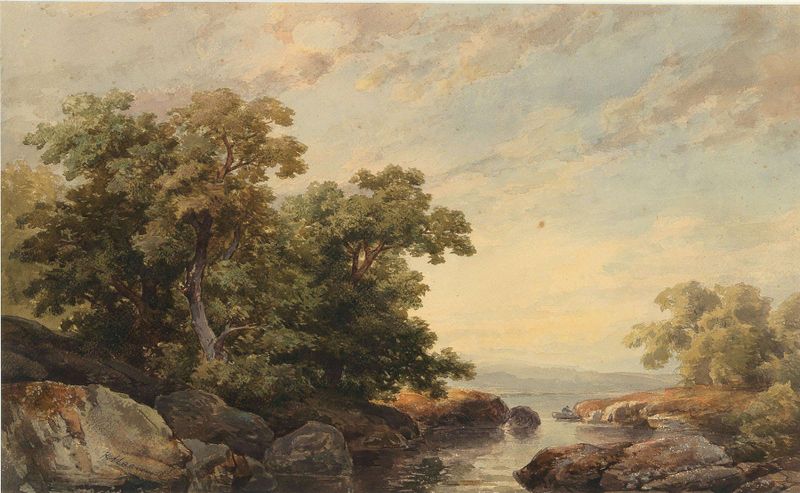
A lakeshore in the evening
Ludwig Hans Fischer
More Architecture Art
Browse all →
The statue of Liberty
Frédéric Auguste Bartholdi

View of Houses in Delft, Known as ‘The Little Street’
Johannes Vermeer

View of Houses in Delft, Known as ‘The Little Street’
Johannes Vermeer

The Cathedral in Rouen. The portal, Grey Weather
Claude Monet

The yellow house
Vincent van Gogh

The Church in Auvers-sur-Oise, View from the Chevet
Vincent van Gogh