Der Englische Garten in München — History & Facts
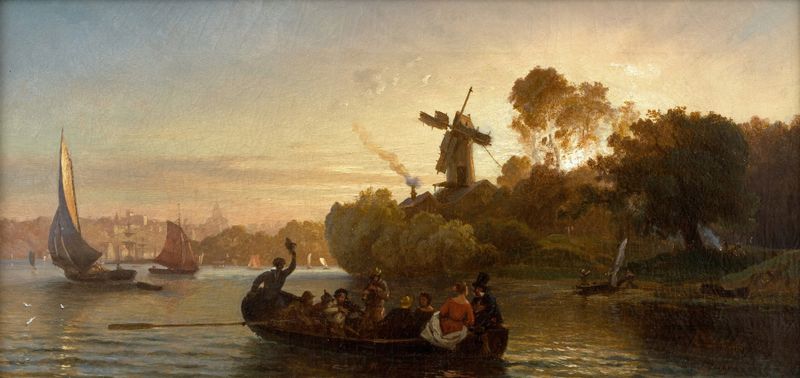
When did color learn to lie? The vibrant hues of Der Englische Garten in München beckon us into a world alive with obsession, yet concealing the intricacies of the human experience beneath its surface. Look closely at the vivid greens and soft pastels that saturate the scene. The brushwork is fluid, with dashes of sunlight filtering through the trees, animating the lush landscape. Notice how the path meanders through the garden, inviting the viewer to wander deeper into this serene setting.
Each brushstroke captures the delicate balance between nature and human intervention, echoing a tranquil yet complex relationship. Beneath the surface beauty lies a tension between order and chaos. The careful arrangement of flora reflects humanity's desire for control over nature, while the unfurling leaves and wildflowers suggest an inherent wildness that cannot be tamed. This duality creates an emotional resonance, prompting reflection on our own obsessions — the yearning for perfection against the backdrop of nature's unpredictable rhythm. In 1856, Ludwig Meixner painted this enchanting vision while living in Munich, a time when Romanticism was in full bloom throughout Europe.
The art world was evolving, influenced by the burgeoning interest in landscapes that conveyed emotion and personal connection. As Meixner navigated these artistic currents, he infused his work with a unique sensibility that captured both the beauty and the tumult of the natural world, making this piece a poignant reflection of its time.