Der Hain der Egeria bei Rom — History & Facts
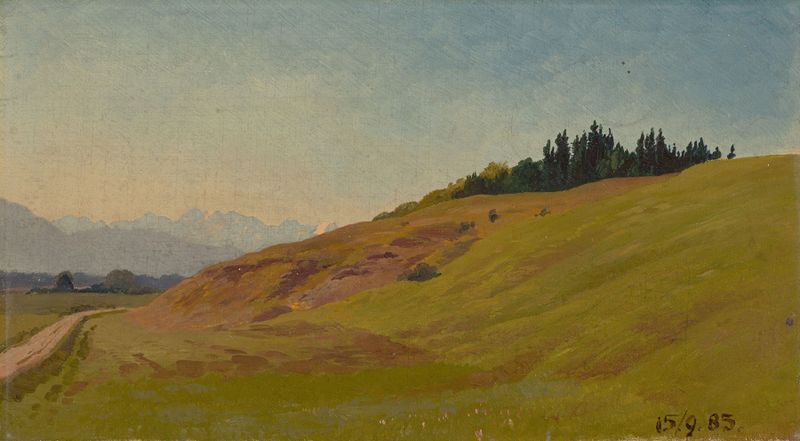
In the realm of art, it is often the unspoken elements that whisper the loudest truths about our destinies. This captivating piece invites us to explore the delicate interplay between nature’s vibrant hues and the tranquil depths of stillness. Focus first on the verdant greens that dominate the canvas, expertly layered to create a lush, inviting depth. Notice how the dappled sunlight, rendered with soft brushstrokes, filters through the leaves, illuminating the path with a golden glow.
The composition draws your eye towards the serene water that mirrors the surrounding flora, establishing a harmonious dialogue between nature and reflection. Mohn’s careful use of color contrasts—the deep shadows against bright highlights—evokes both warmth and a contemplative serenity. Digging deeper, the scene speaks to the profound connections between humanity and nature. The juxtaposition of vibrant life against the tranquility of the water suggests a moment suspended in time, a reminder of the transient beauty that surrounds us.
Subtle details, like the ripples in the pond and the flutter of leaves, hint at unseen forces at play, serving as a metaphor for destiny’s gentle nudges guiding us along our paths. Each element, from the swaying branches to the still water, narrates a story of balance and introspection. During a time when the art world was undergoing transformations in the late 19th century, the artist was immersed in the exploration of Impressionism. Living in the cultural richness of Rome, Mohn was inspired by the landscapes surrounding him.
This painting emerged from a period of deep personal reflection amidst the philosophical currents that questioned the very essence of existence and our place within it, reinforcing the timeless connection between nature and human experience.