
Der Industrielle Johann Nepomuk Reithoffer — History & Facts
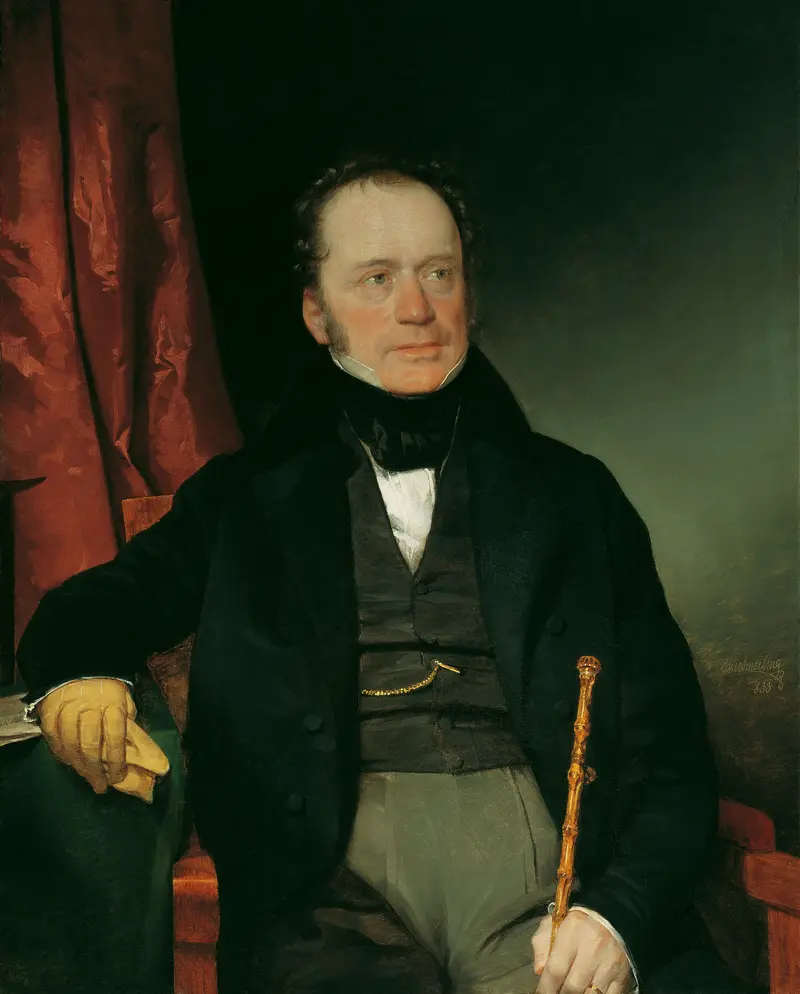
In Der Industrielle Johann Nepomuk Reithoffer, the viewer is greeted by a dignified portrait of a man in formal attire. The artist uses a muted color palette dominated by browns, blacks, and soft whites, which conveys a sense of seriousness and professionalism. Reithoffer's expression is calm and contemplative, suggesting a man of intellect and industry.
The background is subtly blurred, focusing attention on the figure and enhancing the sense of depth in the composition. The painting is executed in oil on canvas, a medium that allows for rich textures and detailed brushwork. The artist's technique showcases a high level of realism, with careful attention to the play of light and shadow on Reithoffer's face and clothing. The dimensions are approximately 60 x 80 cm, making it a medium-sized portrait that invites close inspection.
The detailed rendering of fabrics and facial features exemplifies the artist's skill in capturing the essence of his subject. Friedrich von Amerling was a prominent Austrian painter known for his portraits, particularly during the 19th century. This work, created around the 1850s, reflects the Realism movement, focusing on the accurate representation of the subject's character. An interesting fact about this portrait is that Reithoffer was a notable industrialist of his time, and Amerling's choice to depict him in such a formal manner highlights the importance of industry in Austrian society during that era.
The painting is housed in the Belvedere Museum, a testament to its significance in Austrian art history.
More Artworks by Friedrich von Amerling

Portrait Of Joseph Amerling
Friedrich von Amerling
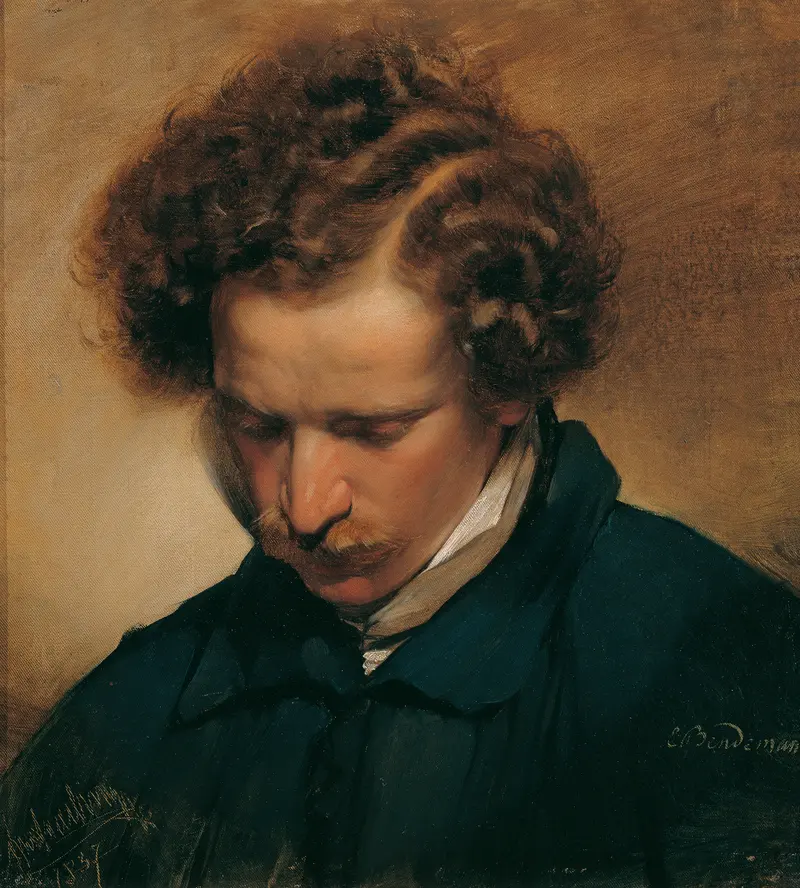
The painter Eduard Bendemann
Friedrich von Amerling

Italienerin (Chiaruccia) Mit Spinnrocken
Friedrich von Amerling
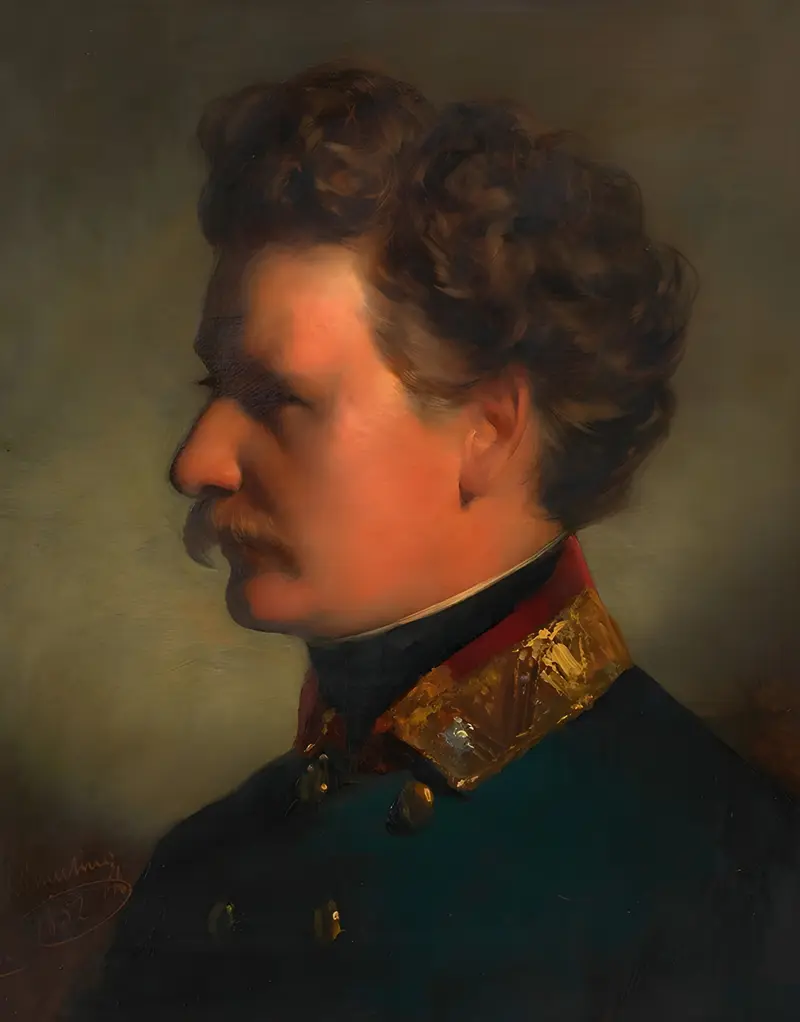
Joseph Georg Amerling als Major (Bruder des Künstlers)
Friedrich von Amerling
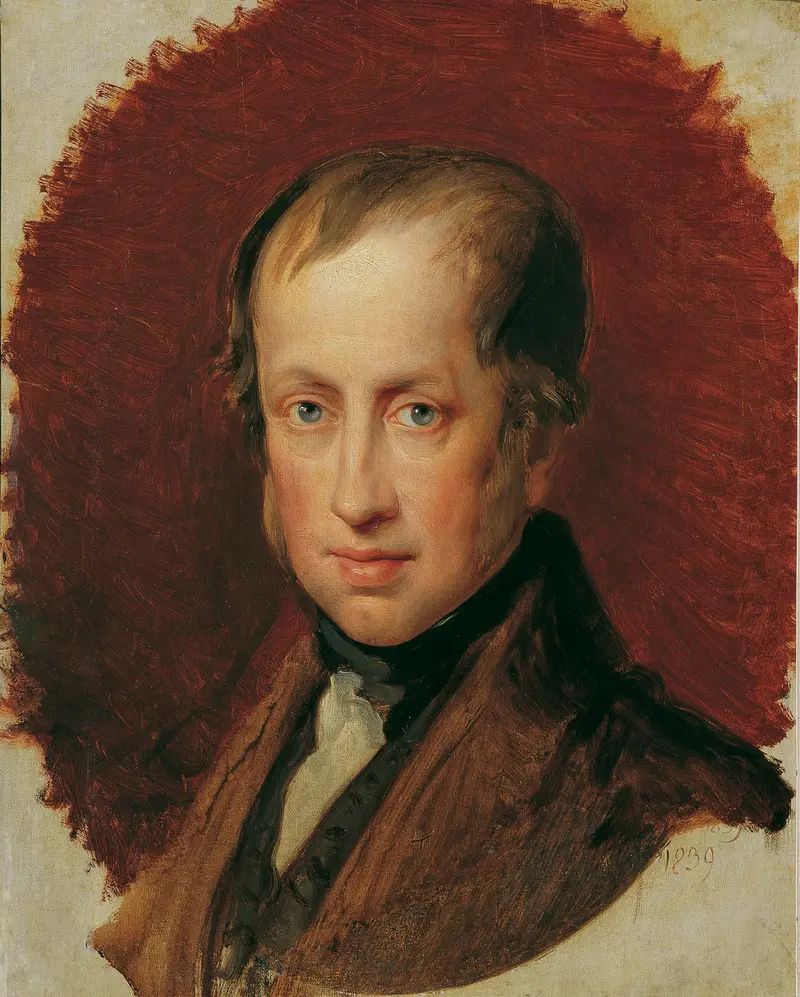
Kaiser Ferdinand I. von Österreich
Friedrich von Amerling
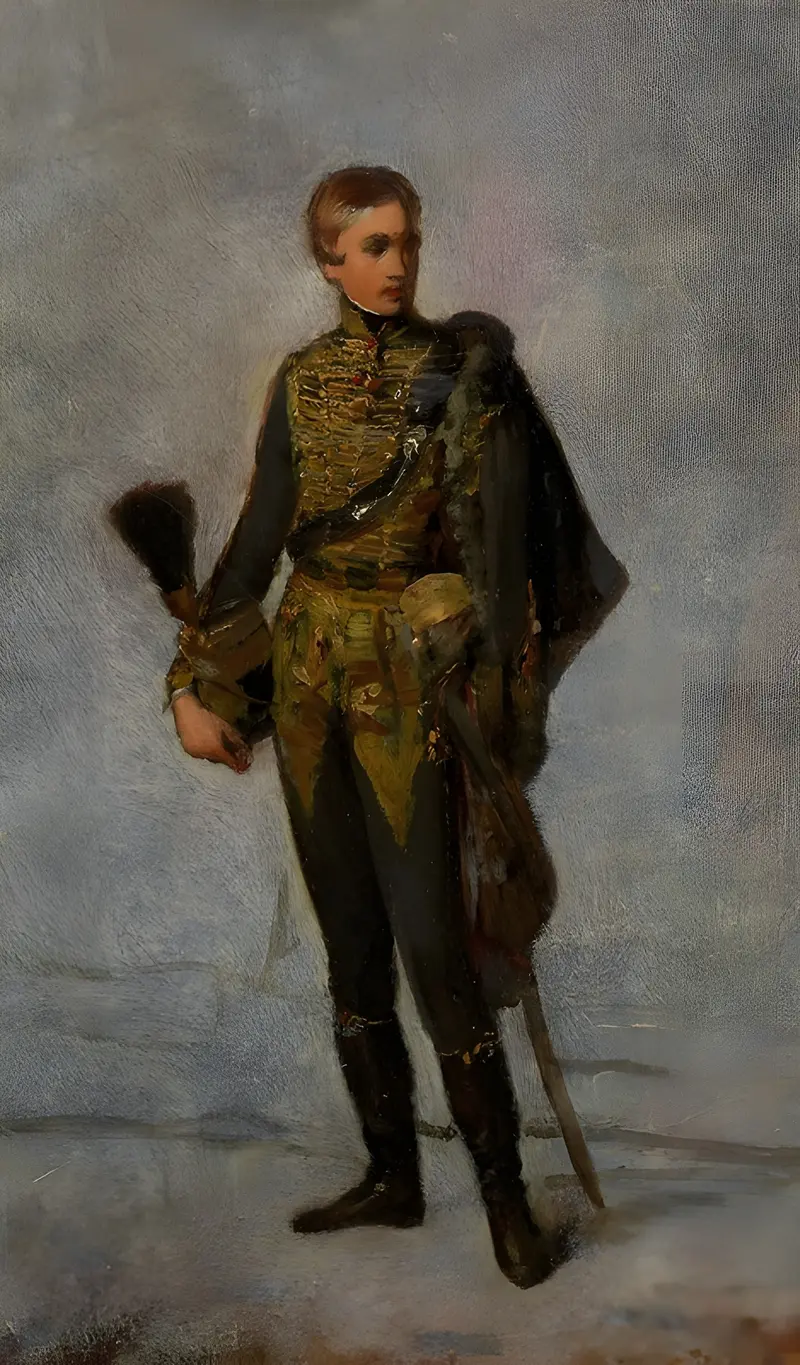
Kaiser Franz Joseph I. als Jüngling in Husarenuniform
Friedrich von Amerling
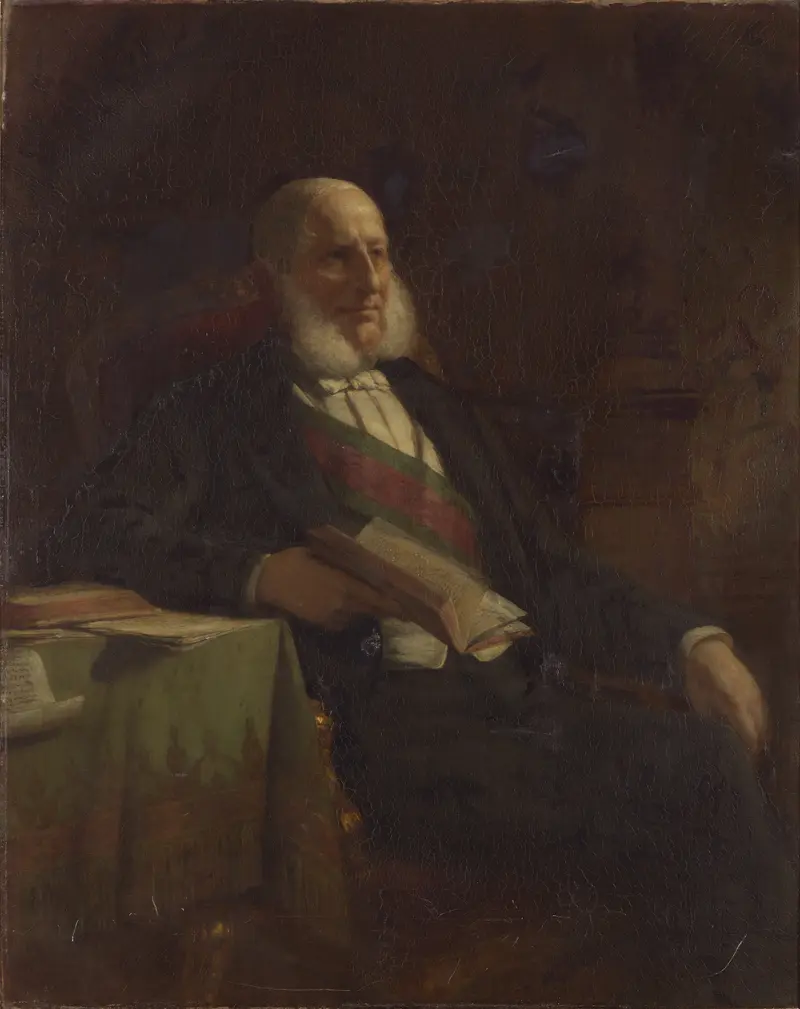
Anton Ritter von Schmerling
Friedrich von Amerling
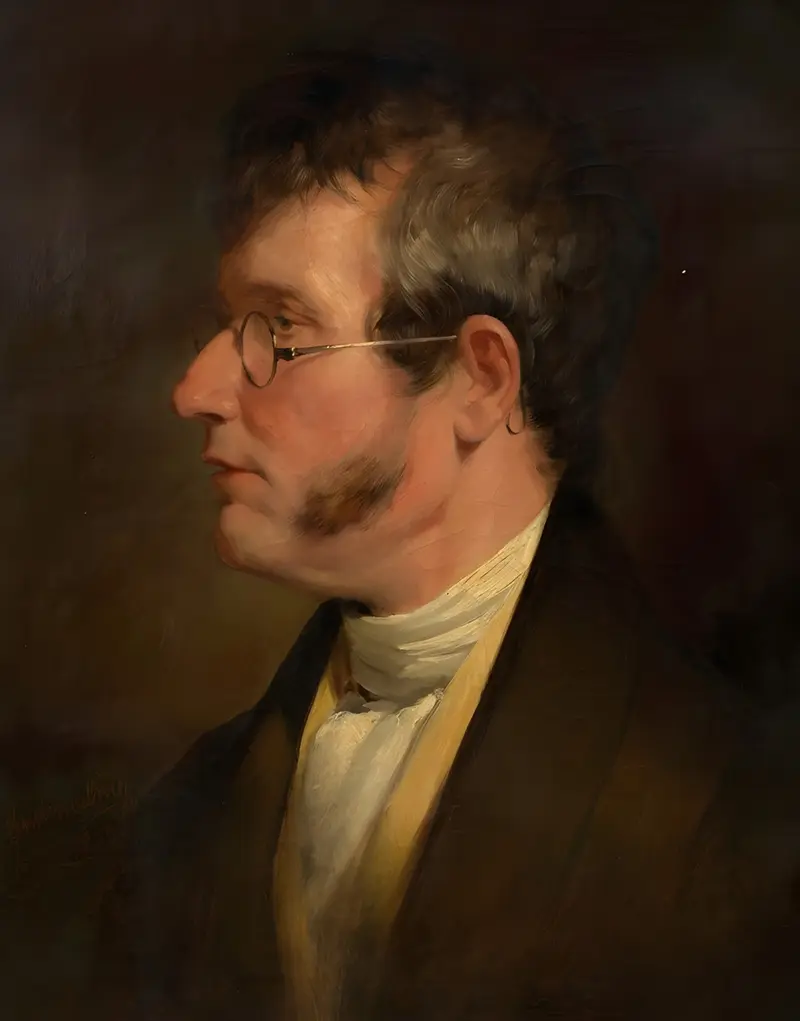
Franz Xaver Amerling (Vater des Künstlers)
Friedrich von Amerling
Graf Breda
Friedrich von Amerling
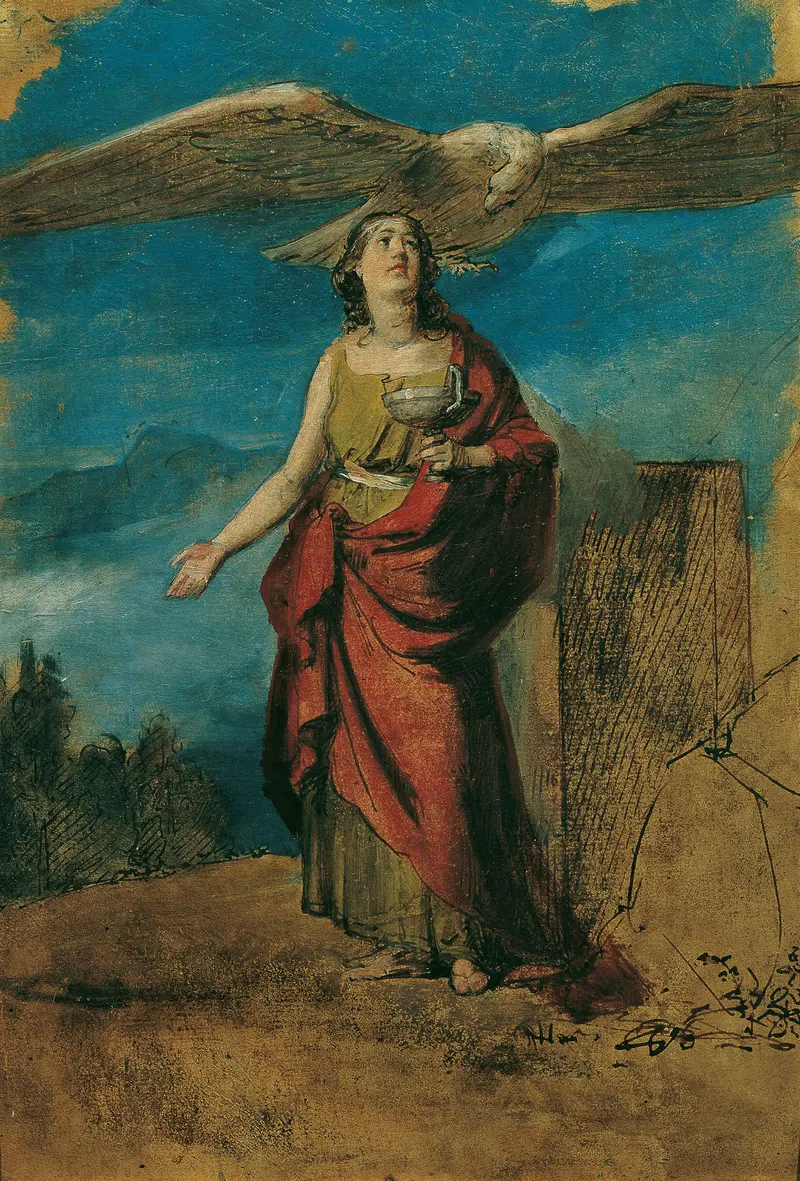
Hebe
Friedrich von Amerling





