
Der Rhônegletscher — History & Facts
When did color learn to lie? In a world bathed in hues that caress the eye yet mask deeper truths, the essence of a dream takes form on canvas. Focus on the soft blues and whites that dominate the scene, swirling together to create a hypnotic vision of the glacier. The brushwork is masterful, with the delicate strokes evoking a sense of fluidity, while sharp contrasts in shadows add an air of mystery. Notice how the light dances across the frosted peaks, illuminating subtle textures that invite the viewer’s gaze deeper into the heart of this icy expanse. Yet beneath this serene façade lies a tension between beauty and fragility.
The grandeur of the glacier juxtaposes the impermanence of its existence, hinting at the underlying threats of climate change lurking in nature. The dreamlike quality of the piece draws one into a contemplative state, urging reflection on the balance between nature’s majesty and its vulnerability, a poignant reminder of transience. Created in 1854, the artist painted this piece during a time of personal challenge and artistic exploration in Vienna. Amidst the broader Romantic movement, which often sought to capture the sublime in nature, he felt compelled to translate geologic majesty into a visual narrative, echoing the fascination with the natural world that was sweeping across Europe.
In this moment, Der Rhônegletscher became not just a representation of a glacier, but a poignant statement on beauty intertwined with the inevitable decay inherent in all things.
More Artworks by Johann Peter Krafft
Browse all →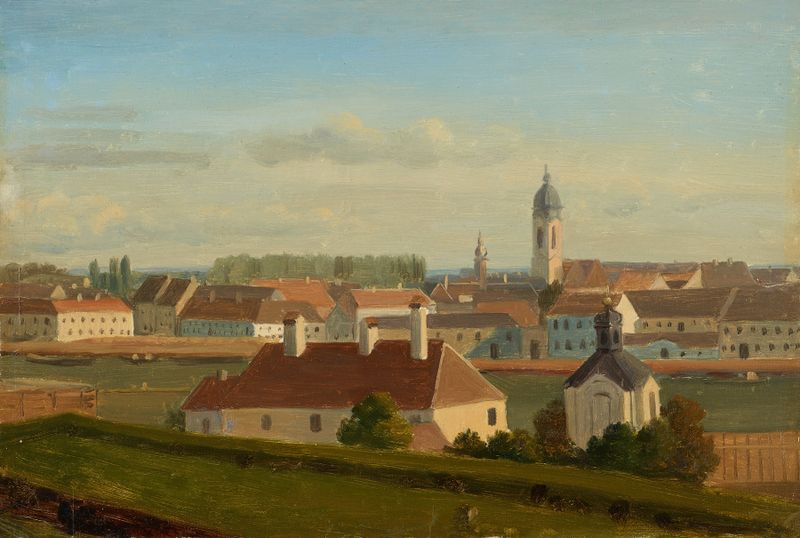
Blick über den Donaukanal zur Leopoldstadt
Johann Peter Krafft
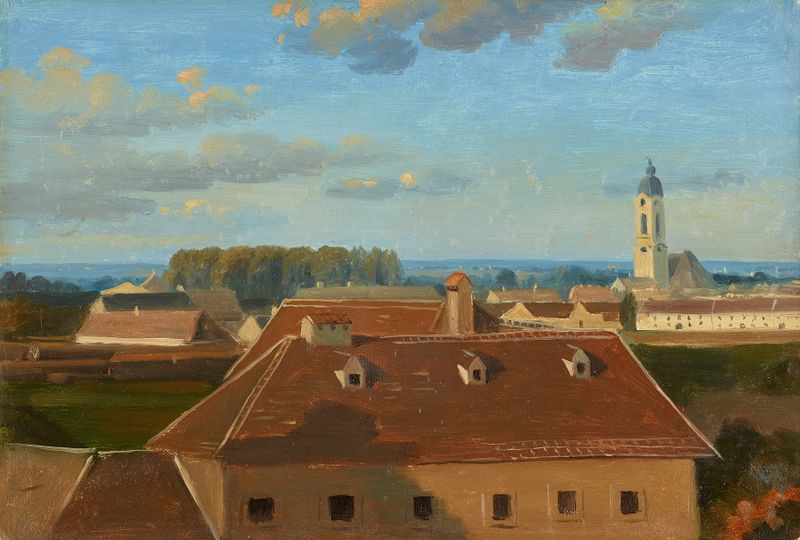
Blick über das Schanzel zum Augarten
Johann Peter Krafft
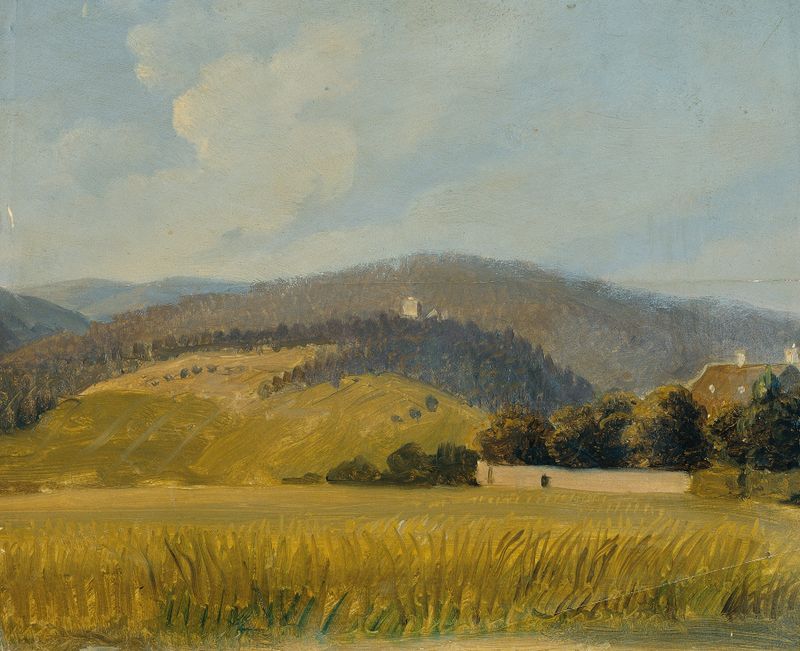
Landschaft bei Baden
Johann Peter Krafft

Landschaftsstudie mit brennenden Dörfern im Hintergrund
Johann Peter Krafft
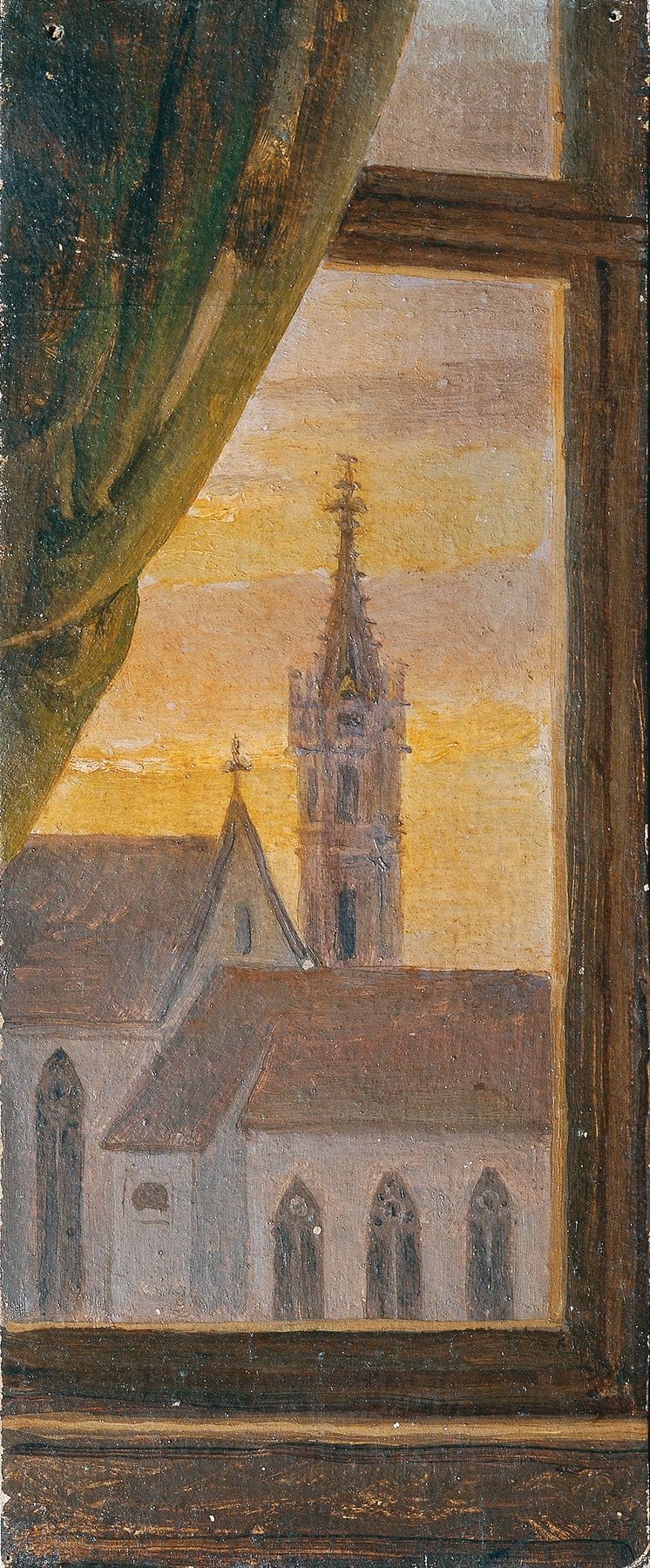
Blick durch ein Fenster auf einen gotischen Kirchturm
Johann Peter Krafft





