
Der äußere Burgplatz in Wien im Winter — History & Facts
Where does light end, and longing begin? In the soft embrace of winter's chill, a world of memories unfolds, where the past lingers in the air like a whisper. Look to the left at the towering spires of the buildings, their intricate details bathed in the gentle glow of a low sun. The foreground, blanketed in a fresh layer of snow, showcases delicate footprints that hint at lives lived and stories shared. Notice how the muted blues and whites dominate the palette, evoking a serene yet melancholic atmosphere that invites introspection.
The cool tones contrast sharply with the warm, golden light seeping through the clouds, creating a poignant dialogue between hope and nostalgia. Beneath the surface, the painting speaks to the passage of time and the transience of memory. The snow-covered ground symbolizes the quiet moments of reflection, while the distant figures moving through the scene embody the ebb and flow of life, ever-present yet fleeting. There’s an emotional tension present in the contrast of warmth and cold; the light suggests comfort while the winter landscape brings forth feelings of isolation and longing.
Together, these elements weave a narrative of remembrance and the bittersweet nature of the past. In 1902, the artist was settled in Vienna, a city alive with artistic innovation and change. During this period, Pippich was deeply influenced by the burgeoning Symbolist movement, which sought to capture emotions rather than just physical reality. As he painted Der äußere Burgplatz in Wien im Winter, he was navigating his own evolving style amidst a backdrop of cultural transformation, reflecting the tensions of an era marked by both modernity and tradition.
More Artworks by Carl Pippich
Browse all →
Rahlstiege, Mariahilfer Straße
Carl Pippich
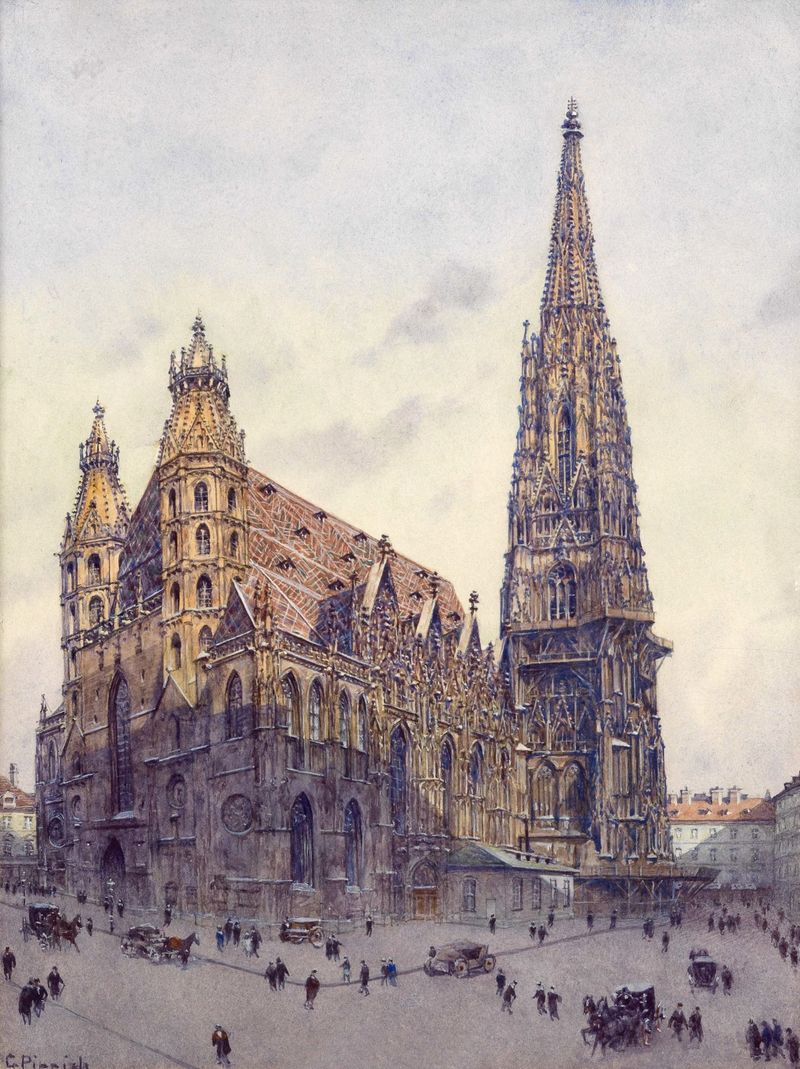
Stephanskirche in Wien
Carl Pippich
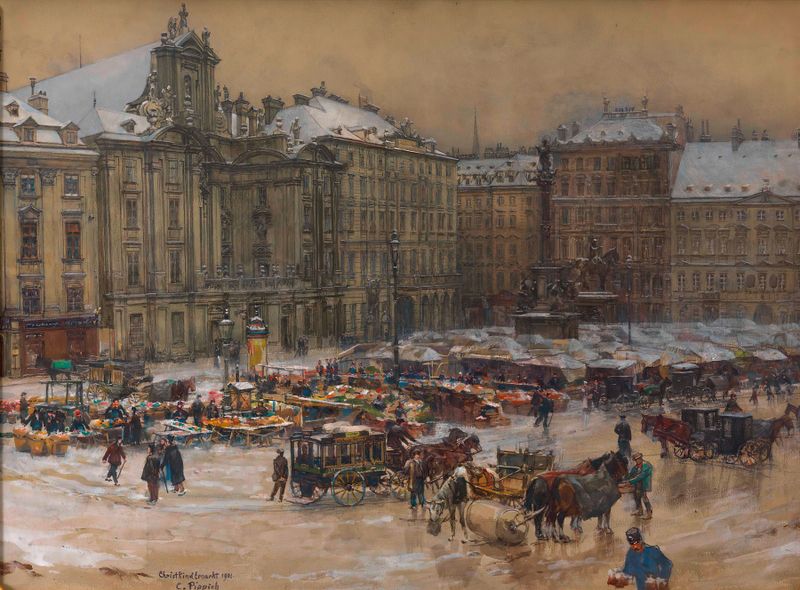
Am Hof (Christkindlmarkt)
Carl Pippich

Der Irrenthurm in Wien
Carl Pippich

Motiv vom Spittelberg
Carl Pippich
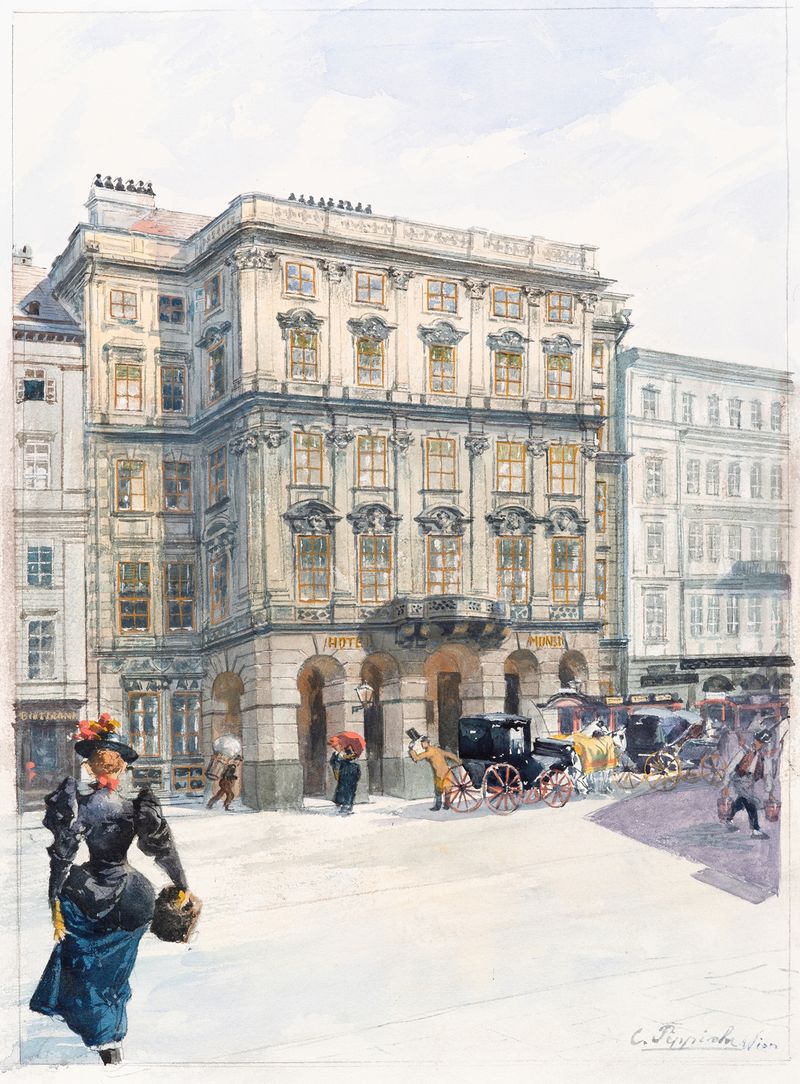
Neuer Martkt – Hotel Munsch
Carl Pippich
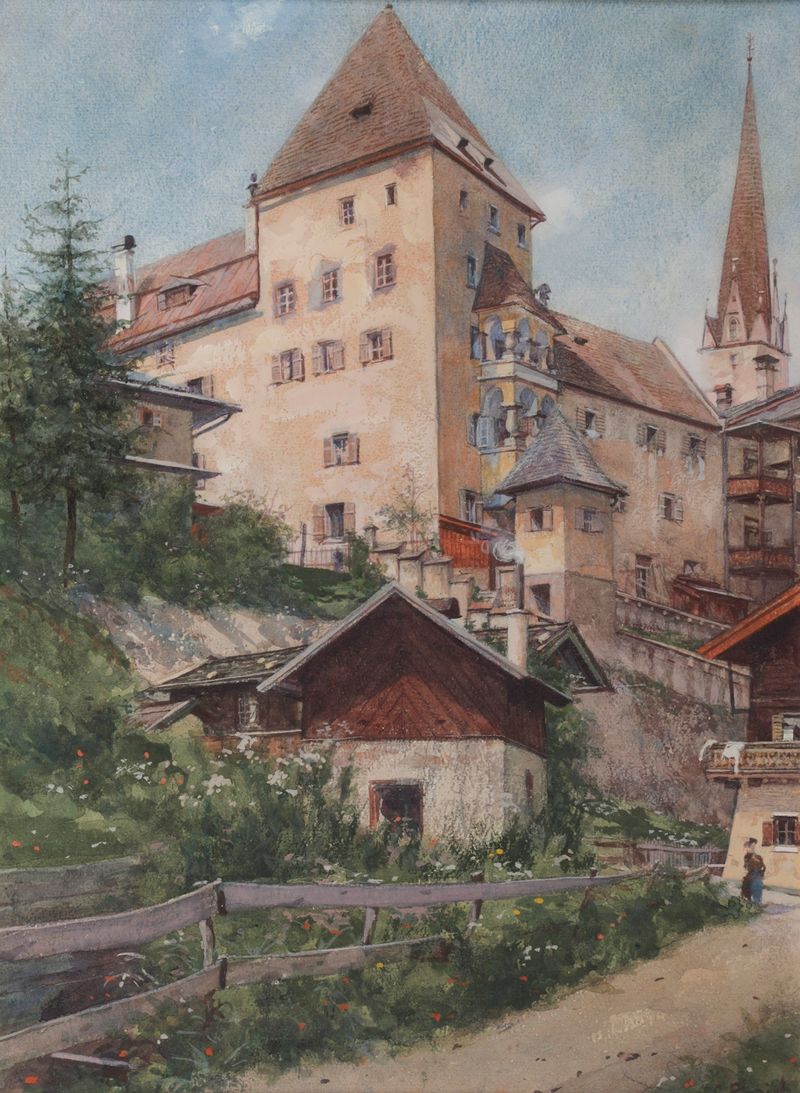
Altes Schloss in Kitzbühel
Carl Pippich
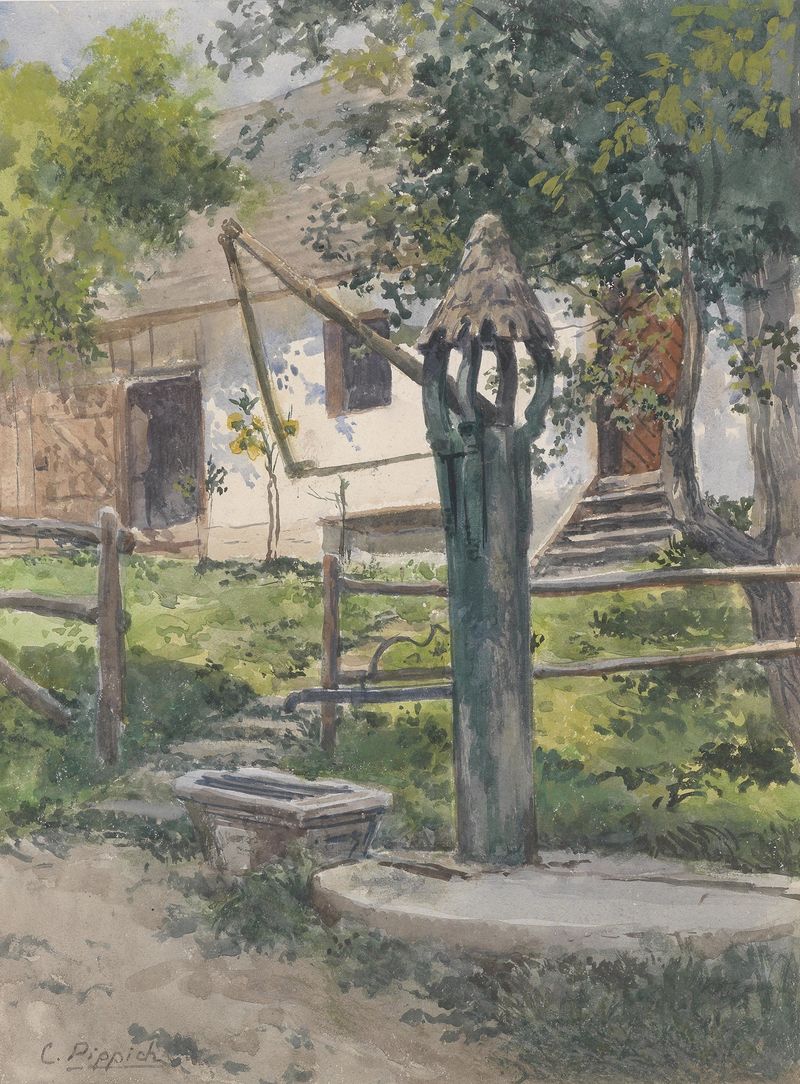
Ziehbrunnen in Neuhofen an der Ybbs
Carl Pippich

Überschwemmung im Prater
Carl Pippich

Eingang zum Dom von Curzola
Carl Pippich





