
Ziehbrunnen in Neuhofen an der Ybbs — History & Facts
Can beauty exist without sorrow? In the heart of a tranquil landscape, the gentle flow of water obscures the echoes of deeper emotions, inviting contemplation. Look to the center of the canvas, where the Ziehbrunnen stands proudly, its rhythmic curves reflecting the soft hues of twilight. The delicate interplay of light dances upon the surface, enhancing the intricate craftsmanship of the fountain’s design. Surrounding the structure, lush greenery frames the composition, guiding the viewer’s eye toward the serene yet vibrant heart of the scene.
Notice how the pale blues and soft greens evoke a sense of peace, while the deeper shadows hint at an underlying complexity. In the delicate folds of the fountain’s water, there lies a metaphor for the fluidity of life—both beautiful and transient. The gentle ripples suggest a connection between the natural world and the human experience, where moments of joy are often laced with the ache of longing. Each droplet captures the light, a fleeting reminder that even in tranquility, there is a whisper of melancholy, creating a profound emotional tension that resonates beyond the canvas. Carl Pippich created this work during a time when the art world was embracing both realism and impressionism, reflecting a growing interest in capturing the essence of nature.
The specific date of creation remains unclear, but the artist was active during the late 19th to early 20th century in Austria, a period marked by social and political change. This context infuses the artwork with a quiet urgency, as the pastoral scene serves as a refuge from the complexities of modern life.
More Artworks by Carl Pippich
Browse all →
Rahlstiege, Mariahilfer Straße
Carl Pippich
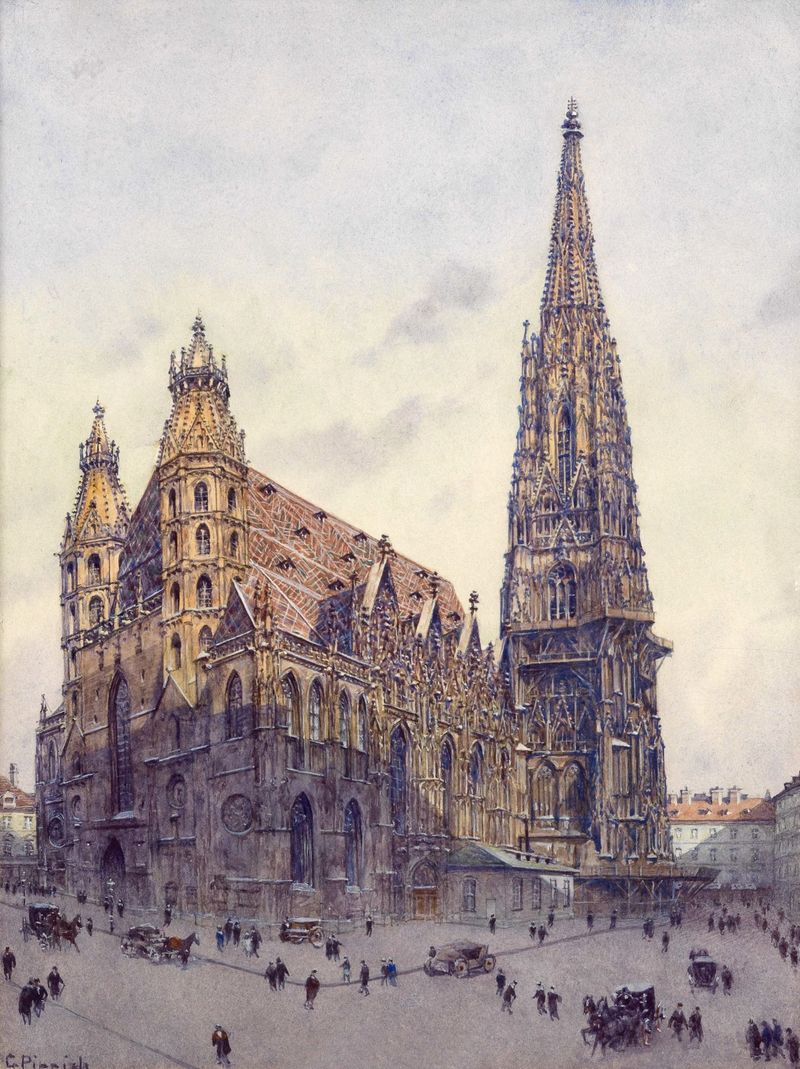
Stephanskirche in Wien
Carl Pippich
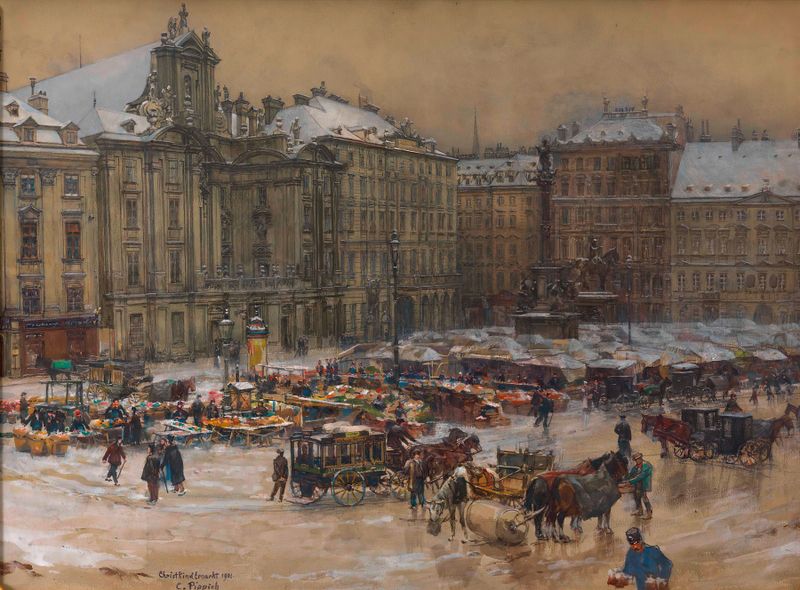
Am Hof (Christkindlmarkt)
Carl Pippich

Der äußere Burgplatz in Wien im Winter
Carl Pippich

Der Irrenthurm in Wien
Carl Pippich

Motiv vom Spittelberg
Carl Pippich
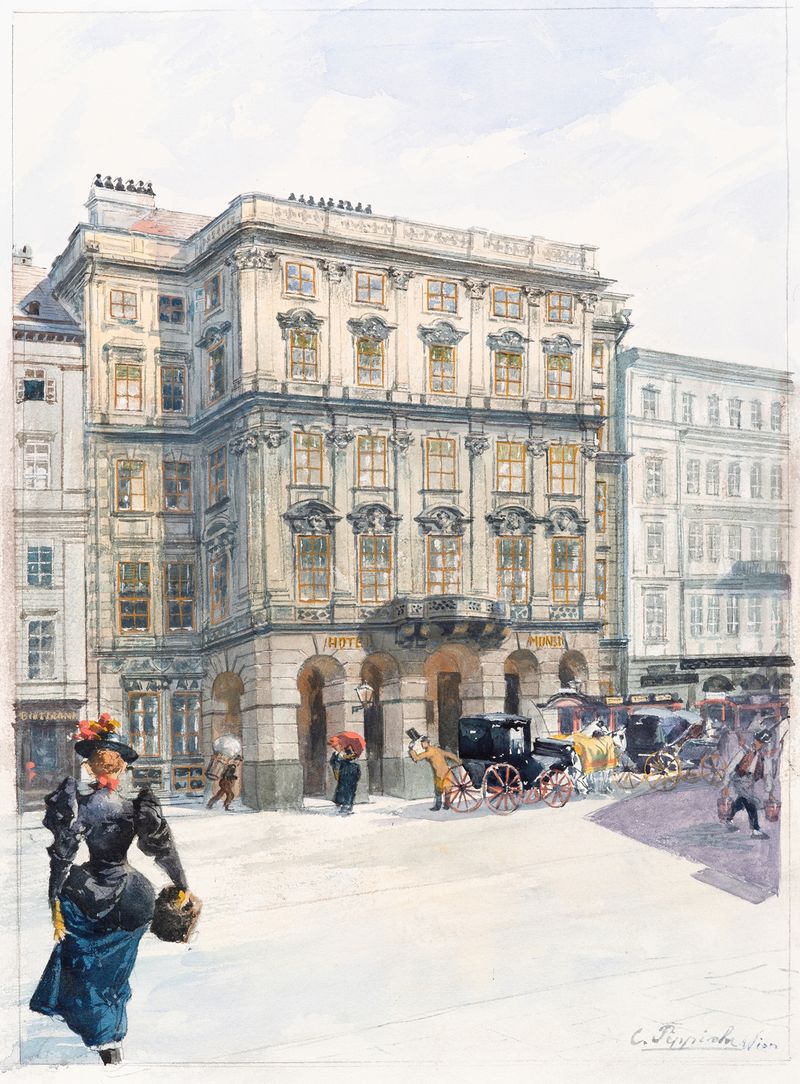
Neuer Martkt – Hotel Munsch
Carl Pippich
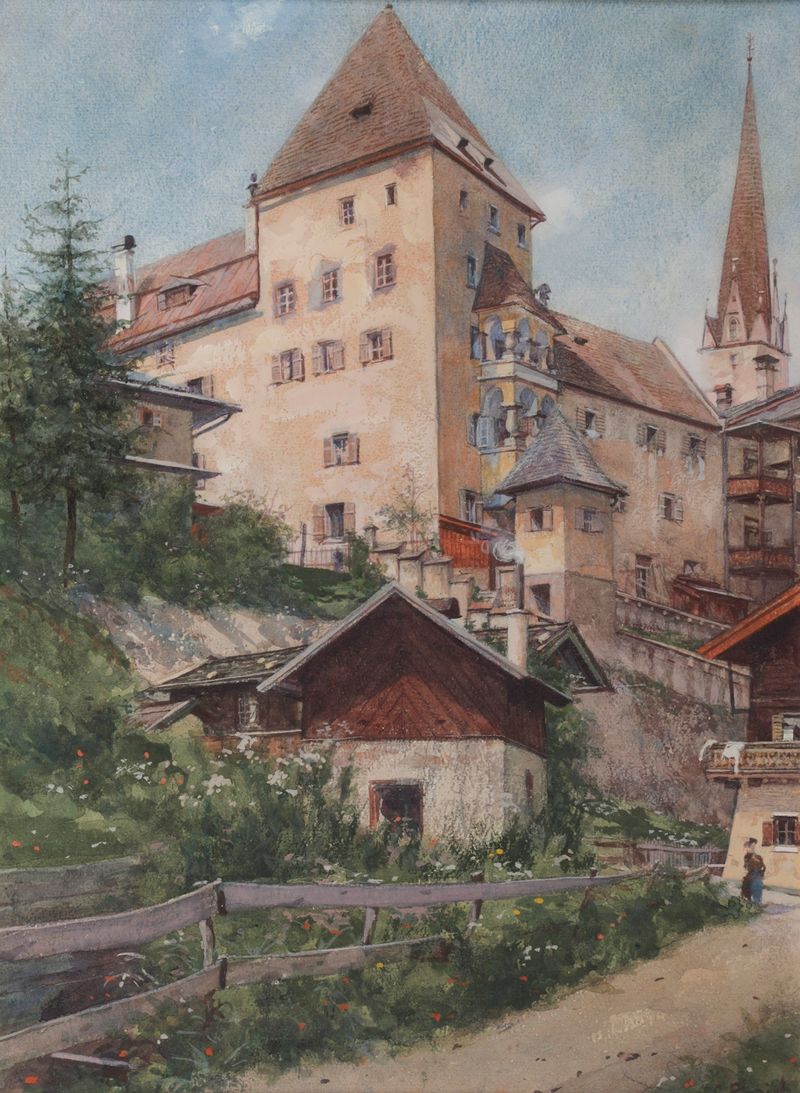
Altes Schloss in Kitzbühel
Carl Pippich

Überschwemmung im Prater
Carl Pippich

Eingang zum Dom von Curzola
Carl Pippich





