
Eingang zum Dom von Curzola — History & Facts
In Eingang zum Dom von Curzola, the echoes of absence resonate within the architectural beauty, inviting an exploration of emptiness that transcends mere structure. Look to the center, where the grand doorway stands as an invitation yet simultaneously a barrier. The soft, muted tones of the stone create a dialogue between light and shadow, emphasizing the texture of the weathered surfaces. Notice how the delicate interplay of sunlight streams through the archway, casting ethereal patterns on the ground, where echoes of steps taken are both past and unfulfilled.
The composition draws the viewer's eye toward the entrance, suggesting an unquenchable curiosity to step inside, while the surrounding stillness hints at a deeper solitude. At first glance, the scene appears to celebrate human achievement, yet beneath that lies a poignant sense of isolation. The empty space surrounding the entrance hints at absence, provoking reflections on longing and what remains unseen. The juxtaposition of the magnificent structure with the quiet emptiness evokes the tension between the vibrancy of life and the stillness of memory, a reminder of transience in our own journeys. Carl Pippich painted this work in 1911 during a period of profound change in Europe, as artistic movements began to shift toward modernism.
Living in Munich, he was influenced by the evolving narratives of art, exploring how architecture could express deeper emotional truths. This painting reflects his engagement with such themes, capturing the intersection of history and the human experience in a rapidly changing world.
More Artworks by Carl Pippich
Browse all →
Rahlstiege, Mariahilfer Straße
Carl Pippich
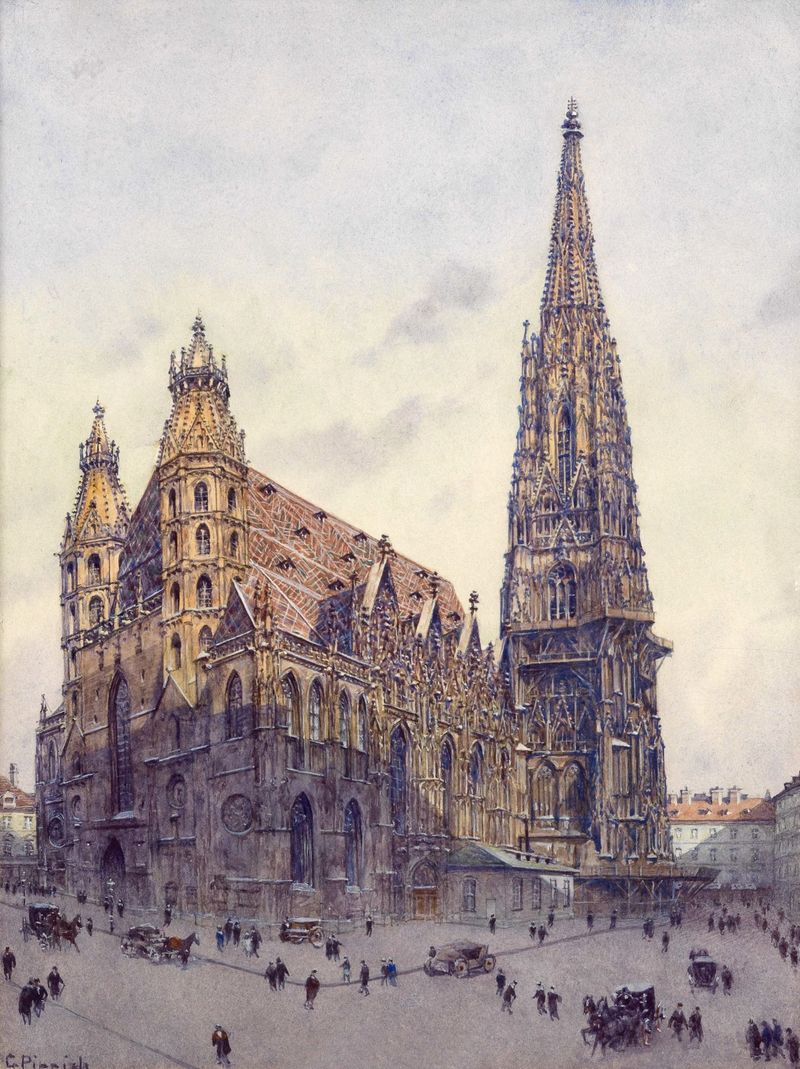
Stephanskirche in Wien
Carl Pippich
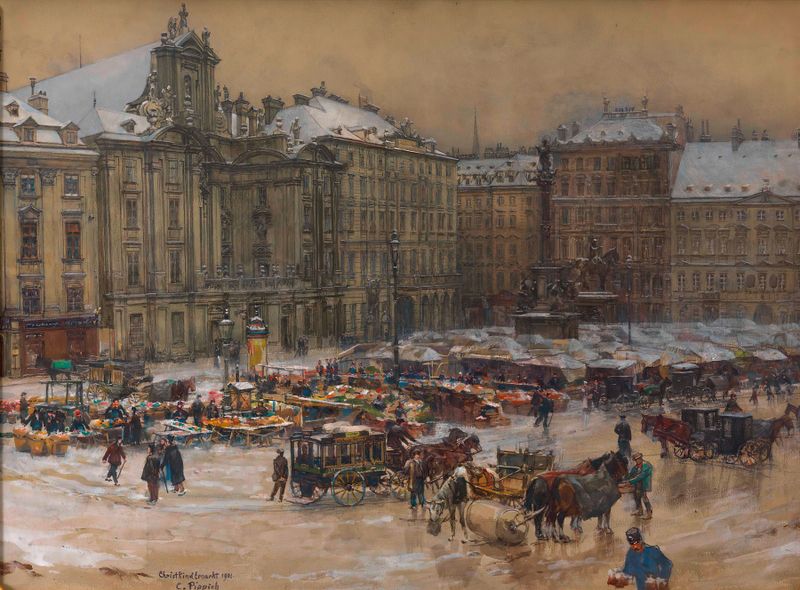
Am Hof (Christkindlmarkt)
Carl Pippich

Der äußere Burgplatz in Wien im Winter
Carl Pippich

Der Irrenthurm in Wien
Carl Pippich

Motiv vom Spittelberg
Carl Pippich
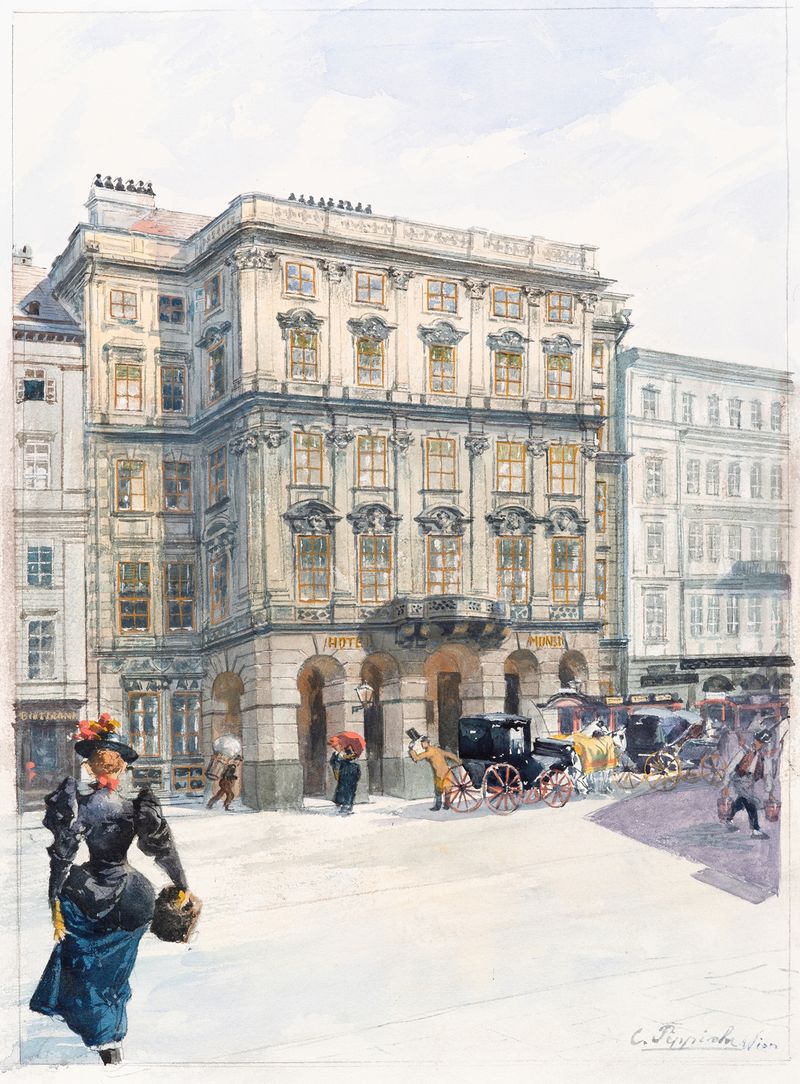
Neuer Martkt – Hotel Munsch
Carl Pippich
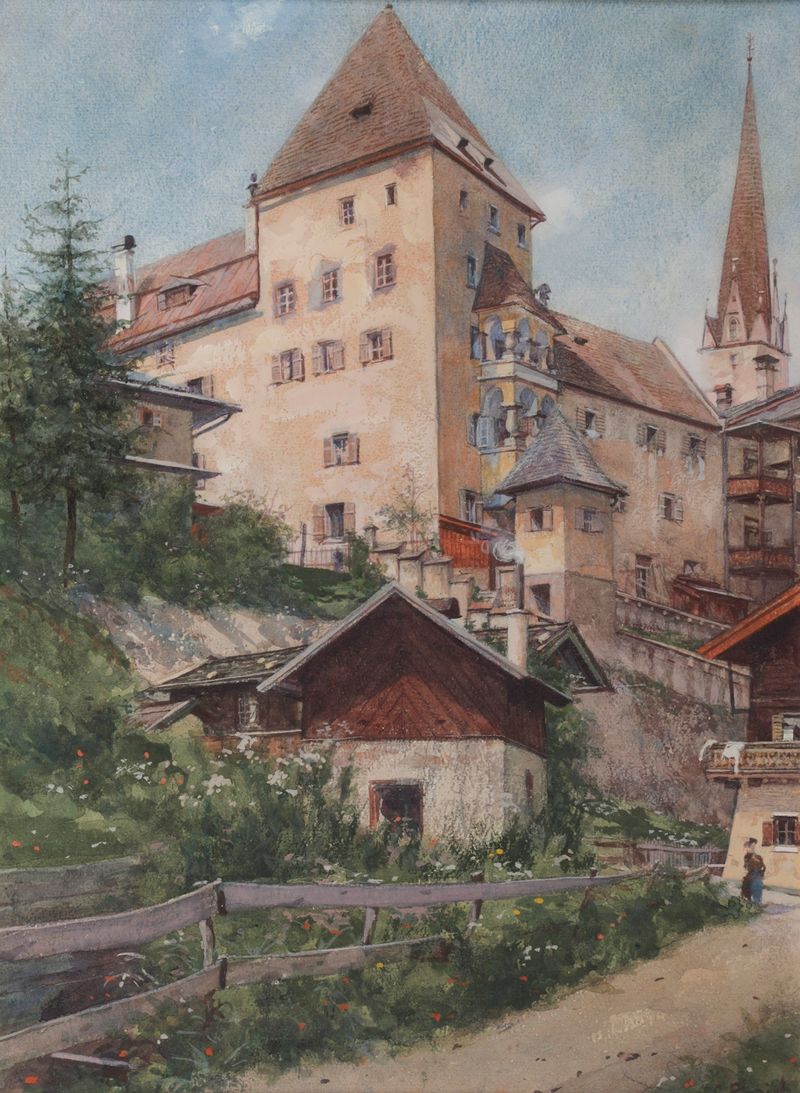
Altes Schloss in Kitzbühel
Carl Pippich
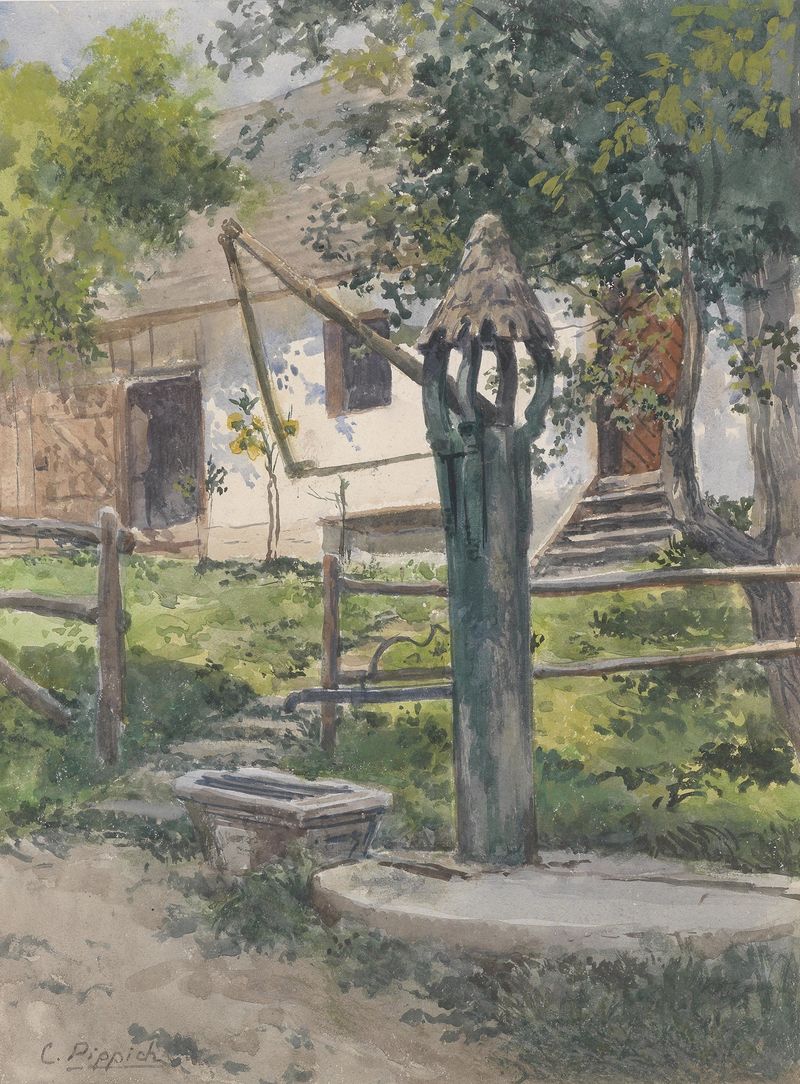
Ziehbrunnen in Neuhofen an der Ybbs
Carl Pippich

Überschwemmung im Prater
Carl Pippich
More Architecture Art
Browse all →
The statue of Liberty
Frédéric Auguste Bartholdi

View of Houses in Delft, Known as ‘The Little Street’
Johannes Vermeer

View of Houses in Delft, Known as ‘The Little Street’
Johannes Vermeer

The Cathedral in Rouen. The portal, Grey Weather
Claude Monet

The yellow house
Vincent van Gogh

The Church in Auvers-sur-Oise, View from the Chevet
Vincent van Gogh