
Der Zwietracht eiserner Erwürger des deutschen Reiches Ehrenbürger — History & Facts
In Der Zwietracht eiserner Erwürger des deutschen Reiches Ehrenbürger, Franz von Stuck presents a dramatic scene filled with dark, muted colors. The central figure appears to embody conflict, surrounded by symbolic elements that suggest turmoil within the German Empire. The composition is intense, with sharp lines and contrasting shadows that enhance the emotional weight of the piece.
This painting evokes a sense of struggle and identity crisis, reflecting the historical context of its creation. The painting is executed in oil on canvas, showcasing Franz von Stuck's characteristic style that blends realism with symbolism. The use of color is particularly striking, with deep reds and blacks dominating the palette, creating a somber atmosphere. The figures are rendered with meticulous detail, emphasizing their expressions and postures, which convey the tension of the scene.
Viewers can appreciate the technical skill involved in the layering of paint and the intricate brushwork. Franz von Stuck was a prominent figure in the Symbolism movement, known for his exploration of psychological themes and allegorical content. This work, created in the c. 1890s, reflects the anxieties of a nation grappling with its identity and the consequences of conflict.
An interesting fact about this painting is that it was likely inspired by the political climate of the time, making it not just an artistic expression but also a commentary on contemporary issues. Stuck's ability to intertwine personal and national narratives is a hallmark of his oeuvre.
More Artworks by Franz von Stuck

A portrait of Marianne Mechler
Franz von Stuck
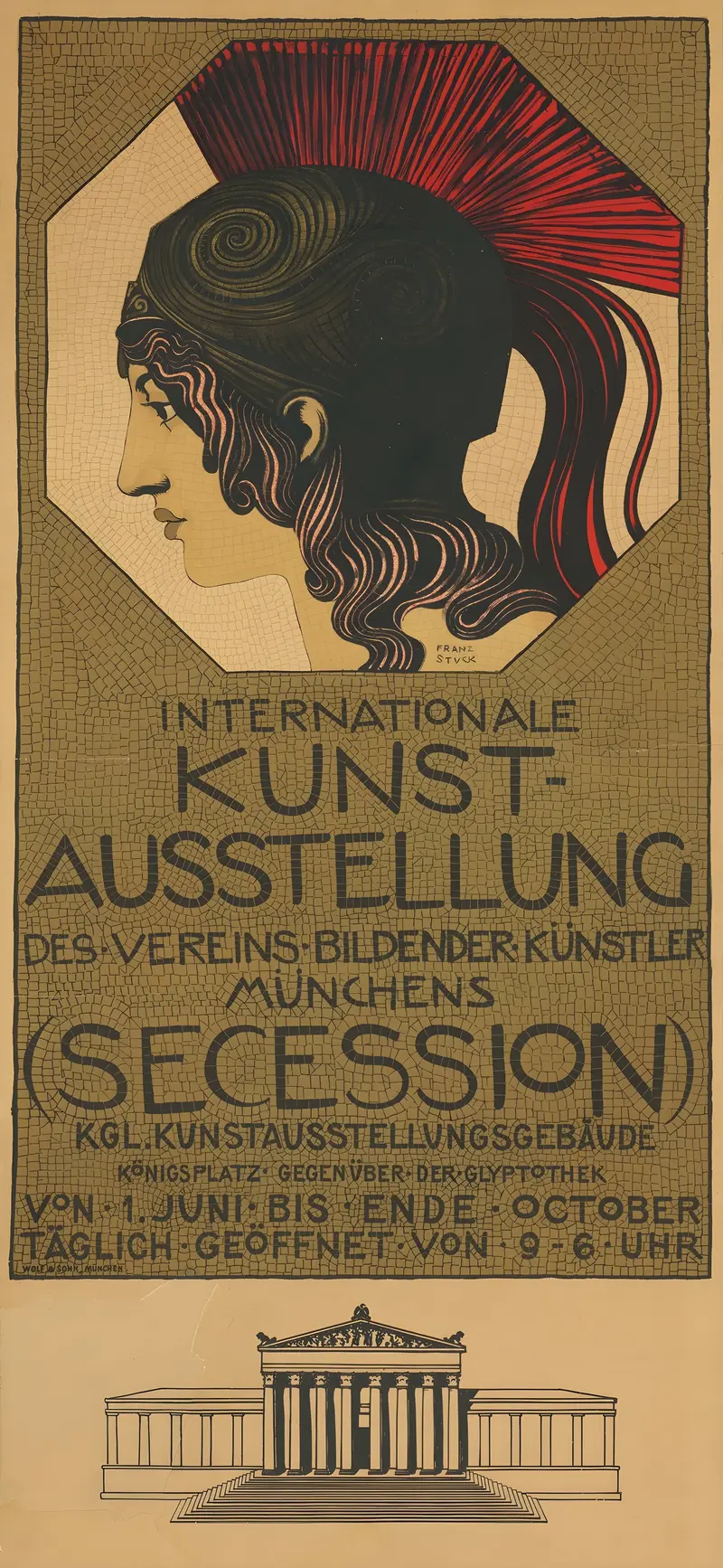
Internationale Kunstausstellung des Vereins Bildender Künstler München Secession
Franz von Stuck
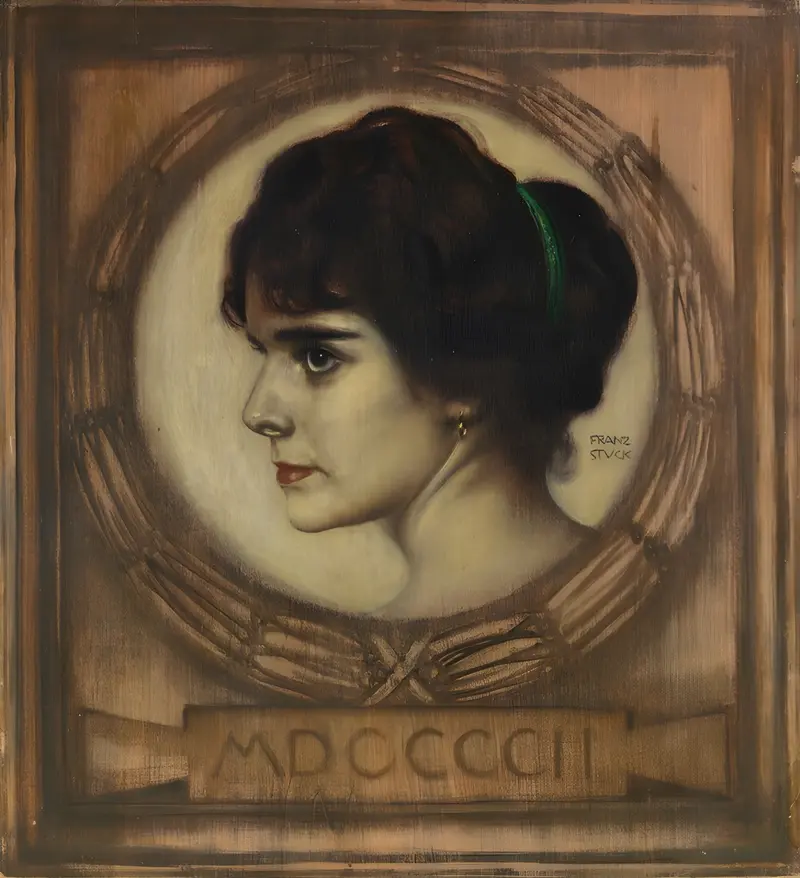
Porträt Gemma Bierbaum
Franz von Stuck
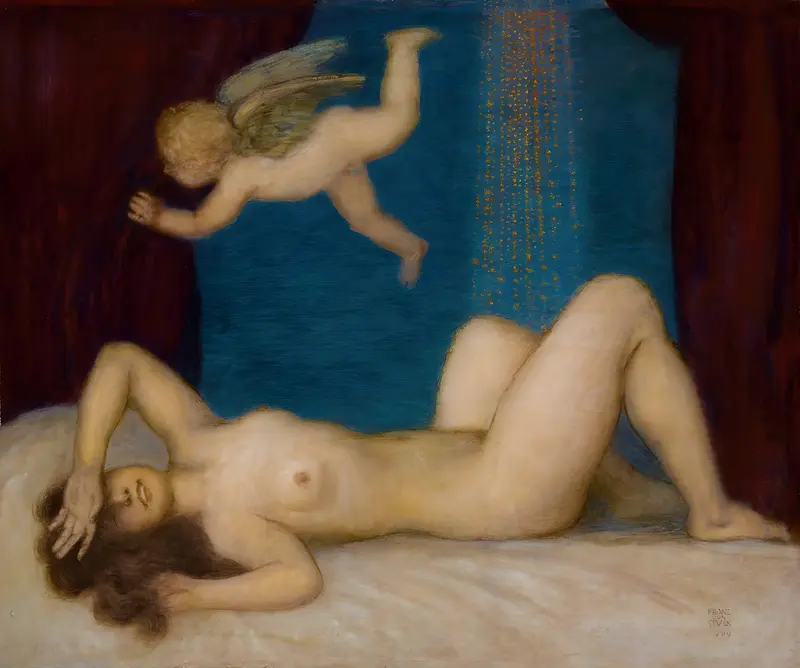
Danae and the Golden Shower
Franz von Stuck
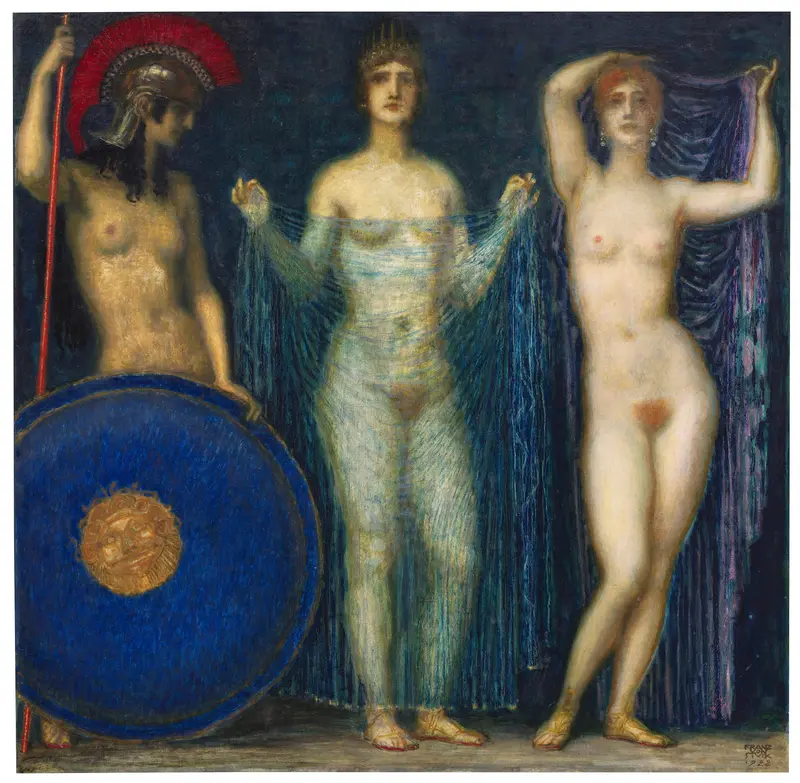
Urteil des Paris
Franz von Stuck
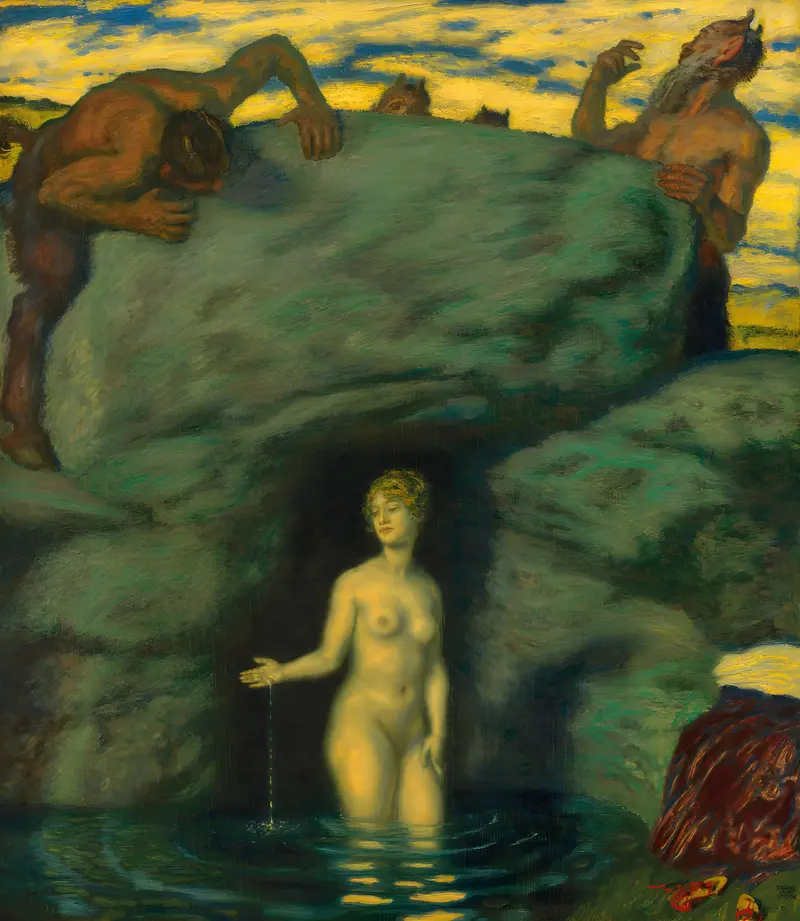
Quellnymphe von Faunen belauscht
Franz von Stuck
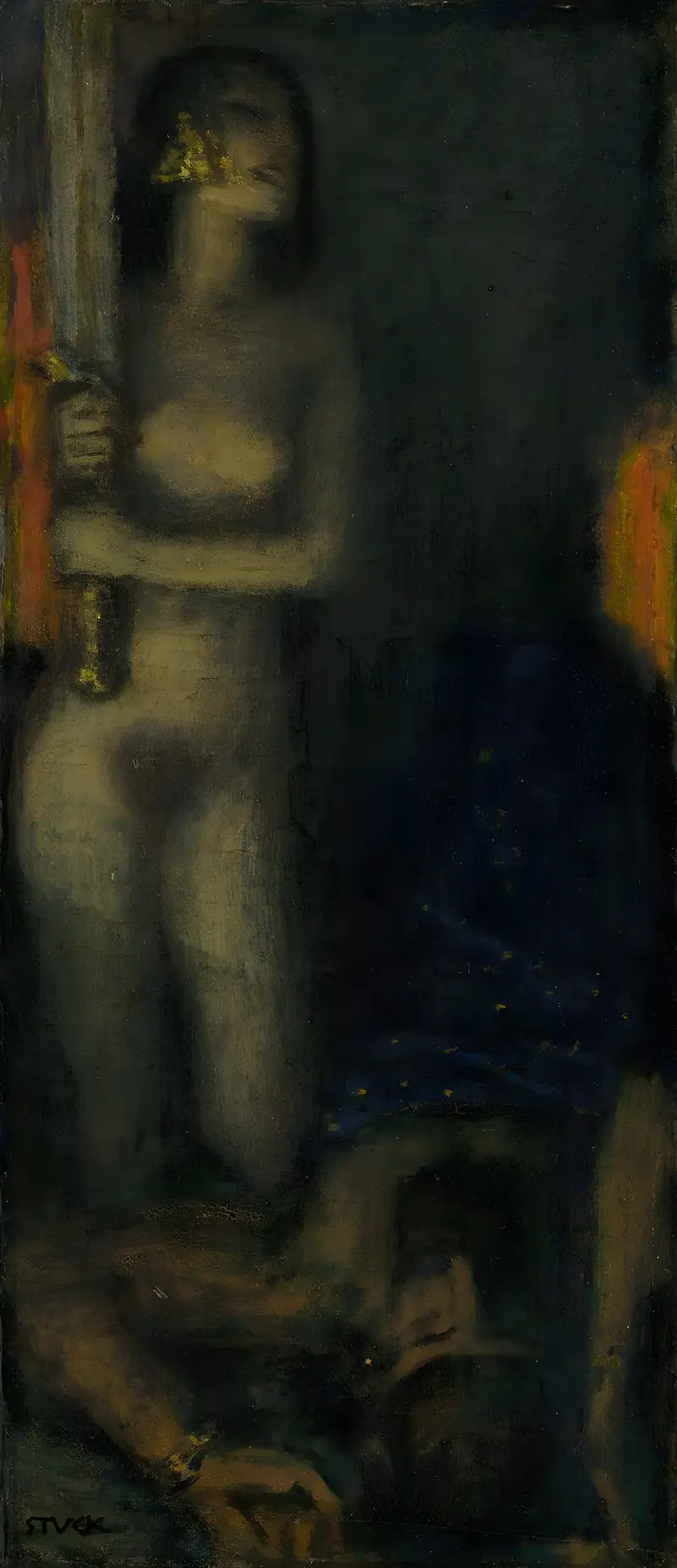
Judith and Holofernes (study)
Franz von Stuck
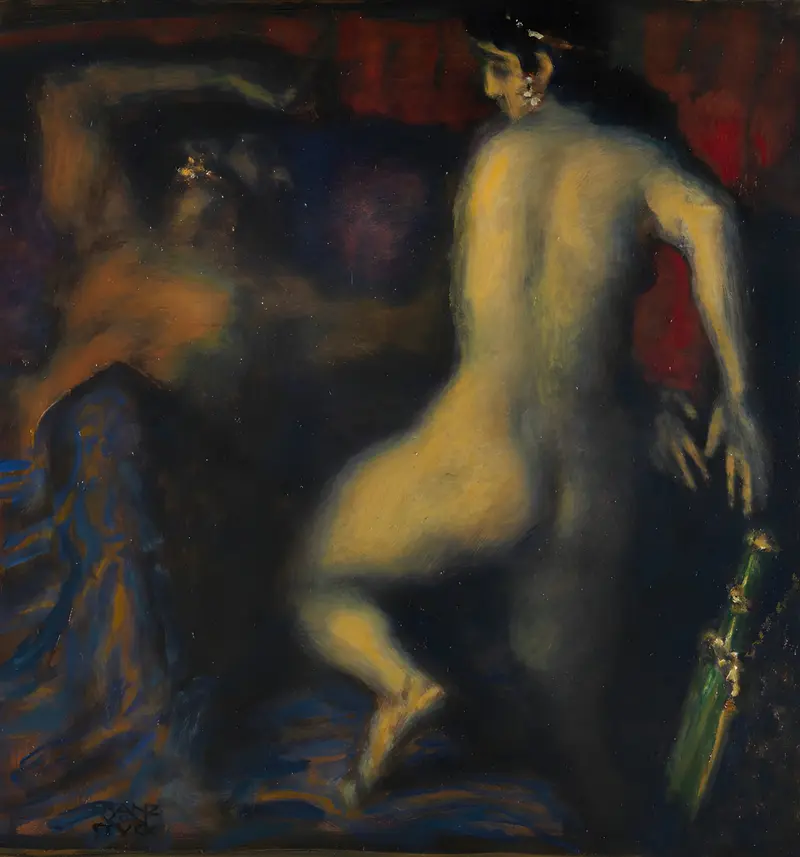
Judith und Holofernes
Franz von Stuck
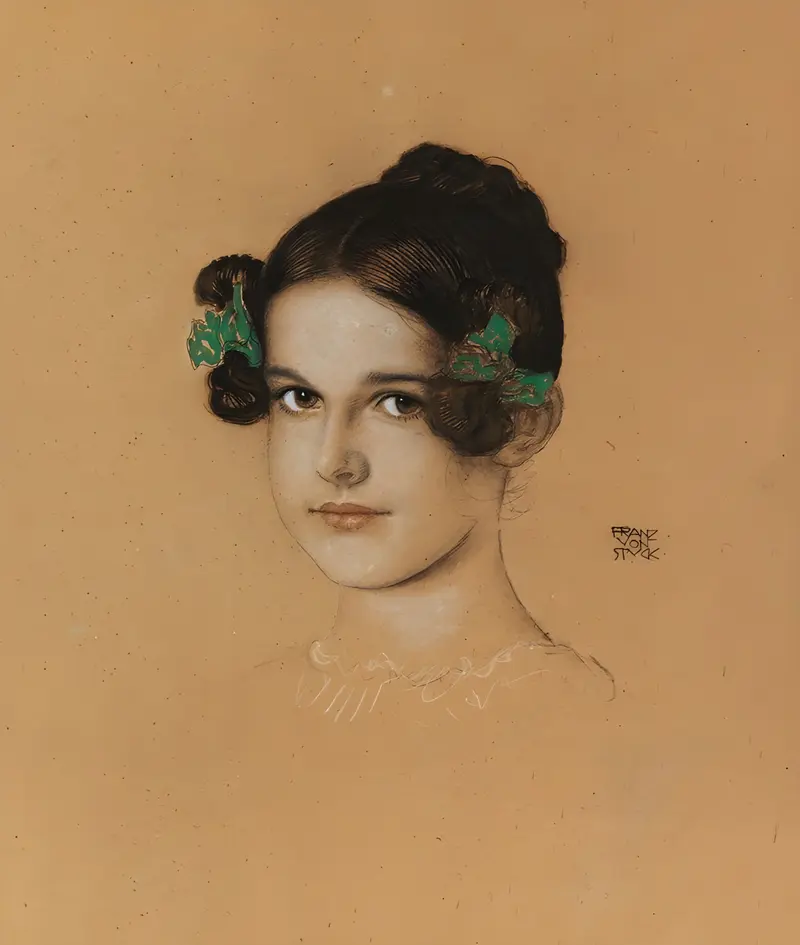
Bildnis der Tochter Mary mit grünen Schleifen
Franz von Stuck
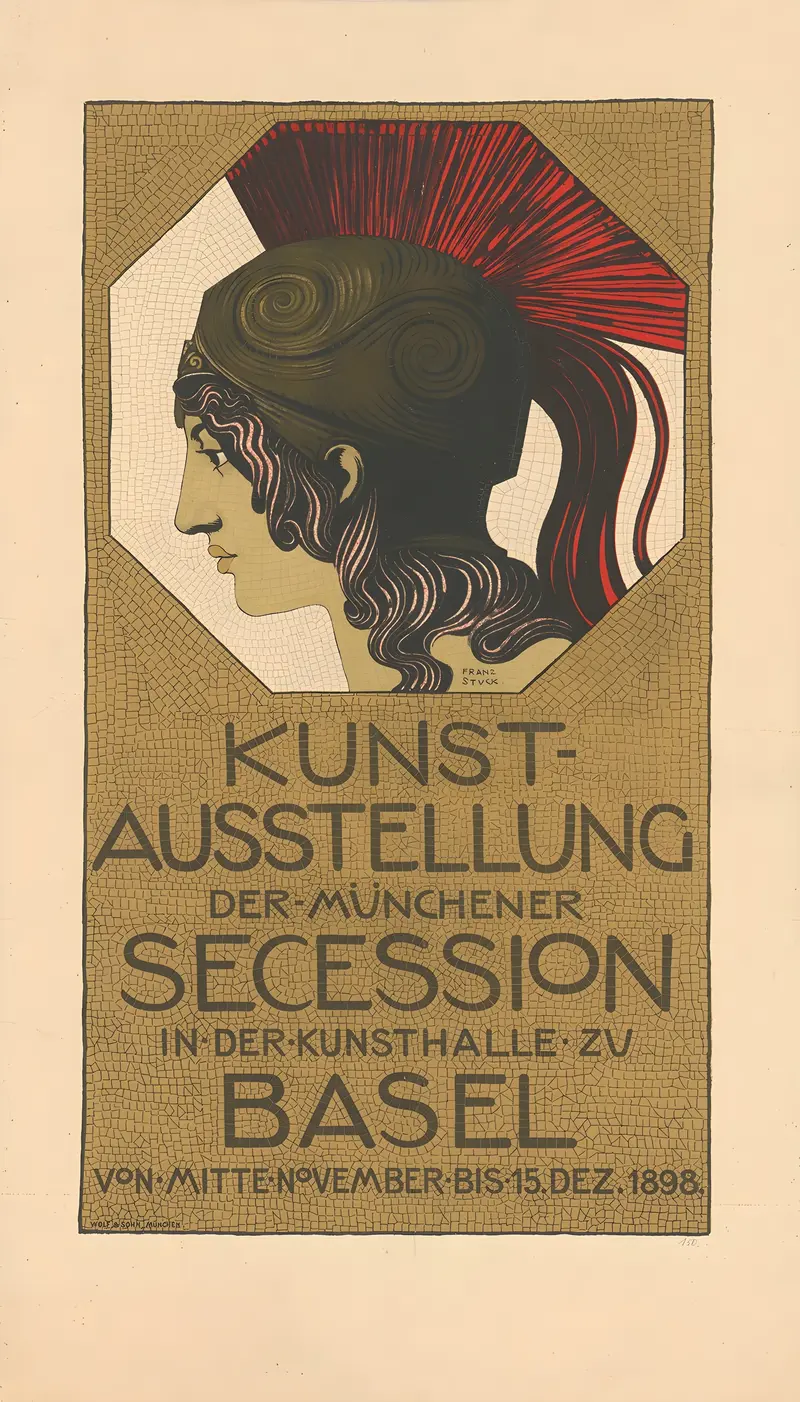
Kunstausstellung der Münchener Secession Basel
Franz von Stuck





