Design for a Park Gateway — History & Analysis
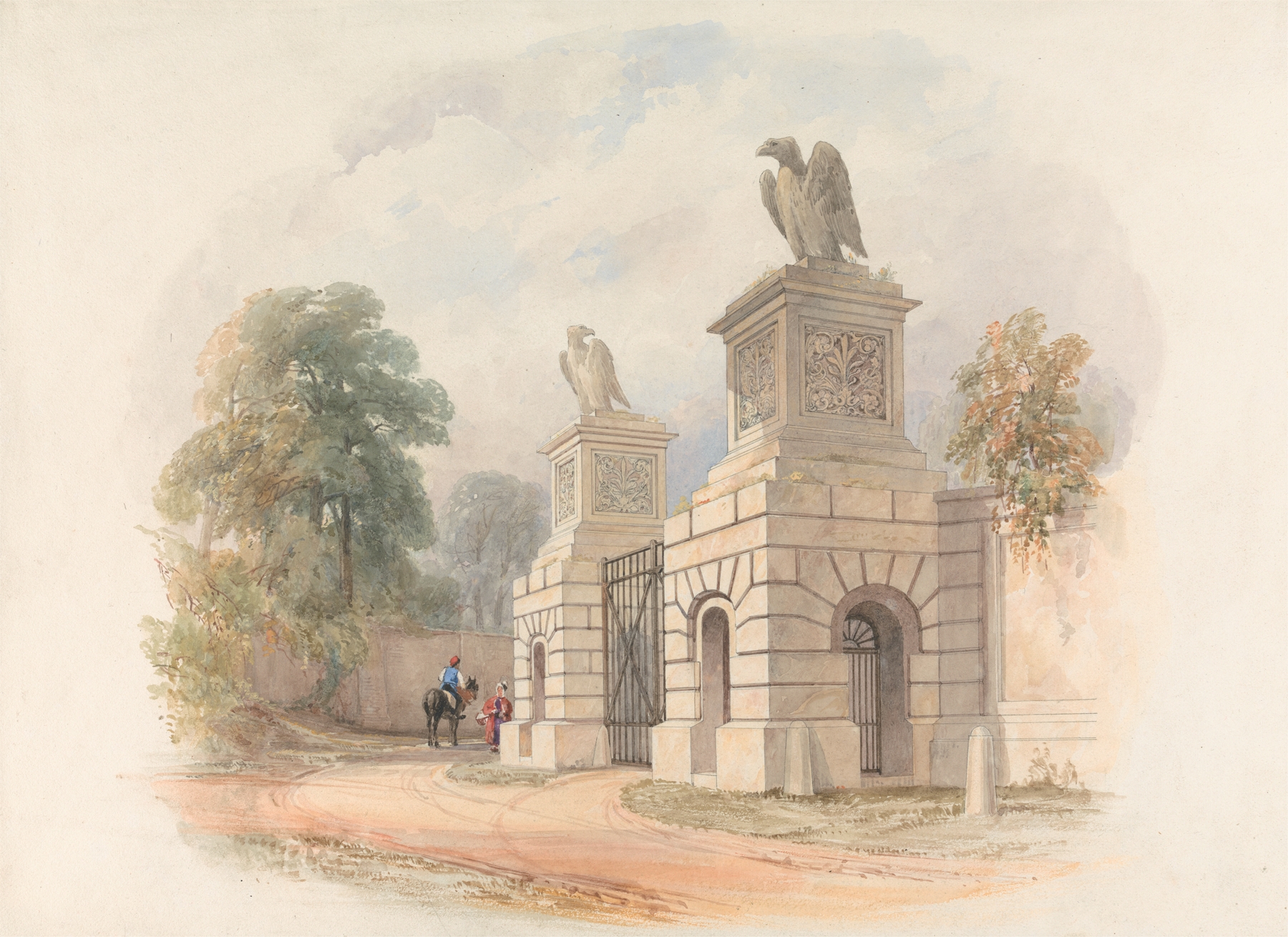
“Art reveals the soul when the world turns away.” In a time of societal upheaval, the creative spirit flourishes, crafting visions of hope amidst chaos. A gateway can symbolize both entrance and exit, marking the boundary between the familiar and the unknown, beckoning us toward transformation. To begin your exploration, focus on the archway’s grand design, where ornate details intertwine with bold lines. The structure rises majestically, each element meticulously crafted, suggesting an inviting yet imposing presence. Notice the interplay of light and shadow dancing across the surface, enhancing the intricate carvings and accentuating the unity of form and function.
The subtle earth tones evoke a sense of harmony with nature, grounding the piece in its intended environment. Within this design, contrasts emerge: the sturdy permanence of stone juxtaposed with the ephemeral beauty of surrounding flora. The gateway stands as a testament to human ingenuity while simultaneously urging a connection to the natural world. This duality raises questions about progress, inviting reflection on the balance between construction and conservation.
The choice of materials hints at durability, yet the intricate floral motifs whisper of transformation, a reminder that even the strongest structures can be softened by nature's embrace. Created in the early 19th century, when the Industrial Revolution was reshaping landscapes and lifestyles, the artist was deeply influenced by evolving architectural trends. Working in England, the designer aimed to capture the essence of romanticism intertwined with functionality, as urbanization challenged the traditional connection to nature. This piece reflects a moment in time, a desire to create spaces that bridge civilization and the untamed world beyond.