
Destroyed House — History & Facts
In the face of destruction, what echoes of destiny remain? Focus on the jagged ruins, scattered like forgotten dreams across the canvas. The artist’s palette is steeped in muted earth tones, where charcoal grays blend with ochres, suggesting both desolation and a stubborn hint of life. Look closely at the twisted beams, their shadows stretching long upon the ground, capturing the aftermath of a past tempest.
The use of light is strategic, illuminating fragments of the structure, drawing the eye into the chaos while still offering a glimmer of the home that once was. Within this somber tableau lies a profound narrative of resilience and loss. The scattered debris represents not just physical destruction but the emotional landscape of those who once inhabited this space. The stark contrast between light and shadow embodies the tension between memory and forgetfulness—a reminder that even in ruin, the stories of lives lived persist.
The eerie stillness evokes the haunting silence after calamity, urging viewers to confront their own connections to places lost to time. Created between 1851 and 1857, this work emerged during a time when the art world was grappling with Romanticism’s embrace of emotion and individual experience. Working in Germany, the artist was influenced by the socio-political upheavals of the era, reflecting the fragility of existence in the aftermath of conflict. The painting serves as a testament to the transformative power of art, allowing the viewer to engage with the remnants of memory and the relentless march of destiny.
More Artworks by Peter Burnitz
Browse all →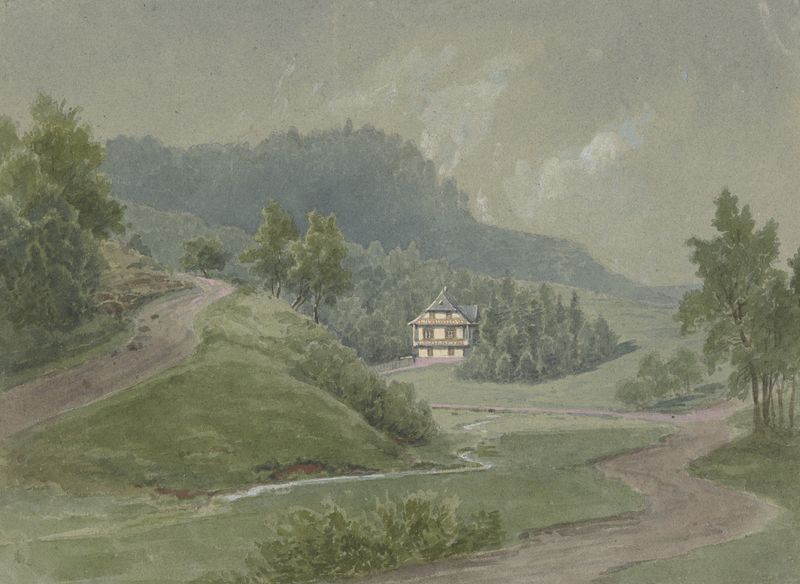
Partie aus dem Odenwald
Peter Burnitz

Seine-Ufer bei Fontainebleau
Peter Burnitz
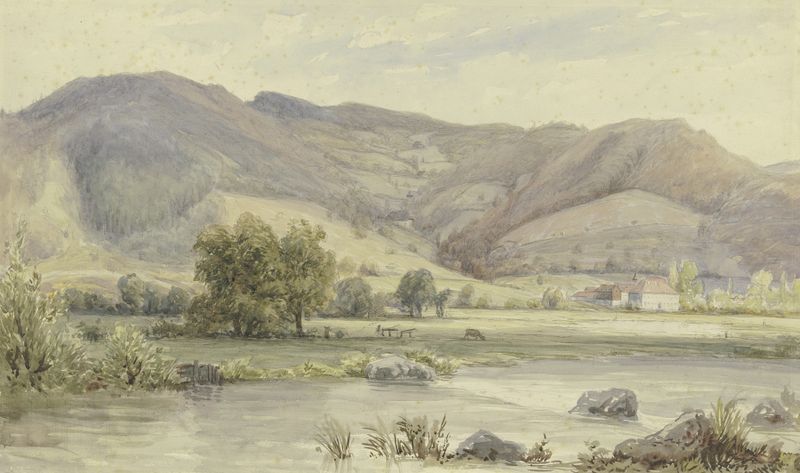
Flusslandschaft mit hohen Bergen
Peter Burnitz
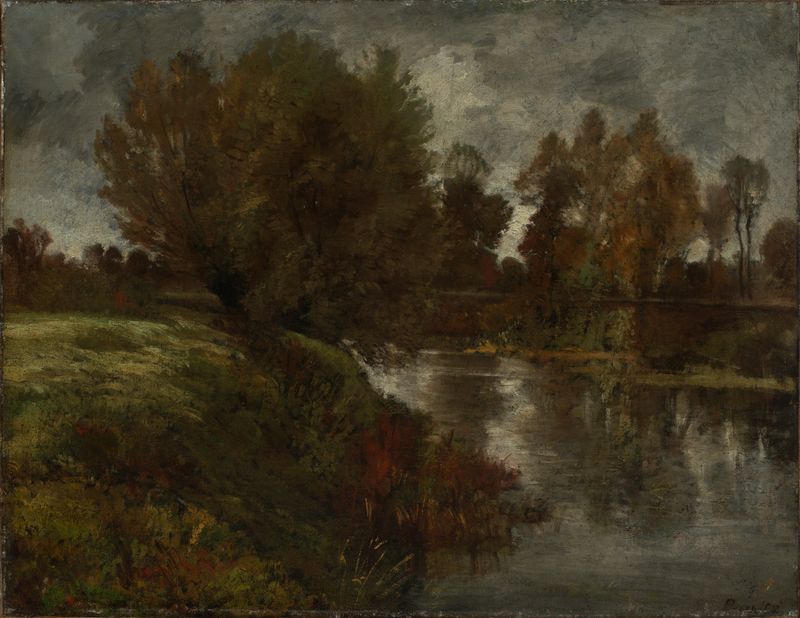
Regenstimmung an der Nidda
Peter Burnitz

Autumn landscape near the Taunus
Peter Burnitz

Suburbs of Segovia
Peter Burnitz
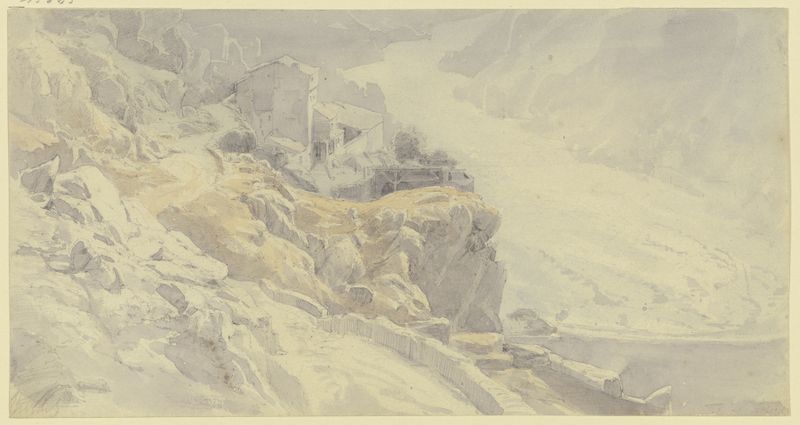
Blick vom Gebirge auf ein Flußtal in Spanien
Peter Burnitz
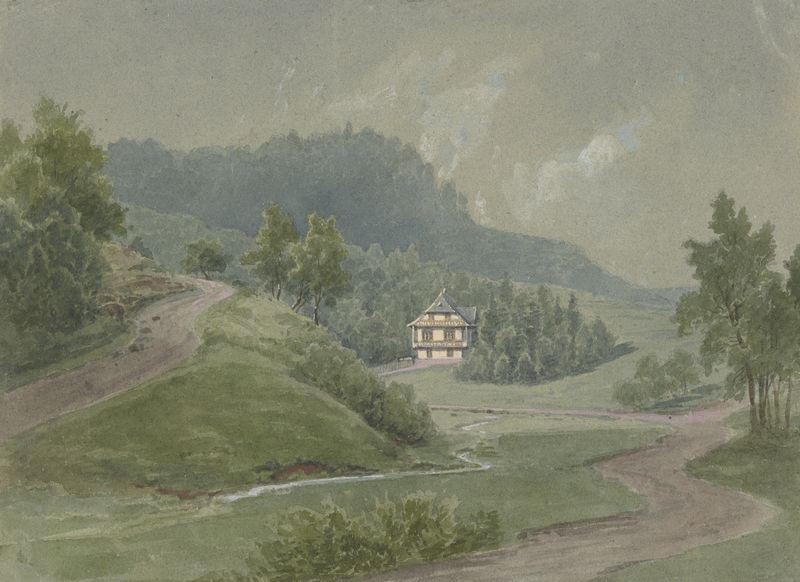
Section of the Odenwald
Peter Burnitz
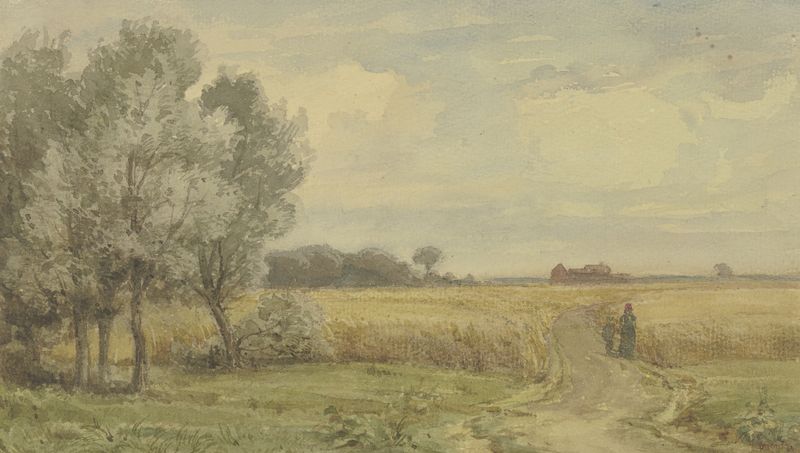
Cornfield in the summer
Peter Burnitz
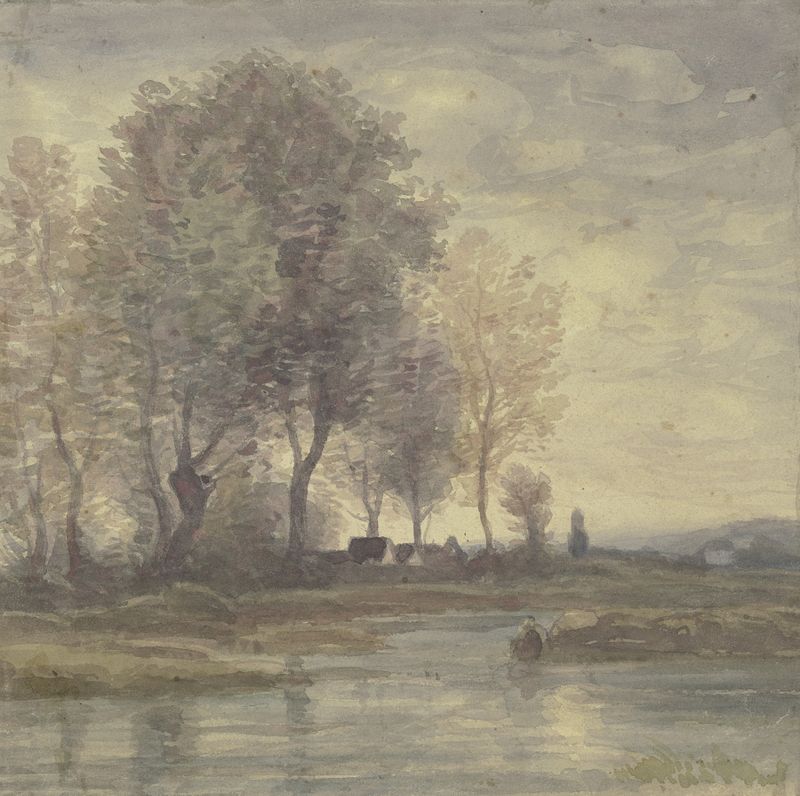
Gewässer mit Bauernhäusern unter hohen Bäumen
Peter Burnitz





