
Destroyed Village, War Front — History & Facts
In the aftermath of devastation, how can we reconcile the weight of loss with the hope for what comes next? Look to the center of the canvas, where the skeletal remains of structures stand against a backdrop of muted earth tones, each one a testament to past lives. Notice how the artist's use of shadow deepens the sense of despair, while the subtle play of light hints at resilience. The brushwork is textured and raw, evoking the remnants of humanity amidst desolation, inviting viewers to engage with both the beauty and sorrow of this poignant moment. Delve deeper into the scattered debris, where fragments of life are still visible—a broken chair, a crumpled photograph, each object imbued with a story yearning to be told.
The contrast between the harshness of destruction and the delicate details of personal artifacts elicits a profound emotional tension. This legacy of loss not only documents a moment in time but also compels us to reflect on the cyclical nature of history, where the echoes of past tragedies resonate within contemporary society. During the early 20th century, while creating this work, MacLaughlan grappled with the turmoil of a world ensnared by conflict. Emerging from a period filled with socio-political upheaval and the repercussions of war, the artist sought to capture the raw essence of grief and resilience.
His experience as a war artist profoundly shaped his perspective, allowing him to convey the heartache and enduring hope characteristic of his time.
More Artworks by Donald Shaw MacLaughlan
Browse all →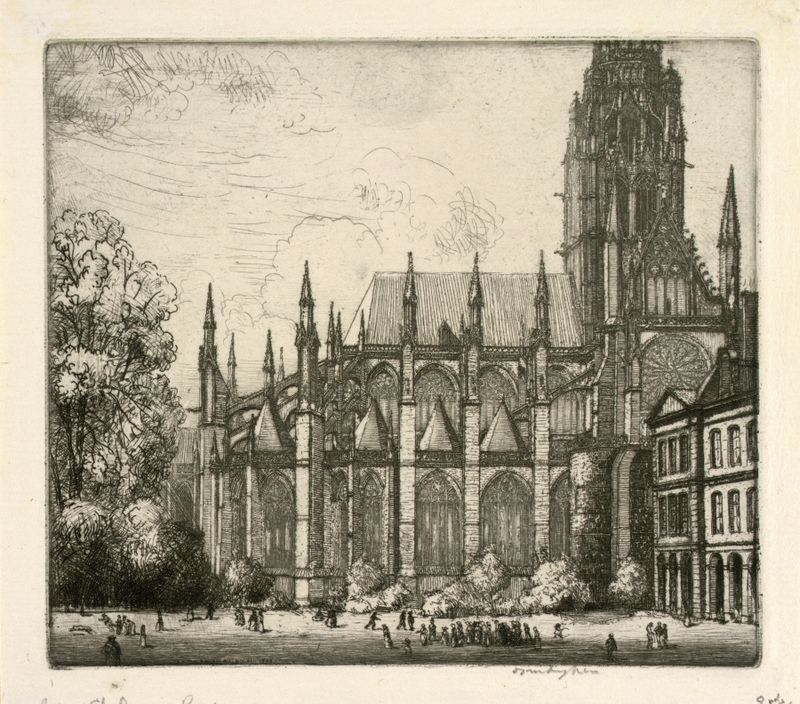
Saint-Ouen, Rouen
Donald Shaw MacLaughlan

Ruelle des Pigeons, Rouen
Donald Shaw MacLaughlan
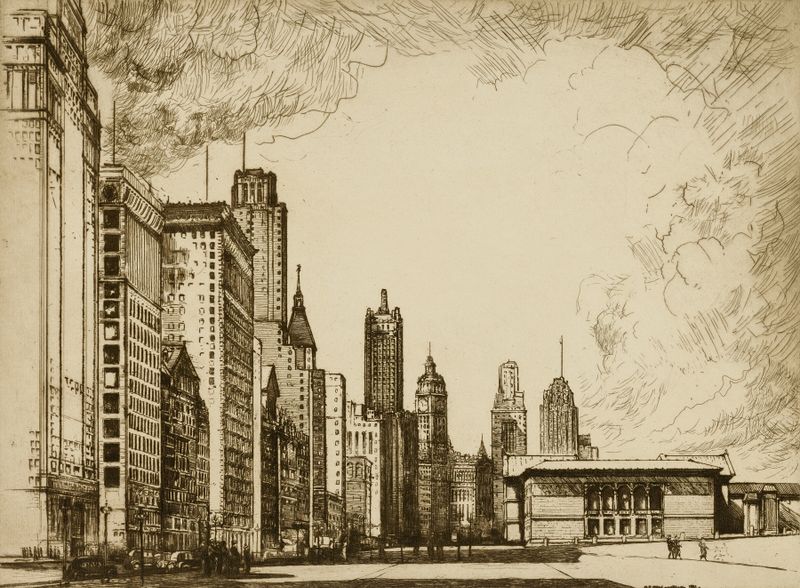
Chicago, Michigan Avenue no. 2
Donald Shaw MacLaughlan
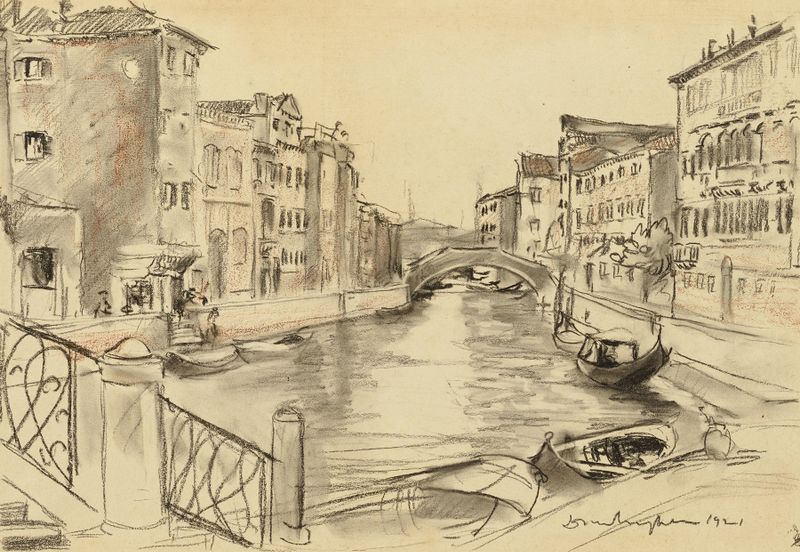
A Canal at Venice
Donald Shaw MacLaughlan
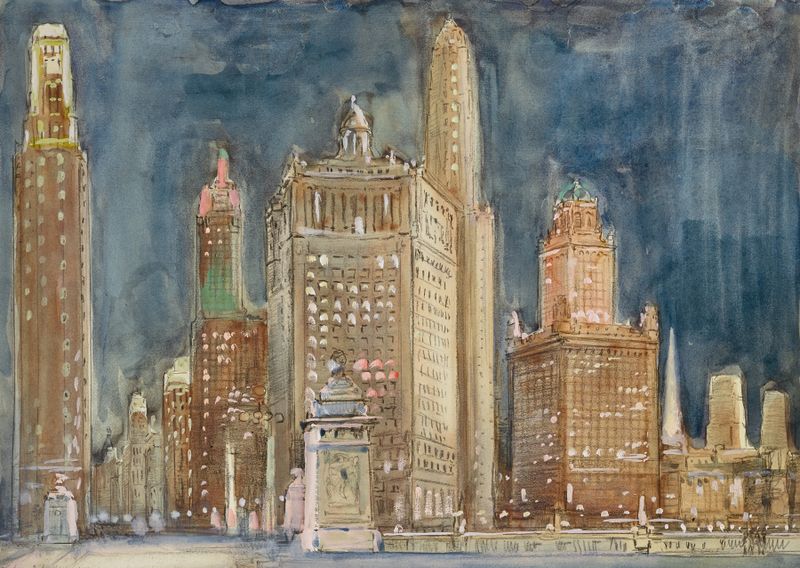
Chicago, London Guaranty Building
Donald Shaw MacLaughlan
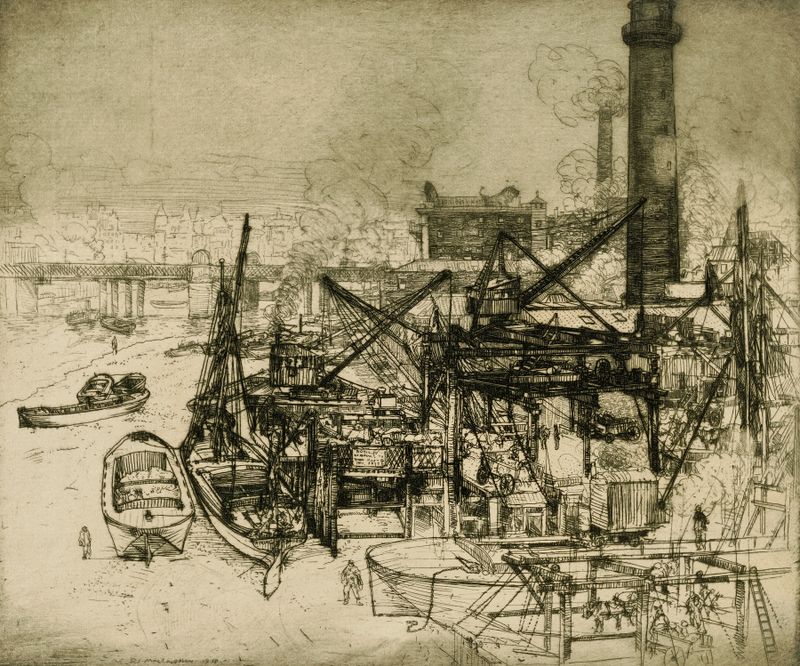
Chimneys and Cranes on the Thames
Donald Shaw MacLaughlan

London on the Thames
Donald Shaw MacLaughlan
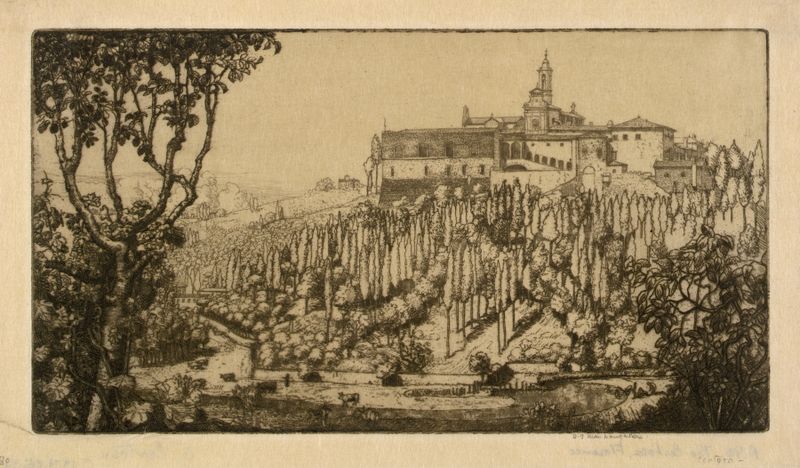
The Certosa, Florence
Donald Shaw MacLaughlan
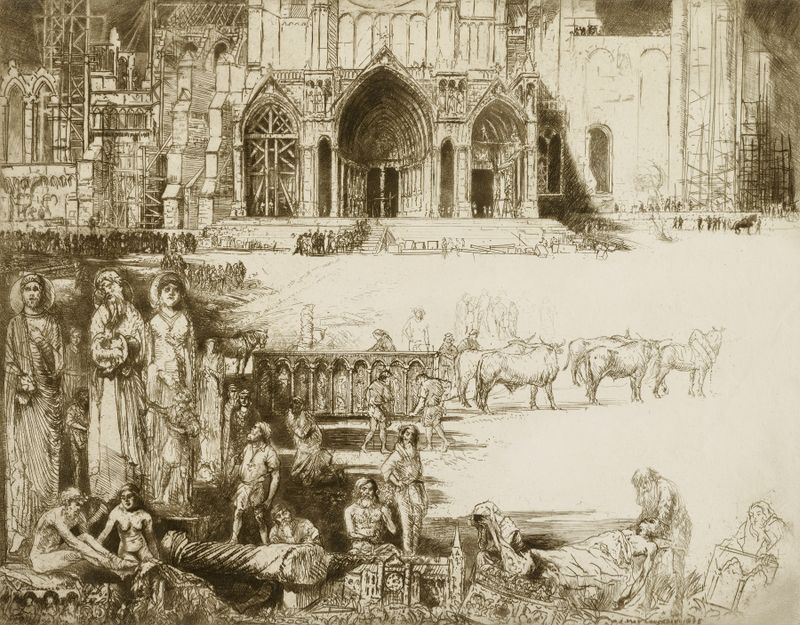
The Builders of Chartres Cathedral
Donald Shaw MacLaughlan

The Canal Life, Venice
Donald Shaw MacLaughlan





