
Dhole of Sumatra — History & Facts
In Dhole of Sumatra, the viewer is presented with a striking scene featuring a dhole, a wild dog native to Southeast Asia. The painting showcases rich earthy tones, with the dhole's reddish-brown fur contrasting against a lush green background. The setting appears to be a dense forest, filled with foliage that captures the essence of the animal's natural habitat.
The overall composition is dynamic, inviting the viewer to appreciate the beauty of wildlife in its environment. The painting is executed in oil on canvas, a medium that allows for vibrant colors and detailed textures. The brushwork is expressive, highlighting the dhole's fur and the surrounding vegetation. The dimensions are approximately 60 x 80 cm, making it a medium-sized artwork that can be appreciated both up close and from a distance.
The use of light and shadow adds depth, enhancing the realism of the scene. Charles Hamilton Smith was known for his detailed studies of animals and nature, often blending scientific observation with artistic expression. This painting reflects his interest in wildlife, particularly the dhole, which was less known to European audiences at the time. An interesting fact about this work is that it not only serves as an artistic representation but also contributes to the understanding of the species during the early 19th century.
Smith's work remains significant in the context of natural history and art.
More Artworks by Charles Hamilton Smith

Marengo, Bonaparte’s Arab
Charles Hamilton Smith
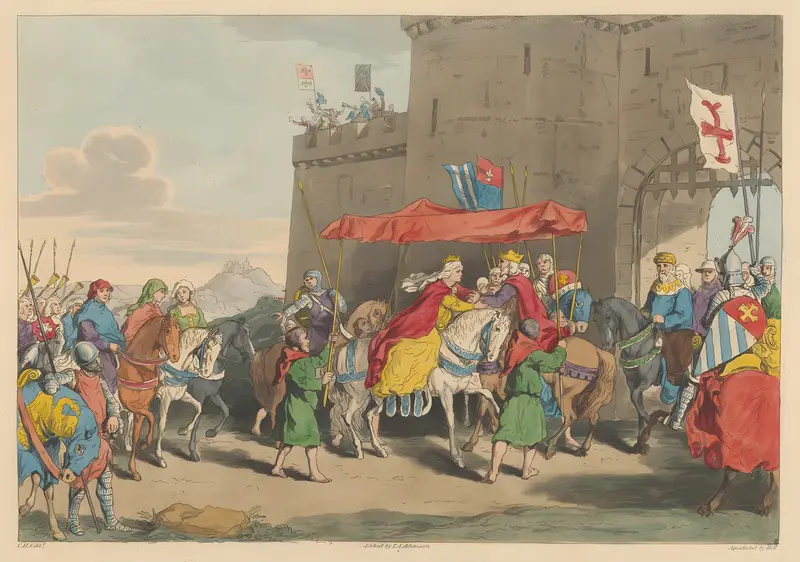
Costume of the Reign of King Henry III
Charles Hamilton Smith
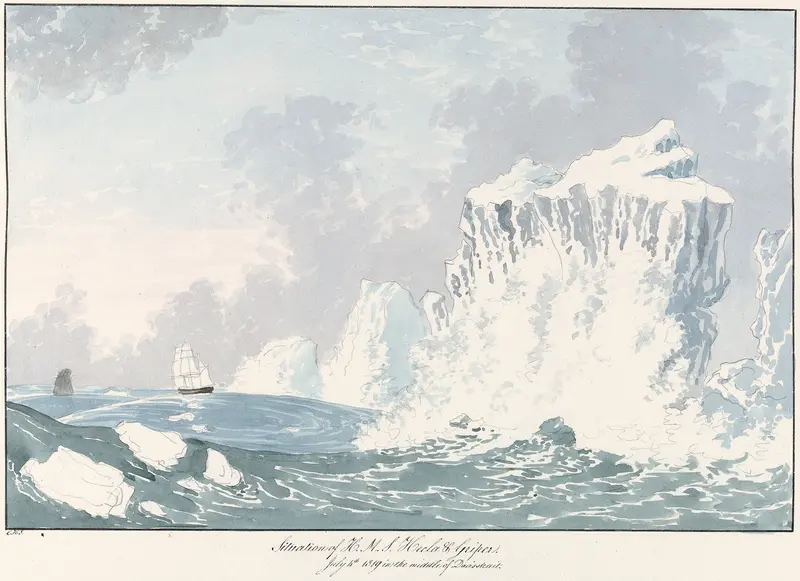
Situation of H.M.S. Hecla & Griper
Charles Hamilton Smith
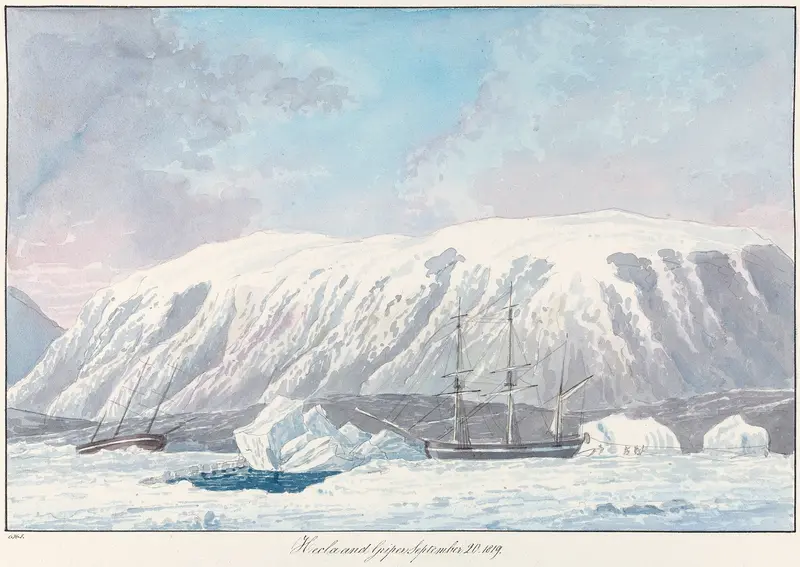
Hecla and Griper
Charles Hamilton Smith
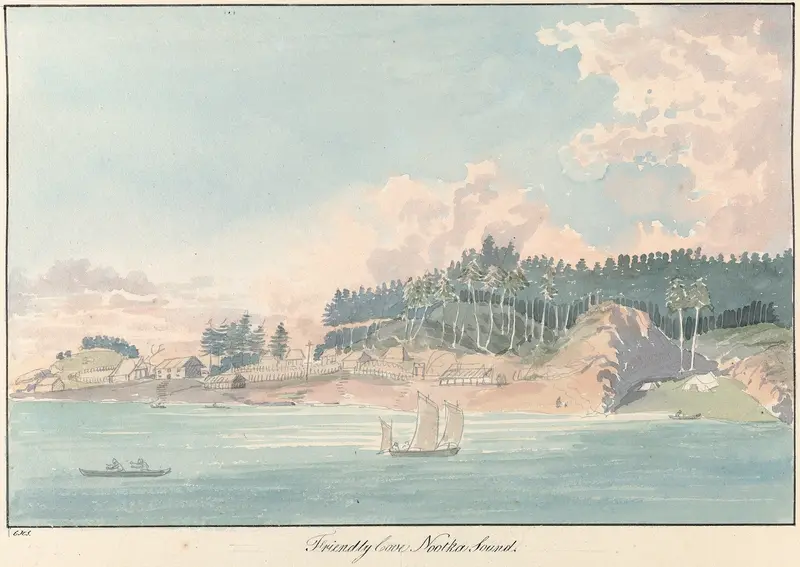
Friendly Cove, Nootka Sound
Charles Hamilton Smith
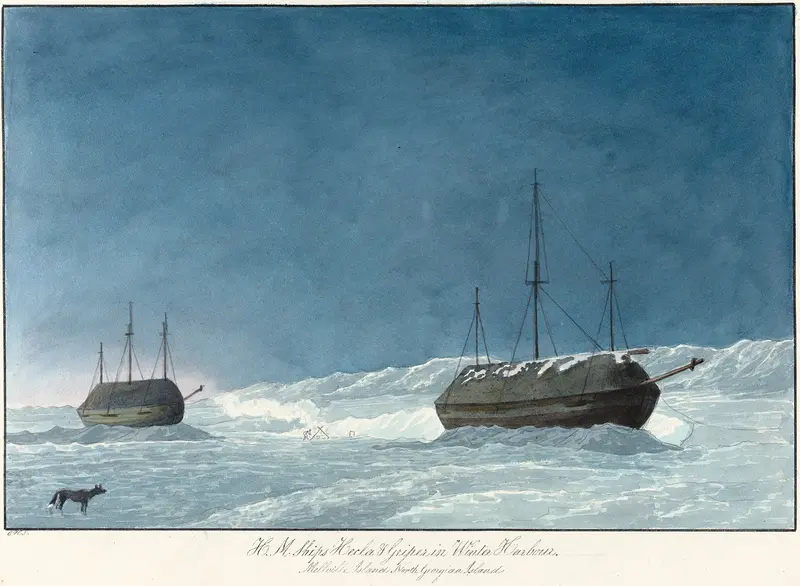
H. M. Ships Hecla and Griper in Winter Harbour
Charles Hamilton Smith
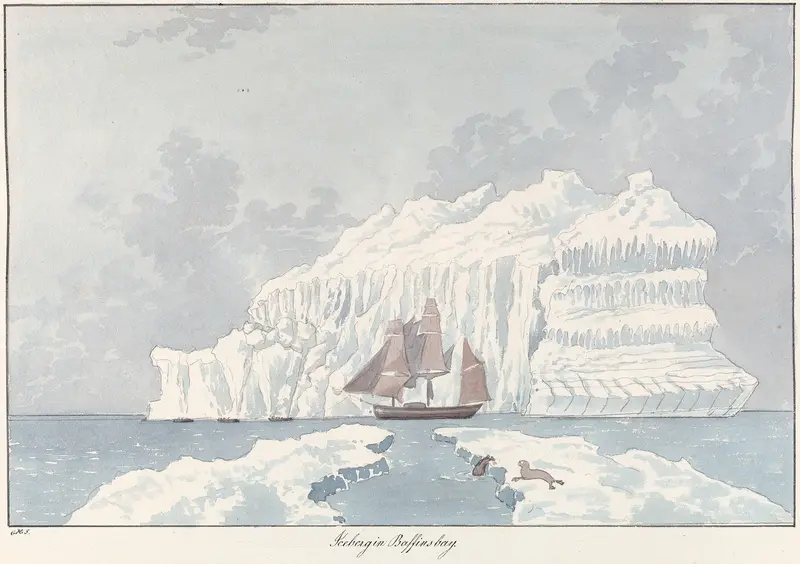
Iceberg in Baffin’s Bay
Charles Hamilton Smith
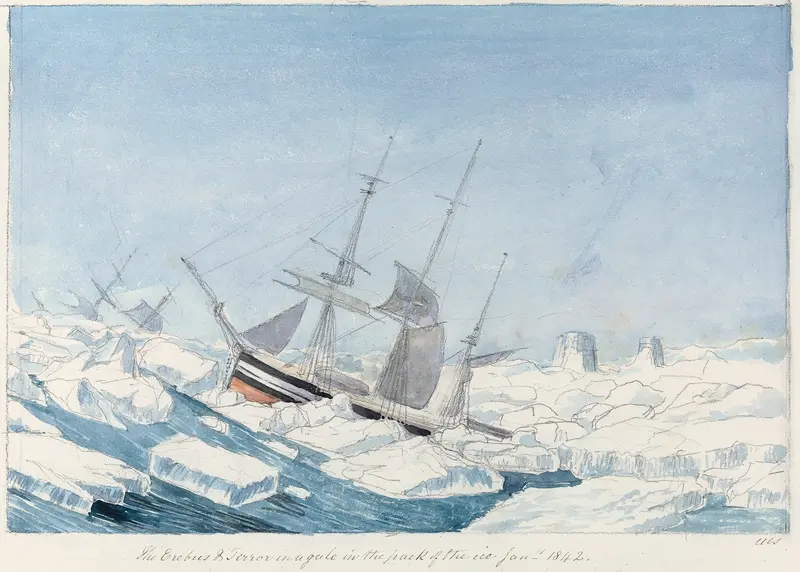
The Erebus & Terror in a Gale in the Pack of the Ice
Charles Hamilton Smith
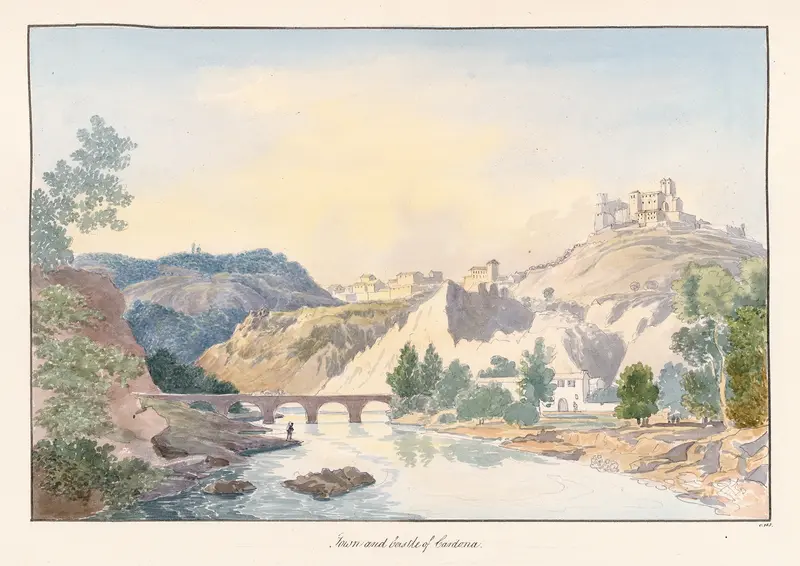
Town and Castle of Cardona
Charles Hamilton Smith
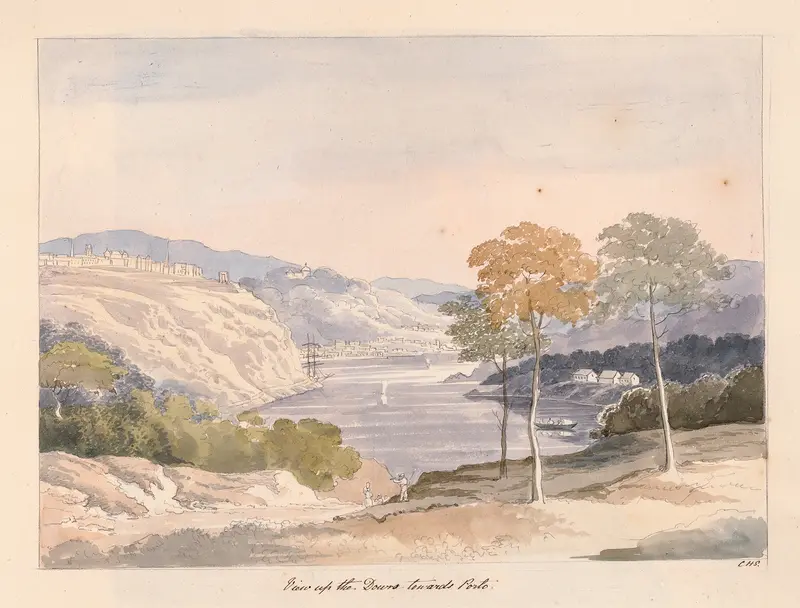
View of the Douro towards Porto
Charles Hamilton Smith





