Discover insights about this artwork
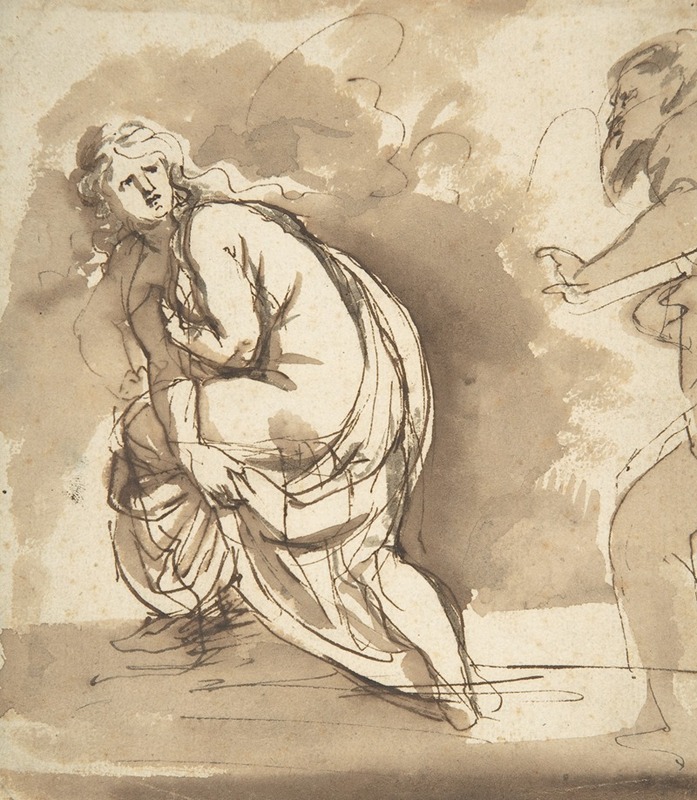
Diana at the Bath — History & Facts
In Diana at the Bath, Rembrandt van Rijn presents a serene scene featuring the goddess Diana. The painting is characterized by warm tones of gold and brown, creating a soft and inviting atmosphere. Diana is depicted partially draped, surrounded by lush greenery and flowing water, emphasizing her connection to nature.
The light gently illuminates her figure, enhancing the tranquility of the moment. The painting is executed in oil on canvas, a common medium for Rembrandt during the Dutch Golden Age. The artist's signature chiaroscuro technique is evident, with strong contrasts between light and shadow that add depth to the composition. The brushwork is fluid and expressive, capturing the softness of Diana's skin and the textures of her surroundings.
Viewers can appreciate the meticulous attention to detail in the foliage and water. Rembrandt van Rijn created Diana at the Bath during a period when he was exploring themes of mythology and femininity. This work reflects his interest in the human form and the beauty of nature, showcasing his ability to blend mythological subjects with intimate settings. Interestingly, this painting is one of the few works where Diana is depicted in such a relaxed and vulnerable state.
It highlights Rembrandt's innovative approach to traditional themes in art.
More Artworks by Rembrandt van Rijn
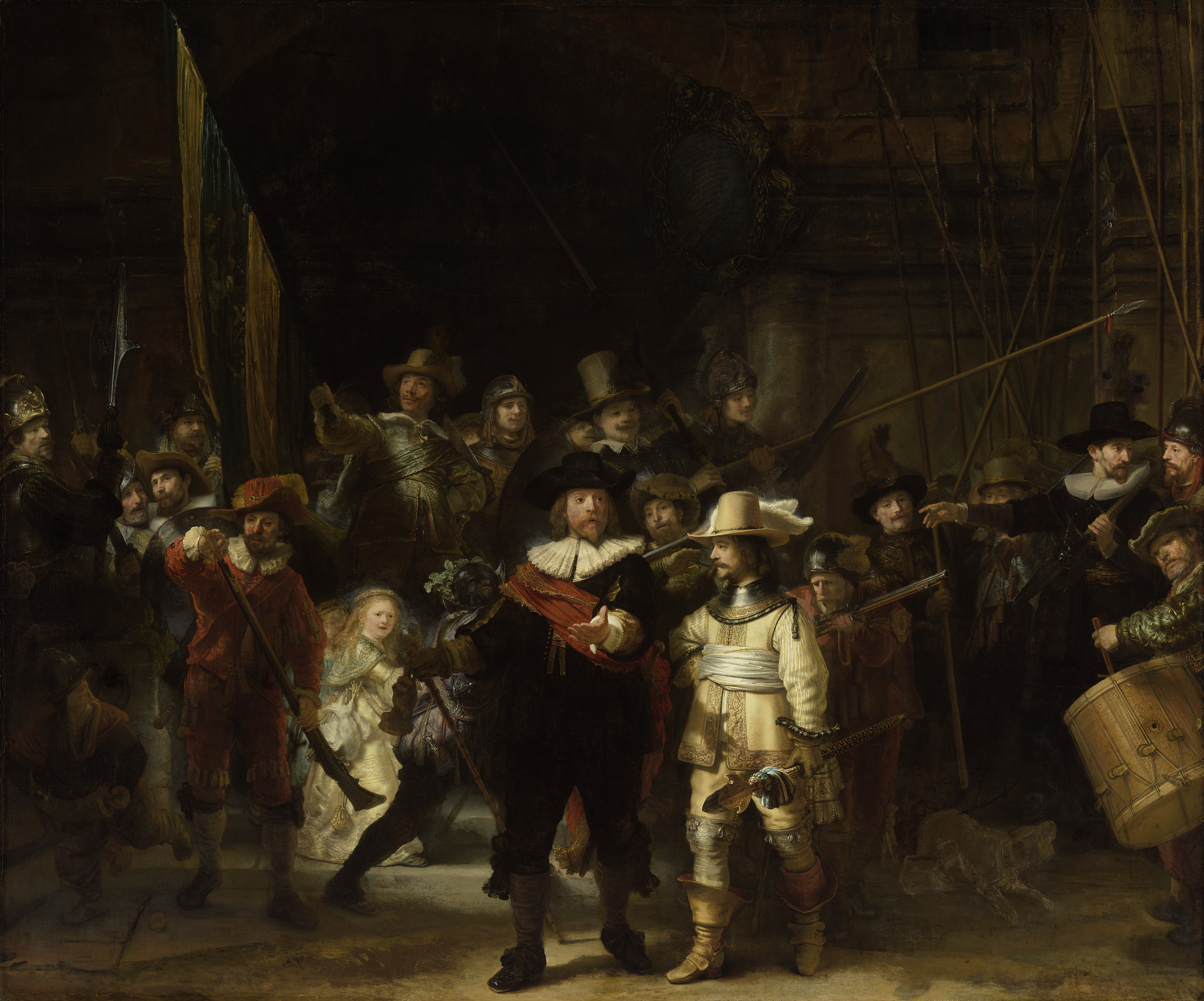
The Night Watch Militia Company of District II under the Command of Captain Frans Banninck Cocq
Rembrandt van Rijn
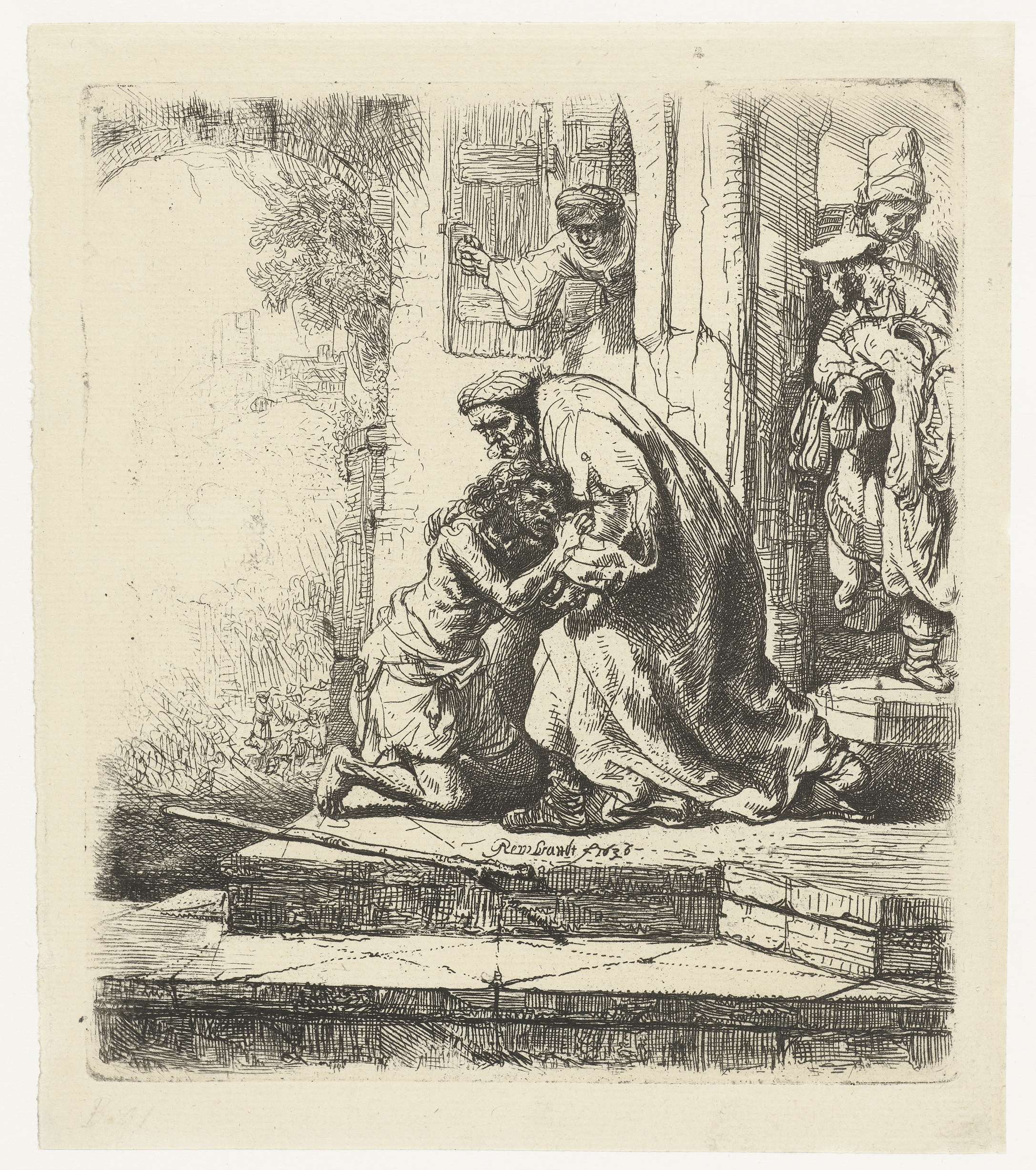
The Return of the Prodigal Son
Rembrandt van Rijn
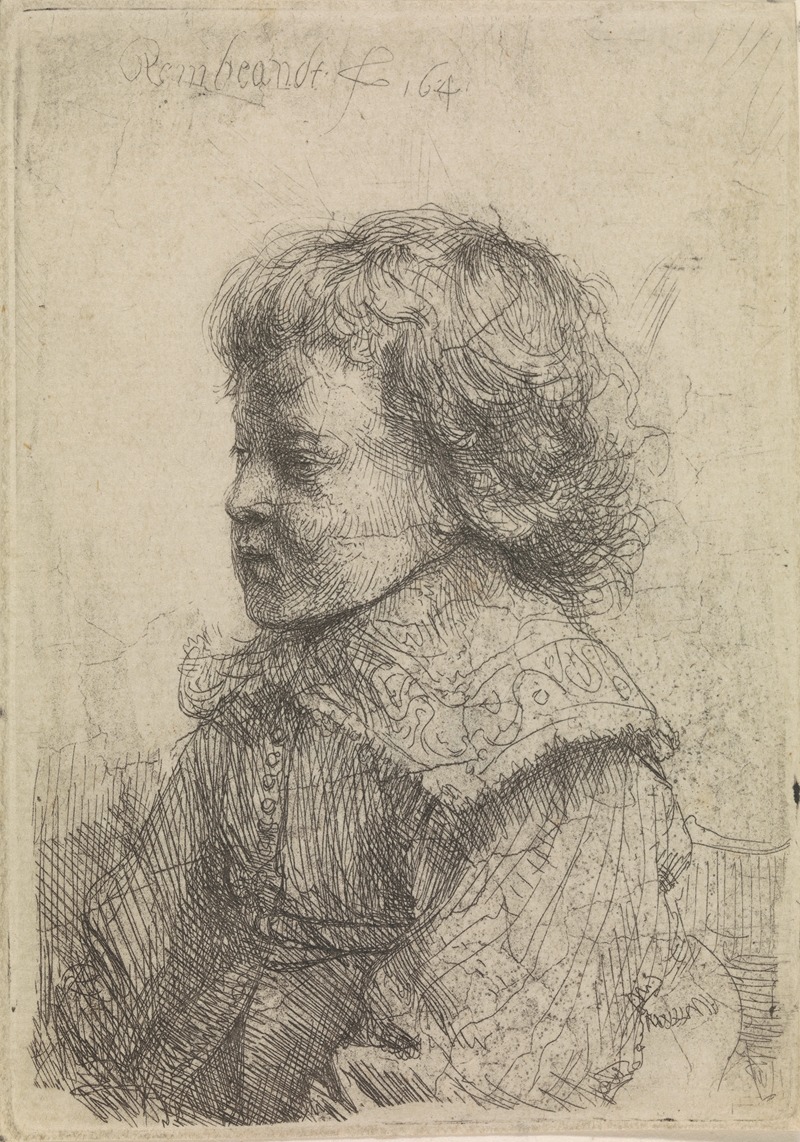
Portrait of a boy in profile
Rembrandt van Rijn
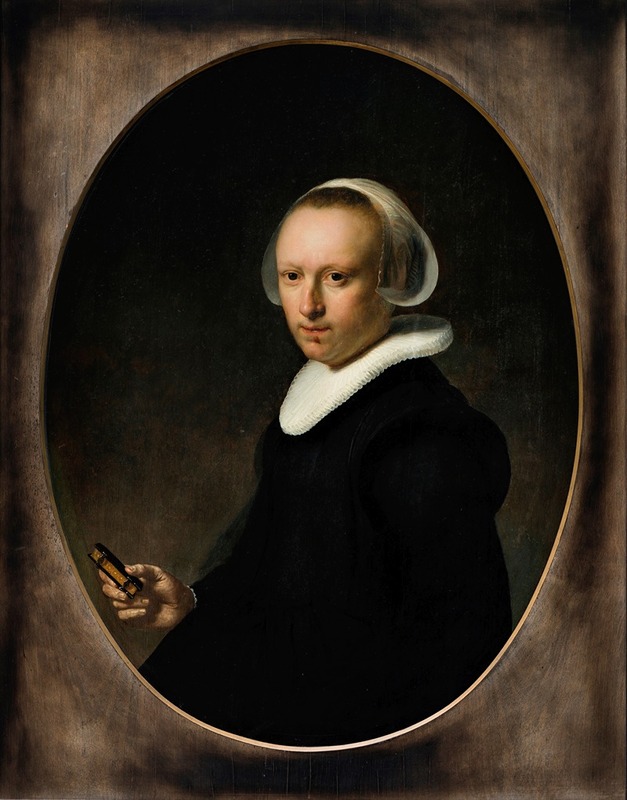
Portrait of a 39-year-old Woman
Rembrandt van Rijn
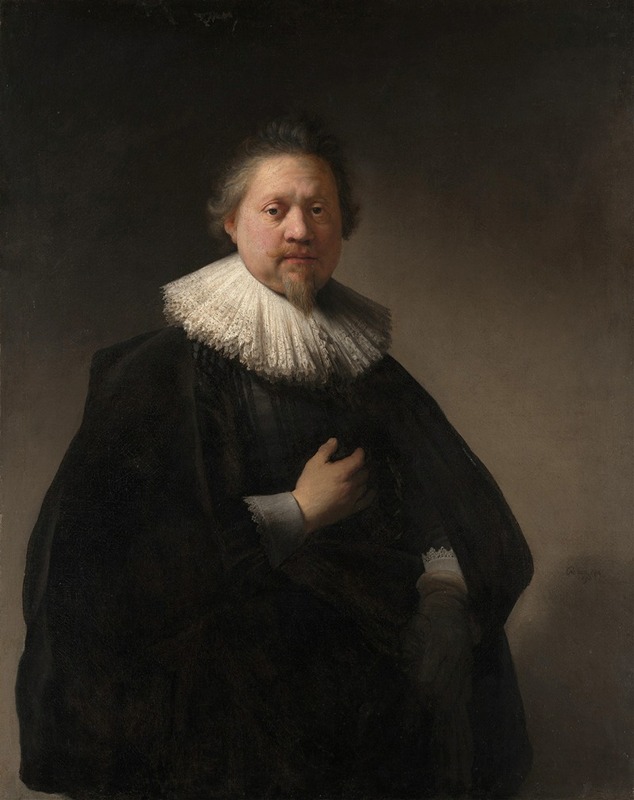
Portrait of a Man
Rembrandt van Rijn
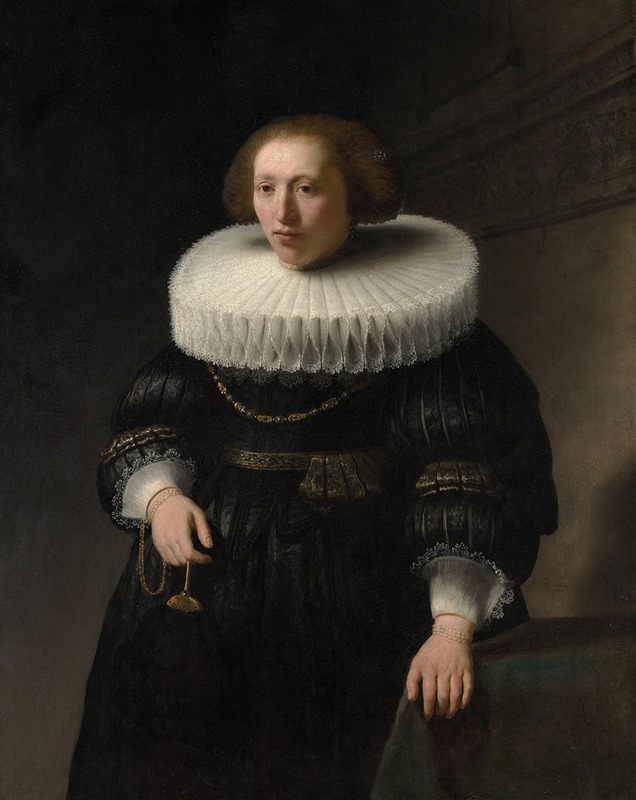
Portrait of a Woman
Rembrandt van Rijn
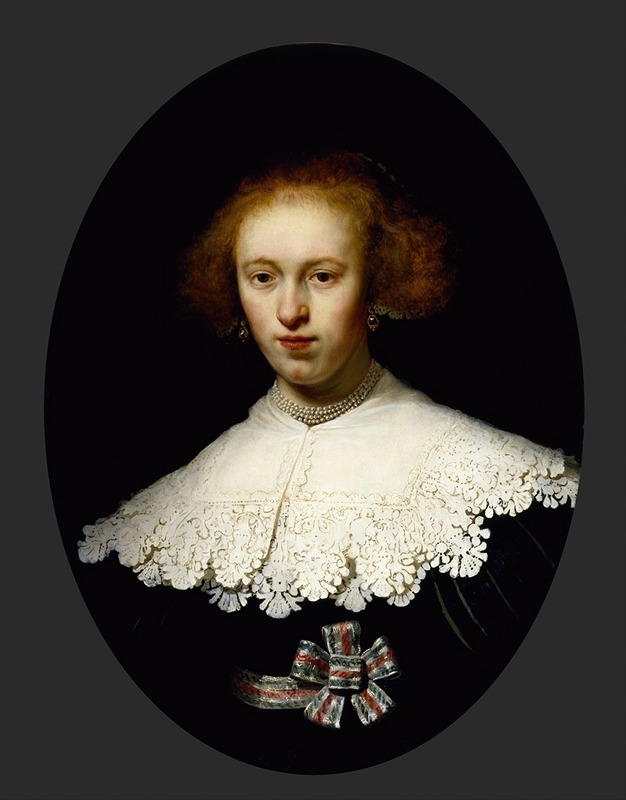
Portrait of a Young Woman
Rembrandt van Rijn
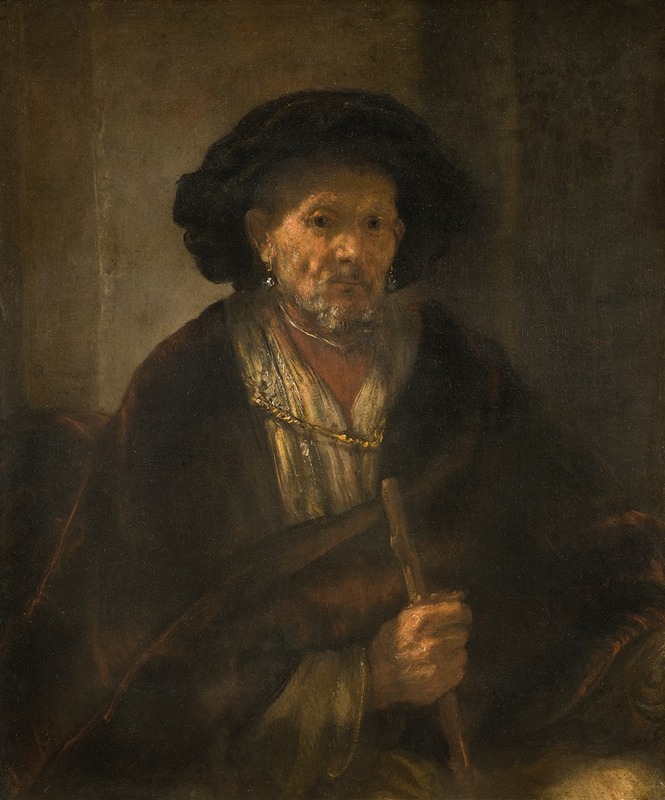
Portrait of an Old Man
Rembrandt van Rijn
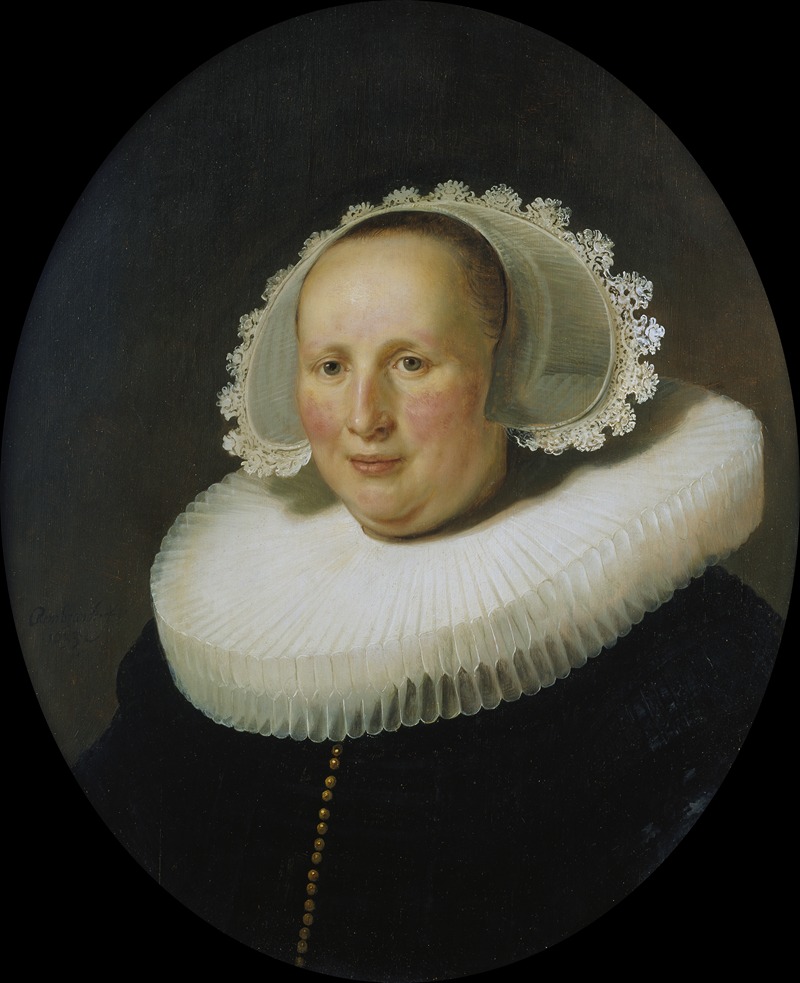
Portrait of Maertgen van Bilderbeecq
Rembrandt van Rijn
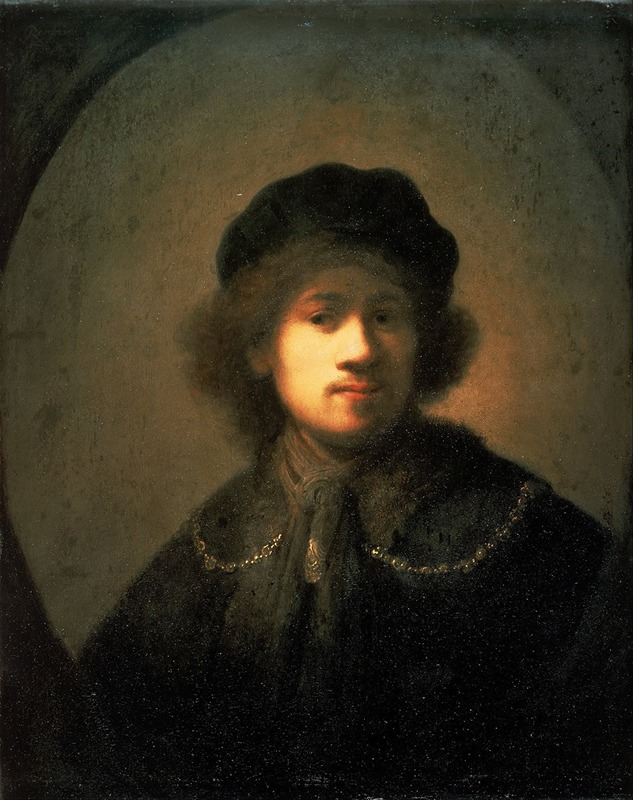
Portrait of the Artist as a Young Man
Rembrandt van Rijn