
Die Burg Chinon und das Ufer der Vienne — History & Facts
What secret hides in the quiet of the canvas? Beneath the stillness portrayed, one senses an undercurrent of movement, a whisper of stories yet untold. Look to the foreground where the Vienne river glimmers, its surface a mirror that captures the vibrant hues of the surrounding landscape. Notice how the artist masterfully employs soft brush strokes to render the gentle ripples of the water, creating a sense of life and fluidity. In the distance, the imposing silhouette of the Châteaux de Chinon stands tall against a backdrop of lush greenery, the warm light of dawn casting a golden glow upon its ancient stones.
The juxtaposition of the tranquil river and the steadfast castle evokes a tension between nature's serenity and the weight of history. Hidden within the painting are layers of meaning—each element invites contemplation. The river, flowing endlessly, symbolizes the passage of time, while the castle represents permanence, a testament to endurance amidst change. The interplay of light and shadow further enhances this dichotomy, suggesting that even in stillness, there is an unspoken dynamism that pervades the scene.
Each brushstroke captures the essence of both movement and stasis, inviting the viewer to reflect on their own journey through this world. In this work, Lismann was likely influenced by the Romantic movement, capturing the ethereal beauty of the French landscape. While the exact date of creation remains unknown, the artist's commitment to portraying a sense of place and the subtleties of nature aligns with the 19th-century longing for connection with the past. The era was marked by explorations in both art and emotion, and this piece stands as a testament to that quest for depth and meaning within the picturesque.
More Artworks by Hermann Lismann
Browse all →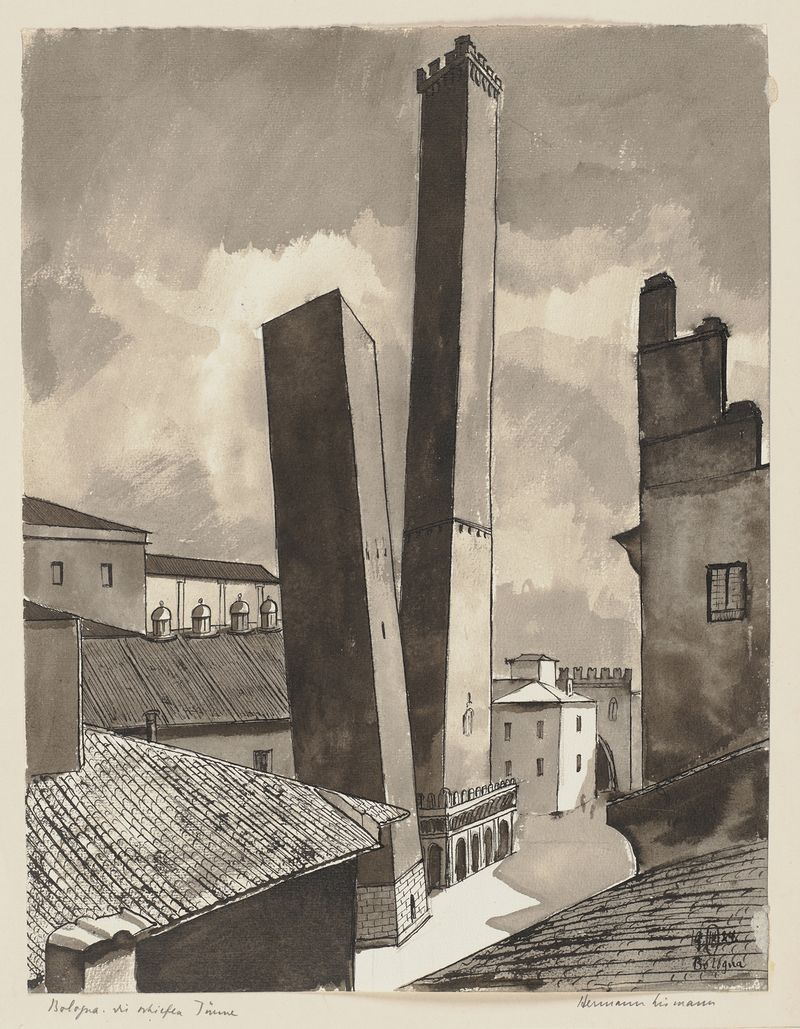
Die beiden Türme Garisenda und Asinelli in Bologna
Hermann Lismann
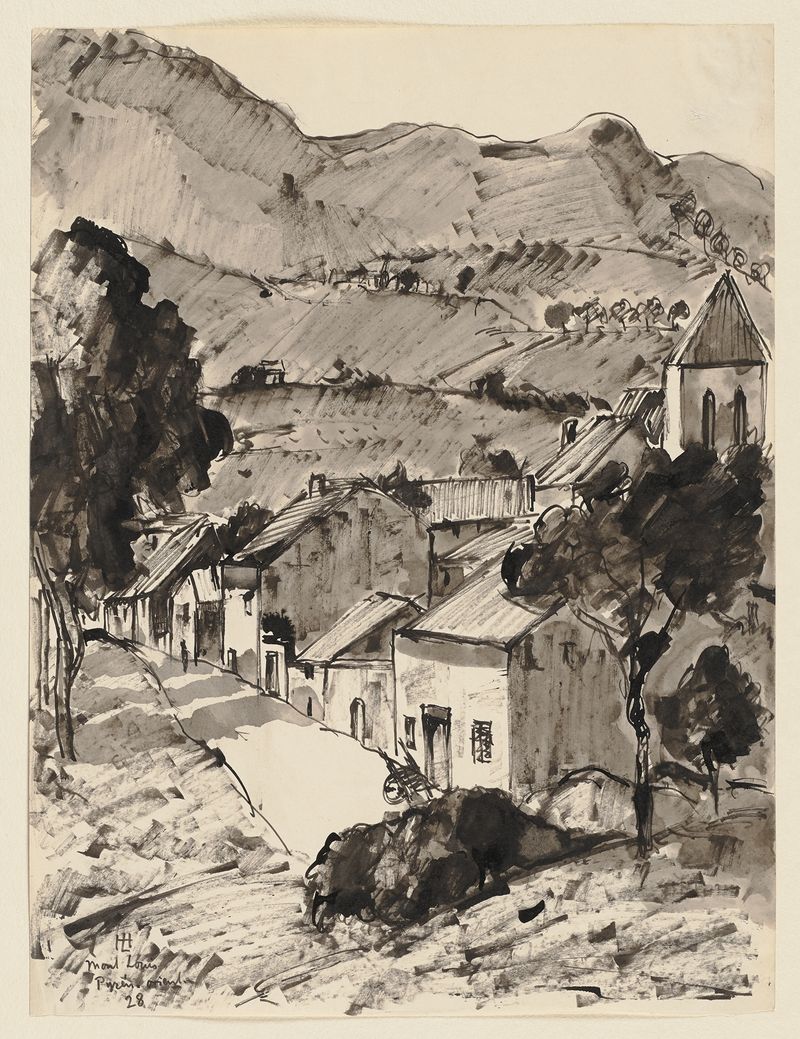
Mont-Louis
Hermann Lismann
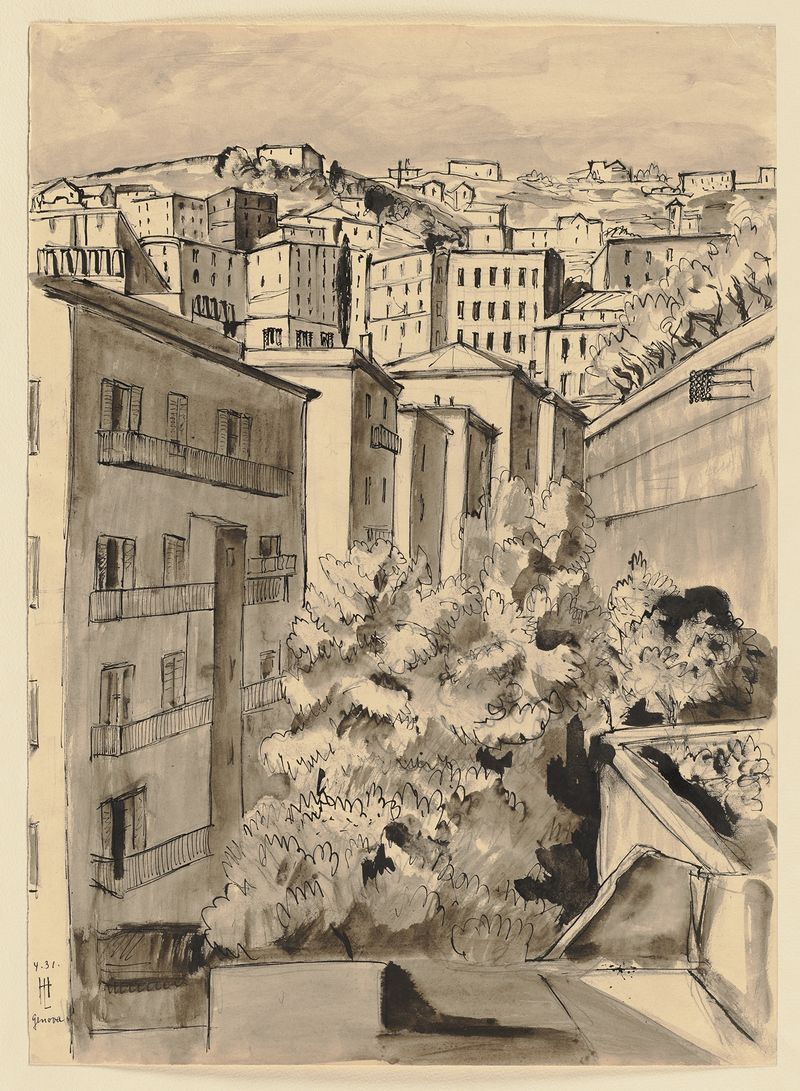
View of Genoa
Hermann Lismann
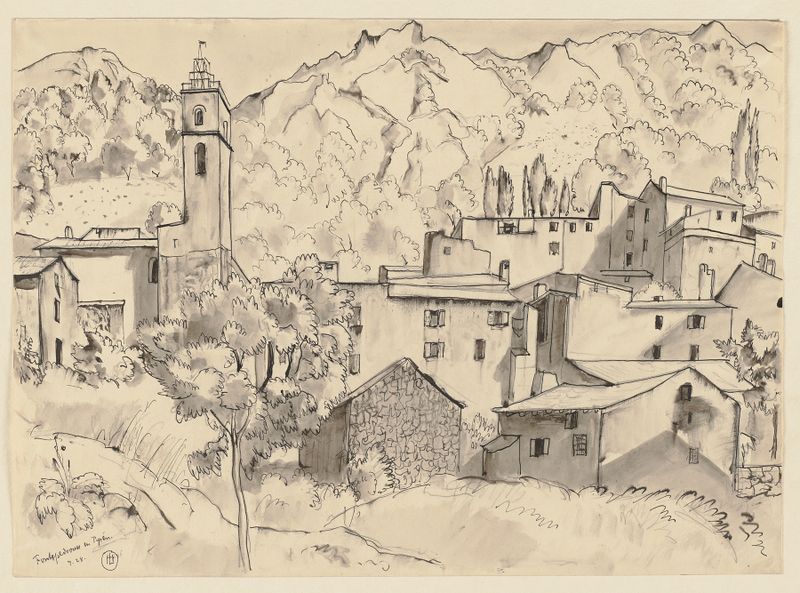
Fontpédrouse en Pyrénées
Hermann Lismann
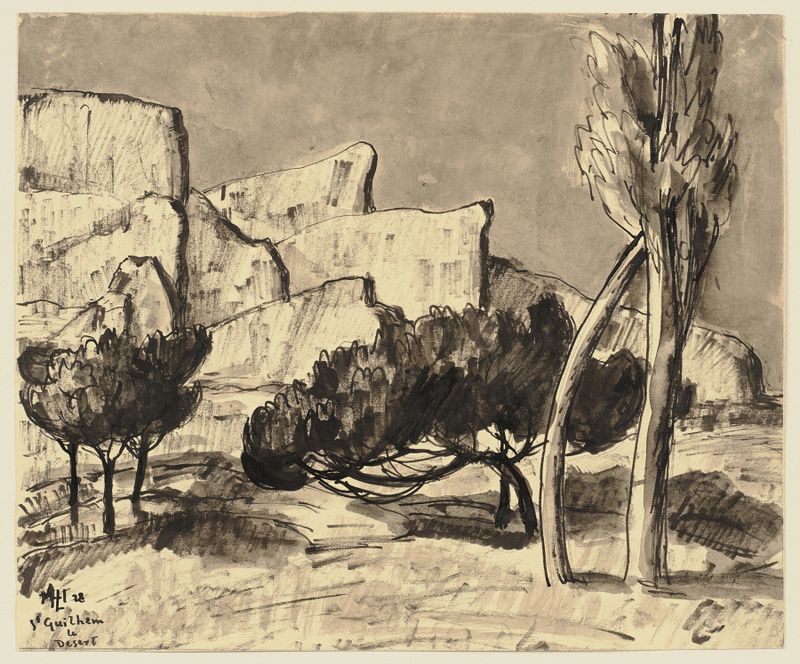
Saint-Guilhem-le-Désert
Hermann Lismann
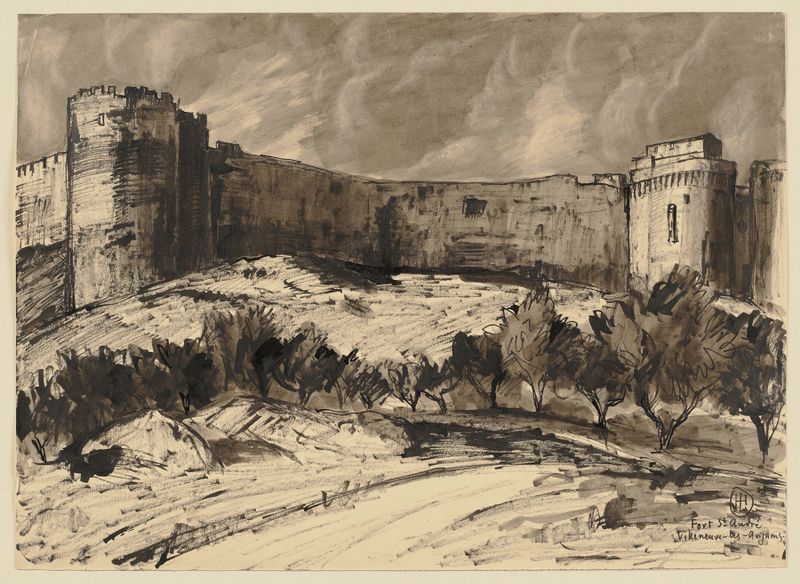
Fort Saint-André in Villeneuve-les-Avignon
Hermann Lismann
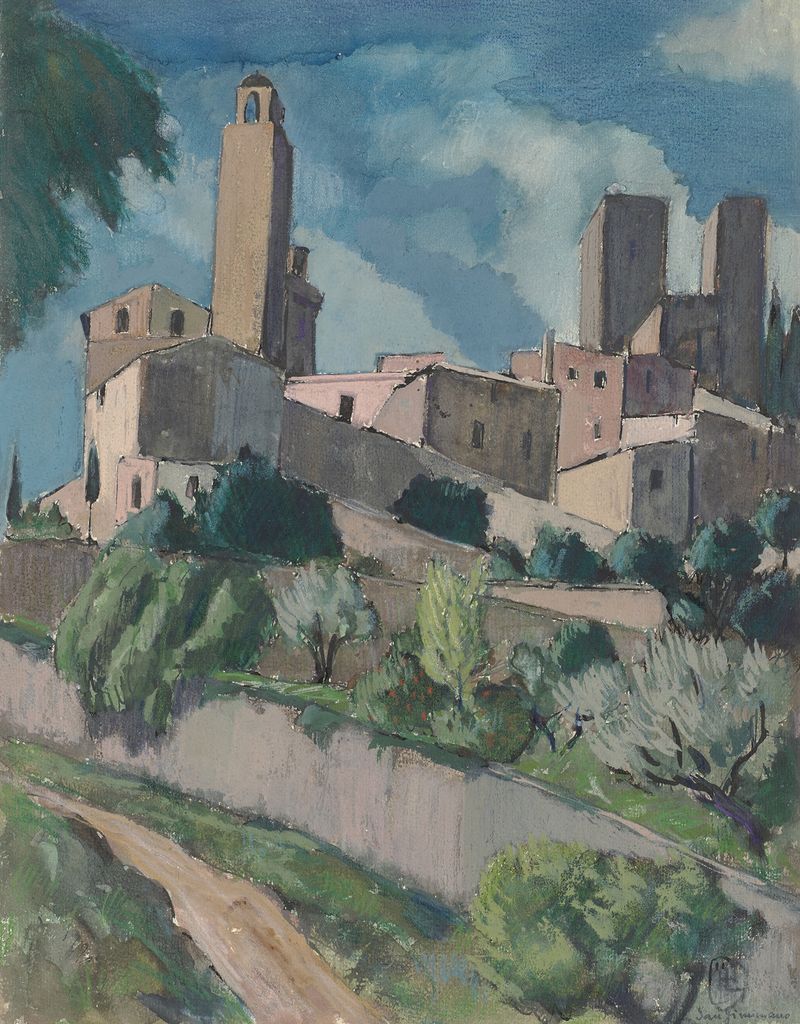
San Gimignano
Hermann Lismann
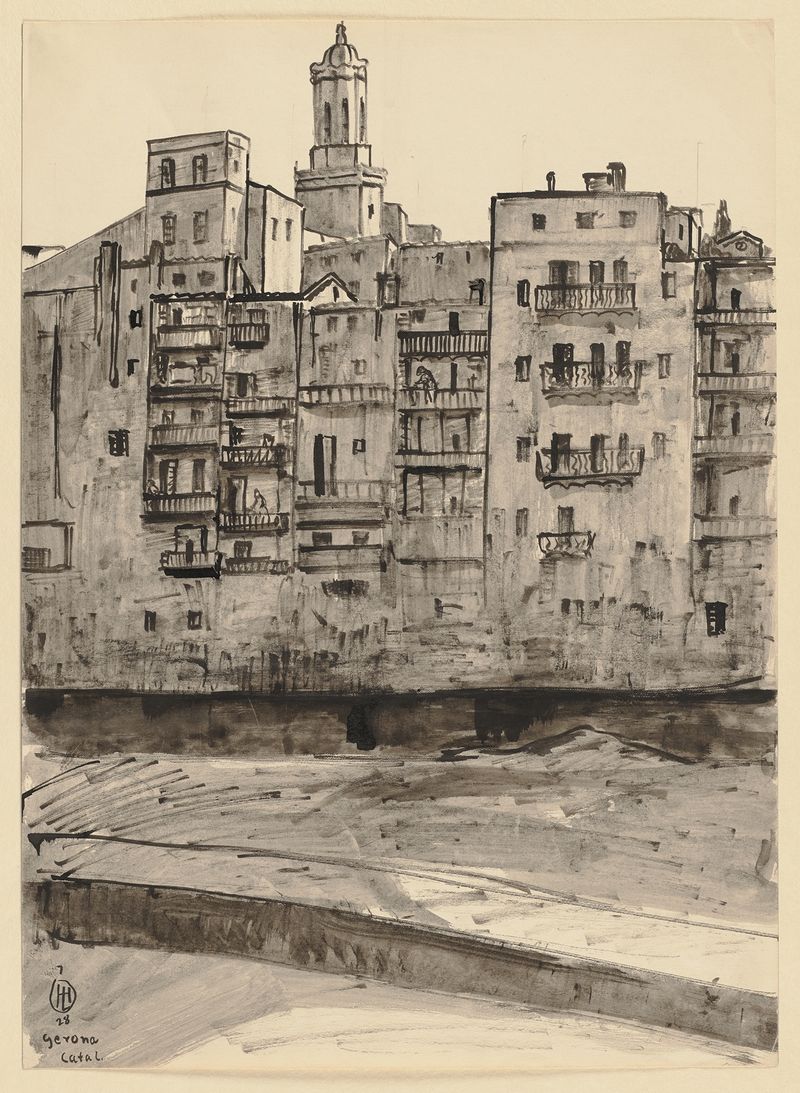
Girona vom Fluss aus gesehen, im Hintergrund der Turm der Kathedrale
Hermann Lismann
Saint Thomas, Pyrénées
Hermann Lismann
Collioure
Hermann Lismann





