Die Kohlmessergasse und der Salzgries bei der Ruprechtsstiege — History & Facts
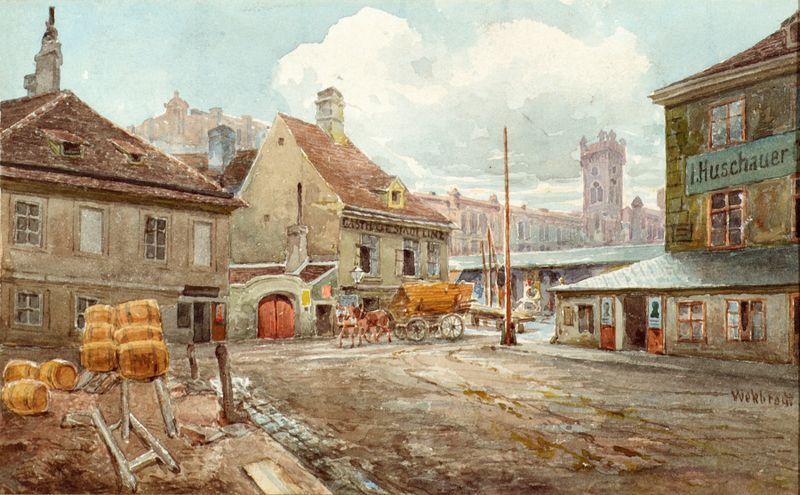
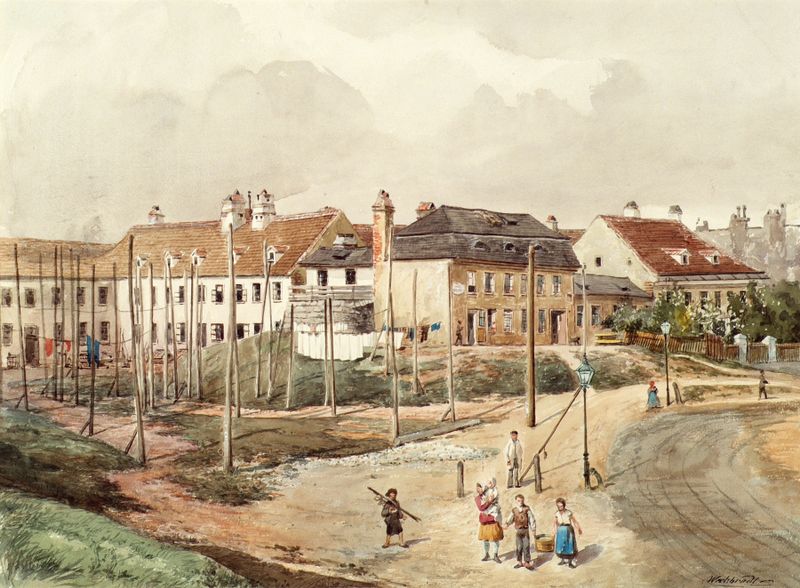
Could a single brushstroke hold eternity? In the delicate interplay of light and shadow, Die Kohlmessergasse und der Salzgries bei der Ruprechtsstiege invites contemplation on balance, showing that the subtlety of our surroundings can echo profoundly in our lives. As you approach, your gaze is drawn first to the intricate cobblestones underfoot, their textured surfaces inviting a tactile connection. The soft gradient of muted earth tones harmonizes with the faint hints of green and blue in the background, creating a serene urban landscape. Notice how the artist employs gentle brushstrokes to depict the play of light on the buildings, instilling a sense of warmth and comfort amidst the architectural rigidity of the scene. Beneath this tranquil exterior lies a quiet tension between the bustling city life and the stillness of the depicted moment.
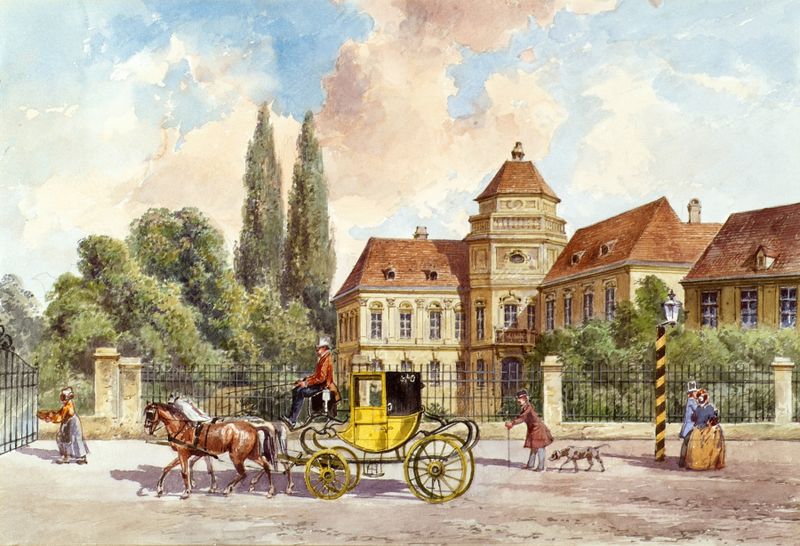
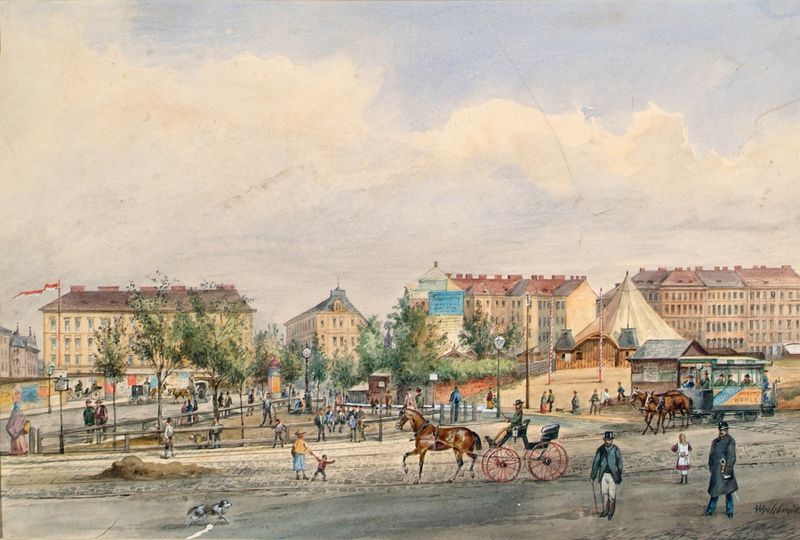
The careful arrangement of architectural elements demonstrates the balance between man-made structures and nature, symbolized by the trees peeking through the urban setting. Each stroke captures not just the physical environment but also the emotional resonance of a city shaped by time and memory, urging us to appreciate the unseen stories that linger within its walls. Ferdinand Weckbrodt painted this piece during a period when the art world was embracing realism, focusing on everyday life and ordinary scenes. The exact date is unknown, but his work reflects a growing interest in urban landscapes in 19th-century Vienna, where he sought to capture the essence of the cityscape amid the rapid changes of modernity.
This artwork resonates with the viewer not just as a scene, but as a slice of existence, artfully balanced between the past and the present.