
Die Quelle (The Spring) — History & Facts
In Die Quelle (The Spring), Hans Thoma presents a lush landscape filled with vibrant greens and soft blues. The painting features a serene spring scene, with a gentle stream flowing through a verdant meadow. Trees frame the composition, their leaves catching the light, while flowers bloom in various colors.
The overall atmosphere is tranquil and inviting, drawing the viewer into nature's embrace. The painting is executed in oil on canvas, a medium that allows for rich color saturation and texture. Thoma's brushwork is visible, with soft strokes that create a sense of movement in the foliage and water. The colors are harmonious, enhancing the peaceful feeling of the scene.
The dimensions of the artwork are approximately 80 x 100 cm, making it a substantial piece that commands attention. Hans Thoma was a prominent figure in the Romantic movement, known for his depictions of nature and rural life. Die Quelle reflects his fascination with the beauty of the natural world and the emotional connections it evokes. An interesting fact about this work is that it was created during a period when Thoma was exploring themes of harmony between humanity and nature.
This painting exemplifies his ability to convey a sense of peace and serenity through landscape.
More Artworks by Hans Thoma

Fable – Knight
Hans Thoma

Self-Portrait from Munich
Hans Thoma

Landscape in the Black Forest
Hans Thoma
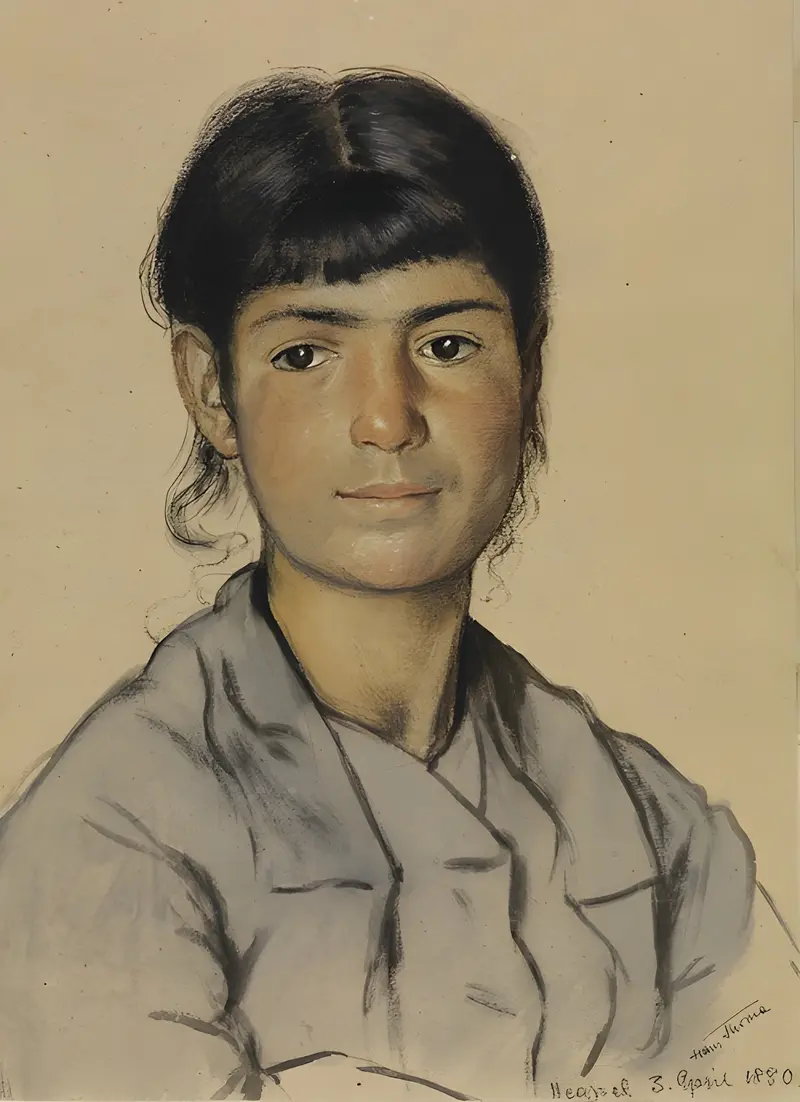
Portrait of a young Neapolitan woman
Hans Thoma
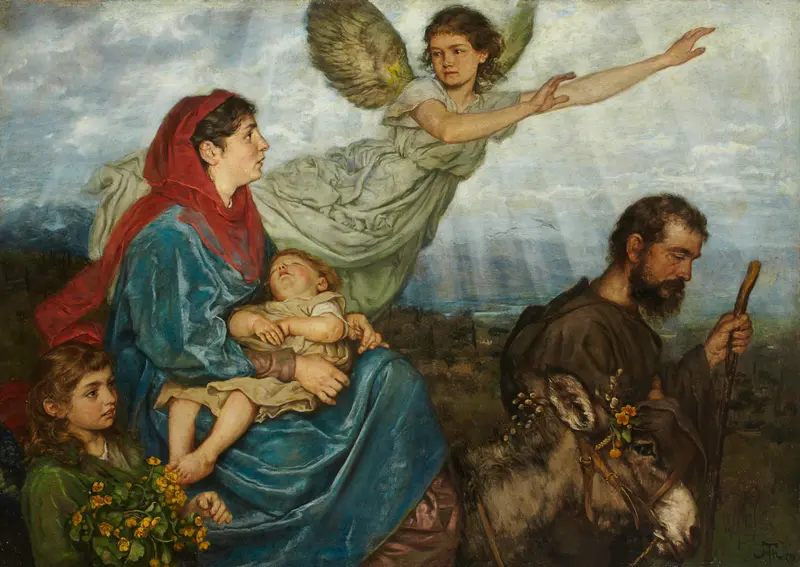
The Flight into Egypt
Hans Thoma
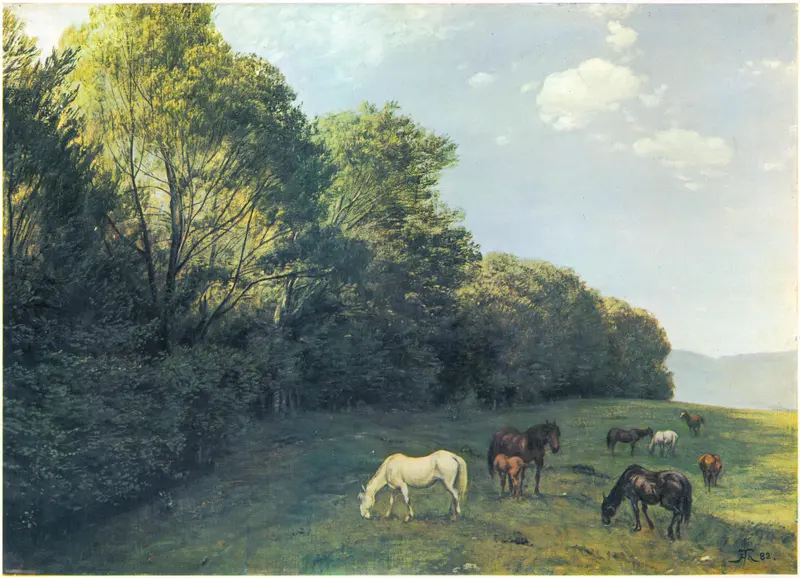
Landschaft mit weidenden Pferden
Hans Thoma
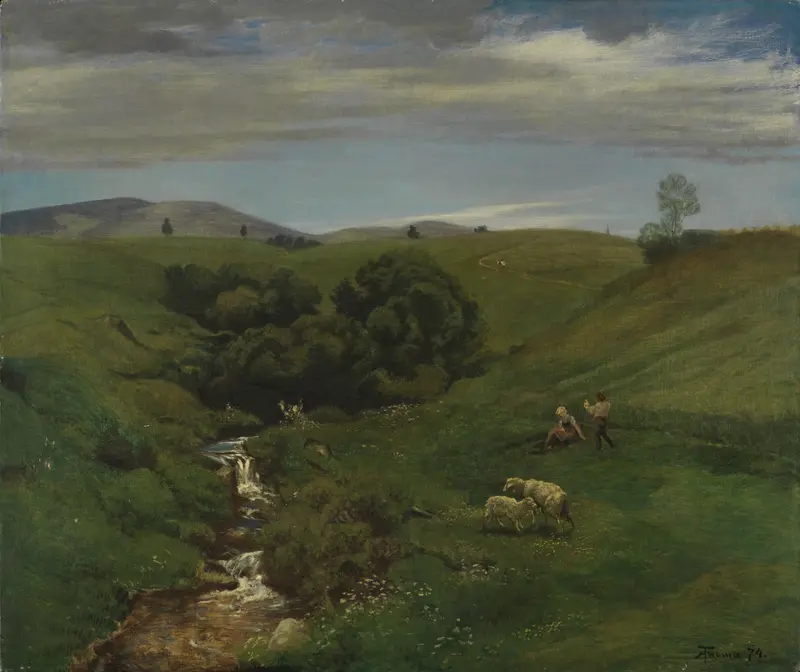
Black Forest Meadow near Bernau
Hans Thoma
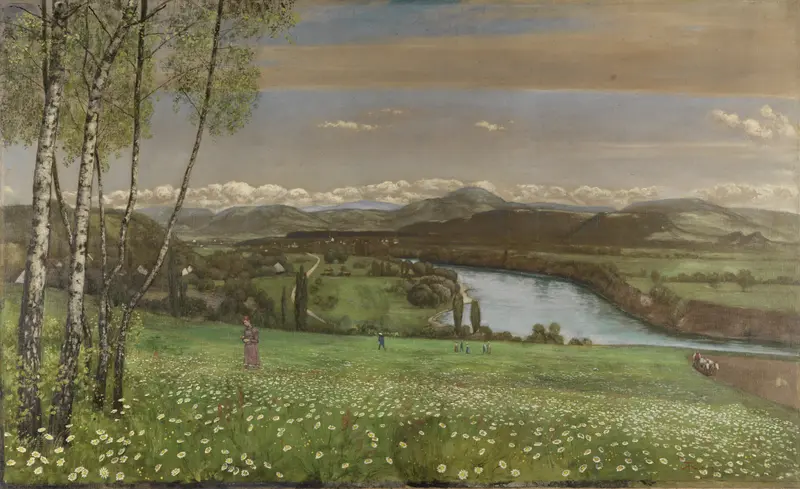
Das Rheintal bei Säckingen
Hans Thoma
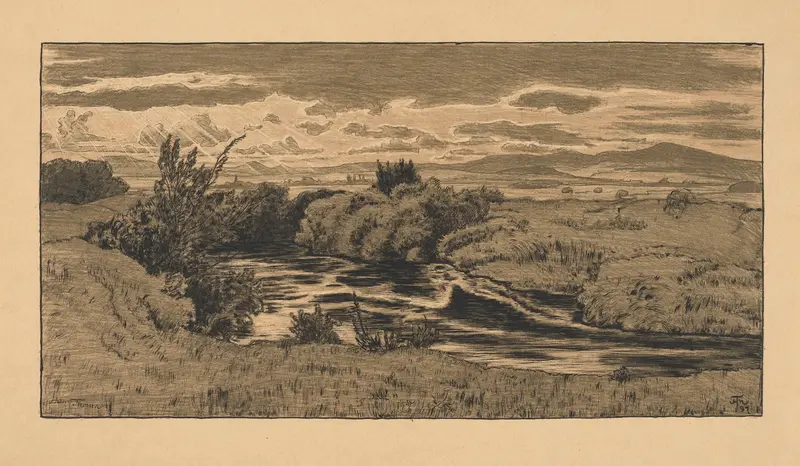
Evening by the Nidda River
Hans Thoma
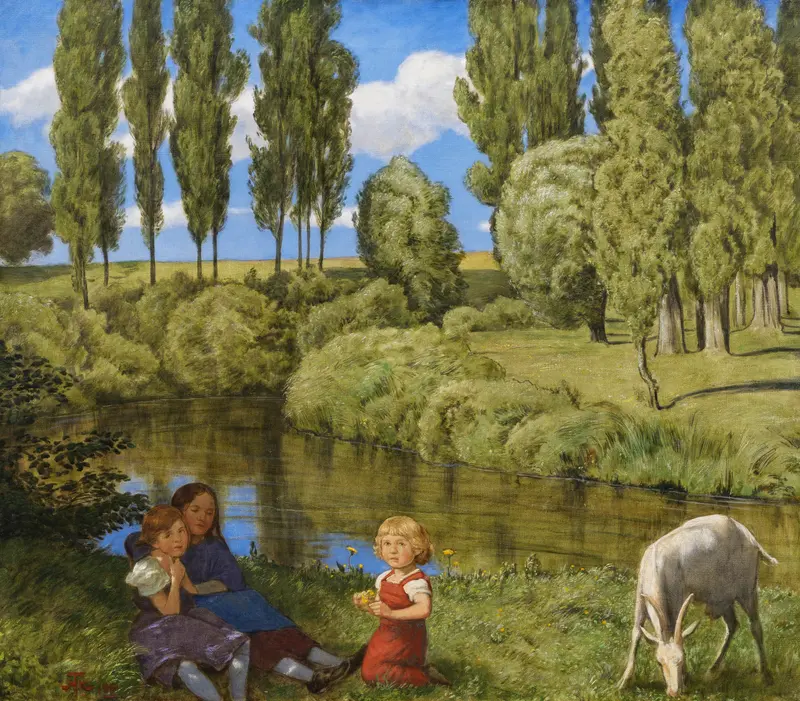
Am Stillen Bach
Hans Thoma
More Landscape Art

Starry Night
Vincent van Gogh

View of Delft
Johannes Vermeer

Water Lilies
Claude Monet

The Grand Canal, Venice, looking north-west from the Ca' Corner to the Ca' Contarini degli Scrigni, with the campanile of Santa Maria della Carità
Canaletto

Windsor Castle
Canaletto

The Grand Canal looking North-East from the Palazzo Dolfin-Manin to the Rialto Bridge
Canaletto