
Die Ruine Wittinghausen — History & Facts
In the quiet expanse of Die Ruine Wittinghausen, the weight of history rests heavily among the crumbling stones, beckoning contemplation of creation and decay. Look closely at the center where the skeletal remains of the castle rise against a backdrop of soft, golden light. The artist’s brush captures the play of sunlight filtering through scattered clouds, illuminating patches of lush greenery that reclaim the ruins. Notice how the vibrant colors contrast with the muted grays and browns of the stone, suggesting an eternal dance between life and the remnants of what once was. As you explore further, observe the gentle juxtaposition of nature and man-made structures.
The intertwining vines that embrace the castle evoke a sense of inevitability, hinting at nature’s resilience over human endeavor. Each crack and crevice tells a story, a hidden tension between the once-proud fortress and the creeping hands of time that engulf it. The stillness of the scene invites reflection on the passage of time and the bittersweet nature of human achievements. In the early 1830s, Adalbert Stifter worked on Die Ruine Wittinghausen during a time of personal introspection and societal change in Austria.
The Romantic movement was flourishing, emphasizing nature’s beauty and the ruins of cultural heritage. Stifter, immersed in this artistic wave, sought to blend his love for nature with a philosophy of growth and decay, capturing a moment that resonates deeply with viewers even today.
More Artworks by Adalbert Stifter
Browse all →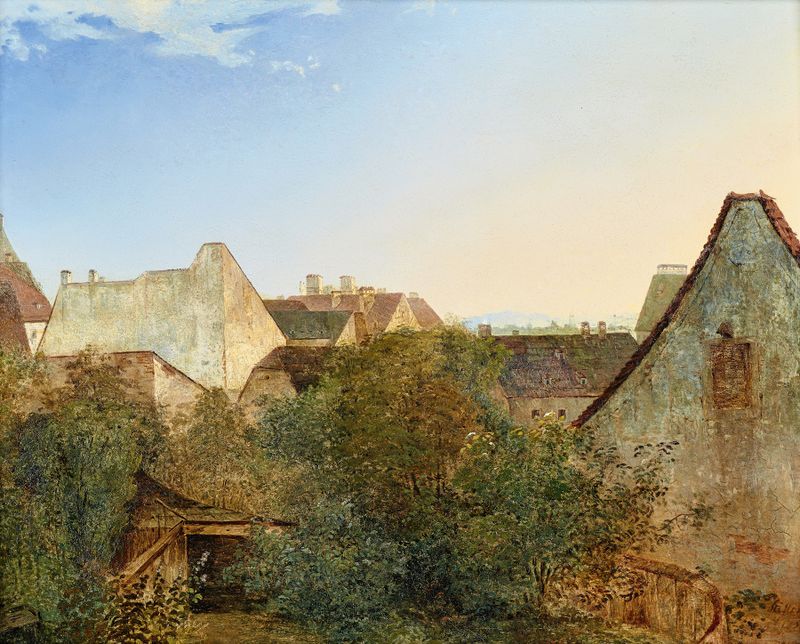
Blick über Wiener Vorstadthäuser (Beatrixgasse)
Adalbert Stifter
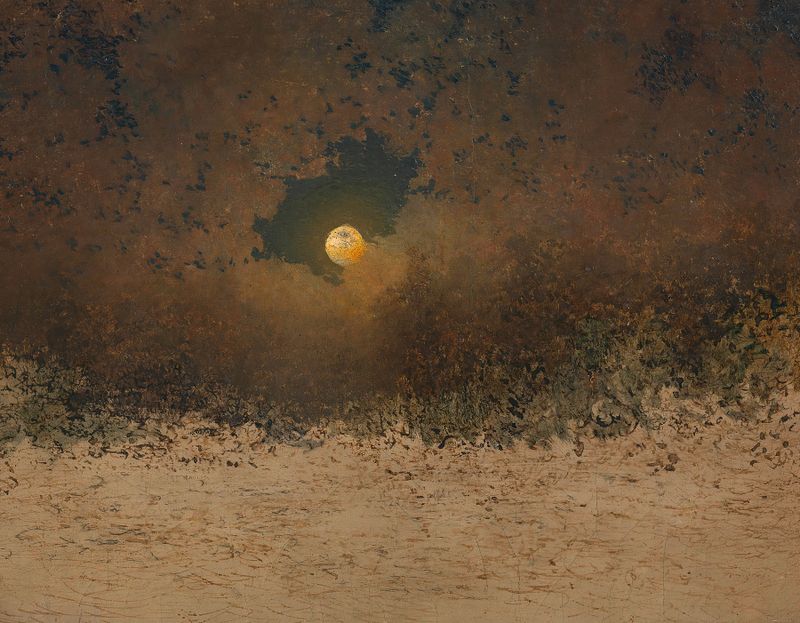
Mondlandschaft mit bewölktem Himmel
Adalbert Stifter
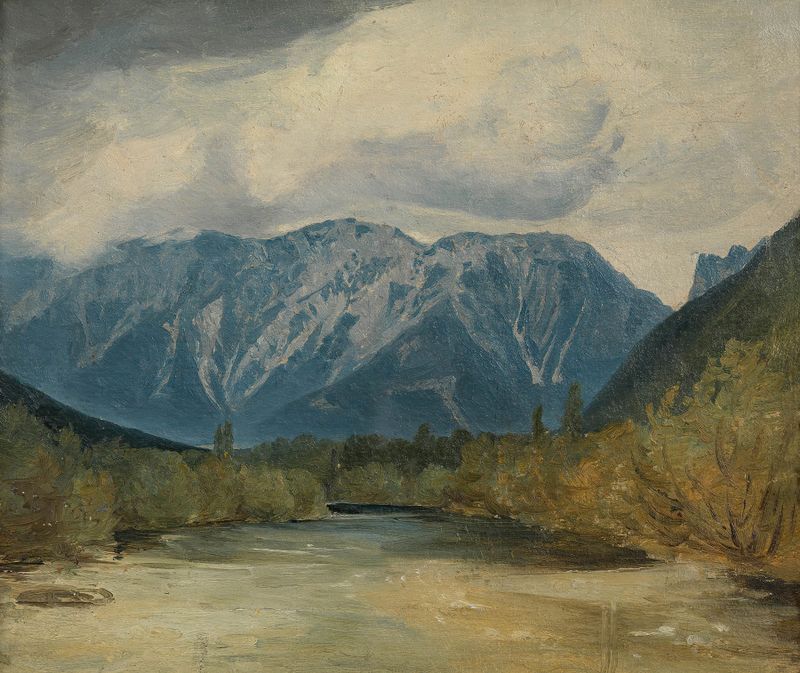
Die Rax in Niederösterreich
Adalbert Stifter
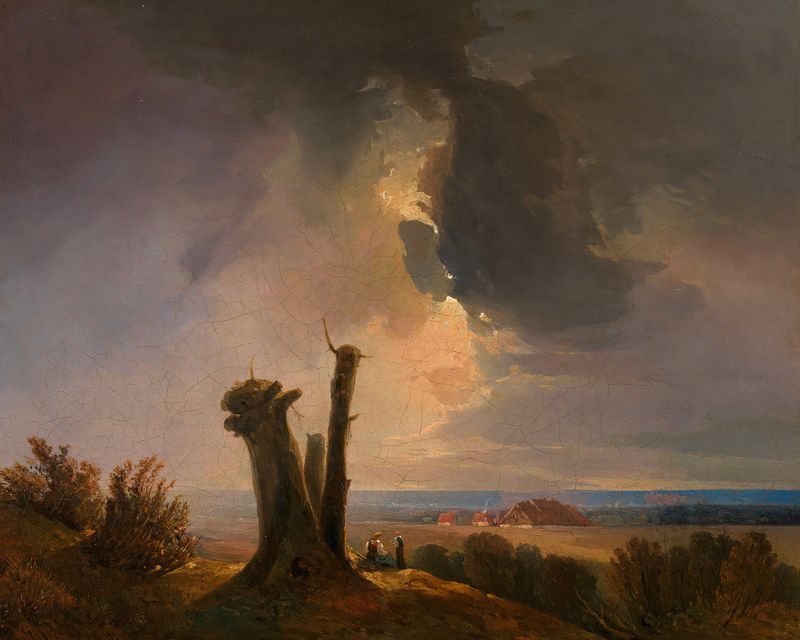
Westungarische Landschaft – Blick vom Leithagebirge
Adalbert Stifter
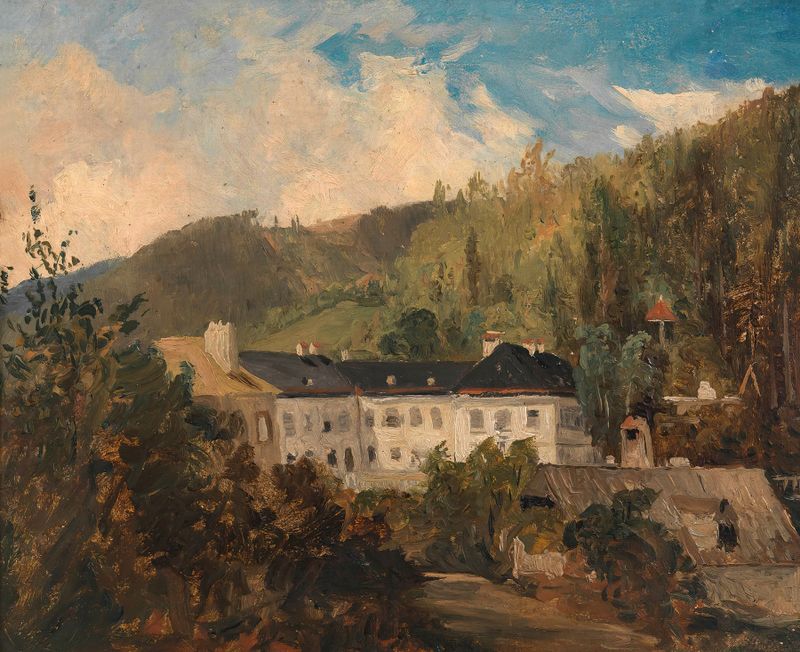
Motiv aus Neuwaldegg
Adalbert Stifter
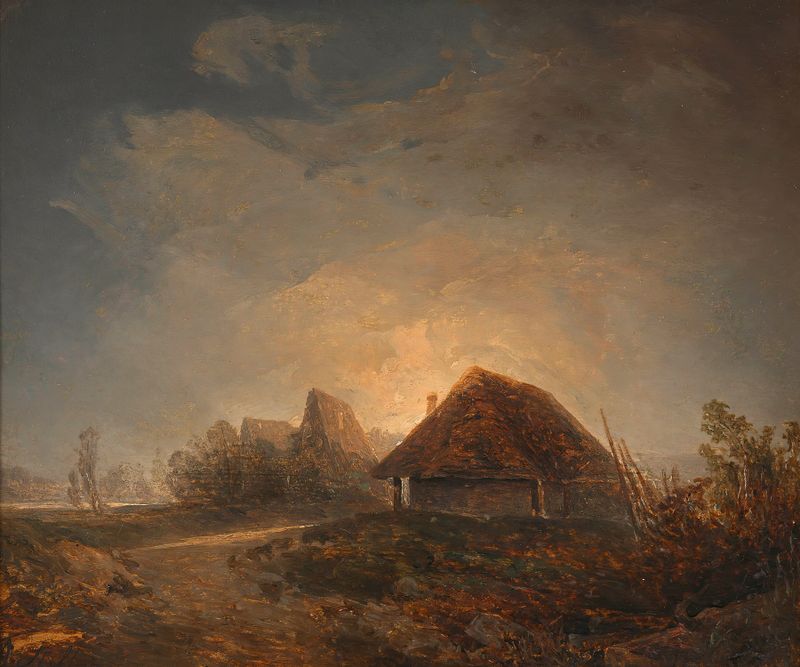
Westungarische Landschaft mit Hütten und aufgehendem Mond
Adalbert Stifter
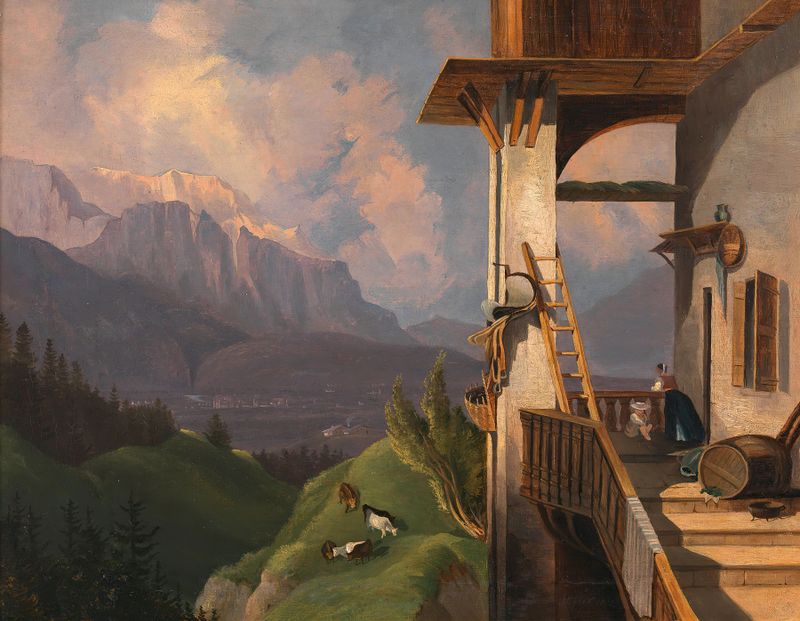
Innsbruck mit der Nordkette
Adalbert Stifter
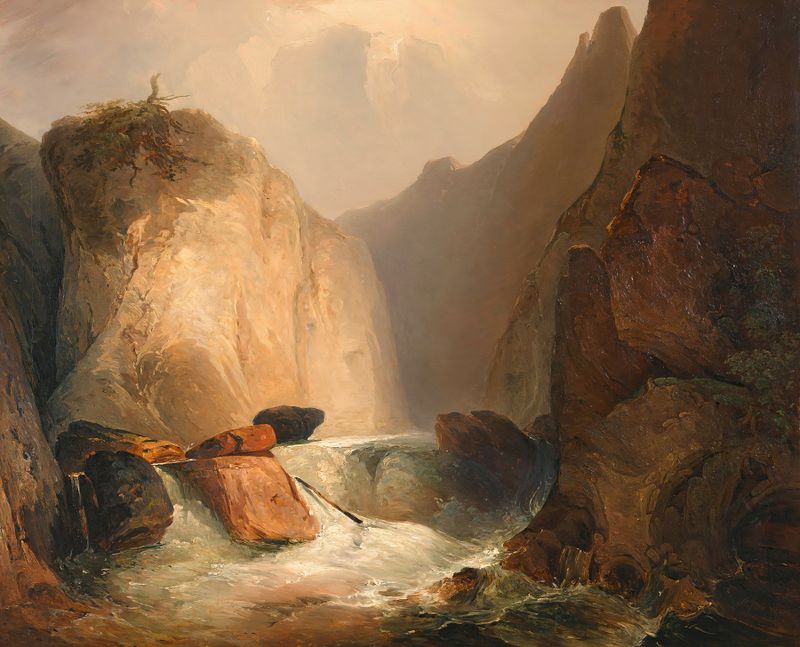
Felspartie – Moldauenge bei Hohenfurt
Adalbert Stifter
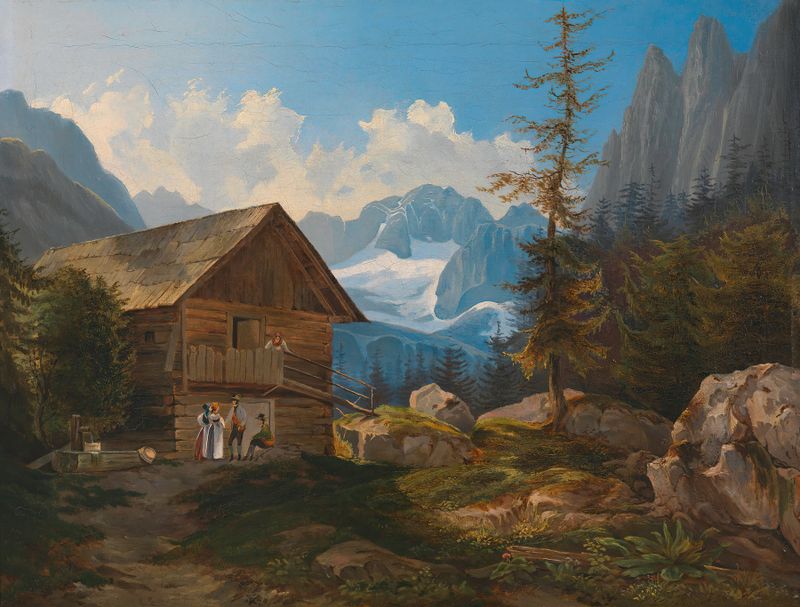
Im Gosautal (Oberösterreich)
Adalbert Stifter
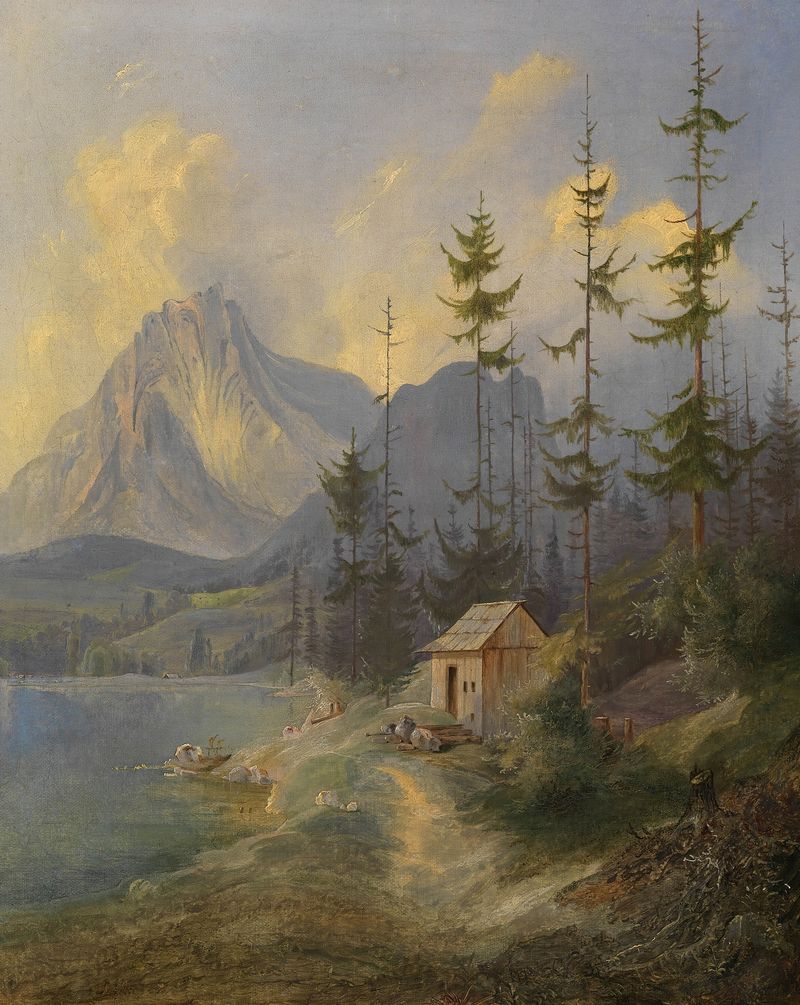
Der Sarstein bei Alt-Aussee
Adalbert Stifter
More Architecture Art
Browse all →
The statue of Liberty
Frédéric Auguste Bartholdi

View of Houses in Delft, Known as ‘The Little Street’
Johannes Vermeer

View of Houses in Delft, Known as ‘The Little Street’
Johannes Vermeer

The Cathedral in Rouen. The portal, Grey Weather
Claude Monet

The yellow house
Vincent van Gogh

The Church in Auvers-sur-Oise, View from the Chevet
Vincent van Gogh