
Westungarische Landschaft mit Hütten und aufgehendem Mond — History & Facts
Who listens when art speaks of silence? In Westungarische Landschaft mit Hütten und aufgehendem Mond, the tranquility of the night hides an undercurrent of tension and uncertainty, as the landscape whispers stories often left unheard. Look to the left of the canvas, where modest huts nestle against the rolling hills, their dark silhouettes softened by the moon's gentle glow. The composition draws the eye upward, inviting contemplation of the radiant orb that dominates the sky. Stifter’s palette is dominated by deep blues and muted greens, capturing the stillness of the night while the moonlight offers a quiet illumination that hints at the complexity of life below the surface.
The contrast between light and shadow creates a delicate balance, suggesting both safety and vulnerability in a seemingly serene setting. Beneath the surface calm lies an emotional tension that speaks to human existence. The huts, while quaint and inviting, can evoke a sense of isolation and fragility, standing resilient against an expansive and indifferent universe. The moon, a symbol of change and often violence in nature, hangs above as a watchful eye, reflecting the duality of peace and turmoil that permeates human life.
Stifter captures this dichotomy beautifully, leaving viewers to ponder the quiet chaos that simmers just beyond the scene's serenity. Created in 1841, Stifter painted this work during a time of personal struggle and societal shift in Europe, marked by the aftermath of revolutions and burgeoning national identities. Living in Austria, he was influenced by the Romantic movement, which sought to evoke deep emotion through nature and simplicity. This painting reflects not only his skill as a landscape artist but also his ability to convey the complexities of human experience through a seemingly tranquil scene.
More Artworks by Adalbert Stifter
Browse all →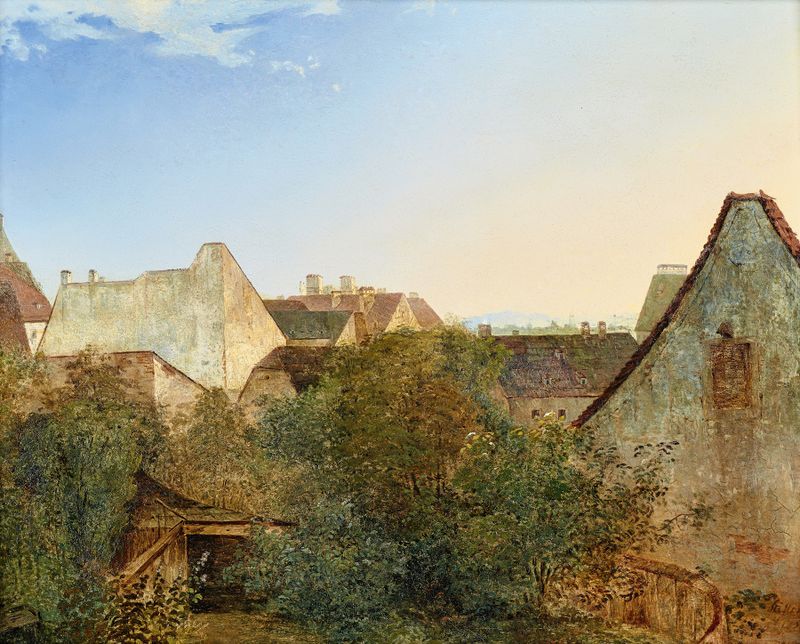
Blick über Wiener Vorstadthäuser (Beatrixgasse)
Adalbert Stifter
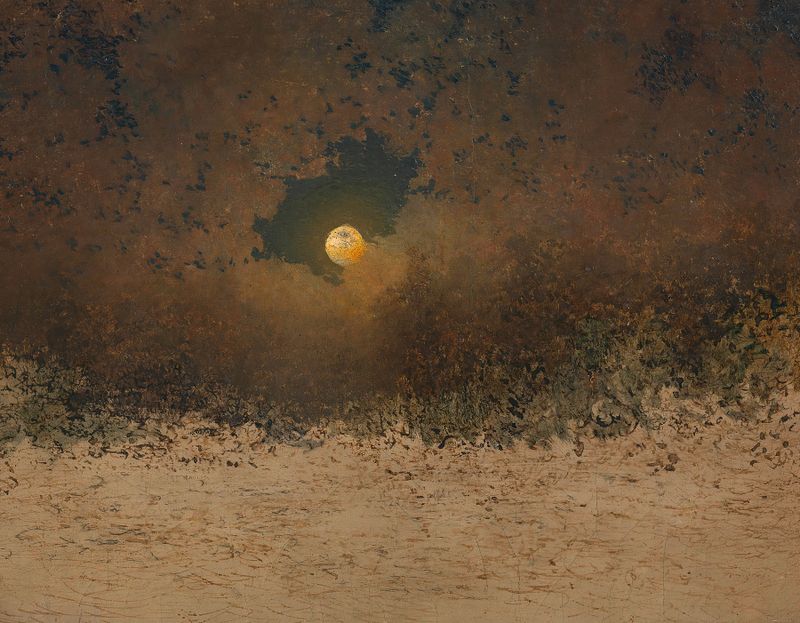
Mondlandschaft mit bewölktem Himmel
Adalbert Stifter
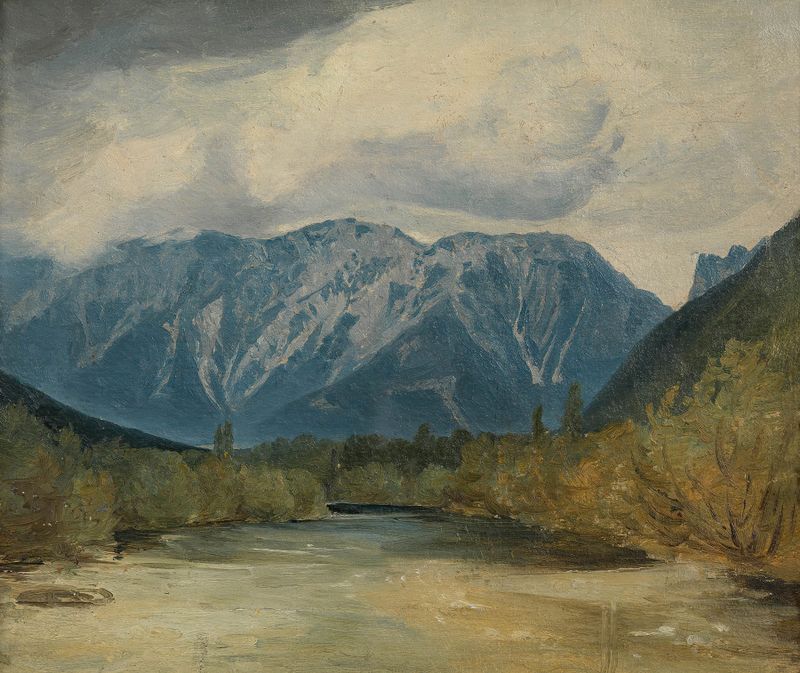
Die Rax in Niederösterreich
Adalbert Stifter
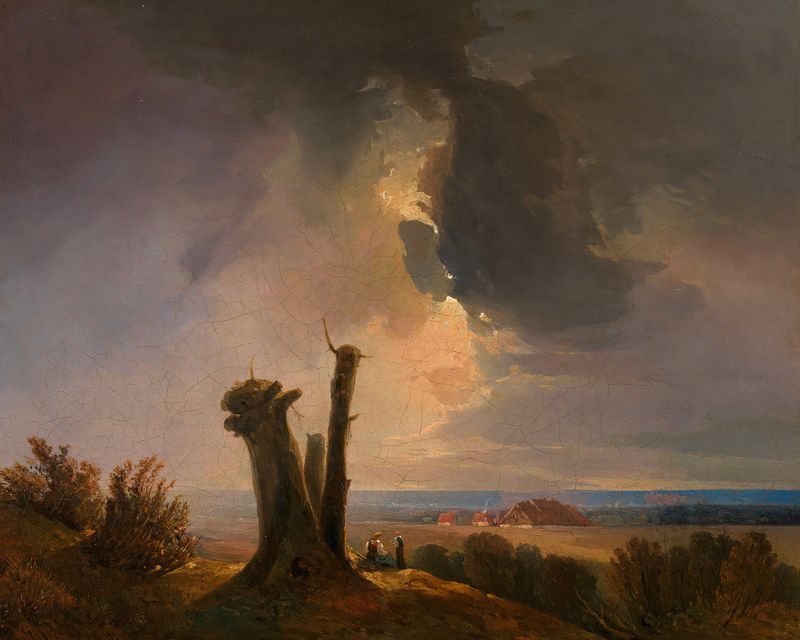
Westungarische Landschaft – Blick vom Leithagebirge
Adalbert Stifter
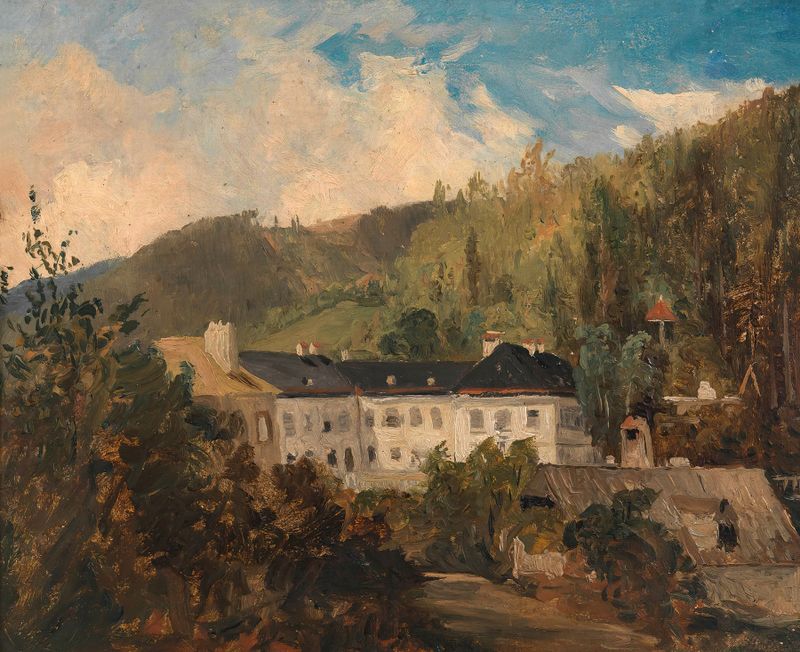
Motiv aus Neuwaldegg
Adalbert Stifter
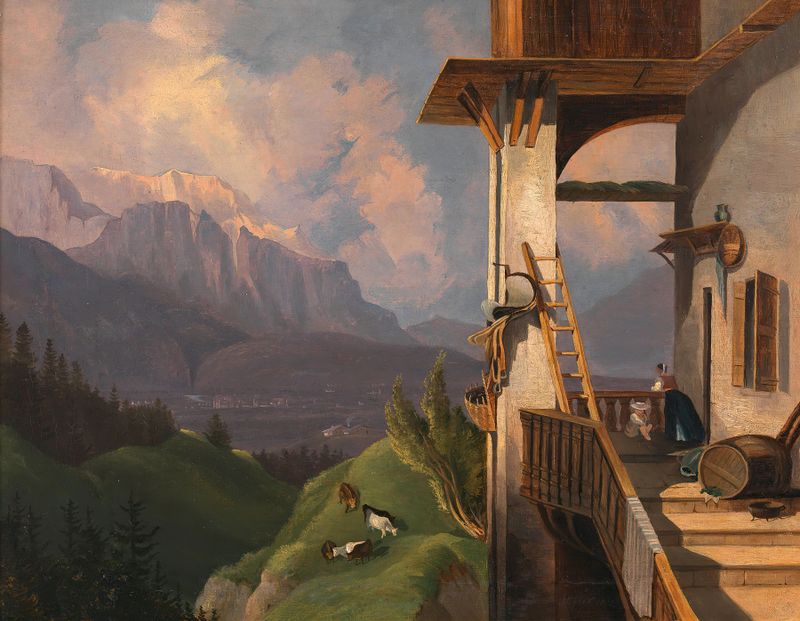
Innsbruck mit der Nordkette
Adalbert Stifter
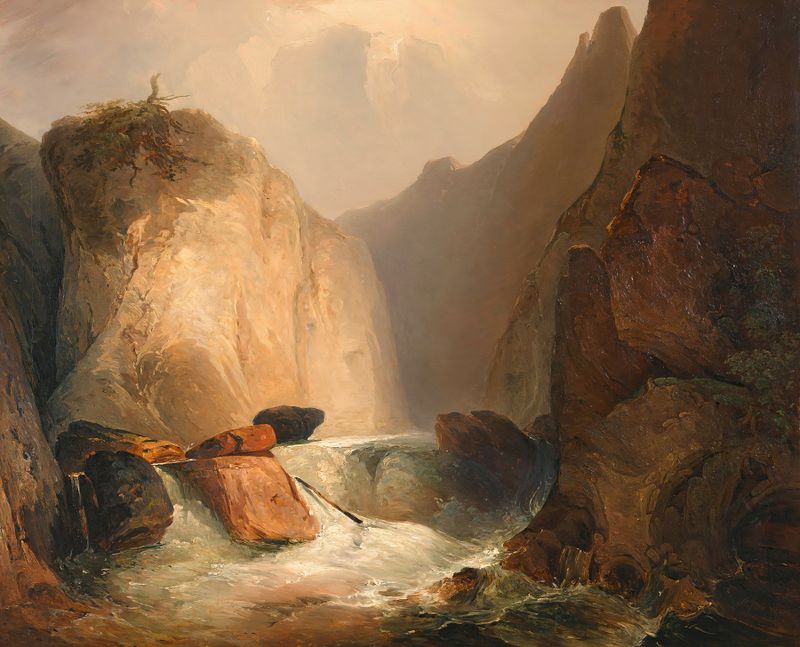
Felspartie – Moldauenge bei Hohenfurt
Adalbert Stifter
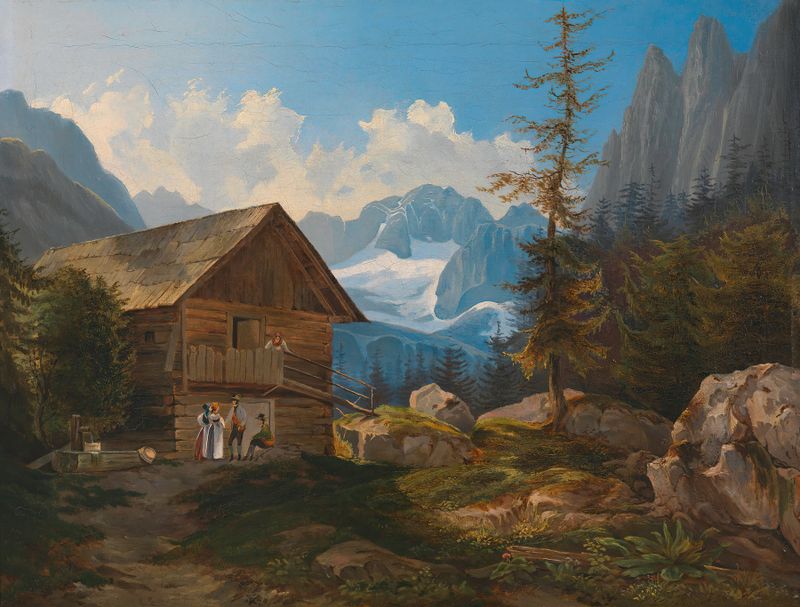
Im Gosautal (Oberösterreich)
Adalbert Stifter
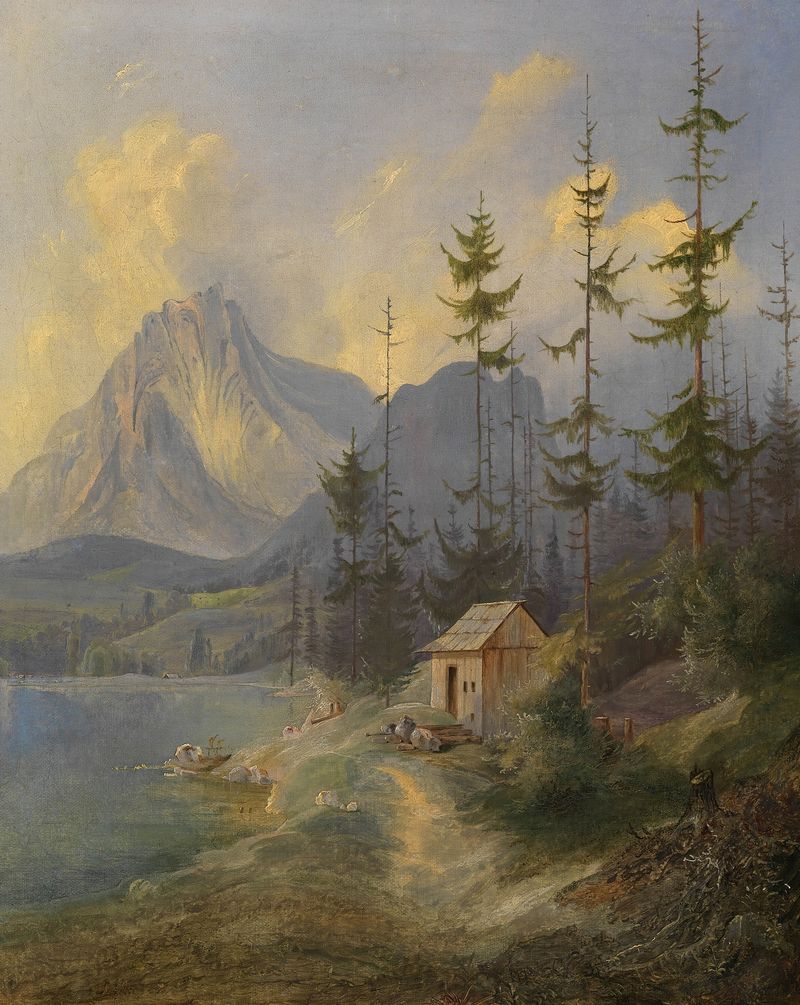
Der Sarstein bei Alt-Aussee
Adalbert Stifter
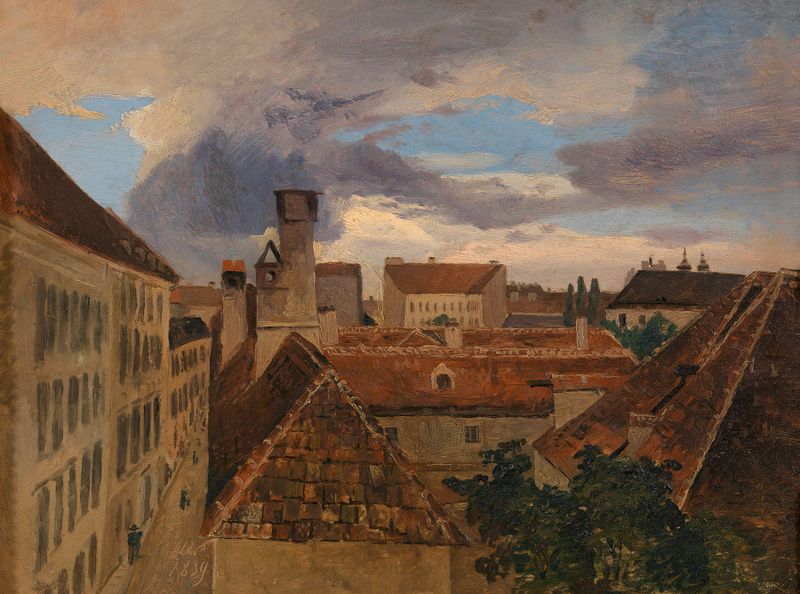
Blick in die Beatrixgasse in Wien
Adalbert Stifter





