
Die Sendlinger Straße in München (mit der Asamkirche) — History & Facts
Who listens when art speaks of silence? In the stillness of Die Sendlinger Straße in München (mit der Asamkirche), the weight of solitude hangs heavily in the air, inviting contemplation and reflection. Focus first on the majestic Asamkirche, rising against the muted hues of the cityscape. Its intricate facade, detailed in soft pastels, dominates the composition, drawing the eye immediately. Notice how the light gracefully caresses the church's ornate contours, creating gentle contrasts that enhance the sense of isolation.
The streets below, rendered in subdued grays and browns, seem to recede from the vibrancy of the church, emphasizing a poignant disconnect between the sacred and the mundane. In this work, the interplay between architecture and urban life captures a sense of loneliness that resonates deeply. The empty street, devoid of figures, speaks volumes of absence, while the grand church stands as a solitary sentinel of faith and beauty amid a lifeless backdrop. The juxtaposition of the ornate and the plain invites viewers to consider the emotional weight of the scene — where faith and urban life intersect, yet remain at odds. Charles Vetter painted this piece in 1929, during a period of significant change in Germany.
The Weimar Republic was grappling with political and social upheavals, and the world of art was moving towards modernism. Vetter, a lesser-known figure of the time, sought to capture the essence of urban life through a lens of introspection, exploring themes of isolation within the dense tapestry of human experience.
More Artworks by Charles Vetter
Browse all →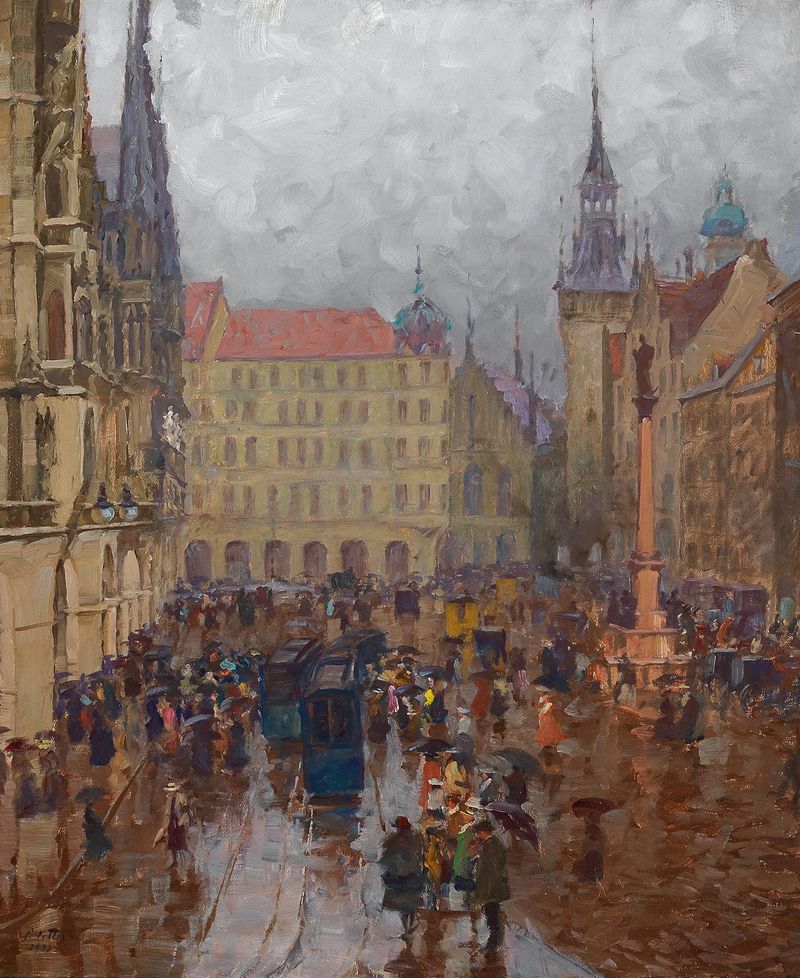
München Marienplatz und altes Rathaus
Charles Vetter
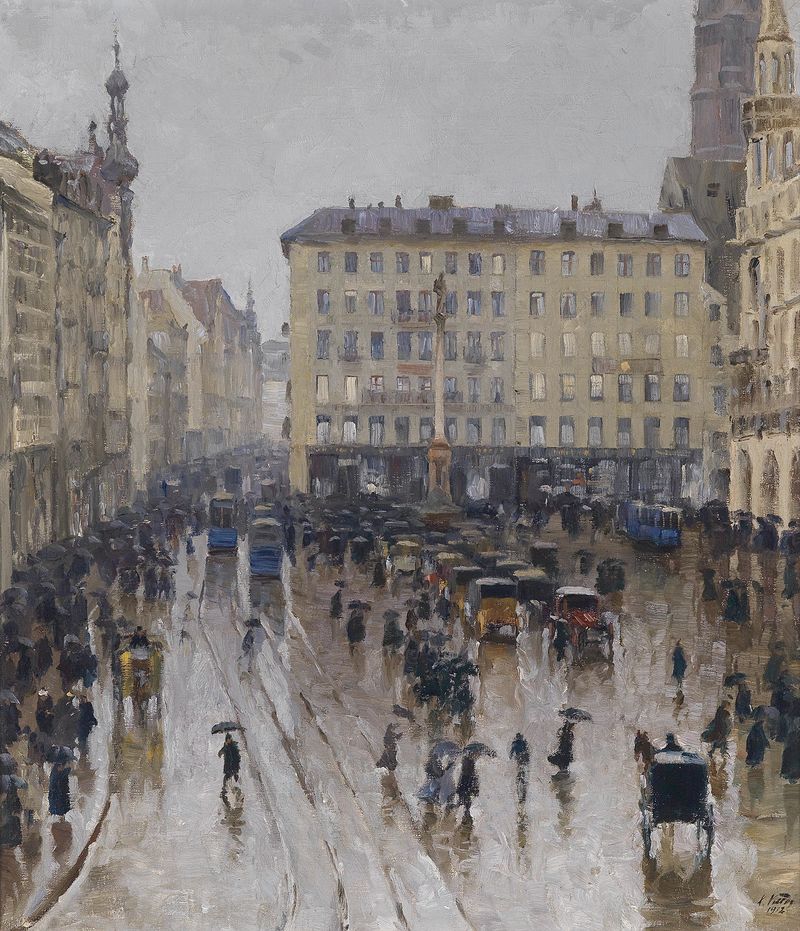
Blick auf den Marienplatz in München
Charles Vetter
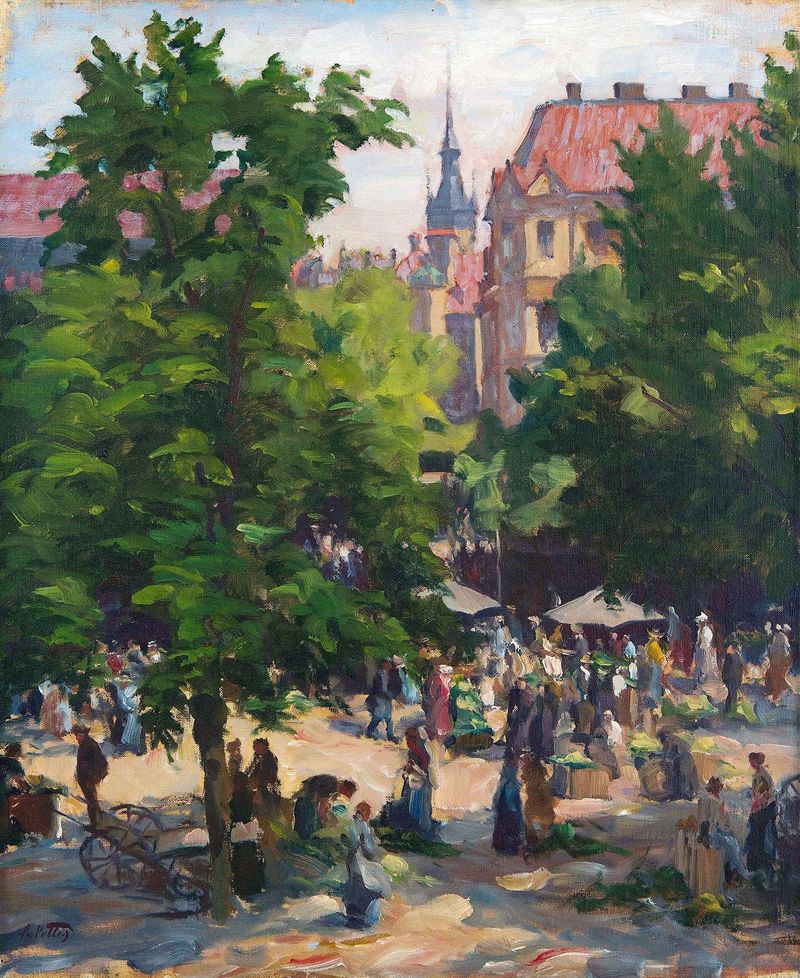
Der Viktualienmarkt in München
Charles Vetter
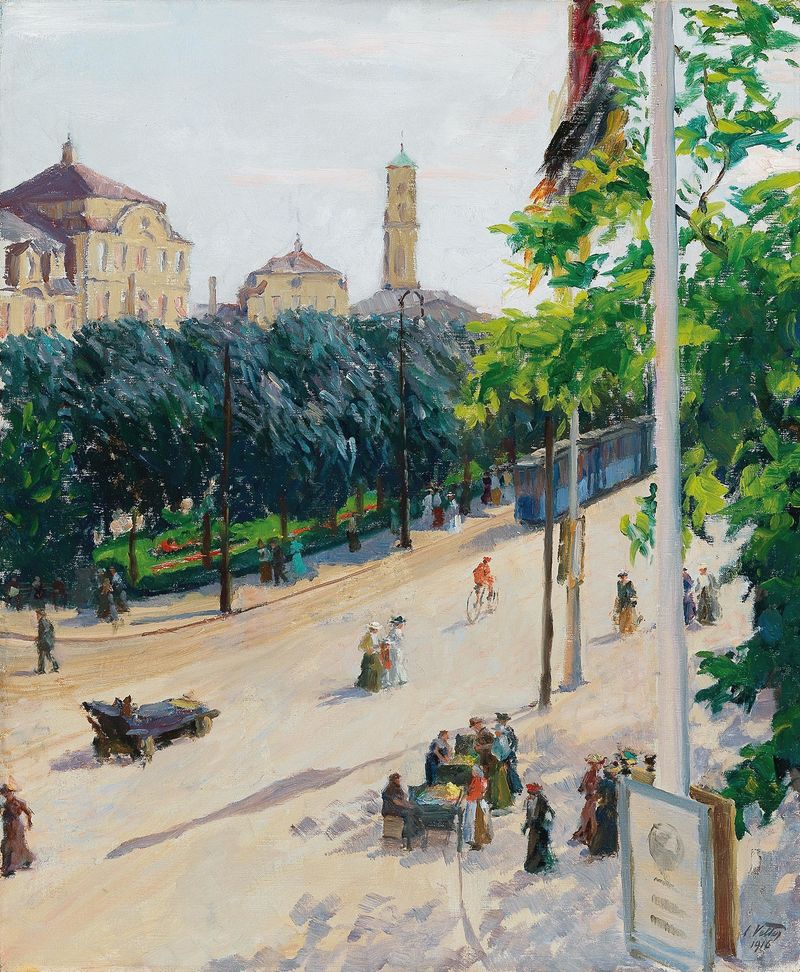
A view of the southern Stachus Rondell, the Sonnenstraße and the old St Matthew’s Church
Charles Vetter
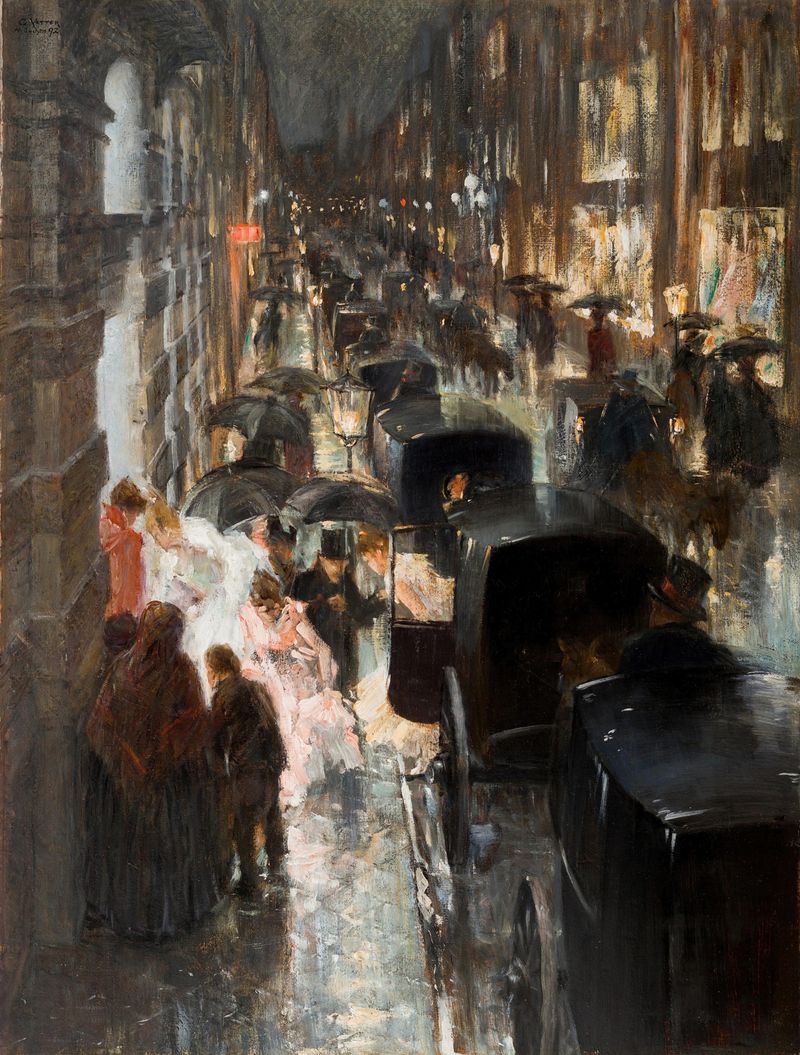
München – Auf dem Weg zum Ball
Charles Vetter
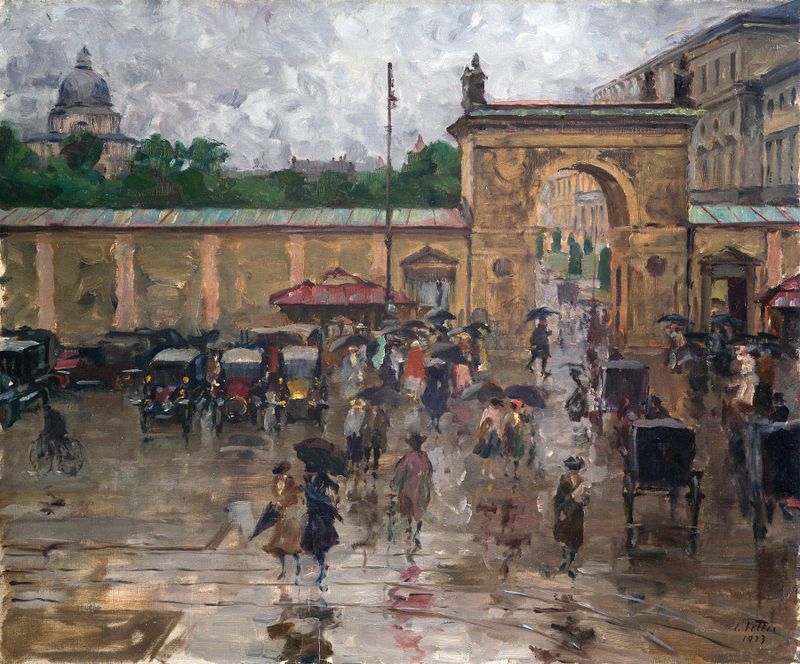
München – Odeonsplatz im Regen
Charles Vetter
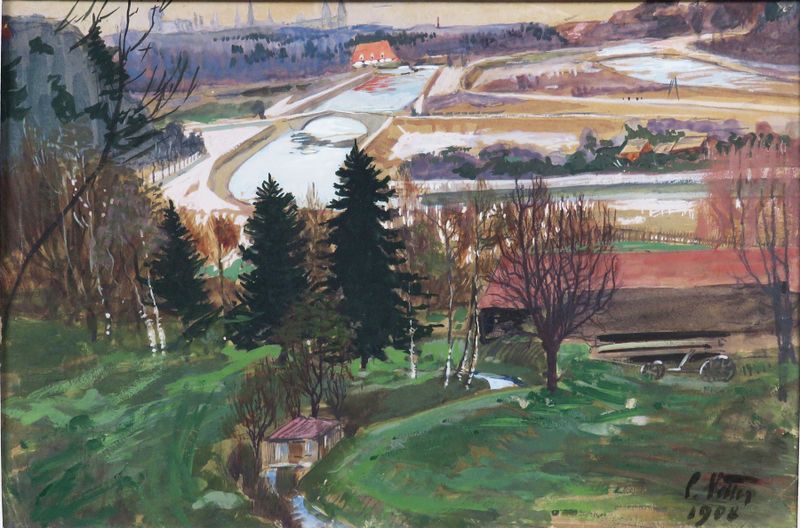
Au Vorstadt-Landschaft
Charles Vetter
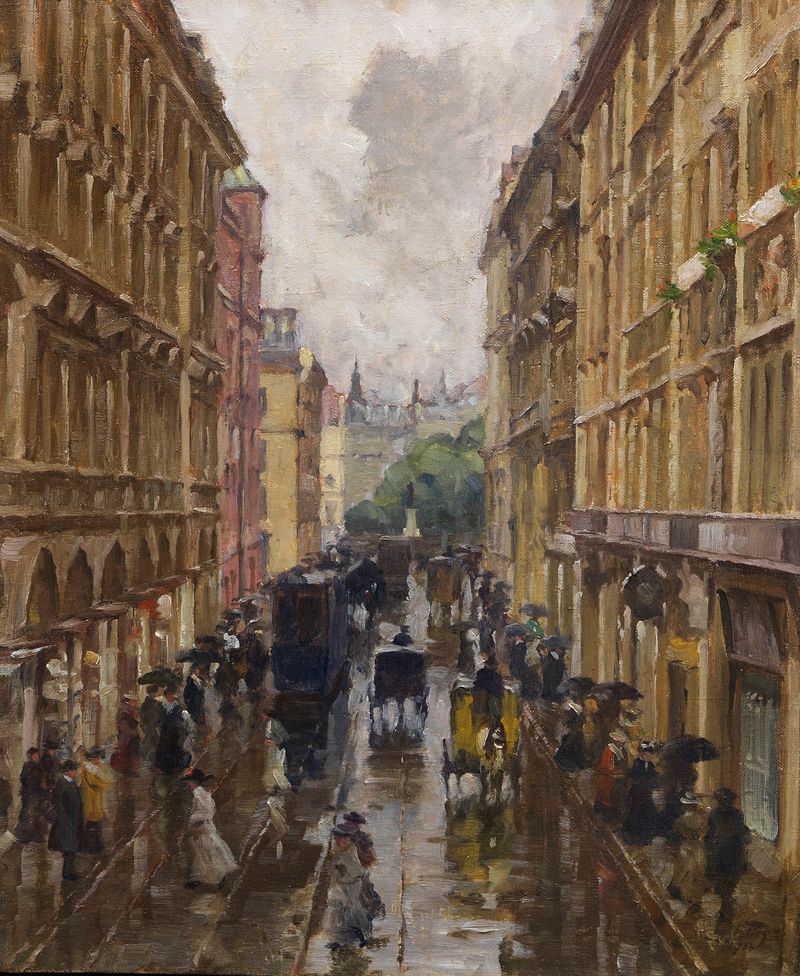
Maffeistraße im Regen
Charles Vetter
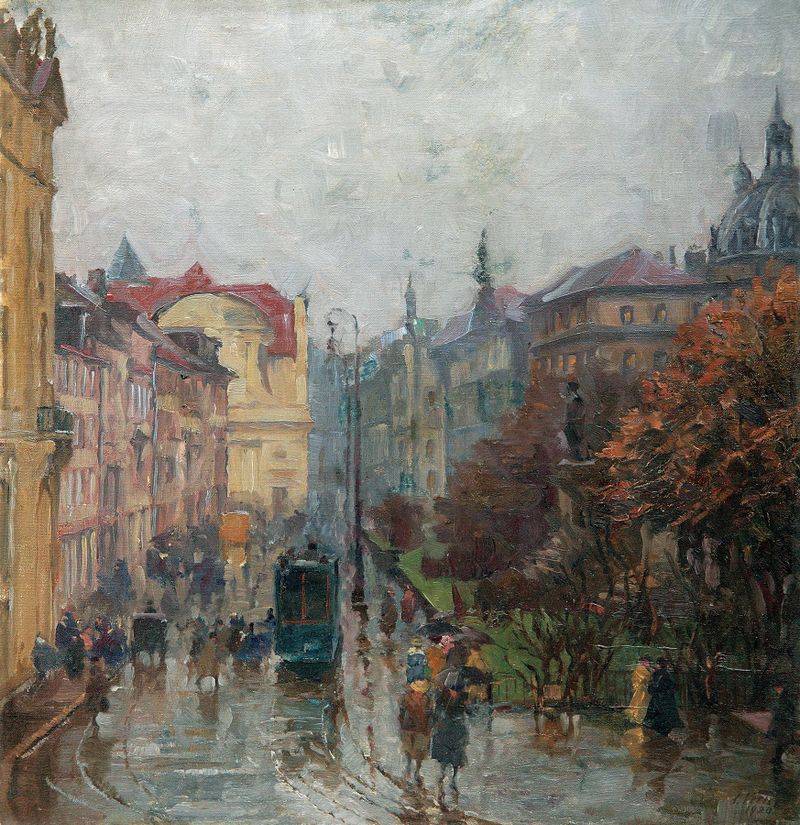
Promenadeplatz in München im Regen
Charles Vetter
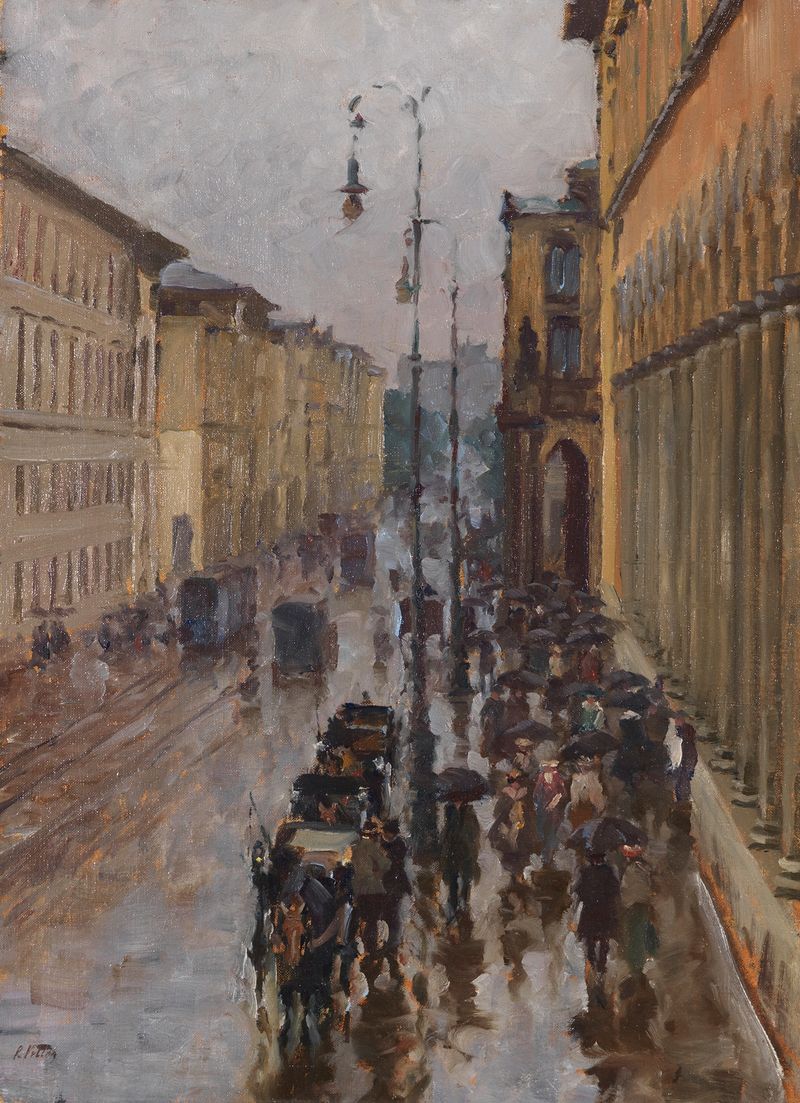
Die Maximilianstraße in München
Charles Vetter
More Architecture Art
Browse all →
The statue of Liberty
Frédéric Auguste Bartholdi

View of Houses in Delft, Known as ‘The Little Street’
Johannes Vermeer

View of Houses in Delft, Known as ‘The Little Street’
Johannes Vermeer

The Cathedral in Rouen. The portal, Grey Weather
Claude Monet

The yellow house
Vincent van Gogh

The Church in Auvers-sur-Oise, View from the Chevet
Vincent van Gogh