
Discover insights about this artwork
Die Sinnlichkeit — History & Facts
In Die Sinnlichkeit, Franz von Stuck presents a striking composition filled with rich colors and dynamic forms. The painting features a central female figure, embodying sensuality, surrounded by swirling patterns and abstract shapes. The use of deep reds, golds, and greens creates a vibrant atmosphere that draws the viewer's eye.
The background is ornate, enhancing the sense of allure and mystery. The technical execution of Die Sinnlichkeit showcases Stuck's skill in oil on canvas. The brushwork is fluid, allowing for a sense of movement and life within the figures. The interplay of light and shadow adds depth, emphasizing the contours of the central figure.
This piece reflects the Symbolist movement, focusing on emotional experience rather than realistic representation. Franz von Stuck was a key figure in the Symbolist movement, known for his exploration of themes like desire and the human condition. Die Sinnlichkeit is particularly interesting as it combines allegorical elements with a personal touch, reflecting Stuck's own views on sensuality. This work is part of a broader exploration of eroticism in his art, which often challenges societal norms.
Stuck's influence extended beyond painting, as he was also an architect and designer, contributing to the Gesamtkunstwerk concept.
More Artworks by Franz von Stuck
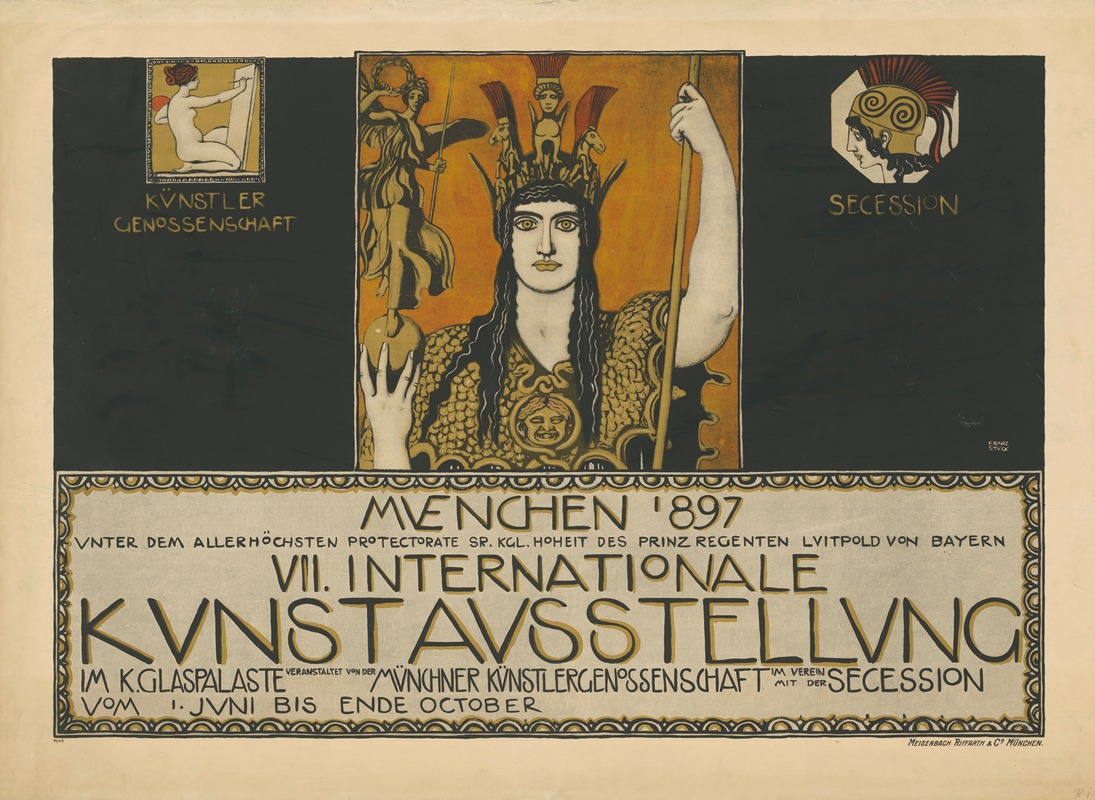
7. Internationale Kunstausstellung des Vereins Bildender Künstler München Secession
Franz von Stuck
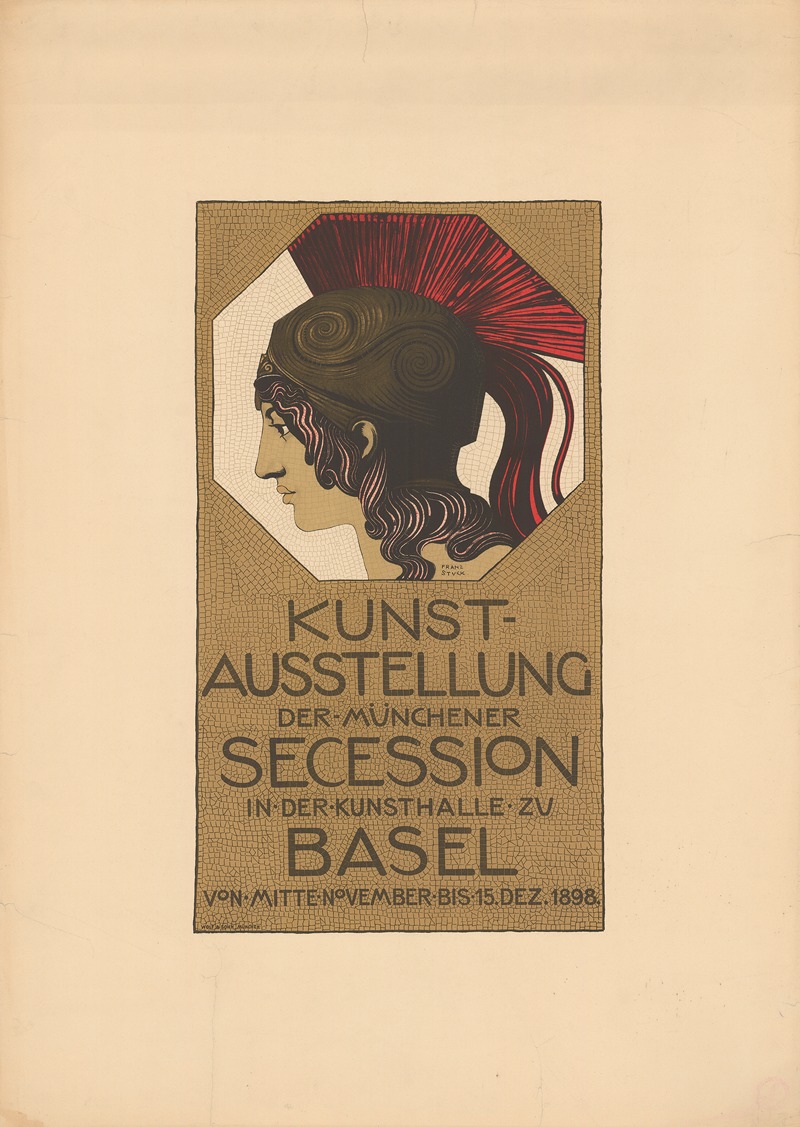
Kunstausstellung der Münchener Secession in der Kunsthalle zu Basel
Franz von Stuck

Susanna im Bade
Franz von Stuck

The Dancer Saharet
Franz von Stuck

The Spring
Franz von Stuck
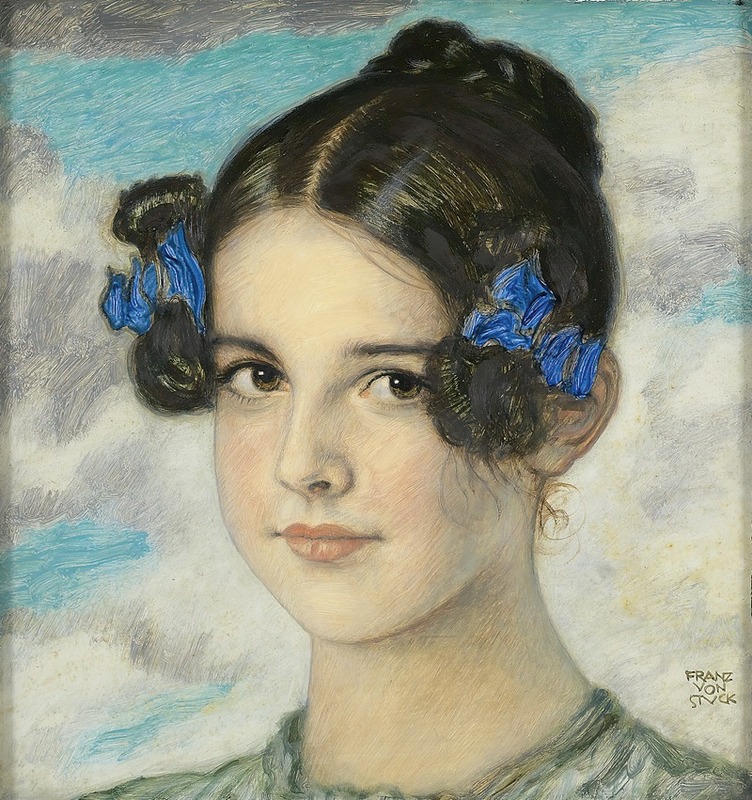
Tochter Mary
Franz von Stuck

Portrait einer Dame mit Spitzenkragen
Franz von Stuck
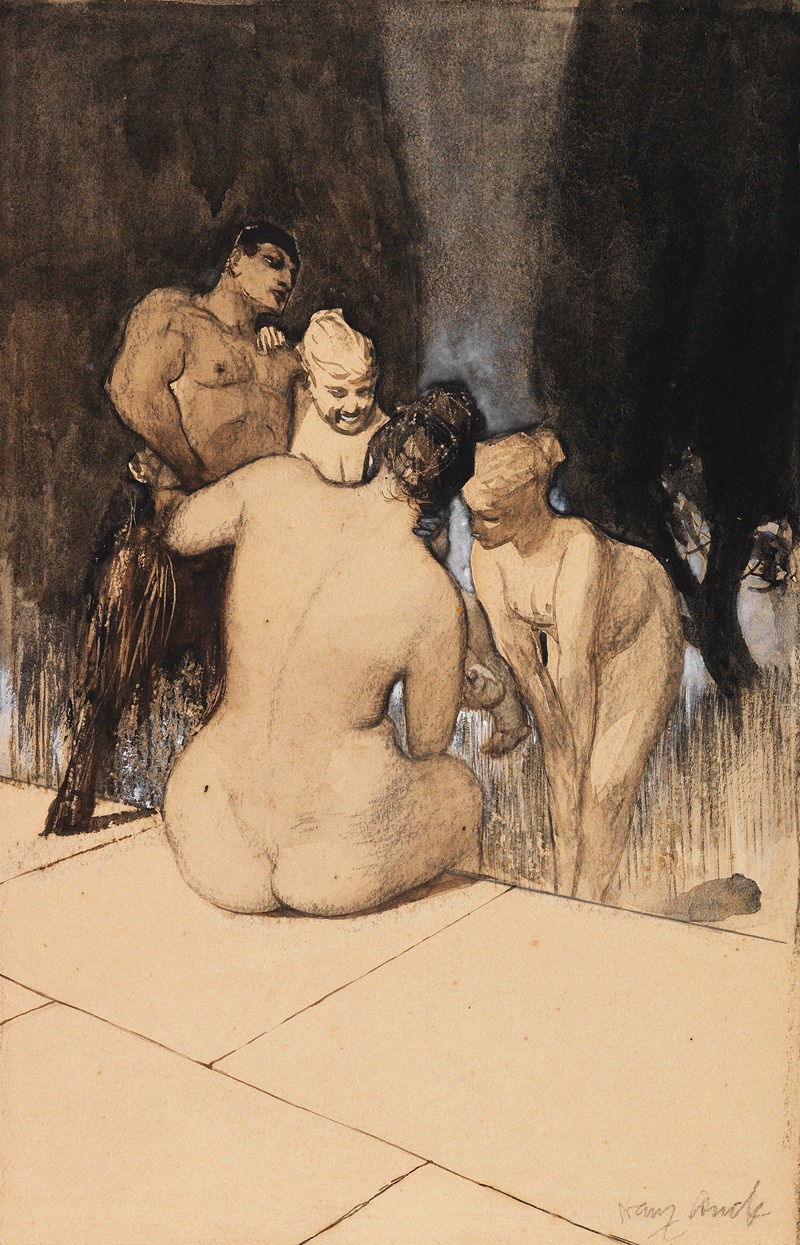
Satyr mit Nymphen und Kind
Franz von Stuck

Oedipus solves the mystery of the Sphinx
Franz von Stuck
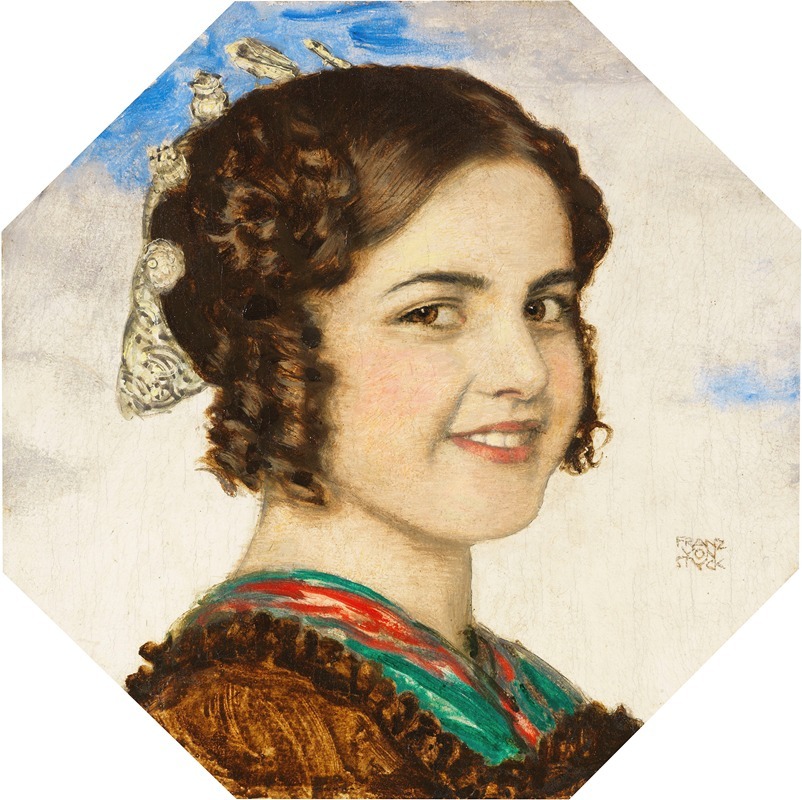
Porträt der Tochter Mary
Franz von Stuck
More Allegory Art
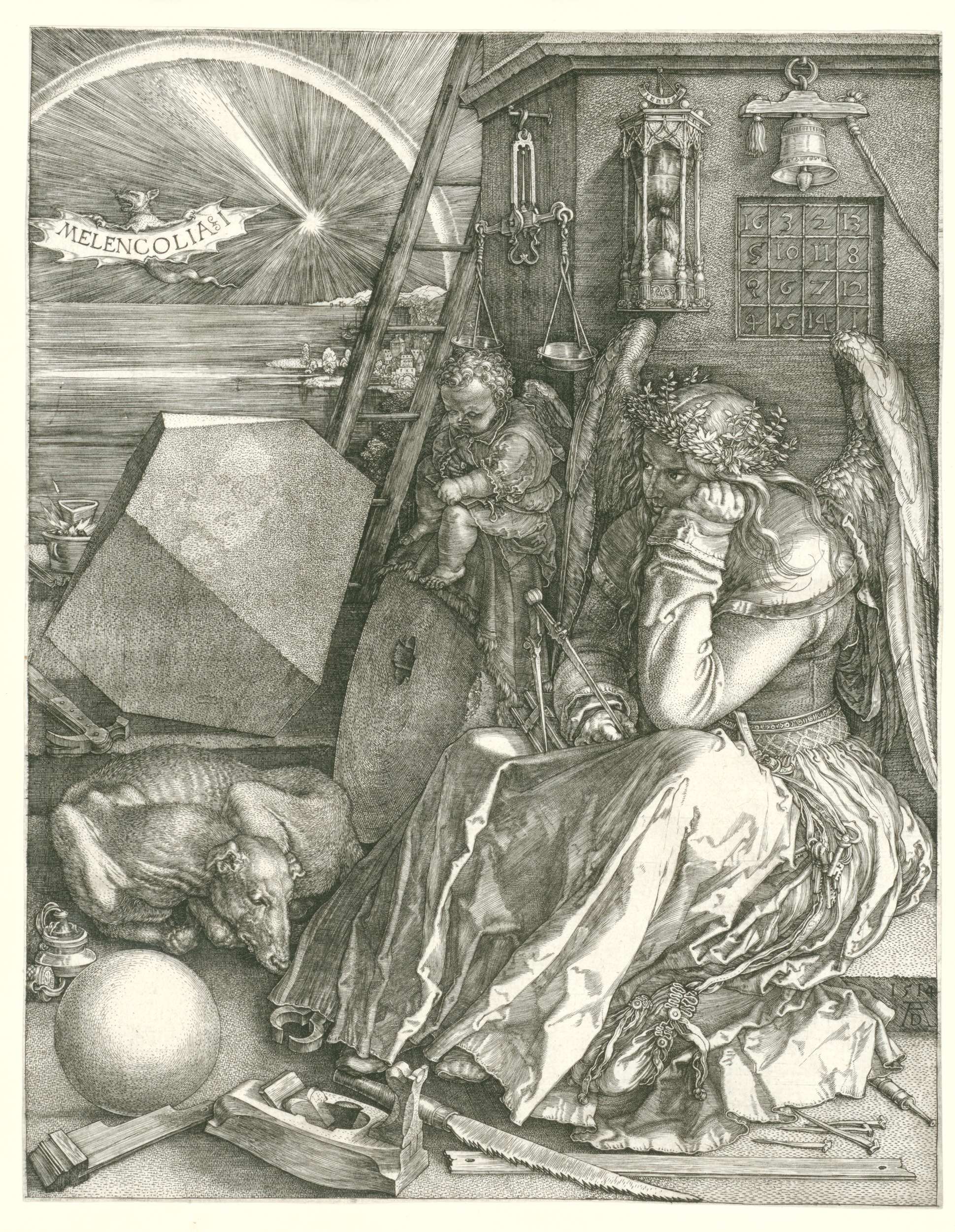
Melancholia
Albrecht Dürer
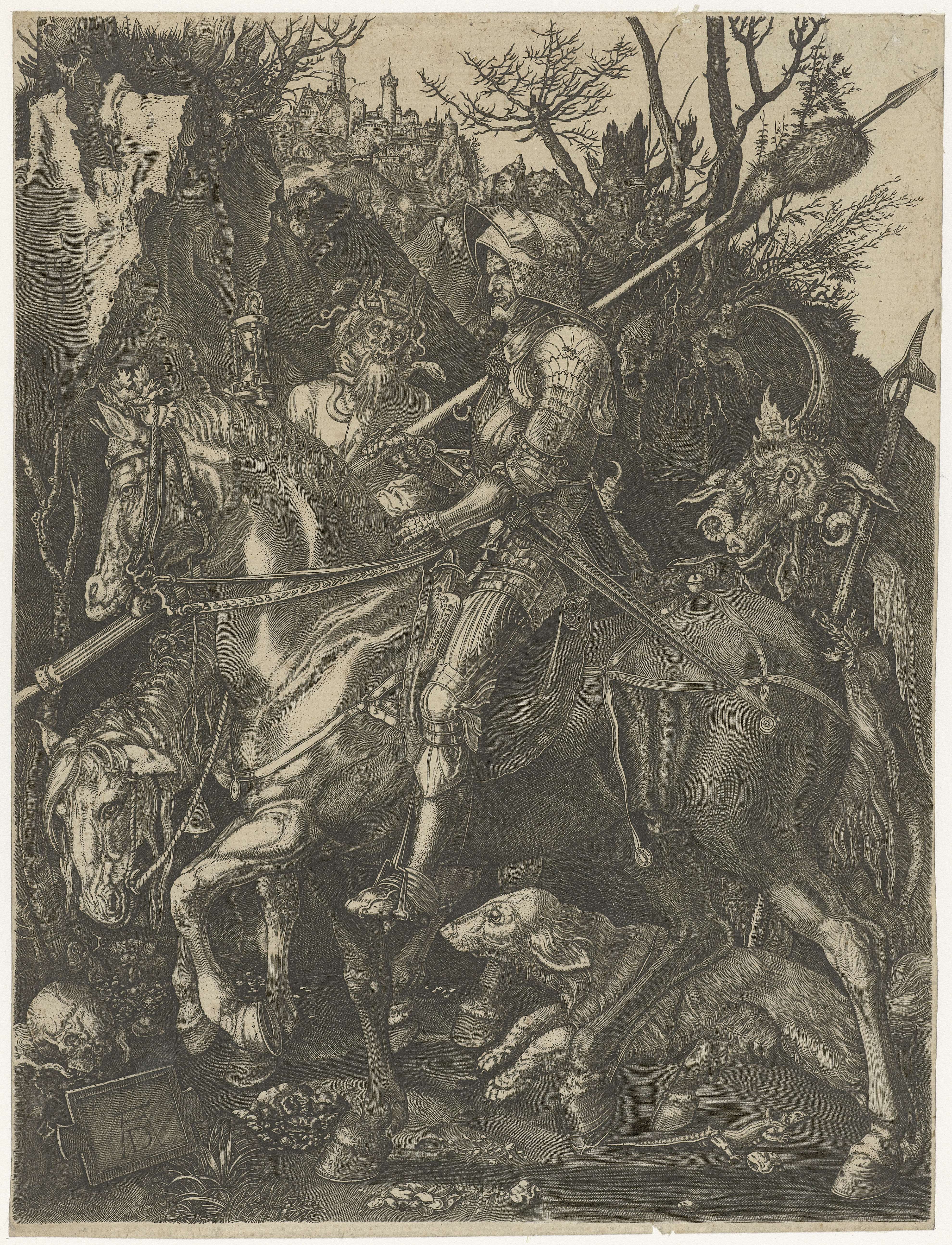
Ridder, Dood en Duivel
Unknown Artist
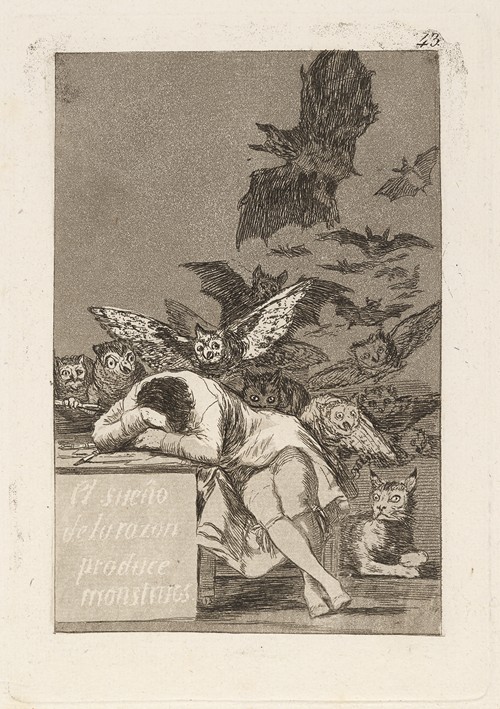
El sueño de la razon produce monstruos. (The sleep of reason produces monsters.)
Francisco de Goya
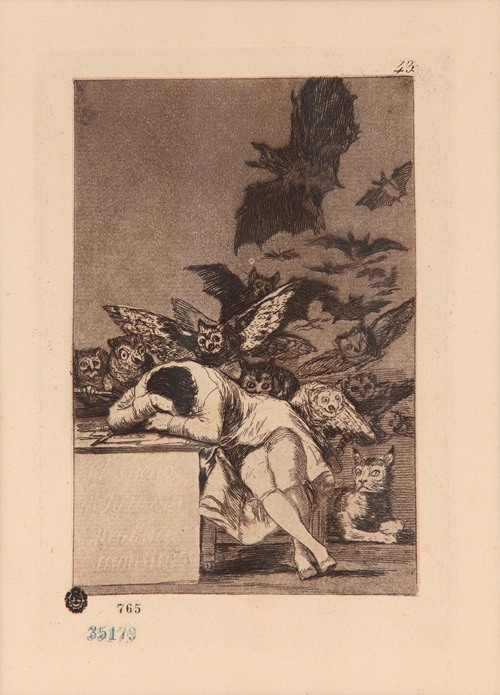
El sueño de la razon produce moustruos (Serie Caprichos)
Francisco de Goya
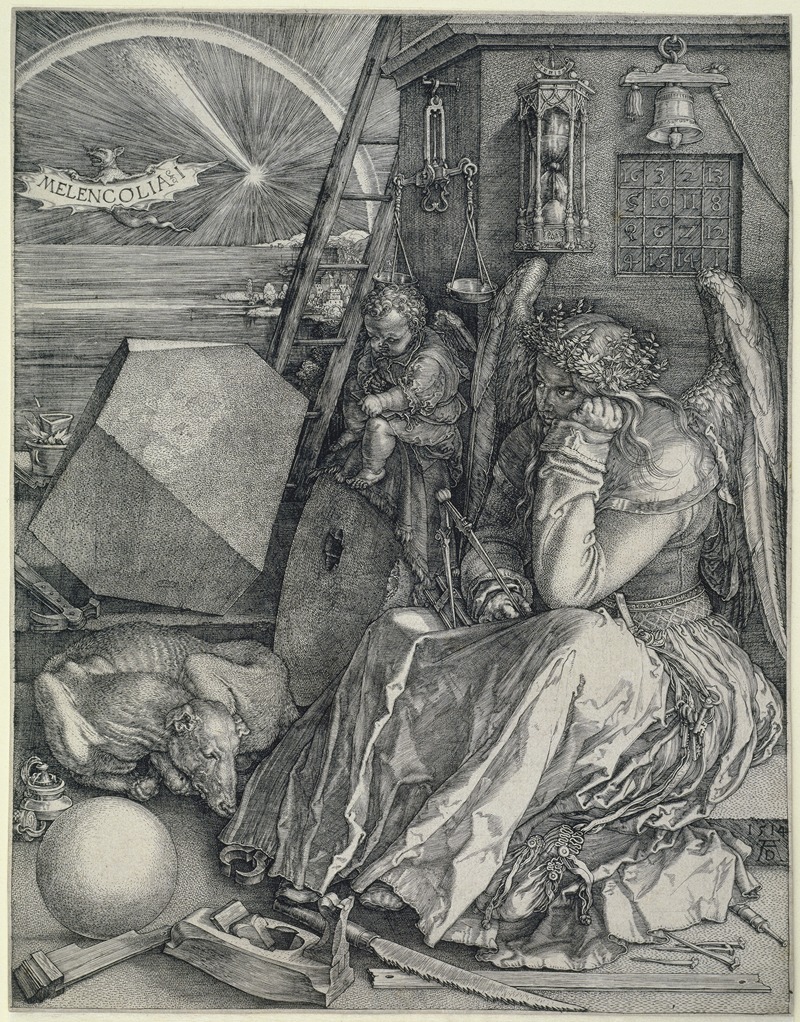
Melencolia I (The Melancholy)
Albrecht Dürer
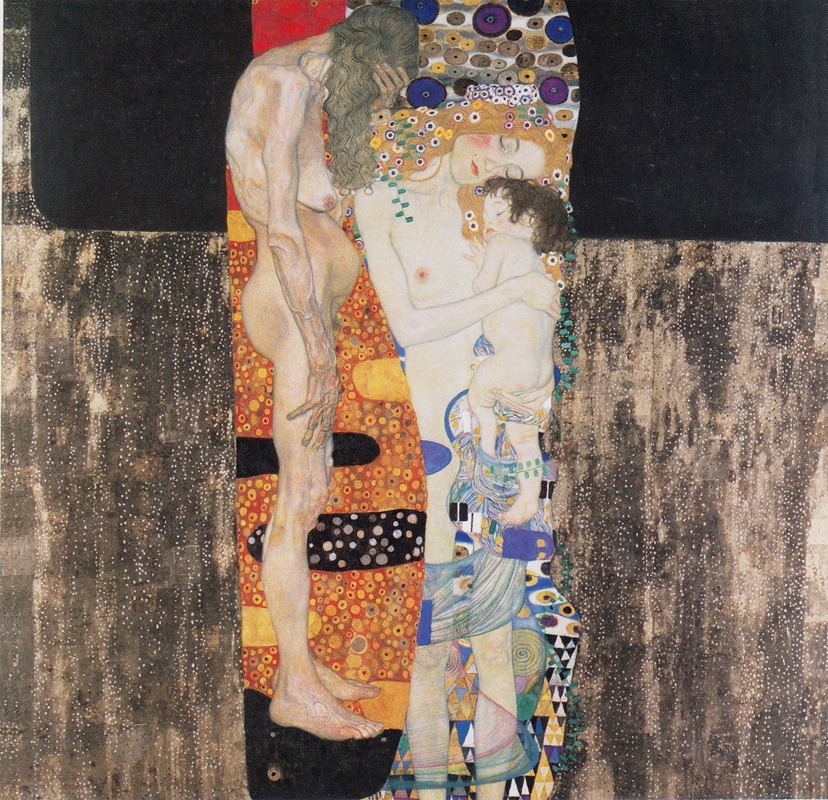
The Three Ages of the Woman
Gustav Klimt