
Die Vesperpause — History & Facts
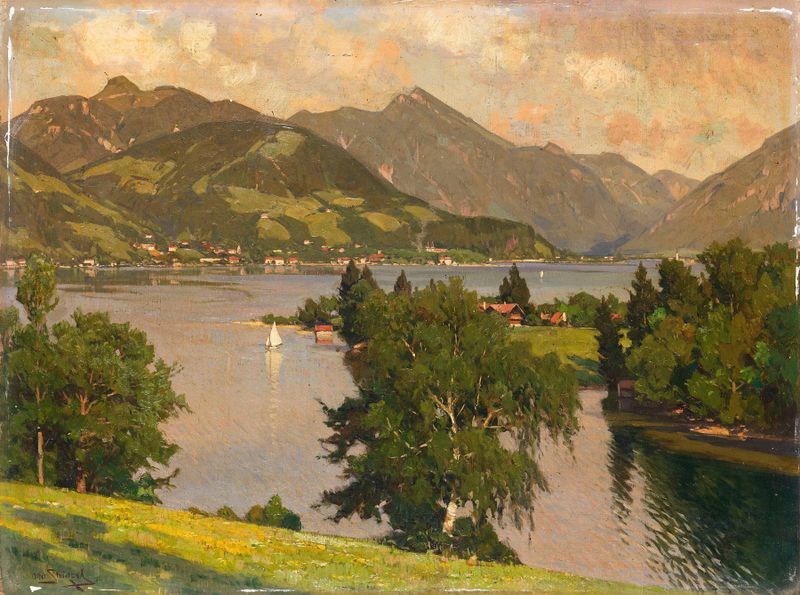
Can beauty exist without sorrow? In Die Vesperpause, Otto Strützel captures the delicate balance between joy and melancholy, a theme echoed across the landscape of human experience. Look to the left where a serene gathering unfolds beneath a lush canopy. The soft, muted colors of the scene, with greens and browns entwined, create a comforting yet somber atmosphere. A table, laden with simple fare, invites the viewer's gaze, while the gentle interplay of light and shadow sculpts the figures engaged in quiet conversation.
Notice how the sun dapples through the leaves, casting playful patterns on the ground, revealing the intimacy of this pastoral moment. Yet, as one observes closely, layers of tension emerge. The expressions of the figures—a mix of laughter and contemplation—suggest stories untold, hinting at an underlying sorrow. The placement of the lone figure gazing into the distance evokes a sense of longing and introspection, contrasting sharply with the warmth of the gathering.
This duality of emotions captures the fleeting nature of happiness—a reminder that even in the simplest moments, the specter of sadness lingers. Strützel painted this piece in 1904, a time when the art world was teetering between the influences of Impressionism and the emerging modernist movements. Based in Germany, he explored themes of everyday life amid the transformations of society. This work reflects both the beauty of tranquil moments and the poignant awareness of life’s transience, encapsulating a profound truth about human existence in a rapidly changing world.
More Artworks by Otto Strützel
Browse all →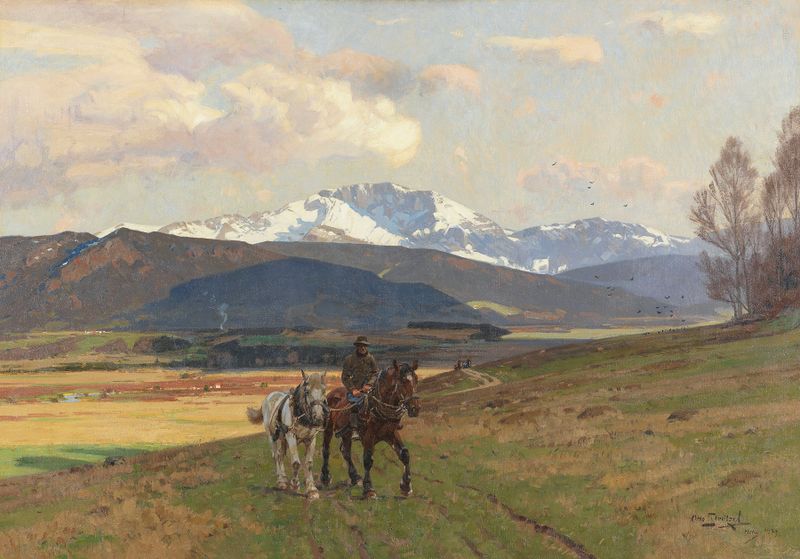
Reiter in Gebirgslandschaft (Benediktenwand)
Otto Strützel

A Moor in Spring
Otto Strützel
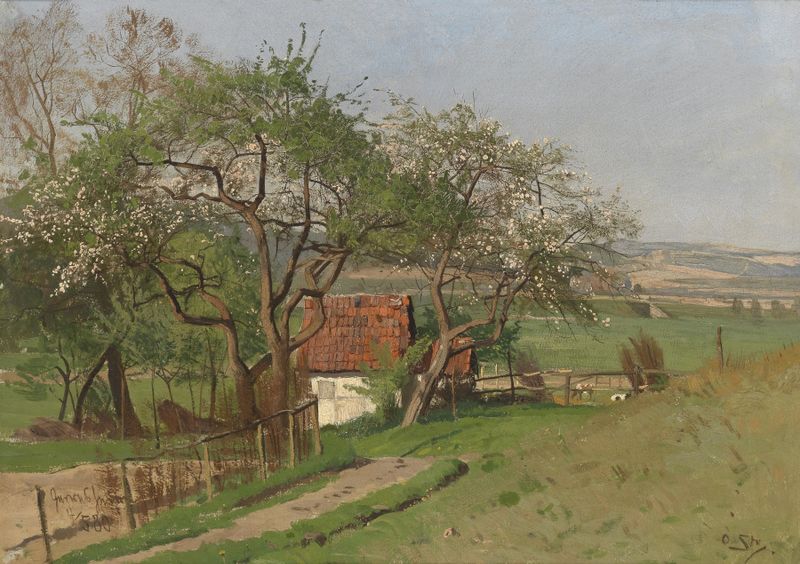
Frühlinglandschaft
Otto Strützel
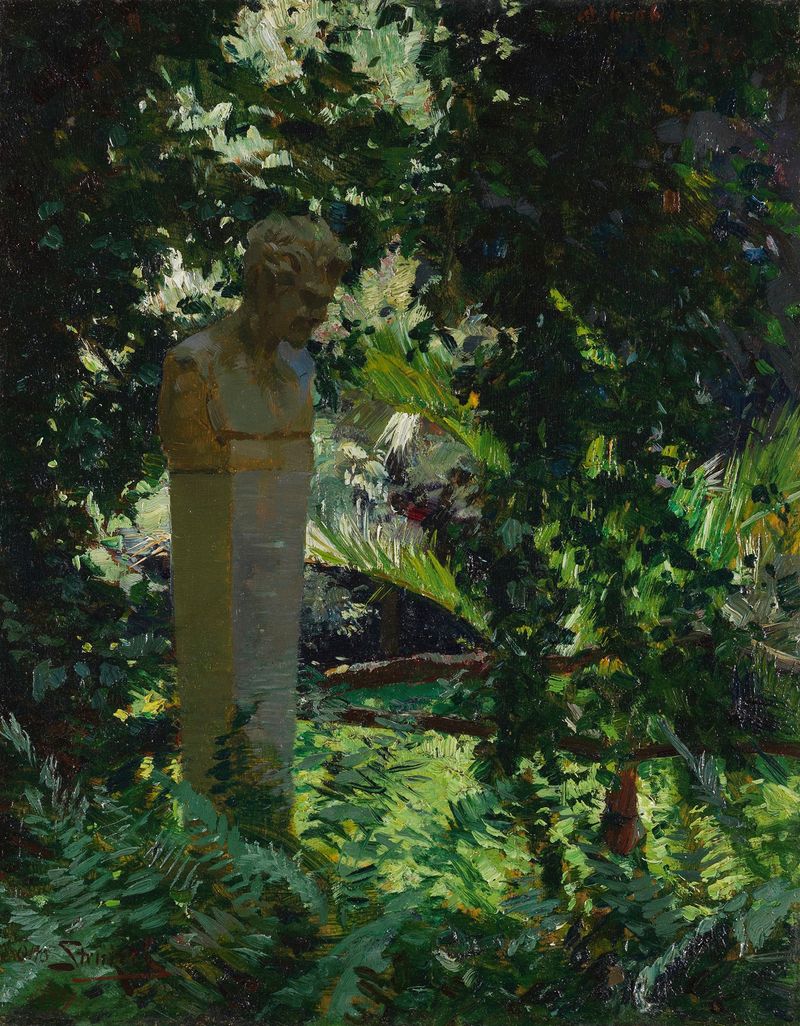
Faun
Otto Strützel

Der Königssee
Otto Strützel

Sommertag an der Küste von Gotland
Otto Strützel
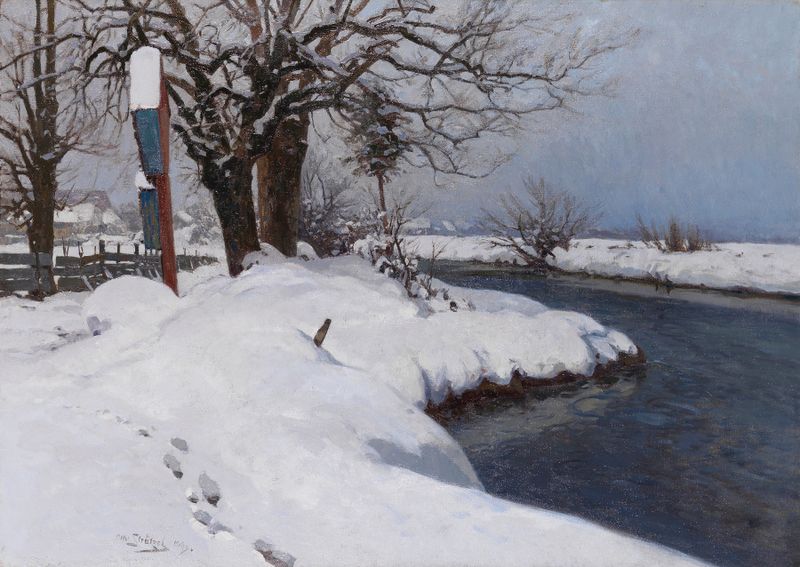
Dachauer Wintertag
Otto Strützel

A Peasant at the Edge of the Woods
Otto Strützel

View of Galtrö. Study
Otto Strützel
Blick auf den Tegernsee von Westen aus
Otto Strützel





