
Die Woge — History & Facts
Is this a mirror — or a memory? The shimmering waves in Die Woge invite us to question our reality, offering a glimpse into a moment suspended between reflection and transformation. Look to the center, where the undulating water captures a spectrum of blues and greens, suggesting not just movement but a fluidity of time. Notice how the brushstrokes flow like the very waves they depict, each stroke a testament to the artist's mastery of light and shadow. The soft play of light upon the water’s surface creates an almost ethereal quality, drawing the viewer’s gaze deeper into the composition as if the surface is both a physical barrier and a portal to another world. Beneath this tranquil exterior lies a deeper tension.
The waves, while peaceful, are also suggestive of change and uncertainty. Each crest and trough embodies the ebb and flow of emotions, reminding us of the transitory nature of existence. The subtle interplay of colors evokes a sense of nostalgia, hinting at memories washed away yet lingering just below the surface, and the viewer is left to ponder what transformation they signify. In 1915, during a turbulent period marked by the First World War, Karl Hagemeister created this work in Germany, a time when artists sought solace and meaning in nature.
The world outside was fraught with chaos, yet this piece stands as a serene meditation, reflecting the artist's desire to capture the beauty and complexity of the human experience through the ever-changing sea.
More Artworks by Karl Hagemeister
Browse all →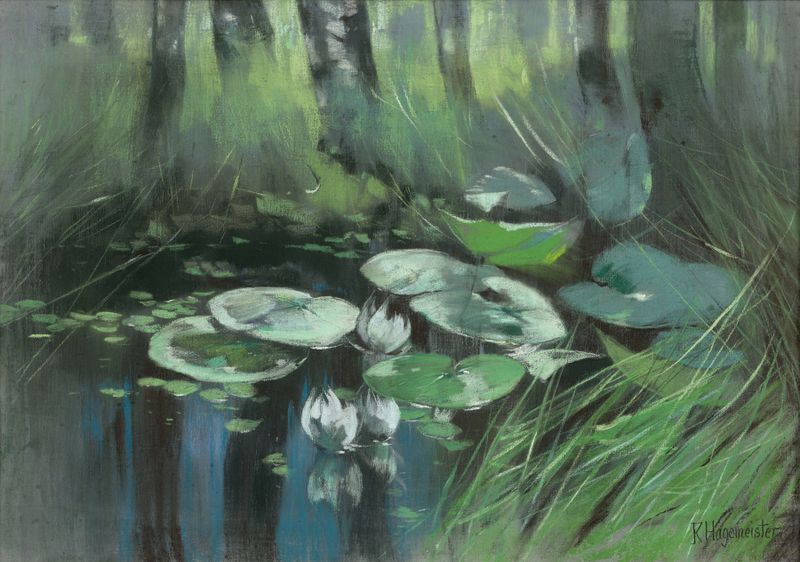
Teich in der Mark mit Seerosen
Karl Hagemeister
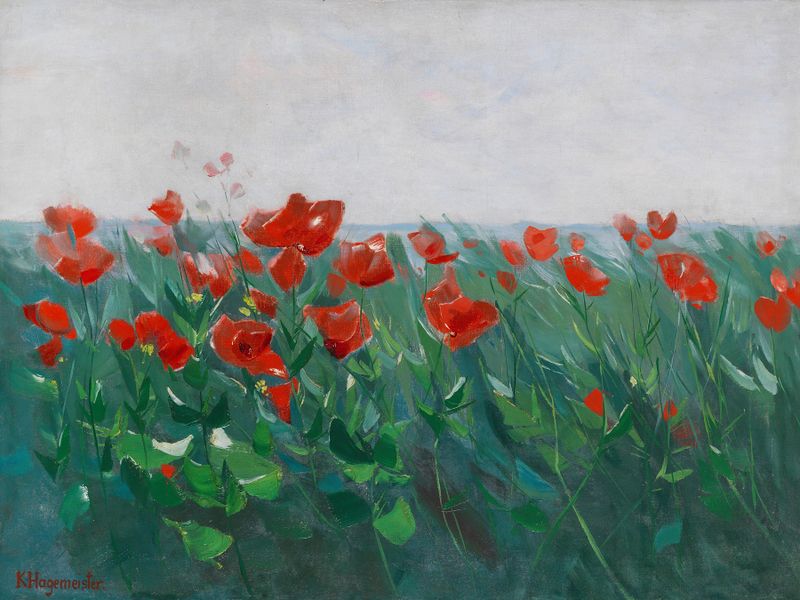
Roter Mohn am Seeufer
Karl Hagemeister

Bauernhaus bei Ferch
Karl Hagemeister
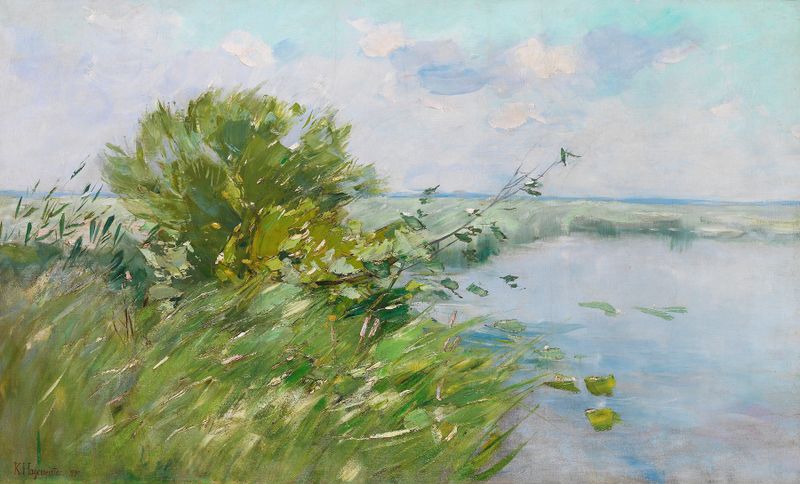
Märkische Seenlandschaft
Karl Hagemeister

Seeufer bei Ferch
Karl Hagemeister
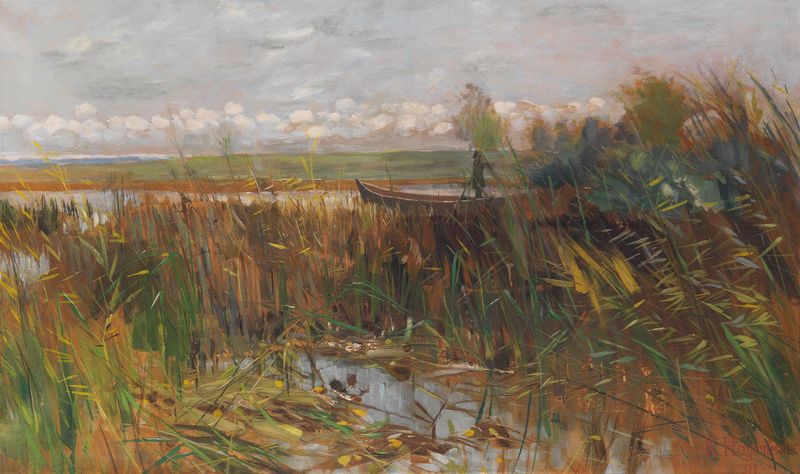
Märkische Seenlandschaft mit Entenjäger im Kahn stehend
Karl Hagemeister
Der Schwielowsee bei Kaputh – Frühling
Karl Hagemeister

Waldweiher
Karl Hagemeister

Waldlandschaft mit Bachlauf (Golmer Luch)
Karl Hagemeister

Sanddornstrauch an der Meeresküste
Karl Hagemeister





