
Dievča v kroji O 986 Slovak National Gallery — History & Facts
What first catches the eye is the directness of her gaze: steady, unflinching, and edged with a quiet pride. The brushwork is brisk and confident, almost sculptural in its handling of light and cloth, so that the folds of her white sleeves and the elaborate headscarf seem to catch the air. Every detail of her festive dress is rendered with purpose—the patterned ribbons, the lace trim, the neat pleats—each a signal of tradition, identity, and the rituals of her community.
The background is kept dark and plain, pushing her forward, as if to say that it is the woman herself, not her setting, who carries the story. The palette is earthy but brightened by flashes of yellow and red, hinting at both the warmth of the region and the painter’s affection for his subject. Painted in 1910, this work belongs to a world on the brink of change, when artists across Central Europe were turning their attention to rural life and folk costume as emblems of national character. Such portraits were often commissioned or collected by regional museums and cultural societies eager to document and celebrate disappearing ways of life in the face of modernization.
Antos Frolka was one of several artists who found inspiration in the villages of Slovakia and Moravia, capturing not just the costumes but the personalities and pride of their wearers. Today, this painting is held by the Slovak National Gallery, a reminder of a moment when art, dress, and identity were woven tightly together—inviting us to look again at the face behind the fabric.
More Artworks by Antos Frolka

Lístok od milého. O 163 Slovak National Gallery
Antos Frolka
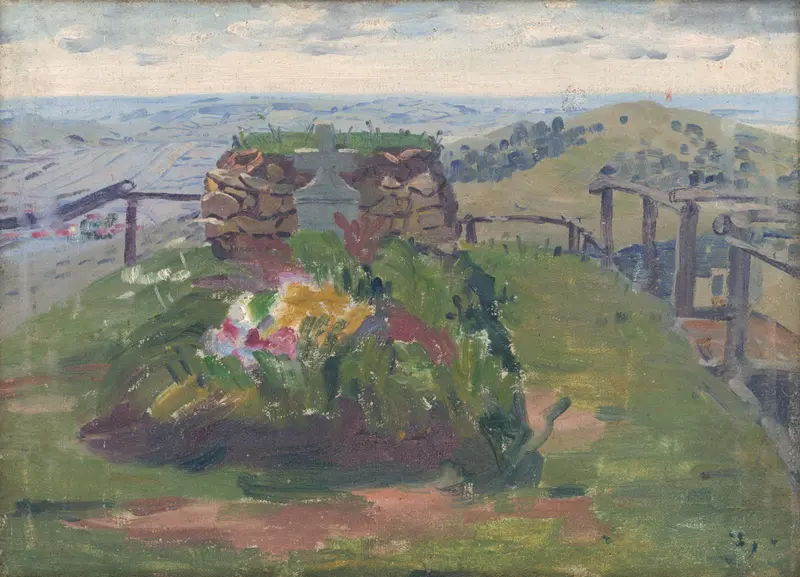
Štefánikov hrob na Bradle O 574 Slovak National Gallery
Antos Frolka
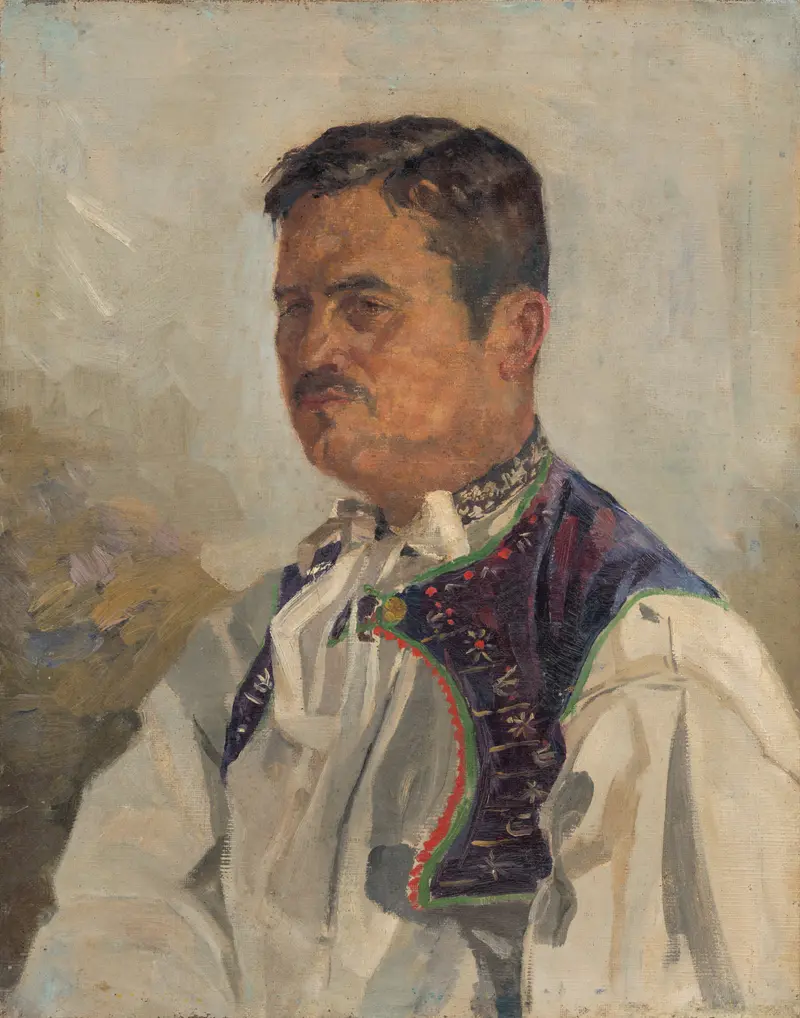
Self-Portrait
Antos Frolka
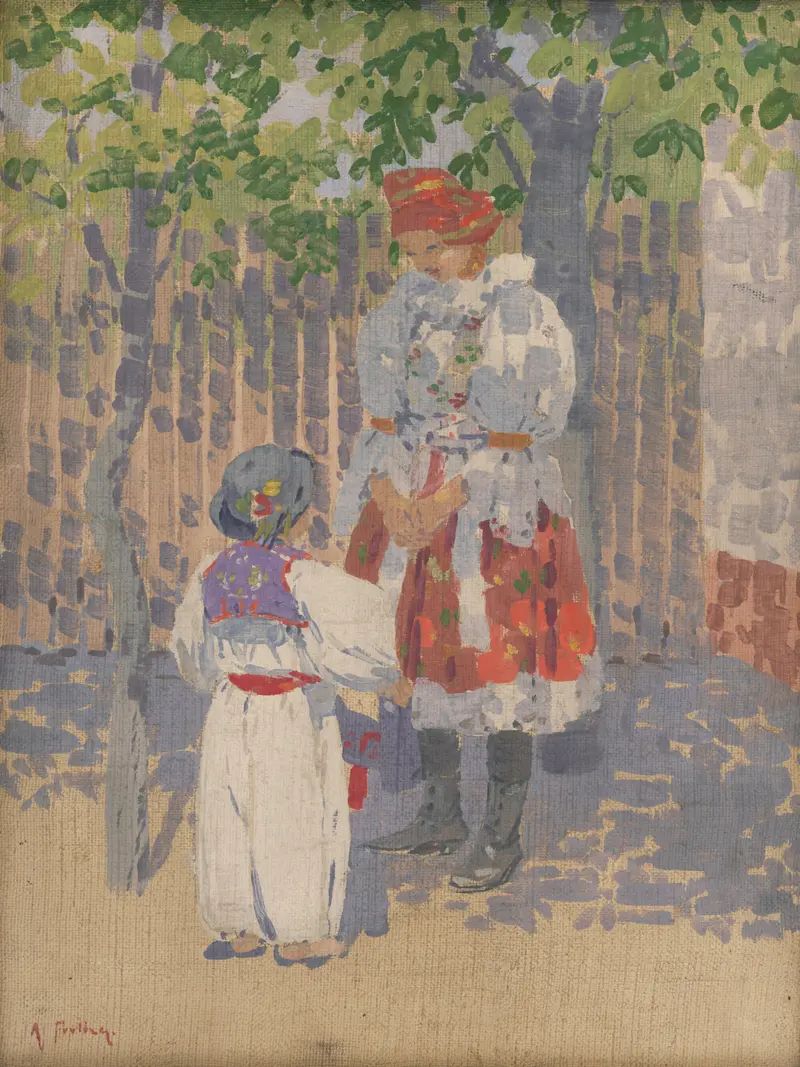
Pri plote. O 164 Slovak National Gallery
Antos Frolka
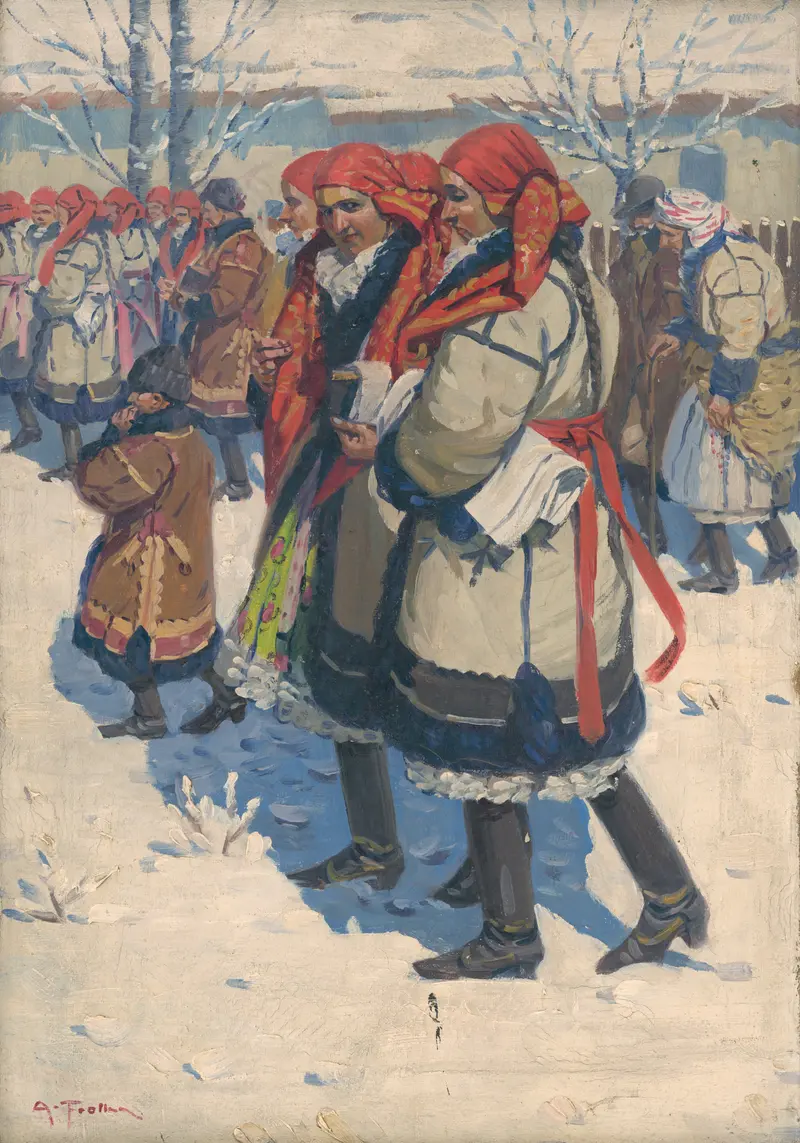
Moravské Slovenky v zime O 162 Slovak National Gallery
Antos Frolka
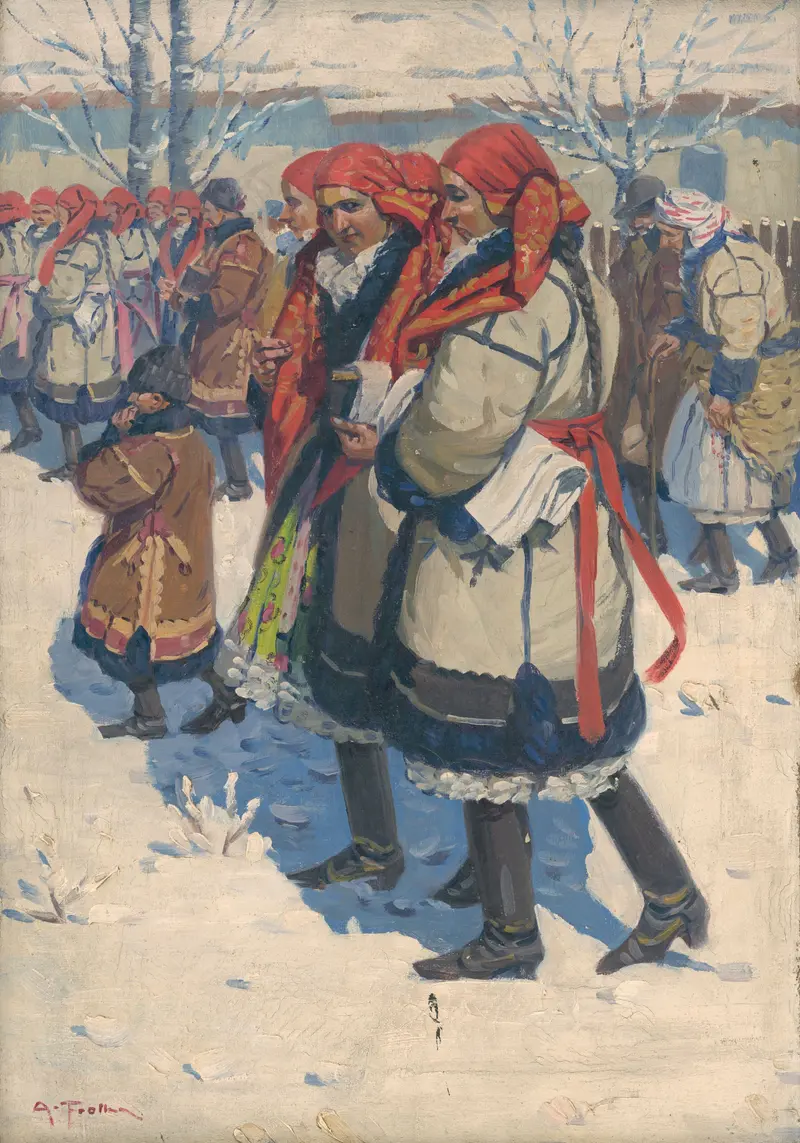
Moravské Slovenky v zime. Slovenská národná galéria, SNG
Antos Frolka
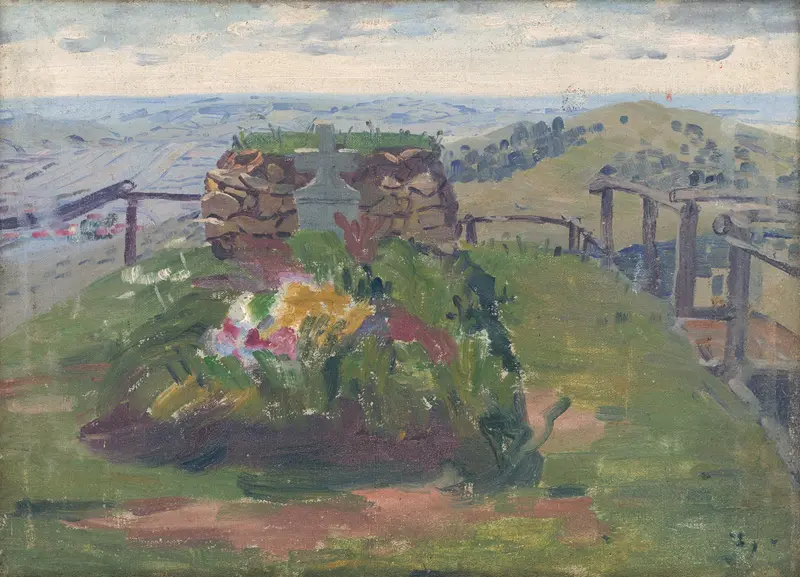
Štefánik’s tomb on the Bradlo hill
Antos Frolka





