
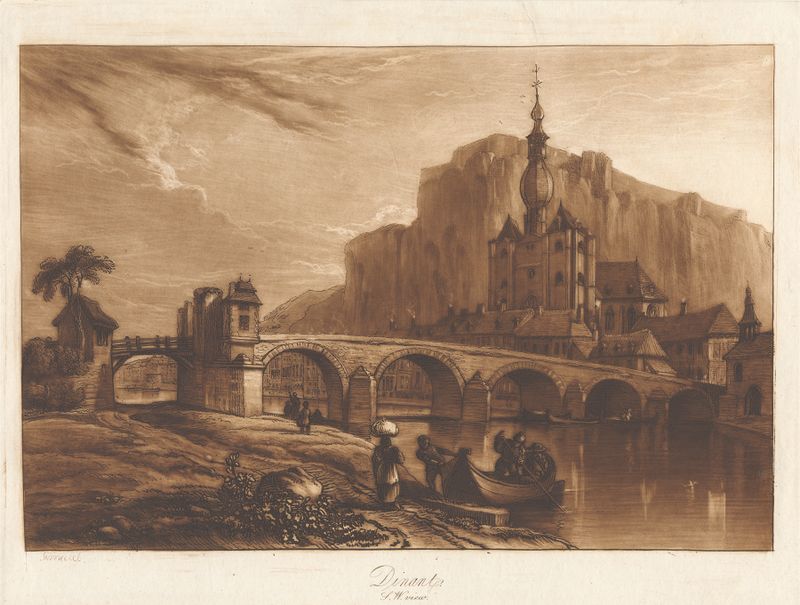
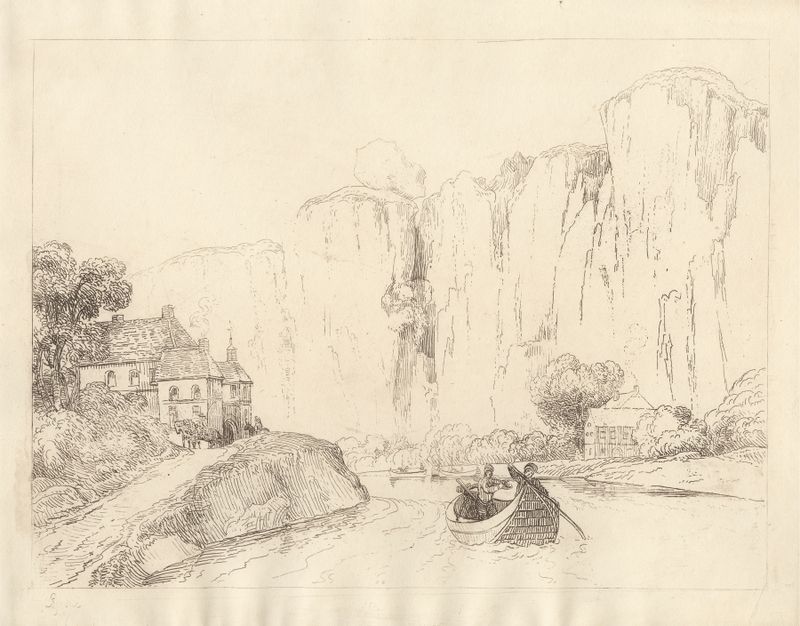
Dinant, No. 1: Southwest View — History & Facts
In the quiet moments of introspection, a canvas can illuminate what is often left unsaid, revealing hidden facets of life and emotion. Focus your gaze on the delicate interplay of light and shadow in this work. The ethereal glow emanates from a setting sun, casting warm hues over the rugged landscape. Notice how the soft pastel tones evoke a sense of tranquility, inviting the viewer to lose themselves in the sweeping vistas.
The meticulous brushwork brings out the contours of the hills, each stroke revealing Arnald's mastery in capturing the delicate nuances of nature's beauty. As you delve deeper into the piece, consider the contrast between the serene sky and the steadfast rocks below. This dynamic tension speaks of resilience amidst the ephemeral. The fleeting moments of daylight remind us of the passage of time, while the solid forms suggest permanence and stability.
There’s an emotional undercurrent that whispers of longing and the yearning for a deeper connection to the world around us. Between 1818 and 1828, George Arnald painted this work during a period of burgeoning Romanticism in Europe. Living in England, he was influenced by the emerging fascination with nature and its sublime qualities, reflecting the ideals of the era. As artists began to deviate from strict realism, Arnald found his voice in vibrant landscapes, capturing the essence of places through his unique lens, while the world around him navigated the complexities of industrial change.
More Artworks by George Arnald
Browse all →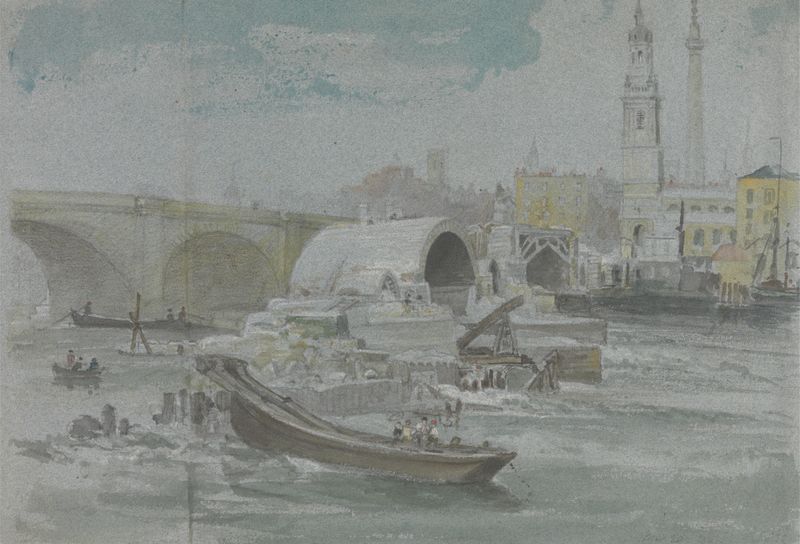
The Demolition of Old London Bridge
George Arnald
Dinant, No. 1: Southwest View
George Arnald
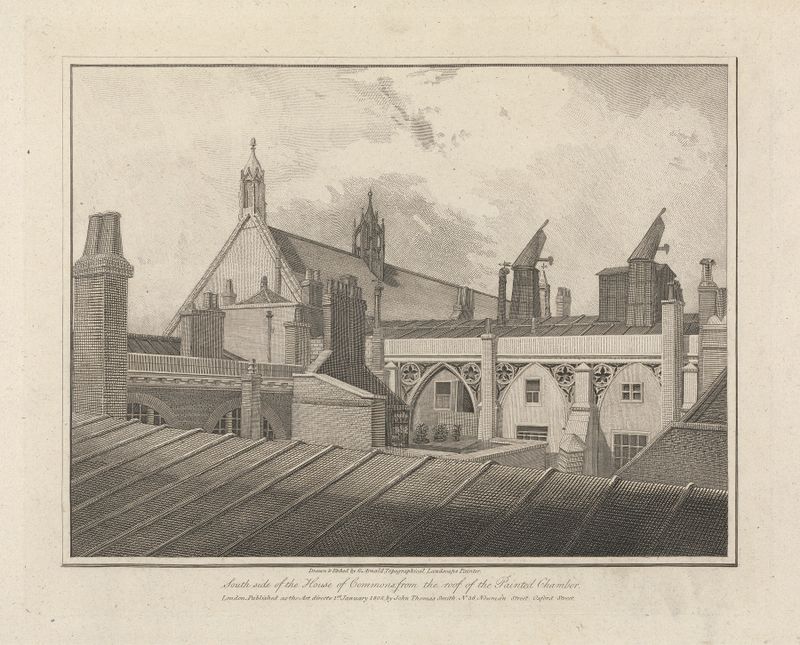
South Side of the House of Commons, from the Roof of the Painted Chamber
George Arnald
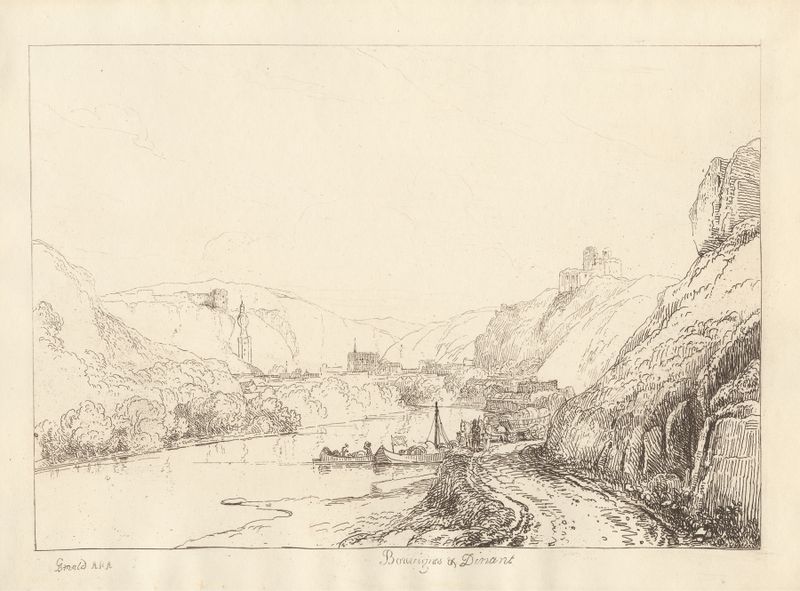
Bouvignes and Dinant
George Arnald
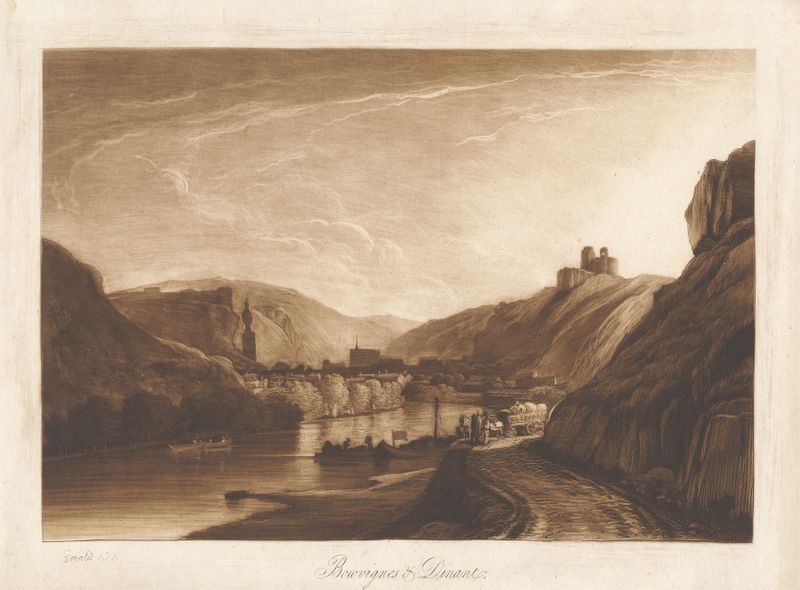
Bouvignes and Dinant
George Arnald
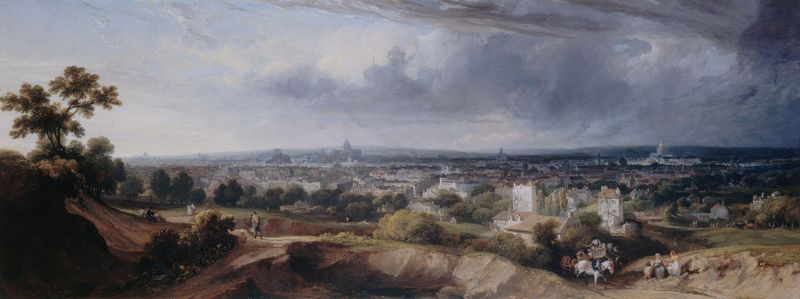
Paris, vu des hauteurs de Montmartre
George Arnald
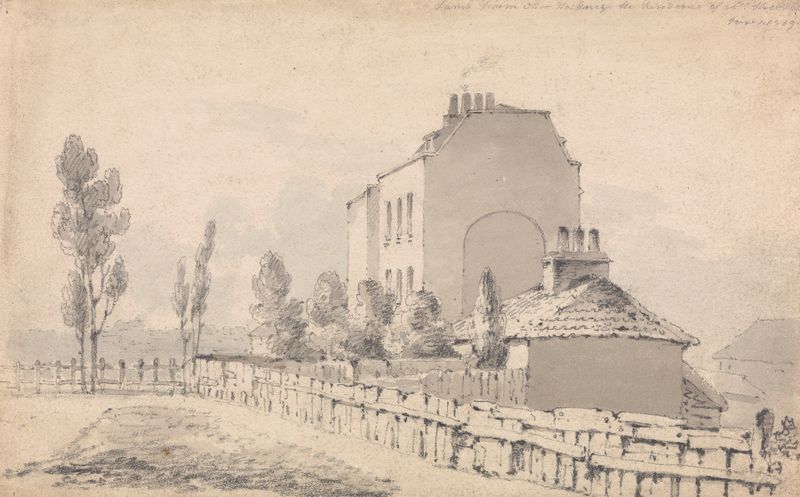
Lamb Farm near Hackney, the Residence of Hick: Richmond Road
George Arnald

Left Bank, Meuse
George Arnald
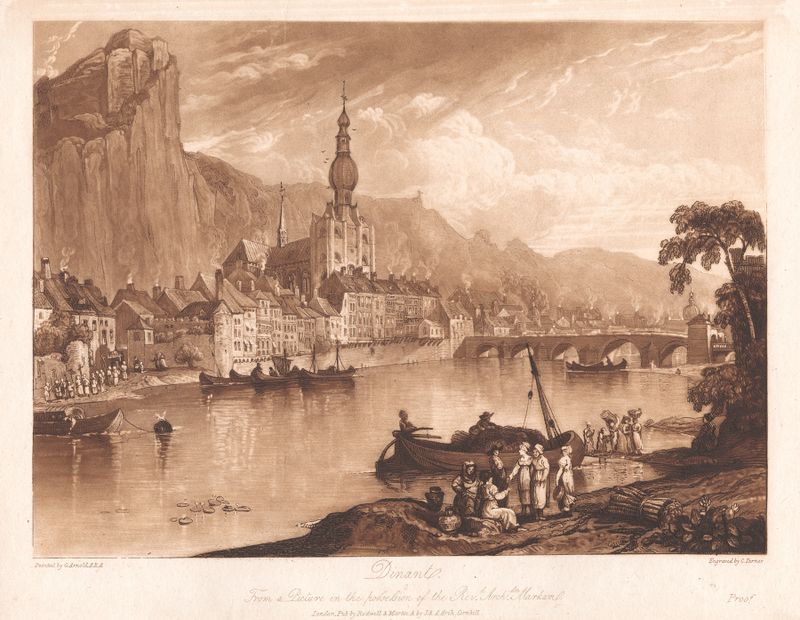
Dinant
George Arnald
Left Bank, Meuse
George Arnald





