
The Demolition of Old London Bridge — History & Facts
Is this a mirror — or a memory? The act of destruction, raw and visceral, invites us to confront the violence that reshapes our landscapes and our lives. Look to the left at the jagged remains of stone and timber, remnants of the bridge's once-majestic structure. The chaotic composition captures the frantic motions of laborers, their dark silhouettes contrasted against the soft, golden glow of the evening sky. Notice how the interplay of shadows and light enhances the scene’s tension, rendering the moment both haunting and beautiful.
The rich ochres and deep blues evoke a sense of nostalgia, while also foreshadowing a turbulent change, inviting reflection on the loss that follows progress. Beneath the surface lies a profound commentary on the duality of progress and destruction. The bridge, once a symbol of connection, is reduced to rubble, implicating the nature of human ambition and its often violent consequences. The figures, caught in their labor, simultaneously represent the hope for renewal and the inevitable grief of loss.
Their expressions remain obscured, rendering them universal in their struggle, yet personal in their sacrifice. In 1832, George Arnald was navigating the complexities of a rapidly changing England, where industrialization and modernization were redefining societal structures. Working in his studio, he grappled with the visual representations of this transformation, reflecting both the promise and peril of urban development. This period marked a critical juncture in art, bridging Romantic ideals with the emerging Realist movement, shaping his perspective as he captured the poignant moment of transition in The Demolition of Old London Bridge.
More Artworks by George Arnald
Browse all →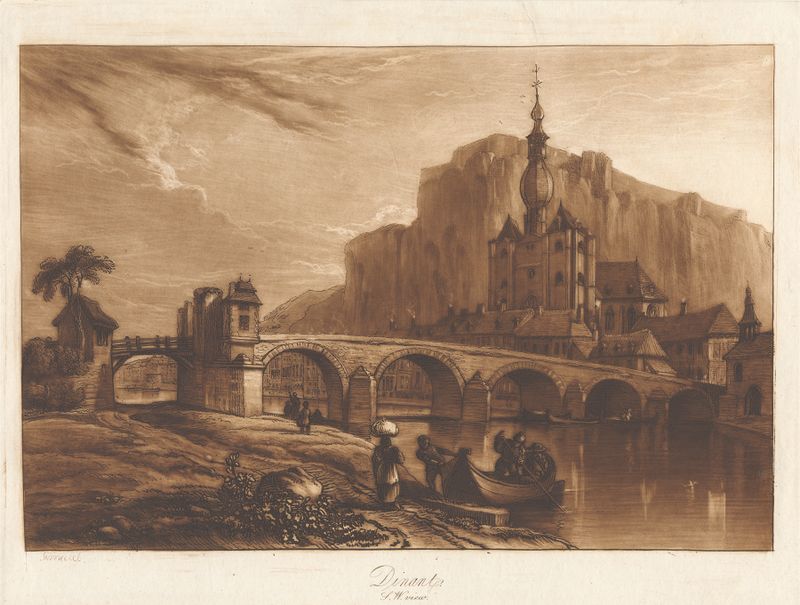
Dinant, No. 1: Southwest View
George Arnald
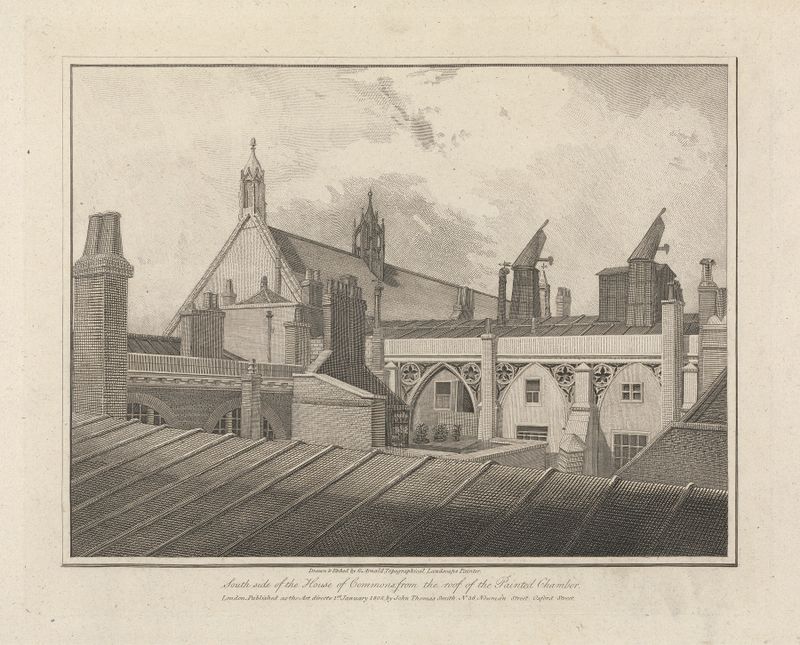
South Side of the House of Commons, from the Roof of the Painted Chamber
George Arnald
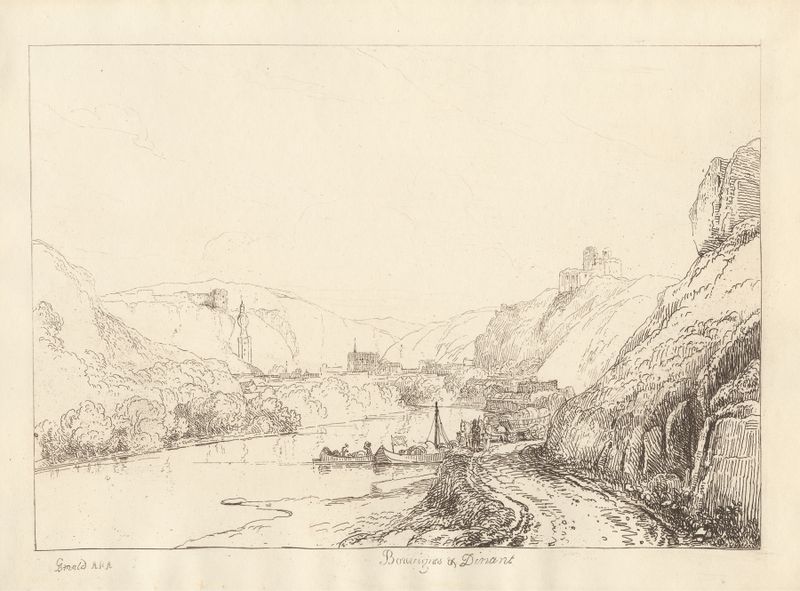
Bouvignes and Dinant
George Arnald
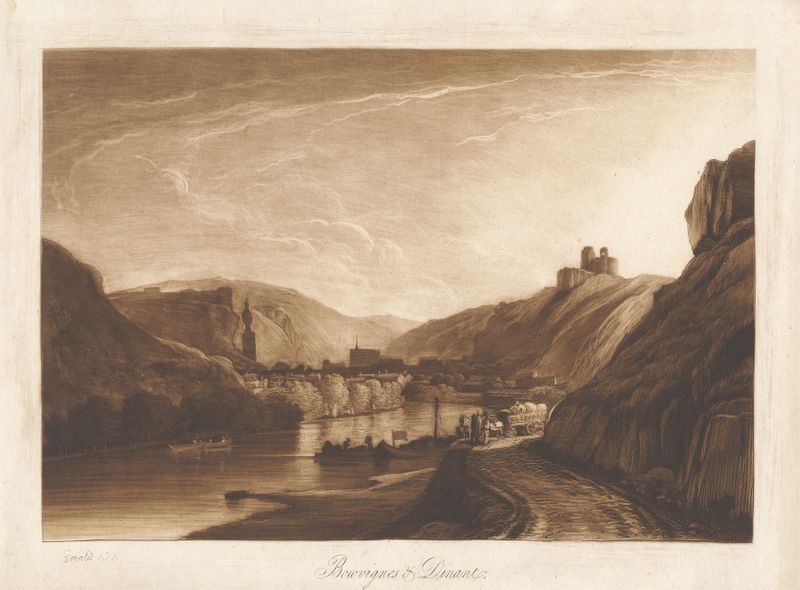
Bouvignes and Dinant
George Arnald

Dinant, No. 1: Southwest View
George Arnald
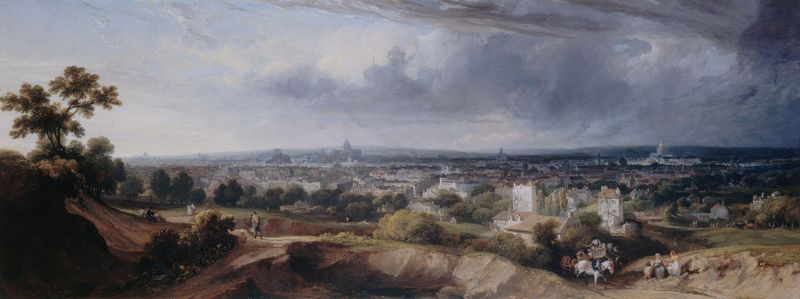
Paris, vu des hauteurs de Montmartre
George Arnald
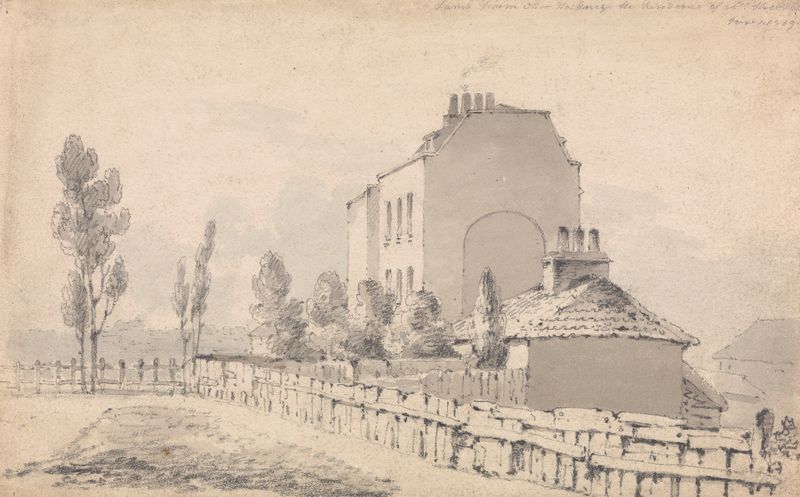
Lamb Farm near Hackney, the Residence of Hick: Richmond Road
George Arnald

Left Bank, Meuse
George Arnald
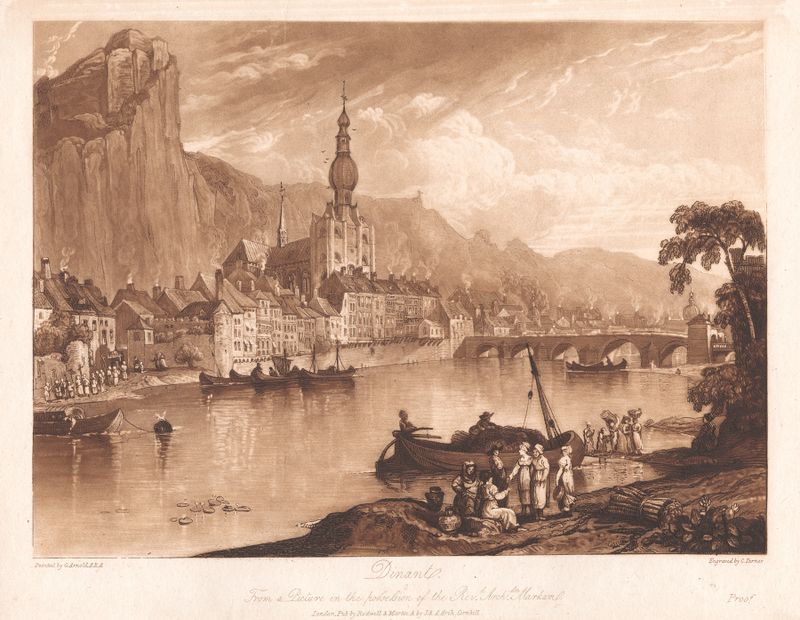
Dinant
George Arnald
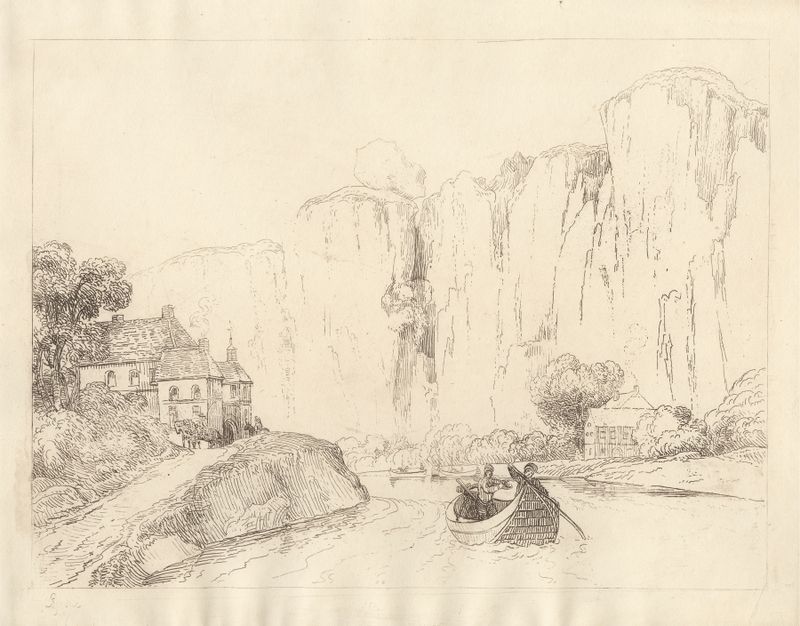
Left Bank, Meuse
George Arnald
More Historical Art
Browse all →
The Night Watch Militia Company of District II under the Command of Captain Frans Banninck Cocq
Rembrandt van Rijn
Lincoln Memorial
Henry Bacon
The Third of May 1808
Francisco de Goya

Isaac and Rebecca, Known as ‘The Jewish Bride’
Rembrandt van Rijn
The Charge of the Mamelukes (1814)
Francisco de Goya

De vier ruiters van de apocalyps
Albrecht Dürer