Distant HIlls — History & Facts
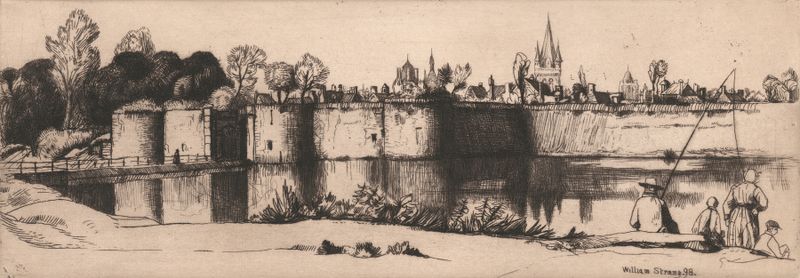
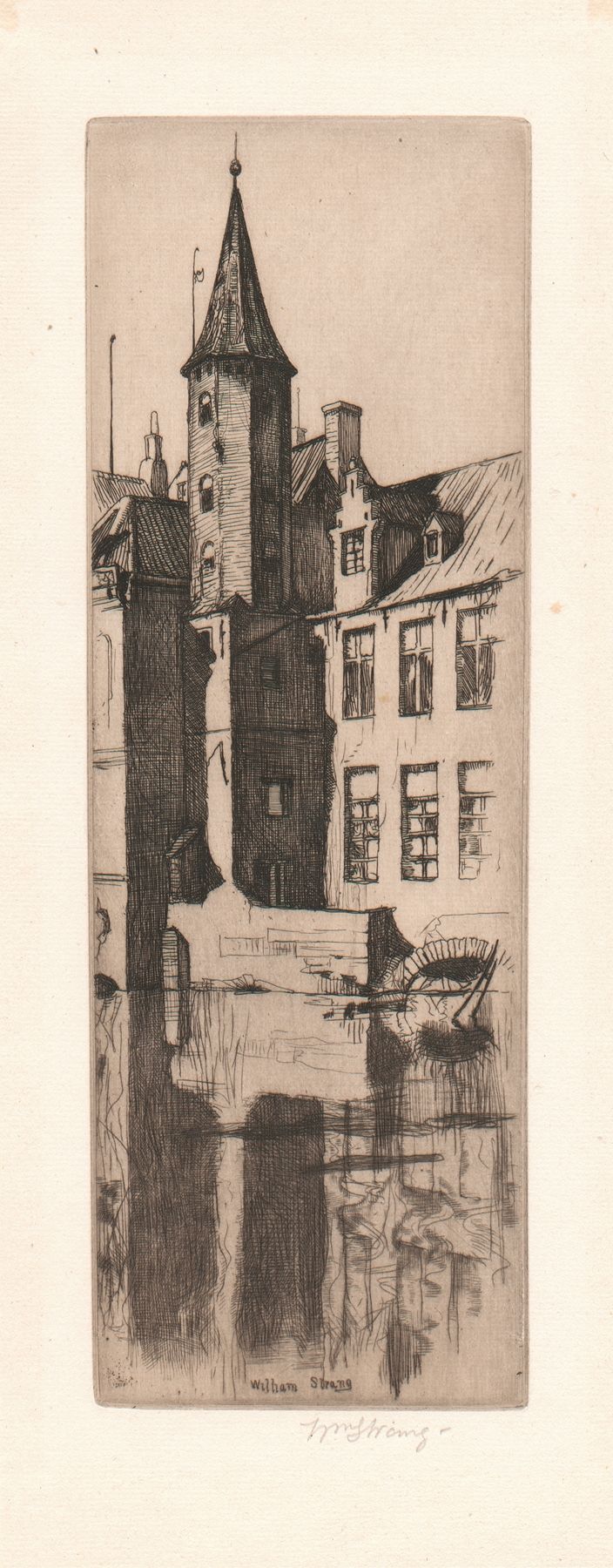
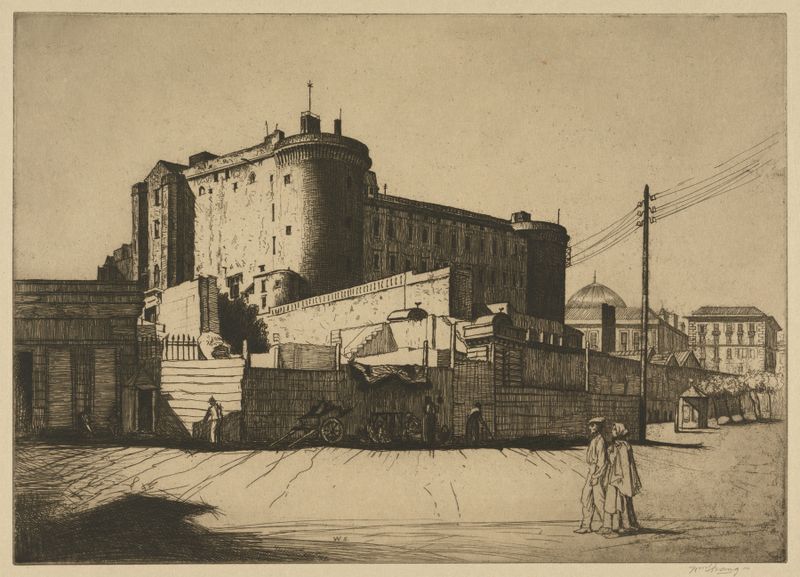
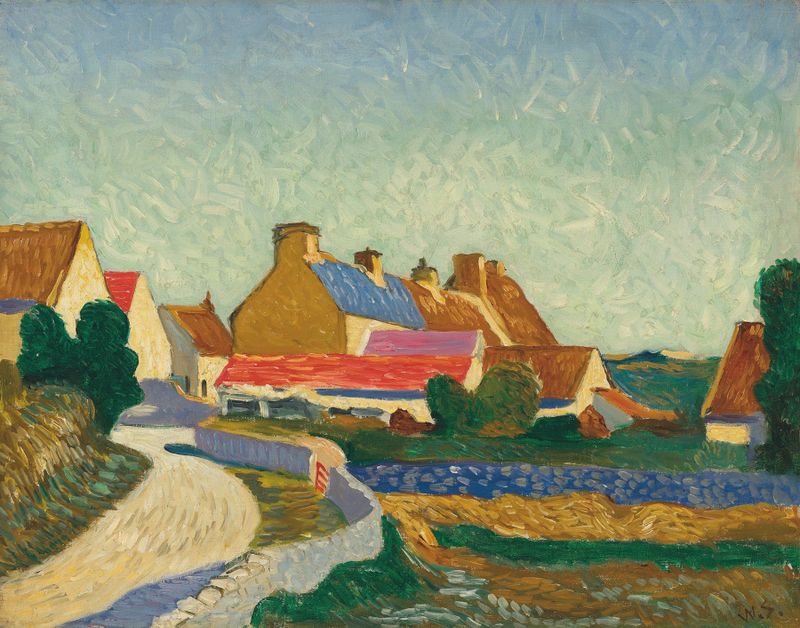
Can beauty exist without sorrow? The essence of this question echoes through the landscape captured on canvas, inviting a meditation on the interplay of light and shadow in our lives. Look towards the horizon where rolling hills stretch into the distance, a gentle undulation of earthy tones. The palette dances between deep greens and muted browns, connoting both vitality and decay. Notice how the brushwork creates a sense of textured depth, drawing the eye into the undulating layers, each one hinting at nature's quiet resilience against time.
The soft, diffused light bathes the scene, inviting contemplation while suggesting a fleeting moment. Beneath the surface, the painting reveals a duality — the vibrant life of the hills juxtaposed with a melancholic atmosphere. Subtle shadows linger in the foreground, hinting at loss or longing that contrasts with the verdant hills. The simplicity of the landscape belies a deeper narrative, one that reflects the tension between beauty and impermanence, reminding us that even in nature’s most picturesque moments, there lurks an undercurrent of sorrow. William Strang created this work during a time of artistic exploration, likely in the late 19th to early 20th centuries, a period marked by shifts toward impressionism and symbolist influences.
Living in London, he was inspired by the changing landscapes around him, capturing the emotional weight of scenes that, at a glance, might seem serene. This artwork exemplifies his ability to convey complex feelings through seemingly simple vistas, a hallmark of his artistic journey.