
Dood en wellustig paar — History & Facts
Can paint confess what words never could? In Dood en wellustig paar, the tension between mortality and pleasure unfolds with striking clarity, revealing a tumultuous dialogue that resonates through the ages. Look to the center of the composition, where the couple exists in a delicate embrace, each figure embodying contrasting themes of life and death. The pale, ghostly figure on the left starkly juxtaposes the vibrant, living essence of their partner. Notice how the color palette shifts from the warm, inviting hues surrounding the living figure to the cool, somber tones enveloping death, emphasizing the duality of their existence.
The meticulous detailing in their expressions invites the viewer into an intimate moment, laden with significance. Delve deeper into the symbolism presented by the entwined figures, as the skeletal hand of death represents the inevitable fate that awaits all. The lush background, filled with flora, speaks to the ephemeral nature of life, suggesting that beauty and decay are inexorably linked. This interplay between lushness and lifelessness raises profound questions about desire, morality, and the transient joys that accompany our earthly existence. Created in 1529, this work emerges during a period of considerable upheaval in Europe, marked by the Reformation and the questioning of established norms.
Hans Sebald Beham, a significant figure within the Northern Renaissance, painted this piece amidst a burgeoning movement that sought to challenge traditional religious narratives. In this context, Dood en wellustig paar serves as a revolutionary commentary on the human condition, blending personal reflection with broader societal shifts.
More Artworks by Hans Sebald Beham
Browse all →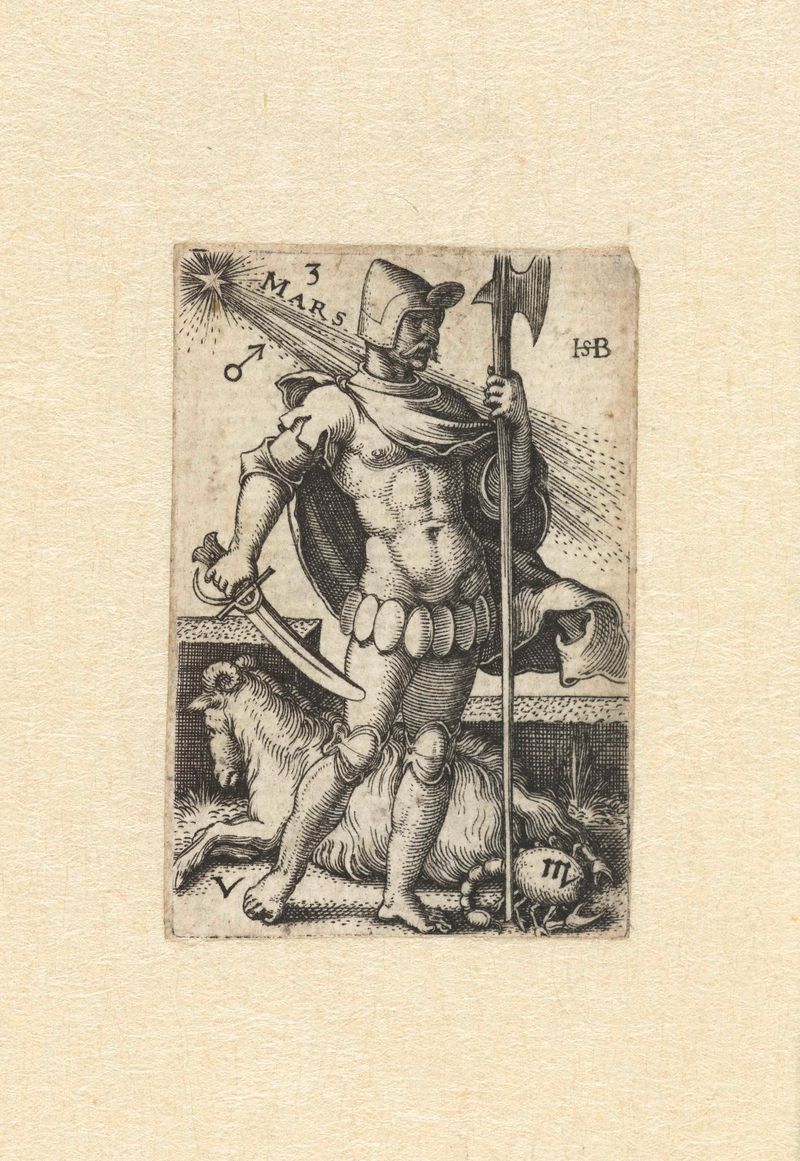
Mars met sterrenbeelden Ram en Schorpioen
Hans Sebald Beham

Achilles in gevecht met Hector
Hans Sebald Beham
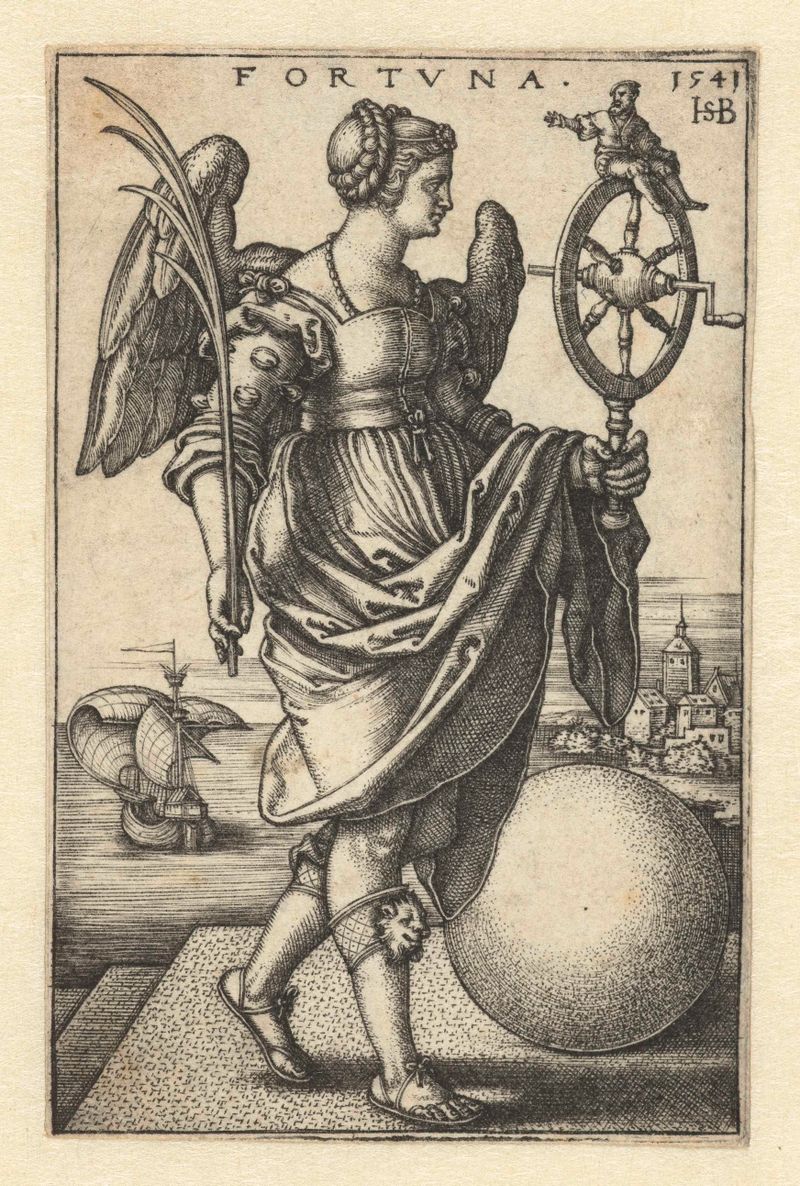
Fortuna
Hans Sebald Beham

Hercules worstelt met Antaeus
Hans Sebald Beham

Twee muzikanten met schalmey en doedelzak
Hans Sebald Beham

Voorzichtigheid (Prudentia)
Hans Sebald Beham

Hercules in gevecht met de Trojanen
Hans Sebald Beham
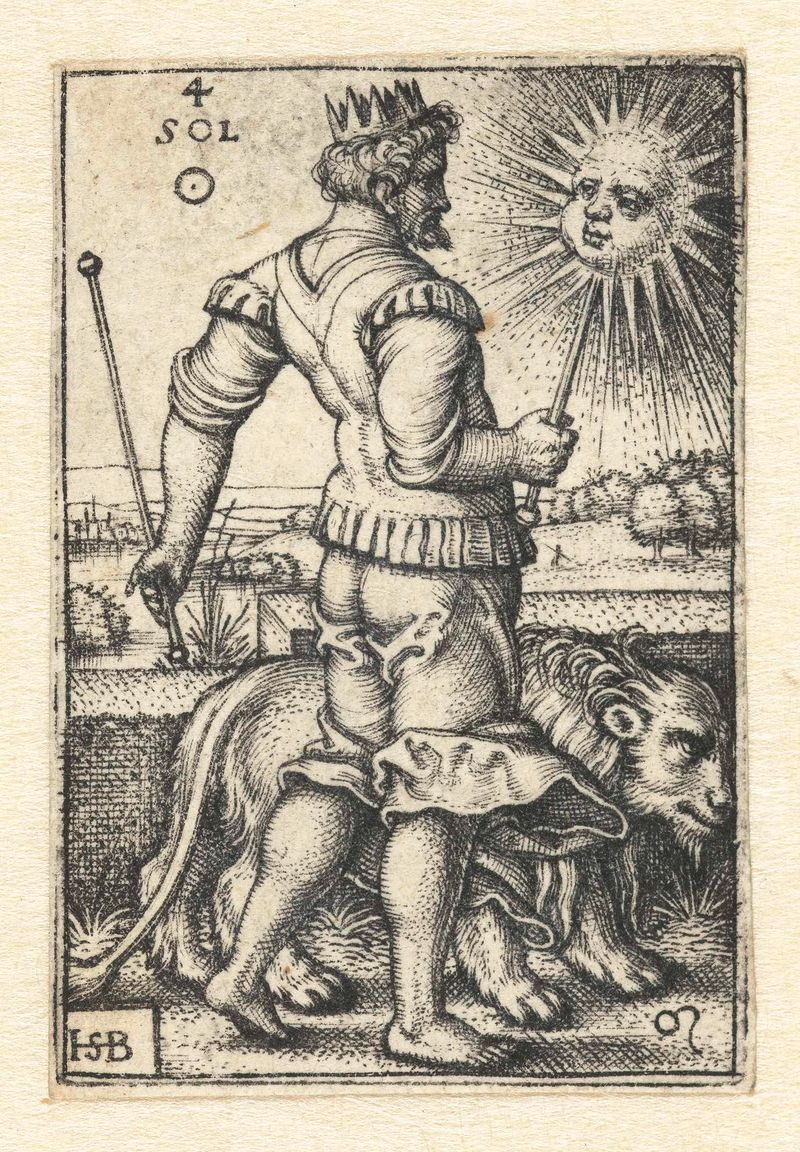
Apollo (Sol) met sterrenbeeld Leeuw
Hans Sebald Beham
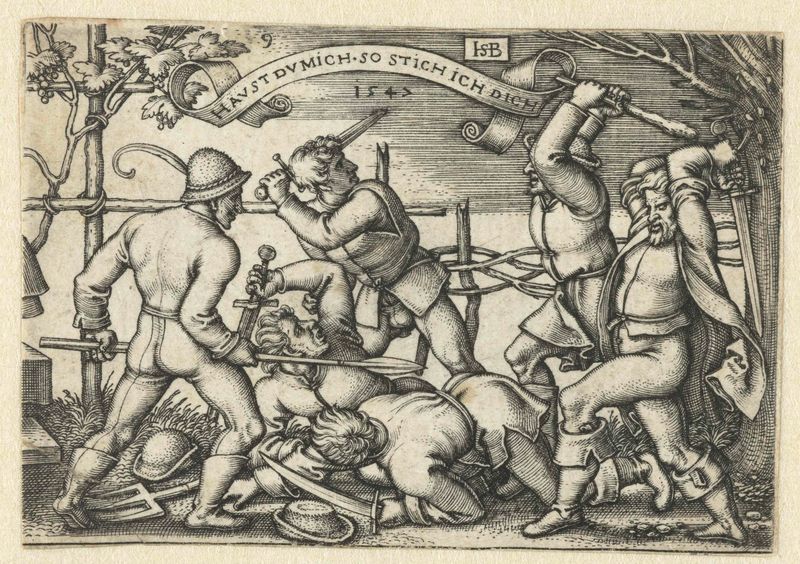
Vechtende boeren met zwaarden
Hans Sebald Beham
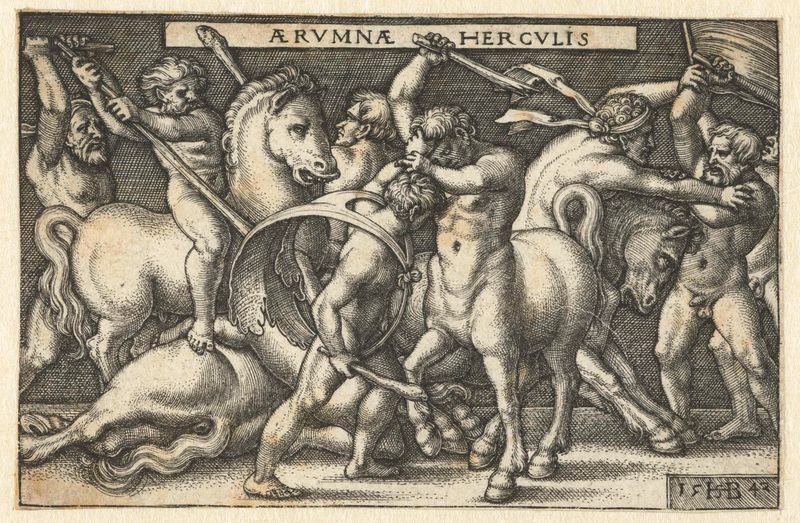
Hercules in gevecht met centaurs
Hans Sebald Beham





