Dordrecht — History & Facts
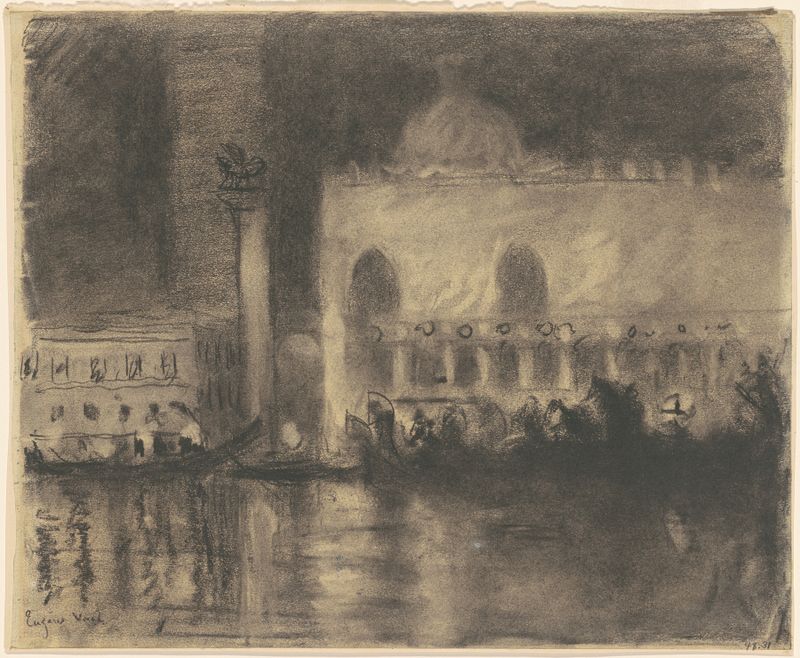
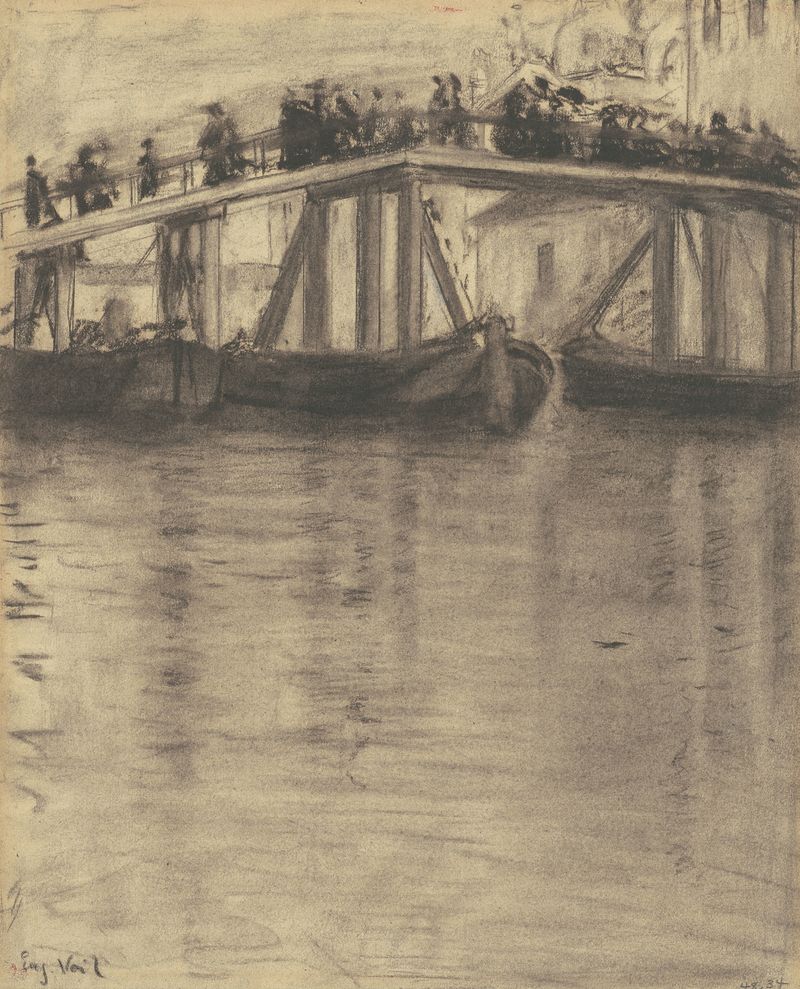
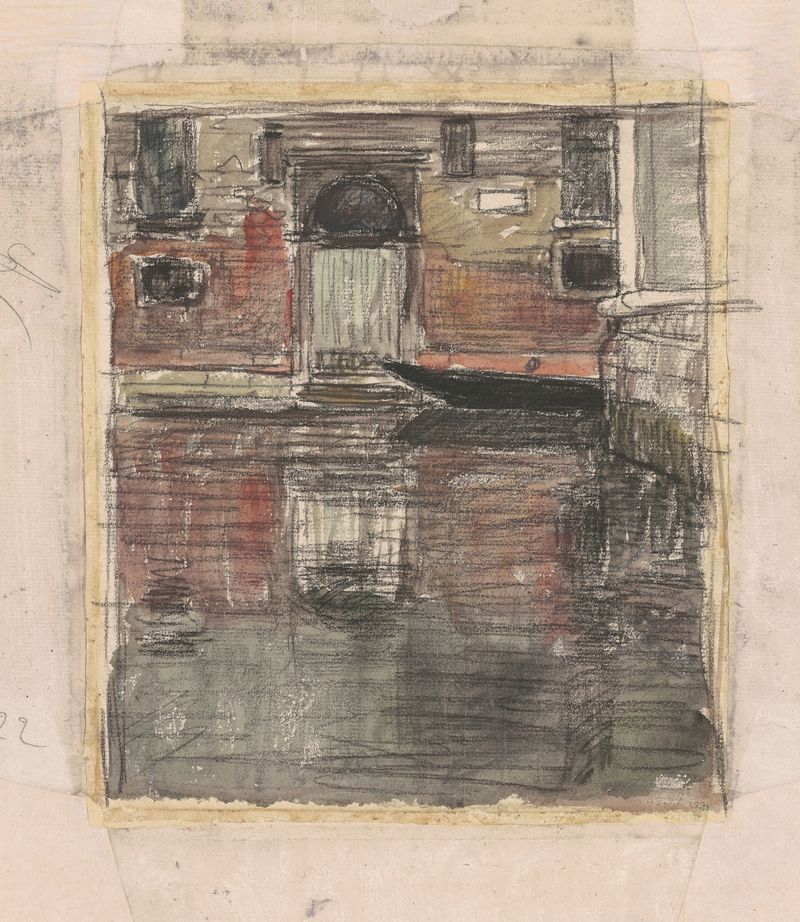
When did color learn to lie? The hues that capture the eye are often dressed in the innocence of beauty, yet they can mask deeper truths. Look to the gentle waves in the lower half of the canvas, where shades of azure and emerald whisper secrets of the watery world. Notice how the light dances upon the water, creating a radiant reflection that seems both ethereal and deceptive. The tranquil sky above, painted in soft pastels, hints at serenity, while the billowing clouds, tinged with warm golden tones, signal an impending shift.
Vail's meticulous brushwork reveals a stunning interplay between calmness and the latent turbulence of nature, inviting viewers to linger in this moment of deceptive stillness. This artwork expresses contrasts that resonate with the viewer's emotional landscape. The juxtaposition of the vibrant, inviting colors against the subtle undercurrents of shadow suggests a tension between appearance and reality. The structures on the shore, while seeming idyllic, may represent a fragile peace, one that could be disrupted at any moment.
Through this lens, innocence is both celebrated and questioned, urging us to reflect on our perceptions of beauty and truth. Eugène Vail painted this work during a period when the art world was embracing Impressionism, a movement focused on capturing the transient qualities of light and color. Though the exact date remains uncertain, it is believed he created Dordrecht amid the late 19th century in France. During this time, artists were increasingly exploring how to express the ephemeral nature of life and the complexities hidden beneath surface appearances.
Vail's work contributes to this dialogue, inviting contemplation of the thin veil between innocence and reality.