Reflections,Venetian Canal — History & Facts
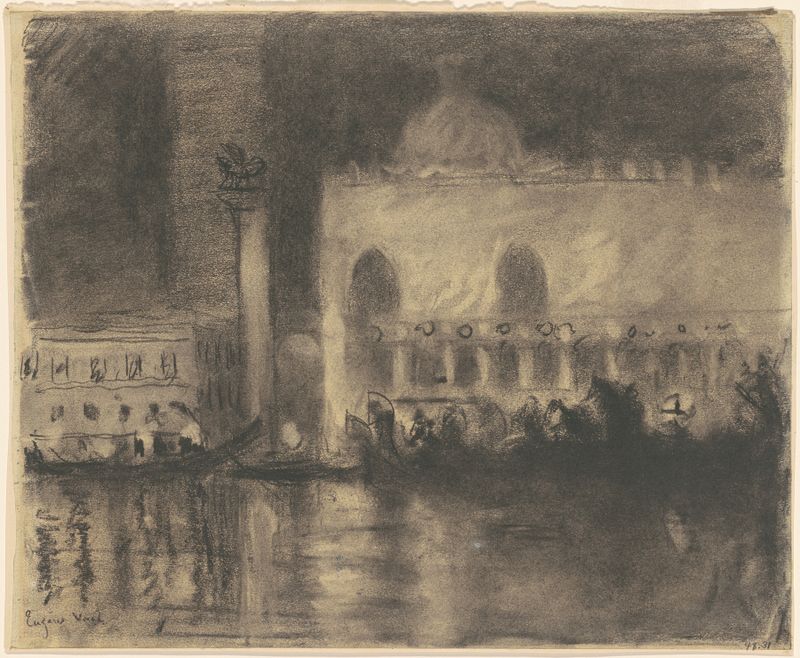
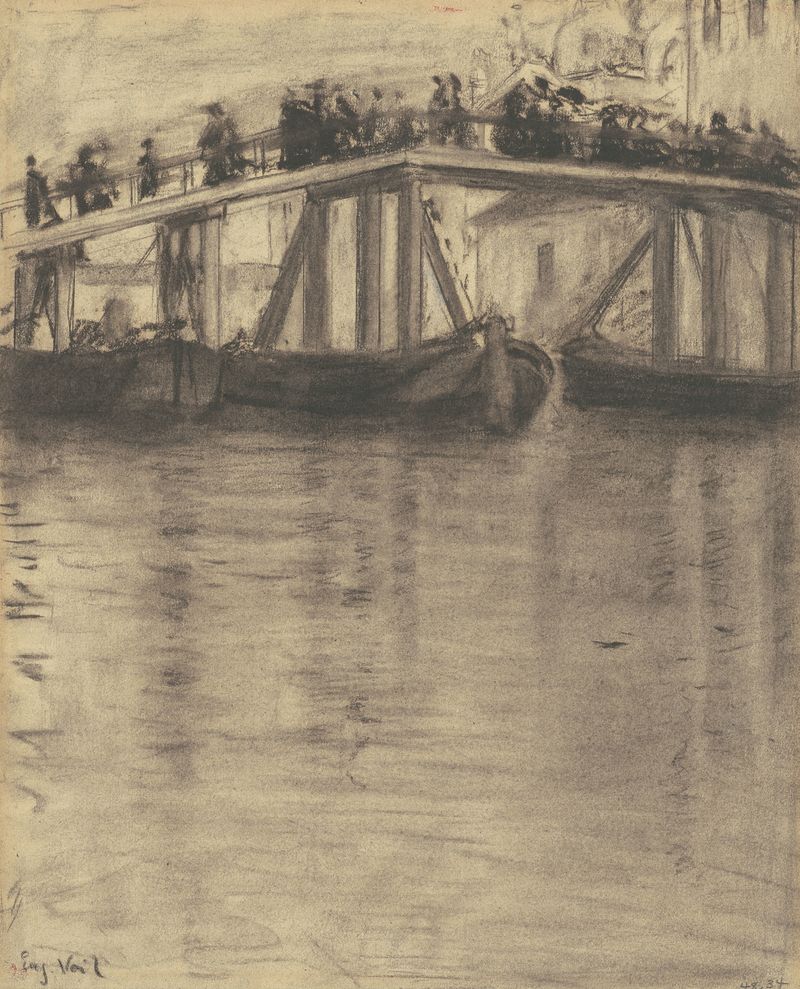
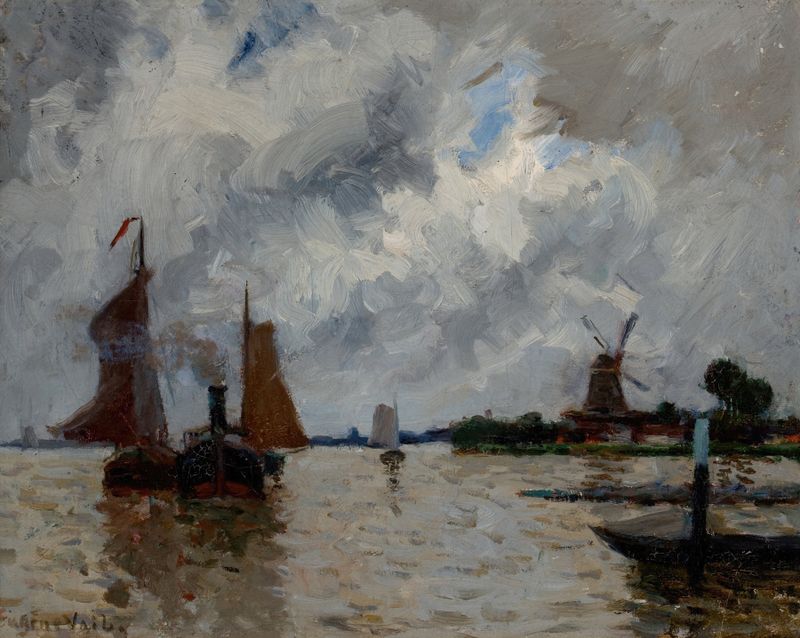
In a world marked by decay, what remains in our memories is often both haunting and beautiful. Look to the center of the canvas, where the shimmering waters of the Venetian canal beckon with their reflective surface. Notice how the gentle strokes of cool blues and warm earth tones intertwine, creating a sense of harmony. The buildings, with their crumbling facades, stand in silent conversation with the water, their dilapidation captured in soft, yet deliberate brushwork.
Here, light plays coyly across the surface, emphasizing both the allure of the scene and the inevitability of time’s passage. As the viewer, you may feel a tension between beauty and decay, a stark reminder of transience. The vibrant reflections in the water contrast with the fading architecture, suggesting a yearning for what was once vibrant yet is now fading into memory. Small details, like the drifting leaves or the distant figures, hint at life’s continuity amidst decline, inviting contemplation on the passage of time and the stories held within these ancient walls. Eugène Vail created this piece around the turn of the 20th century, during a period marked by significant shifts in artistic expression.
Living in France, he was influenced by the burgeoning Impressionist movement, which sought to capture fleeting moments and emotions. As Europe grappled with the rapid changes brought on by industrialization, his work reflects both a nostalgic reverence for the past and an awareness of the inevitable decay that time brings.