Venetian Bridge — History & Facts
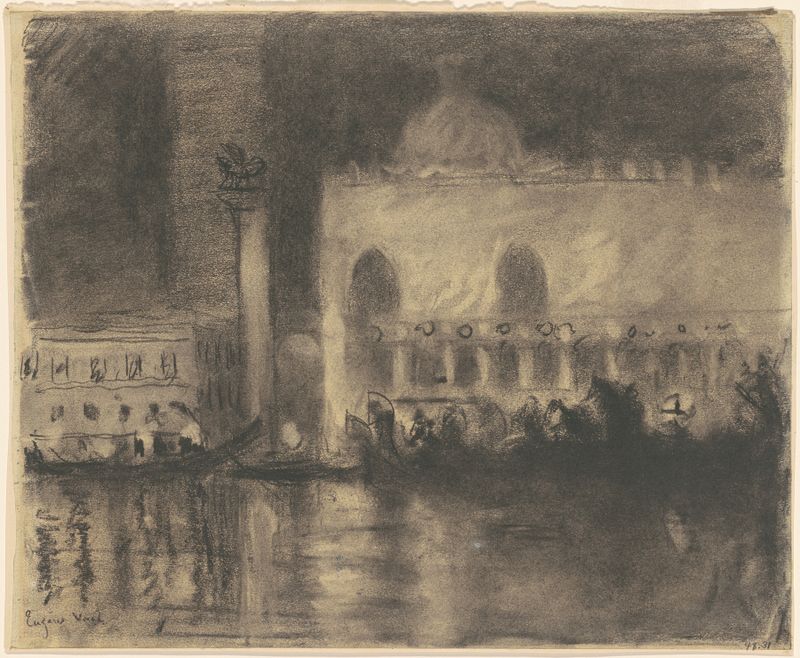
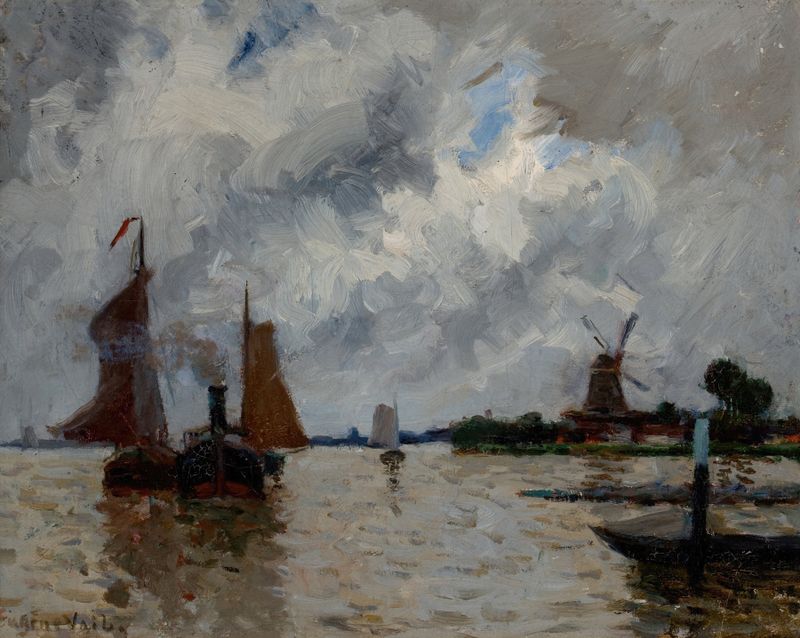
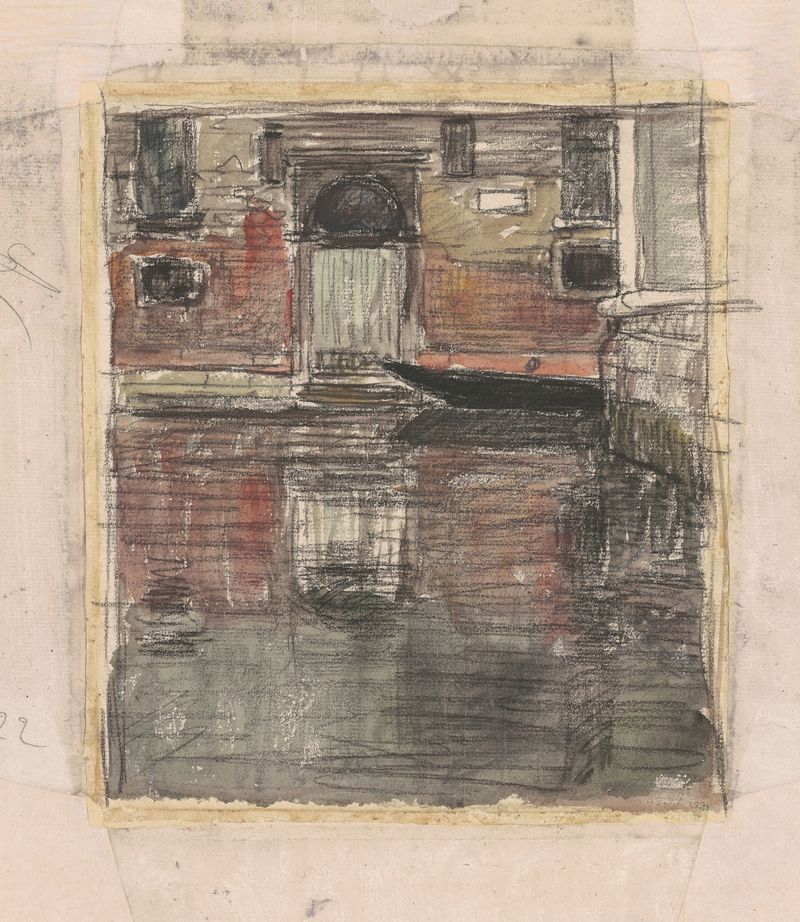
Can paint confess what words never could? In Venetian Bridge, the essence of faith materializes in vibrant hues and delicate brushstrokes, inviting viewers to contemplate the mysteries that lie beneath the surface. Look to the center, where a softly arched bridge spans a serene canal, its reflection dancing on the water’s surface. The warm golden tones of the buildings flanking the scene blend seamlessly with the cool blues of the sky, creating a harmonious balance that pulls the eye toward the horizon. Vail’s use of light breaks through the clouds, casting a gentle glow on the scene, illuminating the intricate details of the architecture and inviting us to lose ourselves in this timeless moment. Yet, beneath the surface tranquility lies a deeper emotional narrative.
The bridge symbolizes the connection between two worlds—one of vibrant life and another of stillness, suggesting a journey of faith. The ripples in the water hint at unseen depths, evoking a sense of introspection and the complexities of human experience. Each brushstroke carries a whisper of longing, echoing the silent prayers of those who traverse the bridge, searching for meaning in their lives. Created between 1900 and 1920, this piece emerged during a transformative period in Vail’s life.
Living in France amidst the currents of modernism and impressionism, he sought to capture the ephemeral beauty of his surroundings. The world was shifting rapidly, yet Vail’s focus on serene landscapes reflects a retreat into a contemplative space, a desire to find solace in the enduring structures of faith and beauty.