
Drie mannelijke heiligen en vrouwelijke heilige van benedictijnse orde — History & Facts
What if beauty was never meant to be finished? In Drie mannelijke heiligen en vrouwelijke heilige van benedictijnse orde, the hovering presence of emptiness invites contemplation, turning the viewer's gaze inward to explore unfulfilled desires. Focus on the serene expressions of the figures at the center, their faces illuminated with soft, ethereal light that gently beckons the eye. Notice the intricate details of their robes, adorned with muted yet rich tones of gold and blue, which stand out against the understated background. The delicate brushwork captures every fold and texture, creating a palpable sense of depth.
As you look closer, observe how the positioning of the saints creates a visual triangle, drawing our attention and creating a lingering sense of expectation. Yet, beneath the surface beauty lies a poignant tension. The absence of direct action or interaction among the figures speaks to a longing that is both spiritual and earthly, hinting at the isolation felt even in the presence of the divine. The juxtaposition of their serene expressions against the starkness of the background echoes the idea of connection amidst solitude—a metaphor for human experience itself.
This emptiness resonates deeply, challenging our understanding of completeness in art and life. Created between 1740 and 1775, Tiepolo painted this work during a time when the Baroque style was evolving, and artists began to explore more intimate and personal expressions. In the midst of his prolific career in Venice, he embraced the complexities of light and form, seeking to bridge the divine and the mundane. This painting reflects not only his mastery of technique but also a deeper exploration of the human condition within a sacred framework.
More Artworks by Giovanni Domenico Tiepolo
Browse all →
Engel met scapulier
Giovanni Domenico Tiepolo
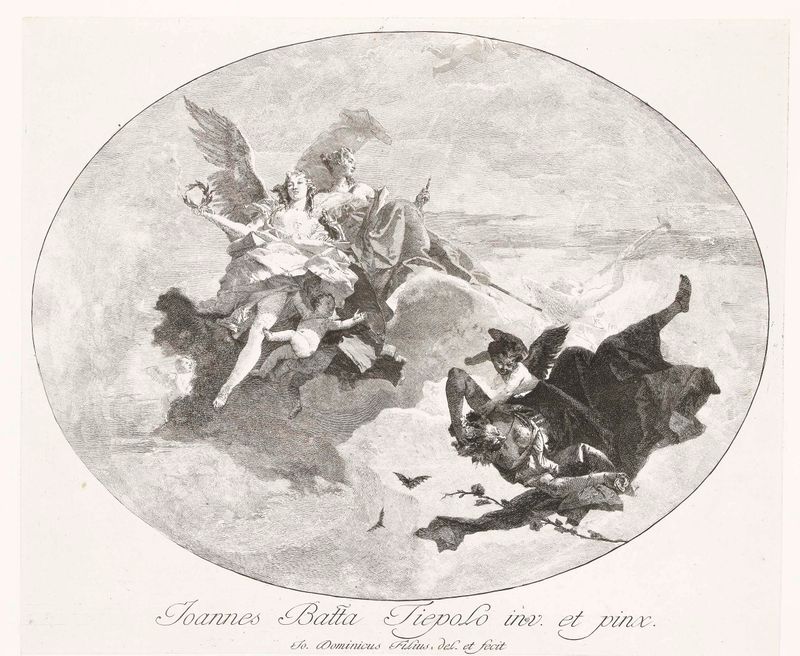
Deugd en Faam verjagen Gierigheid
Giovanni Domenico Tiepolo
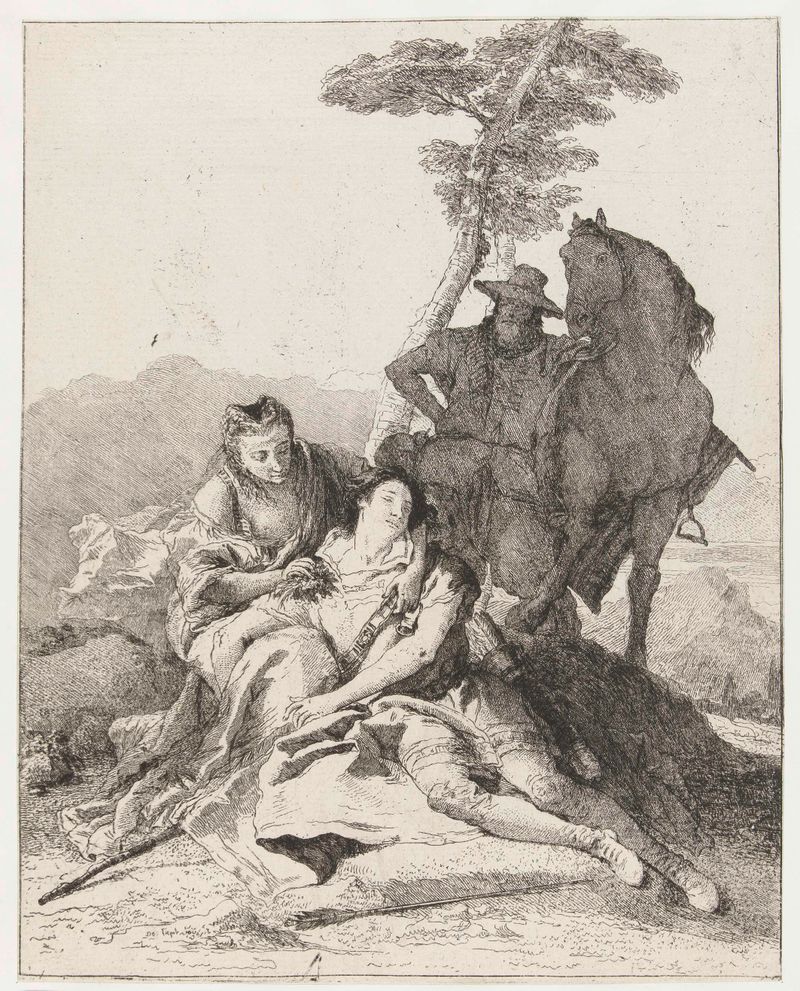
Angelica geneest de wond van Medoro
Giovanni Domenico Tiepolo
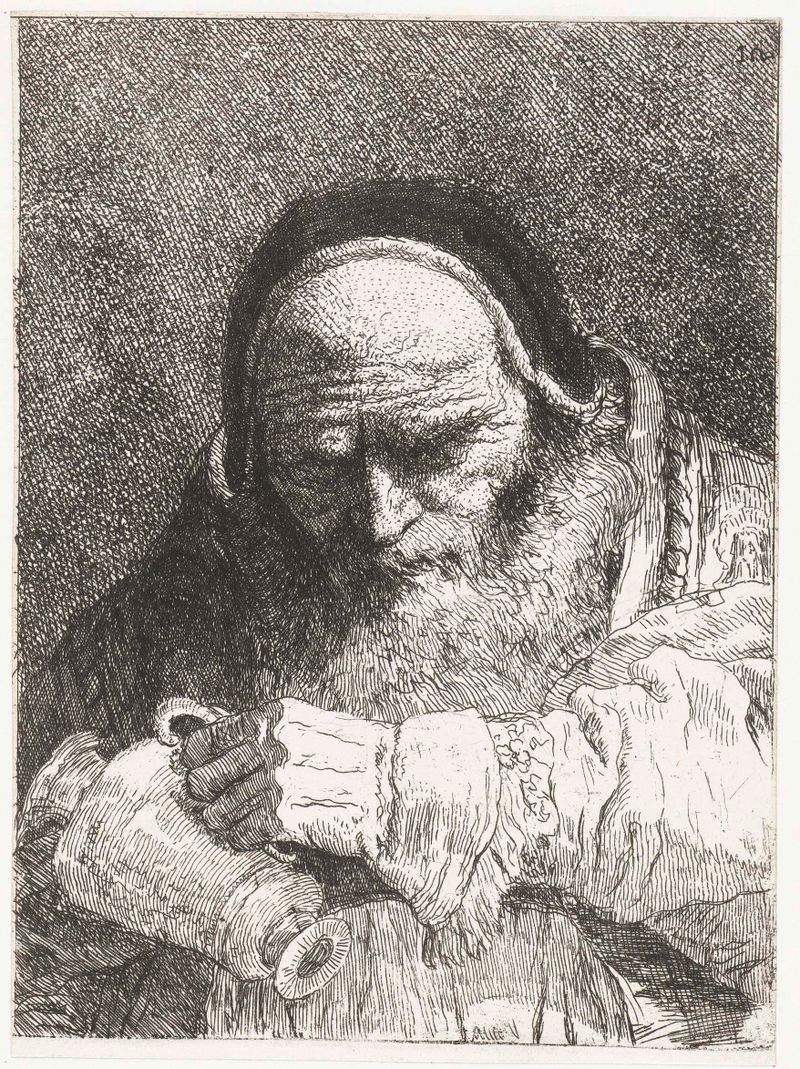
Paus met schenkkan
Giovanni Domenico Tiepolo

Heilige familie vertrekt door een stadspoort
Giovanni Domenico Tiepolo
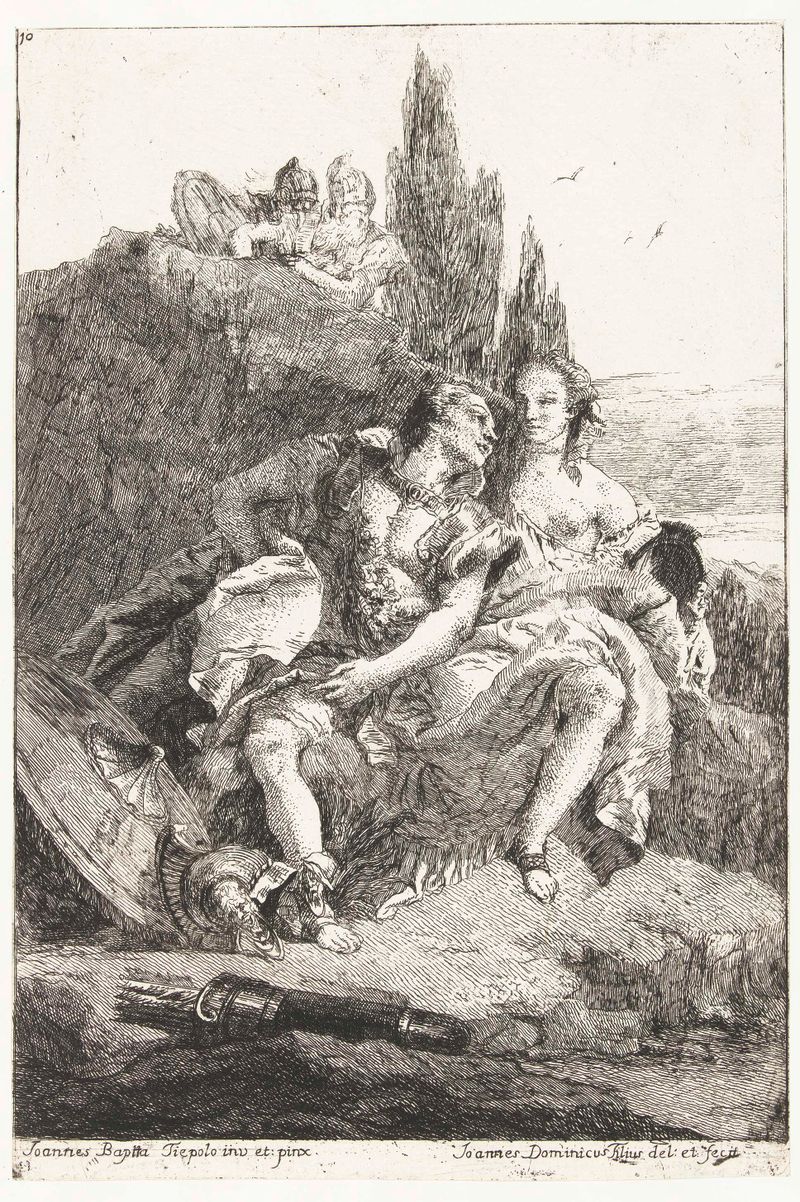
Rinaldo en Armida als liefdespaar aangetroffen bij een meer door twee ridders
Giovanni Domenico Tiepolo
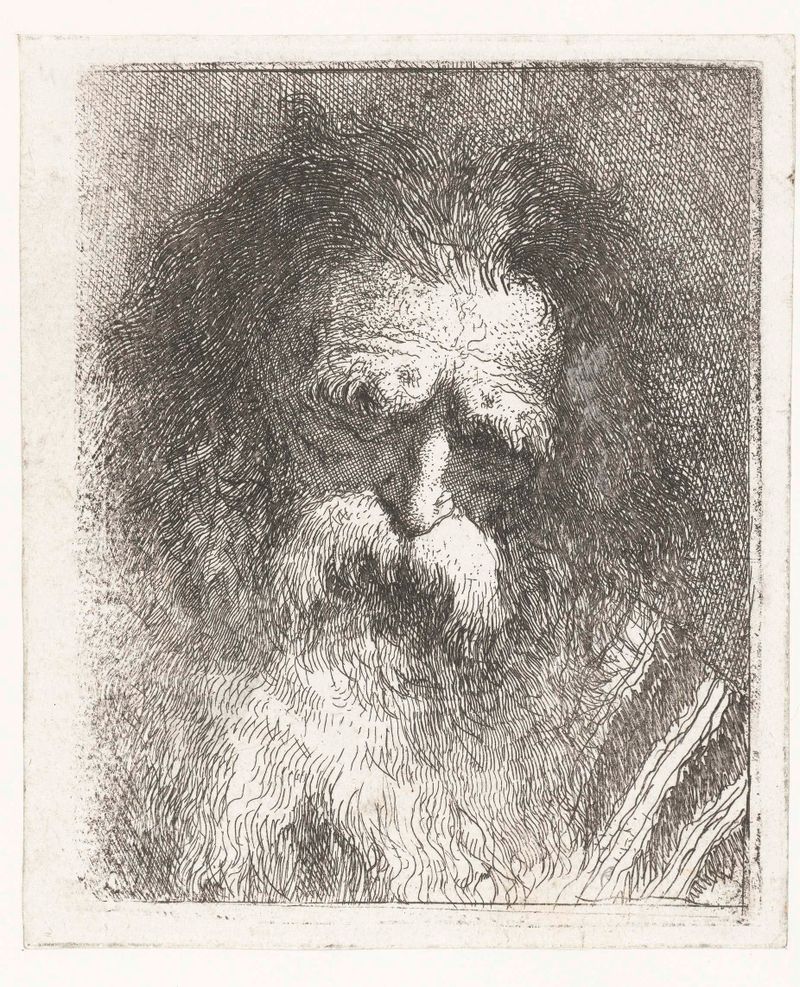
Oude man met borstelige wenkbrauwen en baard
Giovanni Domenico Tiepolo

Man met zwaard
Giovanni Domenico Tiepolo

Man met lange haren en zonder hoofddeksel
Giovanni Domenico Tiepolo

Man met ontblote schouder
Giovanni Domenico Tiepolo
More Religious Art
Browse all →
The Return of the Prodigal Son
Rembrandt van Rijn

The Garden of Earthly Delights
El Bosco

Count Orgaz’ funeral
El Greco

The Hundred Guilder Print: the central piece with Christ preaching, the plate arched
Rembrandt van Rijn

The Descent from the Cross
Rogier van der Weyden

The return of the prodigal son
Rembrandt van Rijn