
Drie zeilschepen in kalm water — History & Facts
What if silence could speak through light? In Drie zeilschepen in kalm water, a hushed tranquility envelops the scene, yet an undercurrent of apprehension lingers, waiting for its moment to rise. Focus first on the smooth expanse of water, which reflects an ethereal light, creating a mirror-like surface that seems to cradle the three sailing vessels. The sails are gently unfurled, yet they hardly billow, hinting at an unsettling stillness. Notice how the muted, earthy hues of the boats contrast starkly with the luminous sky, inviting contemplation on the fleeting nature of calmness.
The composition captures a delicate balance, with the vessels positioned to suggest both connection and separation, emphasizing the tension between safety and the unpredictable nature of the open sea. Peering deeper into the artwork, one can discern the hidden fears that lie beneath the serene facade. The still water, while seemingly peaceful, could easily become turbulent, illustrating the duality of nature—both a cradle and a threat. Additionally, the absence of human figures raises questions about solitude and vulnerability, suggesting that even in moments of calm, anxiety can simmer just beneath the surface.
The viewer is left to ponder the stories of those aboard and the potential dangers that await. Created between 1700 and 1799, this painting reflects a period steeped in maritime exploration and a growing fascination with the natural world. The artist, whose identity remains unknown, contributed to the 18th-century dialogue surrounding the sublime and the picturesque in art. During this time, the age of sail was both a symbol of adventure and a reminder of the treacherous forces of nature that sailors faced, capturing the delicate balance between exploration and fear.
More Artworks by Unknown Artist
Browse all →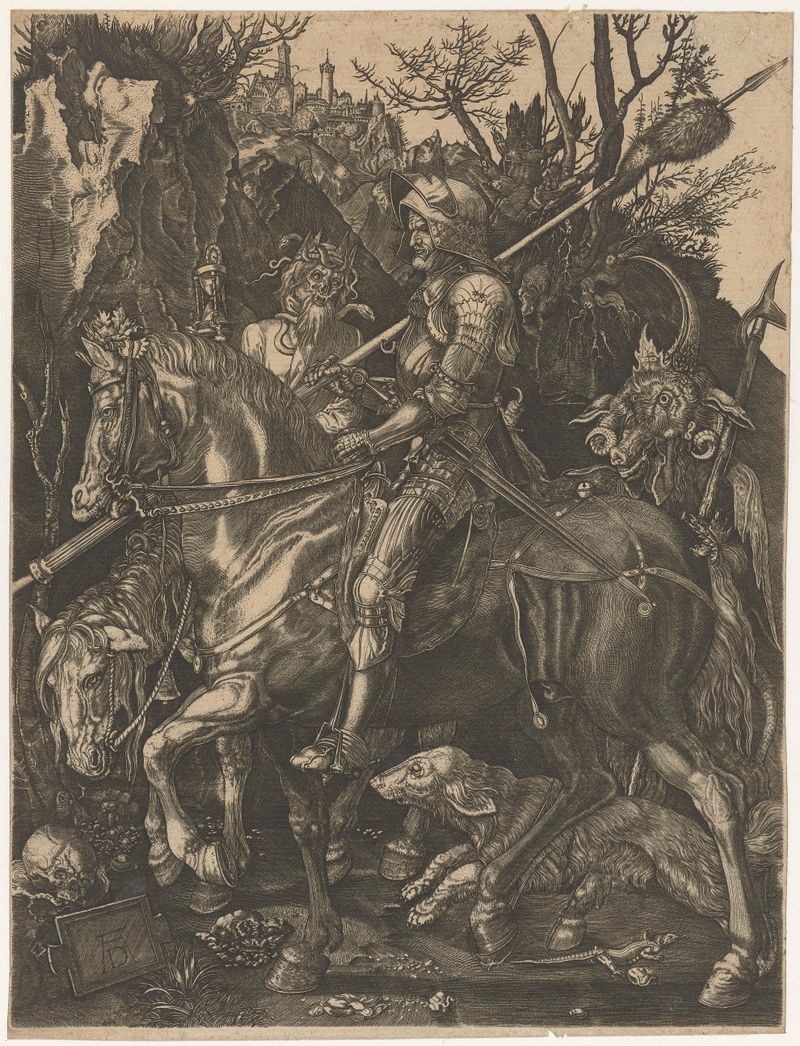
Ridder, Dood en Duivel
Unknown Artist
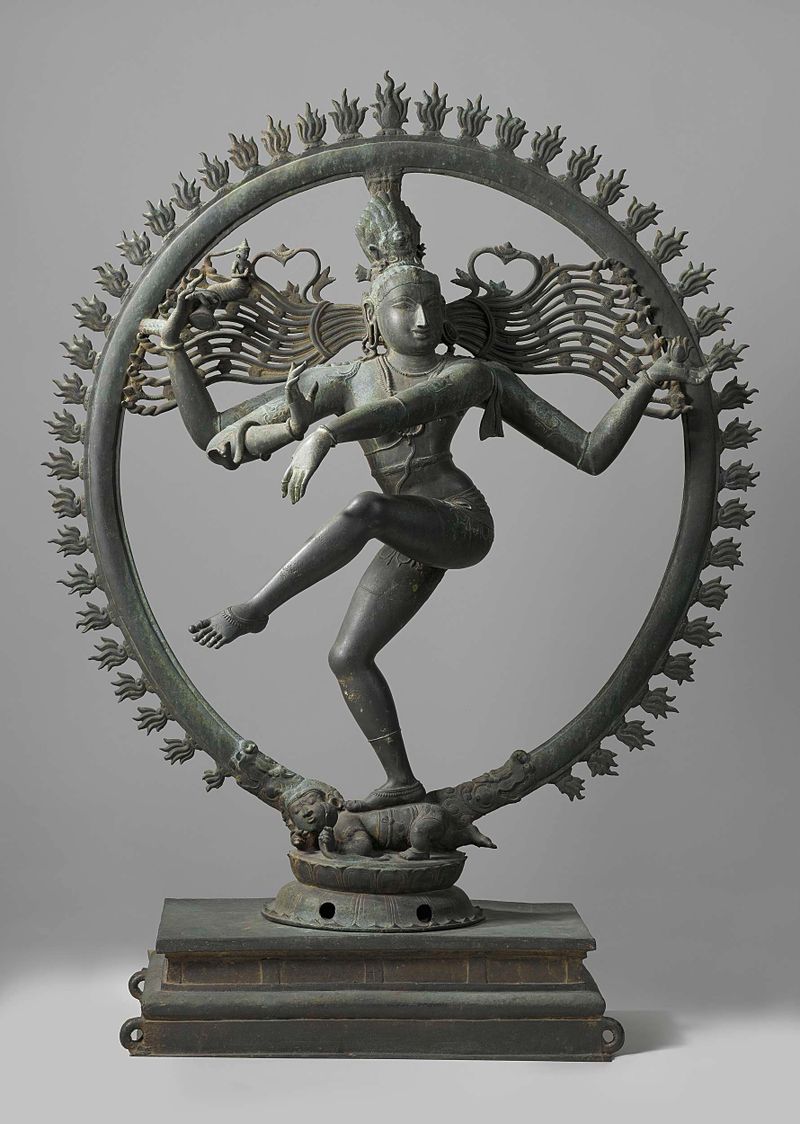
Shiva Nataraja
Unknown Artist
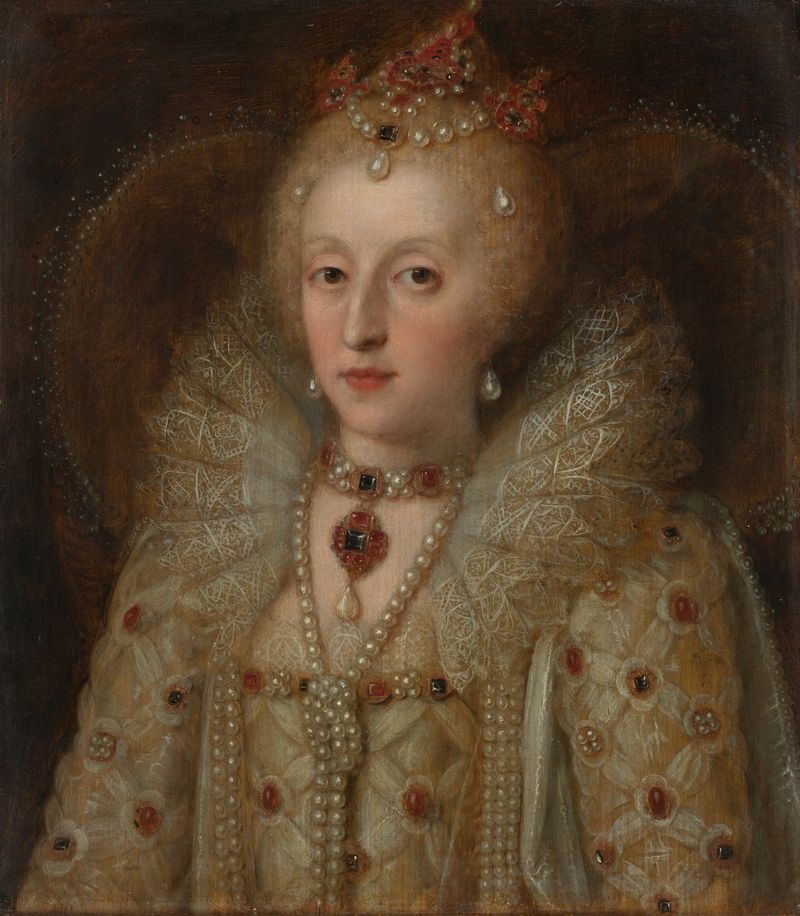
Portrait of Elizabeth I, Queen of England
Unknown Artist
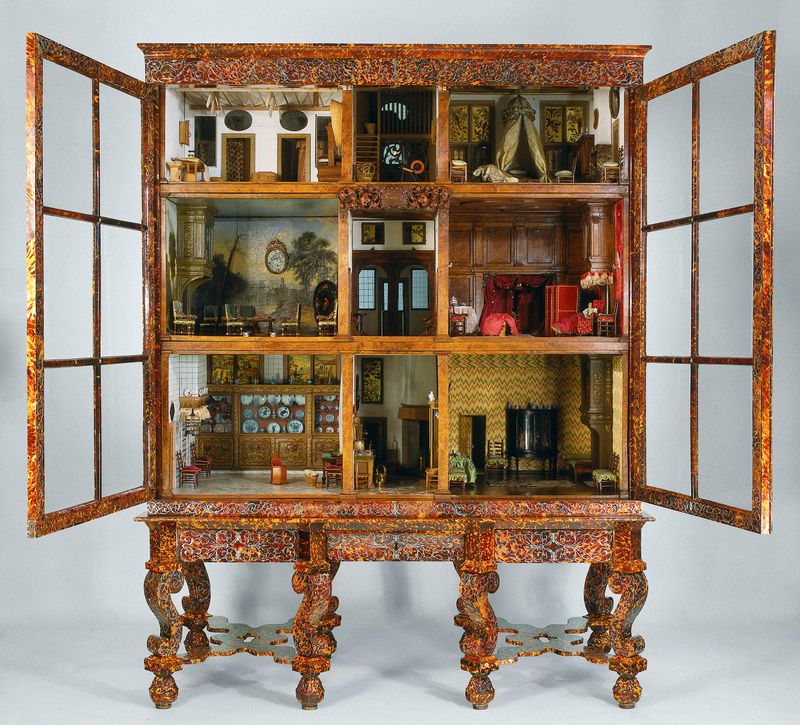
Dolls’ house of Petronella Oortman
Unknown Artist
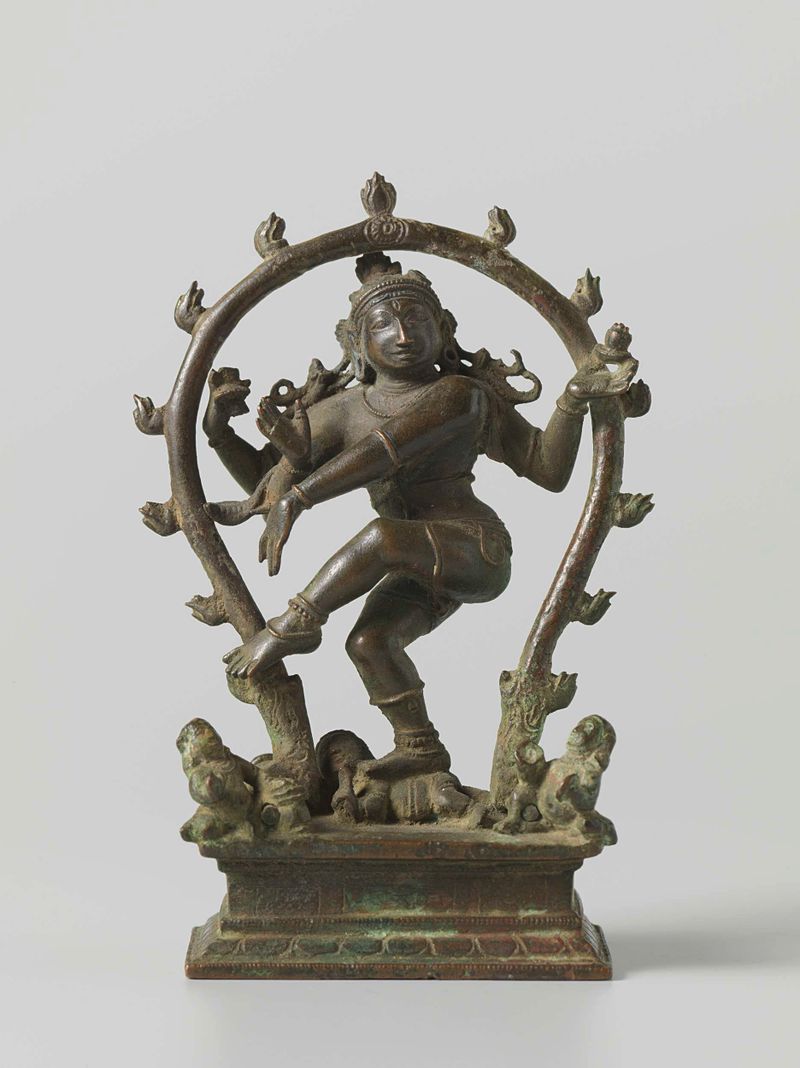
Shiva Nataraja
Unknown Artist

The Tale of Genji
Unknown Artist

The Tale of Genji
Unknown Artist

Cong
Unknown Artist
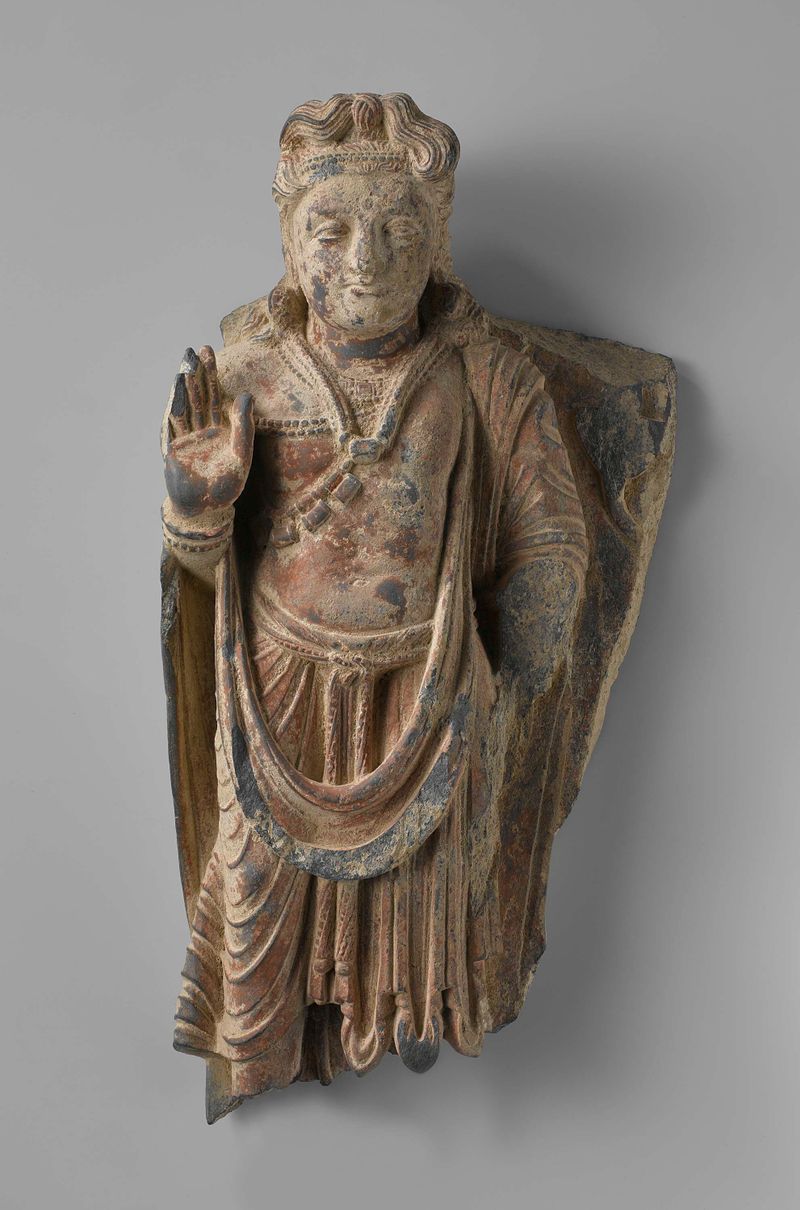
The bodhisattva Maitreya
Unknown Artist

Teabowl with a 'hare's fur' glaze
Unknown Artist





