Driemasters en tjalk zeilend in volle zee — History & Facts
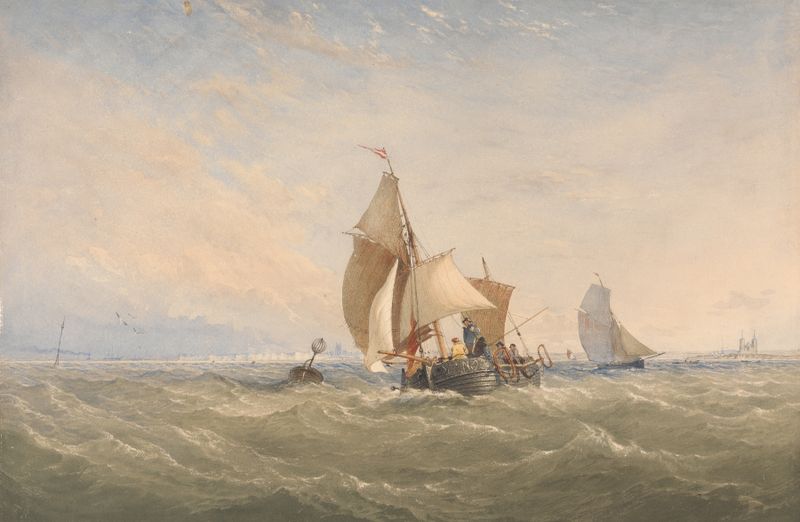
In the stillness between reality and imagination, one can find a divine connection echoed in the strokes of a master’s brush. Focus on the dynamic interplay of light and shadow across the sails. The crisp whites and muted grays capture the wind’s energy as the tjalk glides over frothy waves. Notice how the shimmering water reflects the hues of a fading sky, creating a dialogue between the vessel and its surroundings.
The subtle details, like the weathered ropes and the determination etched on the sailors’ faces, draw the viewer deeper into the moment, highlighting the struggle and triumph of man against nature. Embedded within this maritime scene are themes of resilience and aspiration. The tjalk, a traditional Dutch sailing barge, symbolizes a bridge between tradition and progress, while the expansive ocean represents the unknown journey of life. The contrast between the sturdy ship and the vastness of the sea speaks to the courage required to navigate one's path, evoking a sense of divinity in human endeavor.
Each brushstroke is infused with a reverence for the elements, inviting contemplation on humanity's place within the natural world. Thomas Sewell Robins created this artwork between 1830 and 1880, a period marked by the rise of maritime trade and exploration. Living in England, Robins was influenced by the Romantic movement, which celebrated nature and the sublime. His works reflect an era where the sea was both a source of livelihood and a symbol of adventure, capturing the spirit of a time when the world was on the brink of modernity.