
Dumbarton Rock from the South — History & Facts
Who listens when art speaks of silence? In the tranquil embrace of a landscape, stillness becomes a profound language of its own, whispering thoughts that words cannot convey. Focus on the horizon where the majestic Dumbarton Rock rises against the gentle interplay of sky and river. The brushwork captures the soft caress of a setting sun, illuminating the rugged texture of the rock’s surface while casting deep shadows in the valleys below. Notice how Farington employs a muted color palette—earthy greens and soft blues—that heightens the sense of serenity.
The composition draws your gaze across the water, inviting reflection on the relationship between land and sky, as the stillness of the water mirrors the calm above. Yet beneath this peaceful exterior lies a tension born of nature's vastness. The towering rock stands sentinel over the surrounding landscape, a reminder of both permanence and the fleeting nature of time. The quietude of the scene juxtaposes the historical significance of the site—a former stronghold—evoking layers of stories untold.
Even the clouds, as they drift lazily, seem to hold their breath, allowing the viewer to ponder the weight of history within this moment of silence. In 1788, Joseph Farington painted this serene vista while living in England, at a time when neoclassical ideals were giving way to romantic explorations of nature. The artist was known for his detailed landscapes and topographical renderings, reflecting a growing interest in depicting the sublime beauty of the British countryside. As the world around him evolved through industrial change, his work offered a quiet counterpoint, celebrating the enduring presence of nature amidst the chaos of progress.
More Artworks by Joseph Farington
Browse all →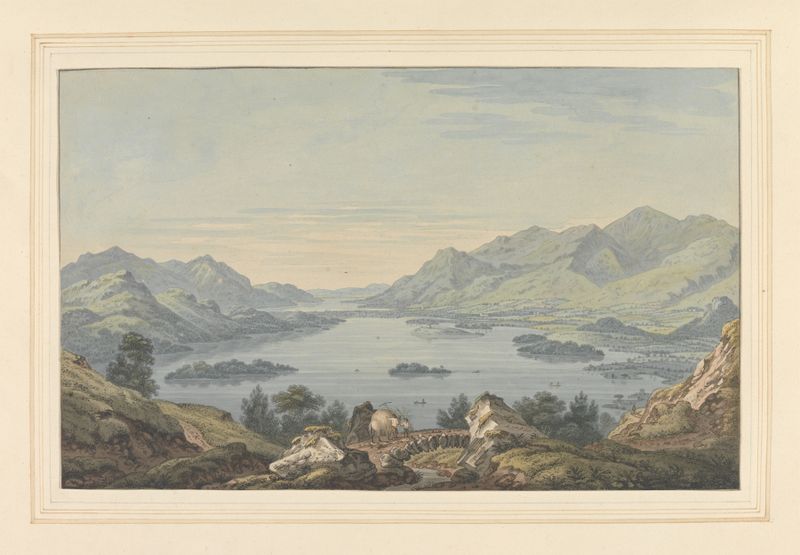
Vale of Keswick and Derwent Water
Joseph Farington

Caernarvon Castle
Joseph Farington

Grange of Borrodale
Joseph Farington
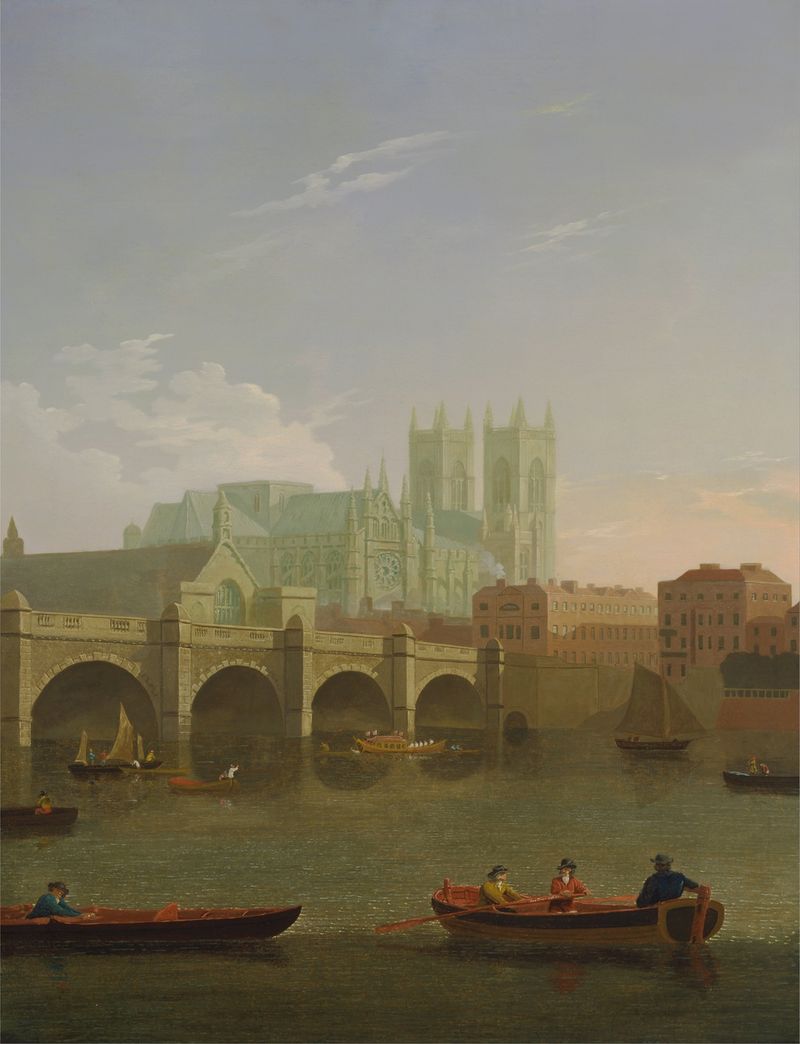
Westminster Abbey and Bridge
Joseph Farington
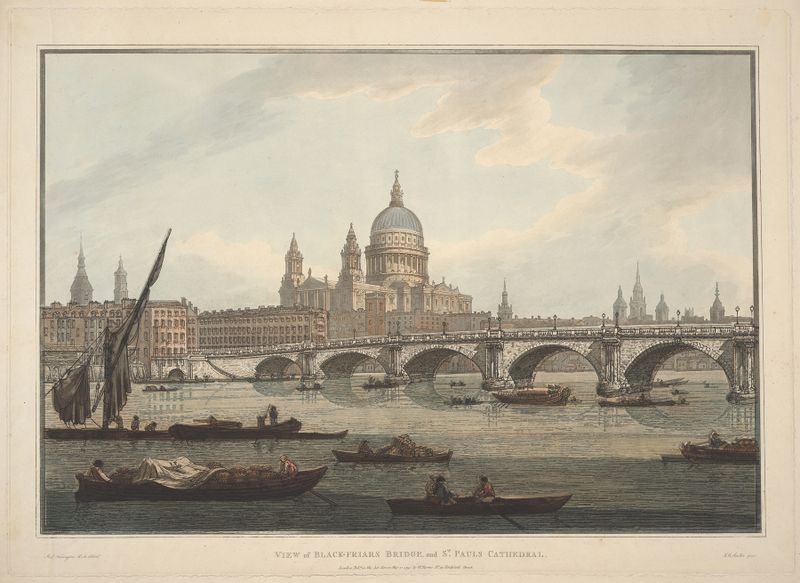
A View of Blackfriars Bridge and St. Paul’s Cathedral
Joseph Farington

Lodore Rocks — fall & cottage
Joseph Farington

No. View on the Road from Ambleside to Keswick from 6 mile Stone
Joseph Farington
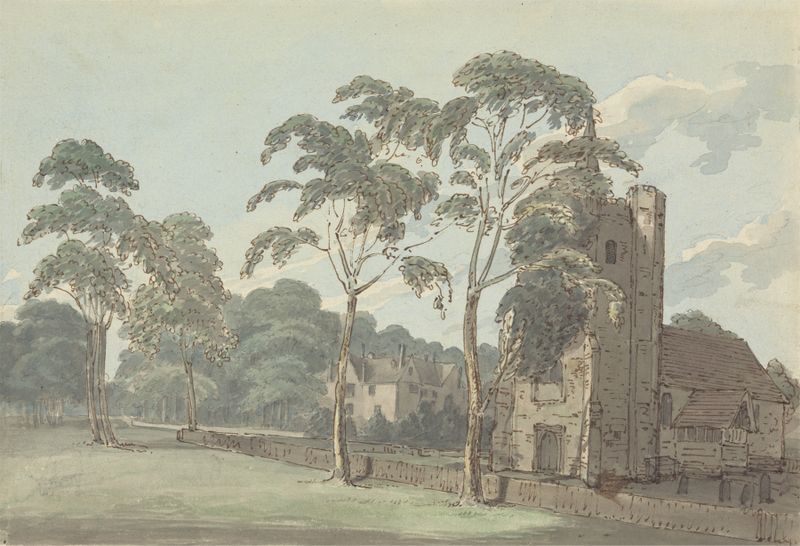
A Church at Stanstead
Joseph Farington

Lower End of Ullswater
Joseph Farington

Palace of Patterdale
Joseph Farington





