
Westminster Abbey and Bridge — History & Facts
What secret hides in the quiet of the canvas? A void of whispered histories and muted voices, where the monumental stands against the transitory. Look to the right at the intricate arches of Westminster Abbey, their solemn grandeur nearly palpable. The light gently bathes the ancient stones, revealing a dance of shadows that echoes the weight of centuries past. Notice how the bridge stretches across the scene, a linear counterpoint to the stoic presence of the abbey, inviting the viewer's eye into a landscape that feels both familiar and ethereal.
The soft palette of earth tones and muted blues harmonizes with the delicate brushwork, coaxing you to linger in the serene atmosphere. Yet, beneath this tranquil surface lies a tension between permanence and ephemeral moments. The bridge, representing human endeavor, connects two realms—the spiritual and the temporal—while the abbey stands as a testament to faith, observing the ever-flowing river of life. Each ripple in the water mirrors a fleeting thought, suggesting the deeper currents of time and existence that brush against our consciousness.
The absence of figures amplifies this sense of isolation, urging us to reflect on what remains unseen yet profoundly felt. Joseph Farington painted this work during the late 18th century, a period marked by a growing interest in landscape and topographical subjects within British art. He was deeply engaged with capturing not just the physical appearances of places, but their essence—imbuing each piece with historical significance. This painting, likely created in his studio from sketches made during his travels, reflects a moment when England was navigating a transformative era, seeking to balance reverence for its storied past with the burgeoning demands of modernity.
More Artworks by Joseph Farington
Browse all →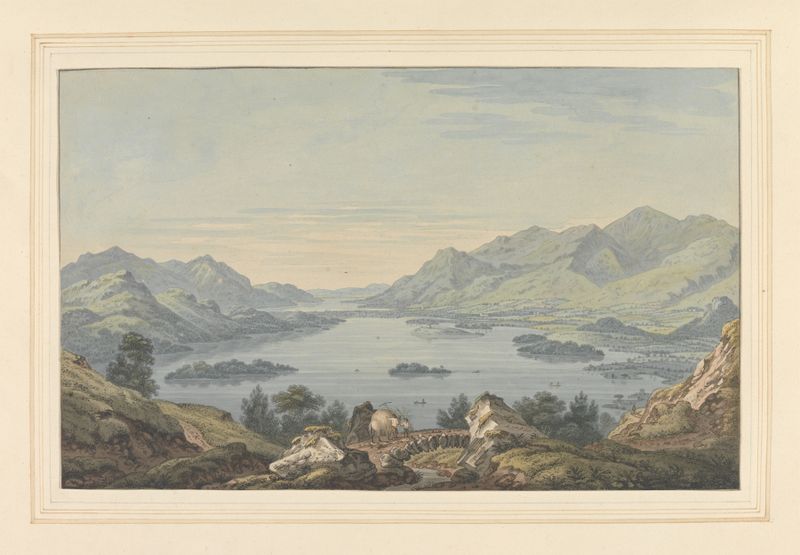
Vale of Keswick and Derwent Water
Joseph Farington

Caernarvon Castle
Joseph Farington

Grange of Borrodale
Joseph Farington

Dumbarton Rock from the South
Joseph Farington
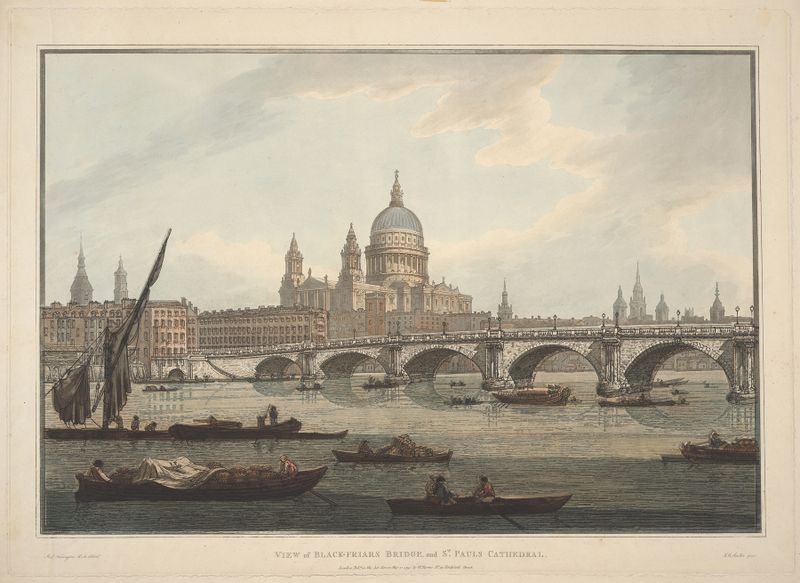
A View of Blackfriars Bridge and St. Paul’s Cathedral
Joseph Farington

Lodore Rocks — fall & cottage
Joseph Farington

No. View on the Road from Ambleside to Keswick from 6 mile Stone
Joseph Farington
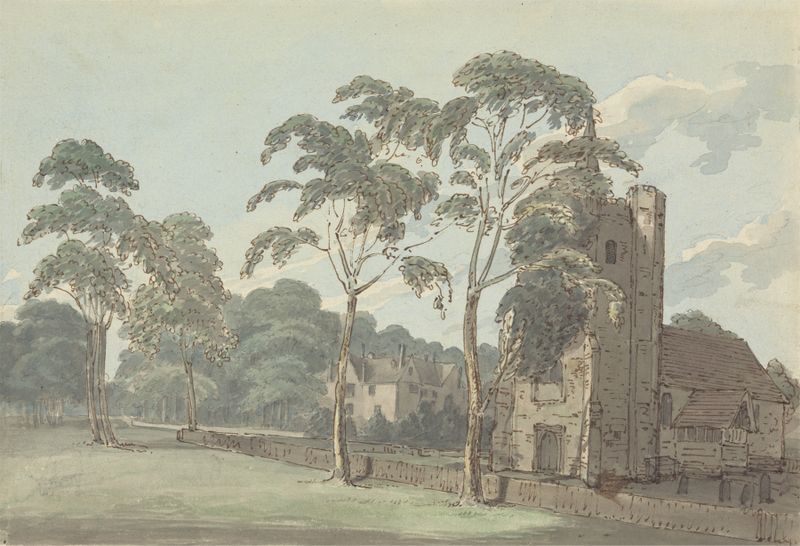
A Church at Stanstead
Joseph Farington

Lower End of Ullswater
Joseph Farington

Palace of Patterdale
Joseph Farington
More Architecture Art
Browse all →
The statue of Liberty
Frédéric Auguste Bartholdi

View of Houses in Delft, Known as ‘The Little Street’
Johannes Vermeer

View of Houses in Delft, Known as ‘The Little Street’
Johannes Vermeer

The Cathedral in Rouen. The portal, Grey Weather
Claude Monet

The yellow house
Vincent van Gogh

The Church in Auvers-sur-Oise, View from the Chevet
Vincent van Gogh