
Palace of Patterdale — History & Facts
Did the painter know this moment would outlive them? In the stillness captured upon the canvas, time seems to pause, inviting us to reflect on both the beauty and transience of existence. Look to the foreground, where a serene lake mirrors the soft hues of the sky. Notice how the light falls upon the water's surface, creating a shimmering path that draws the eye toward the distant hills. The palette is rich yet delicate, with greens and blues intertwined, evoking an ethereal quality that beckons serenity.
The composition is masterfully arranged, with the structure of the palace set against nature's vibrant canvas, creating a harmonious balance between human creation and the wild. As you delve deeper, consider the contrast between the stillness of the water and the distant, rugged hills. The palace stands proud yet vulnerable, a symbol of human ambition in the face of nature’s vastness. The soft clouds hanging in the sky hint at both promise and foreboding, suggesting the impending change that comes with each passing moment.
This duality between land and architecture, permanence and impermanence, resonates profoundly, encouraging introspection on what is truly lasting. During the late 18th century, while residing in England, the artist crafted this work amidst a burgeoning interest in landscape painting. Joseph Farington was part of a shifting narrative in the art world, where Romantic ideals began to shape perceptions of nature and human emotion. This period marked a reflective turn for artists, exploring the interplay between civilization and the natural world, a theme that echoes powerfully in this evocative piece.
More Artworks by Joseph Farington
Browse all →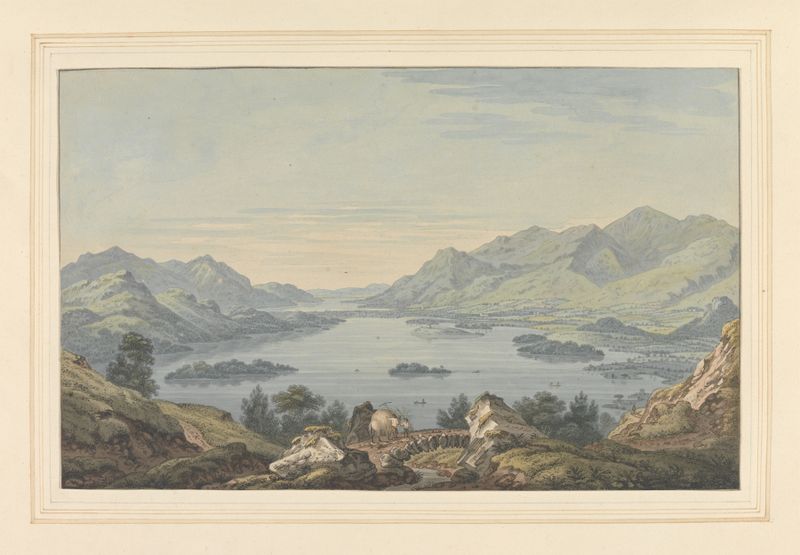
Vale of Keswick and Derwent Water
Joseph Farington

Caernarvon Castle
Joseph Farington

Grange of Borrodale
Joseph Farington
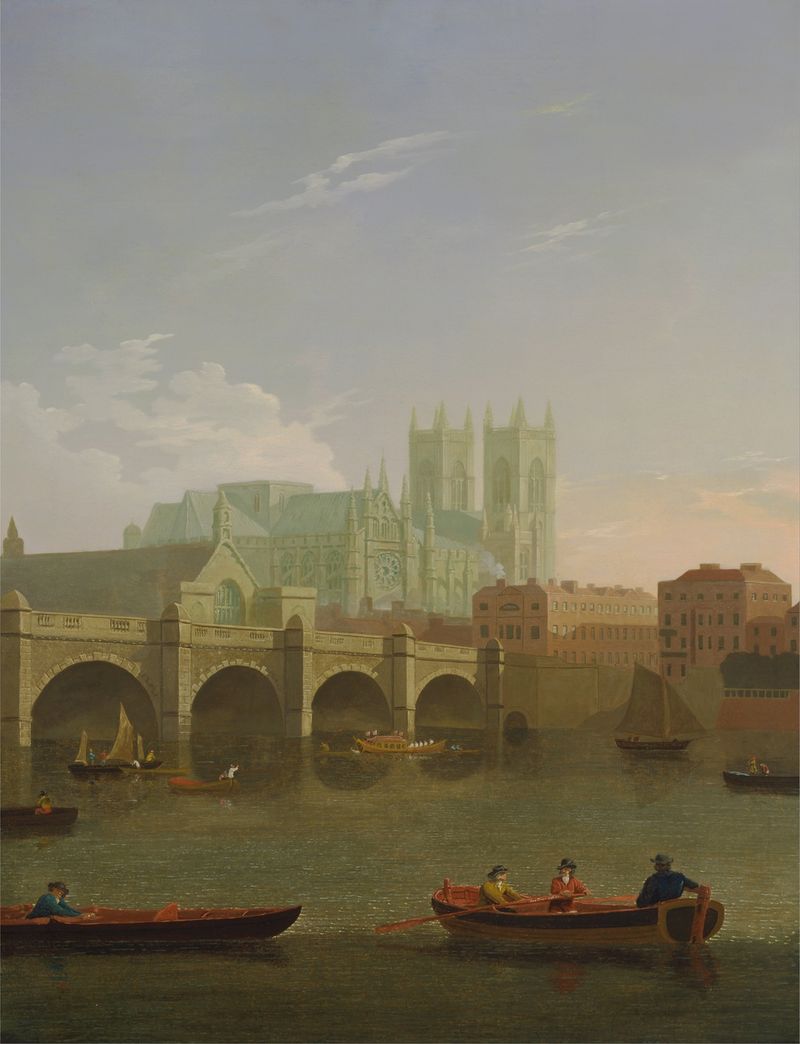
Westminster Abbey and Bridge
Joseph Farington

Dumbarton Rock from the South
Joseph Farington
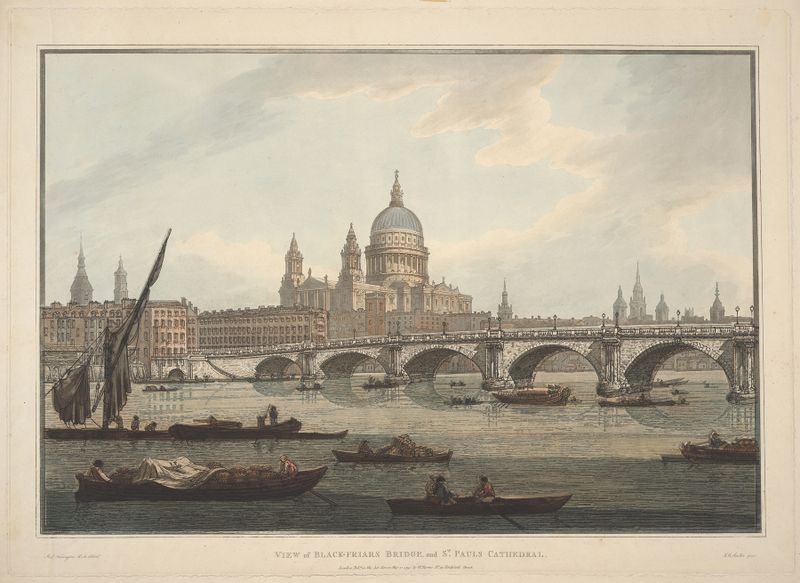
A View of Blackfriars Bridge and St. Paul’s Cathedral
Joseph Farington

Lodore Rocks — fall & cottage
Joseph Farington

No. View on the Road from Ambleside to Keswick from 6 mile Stone
Joseph Farington
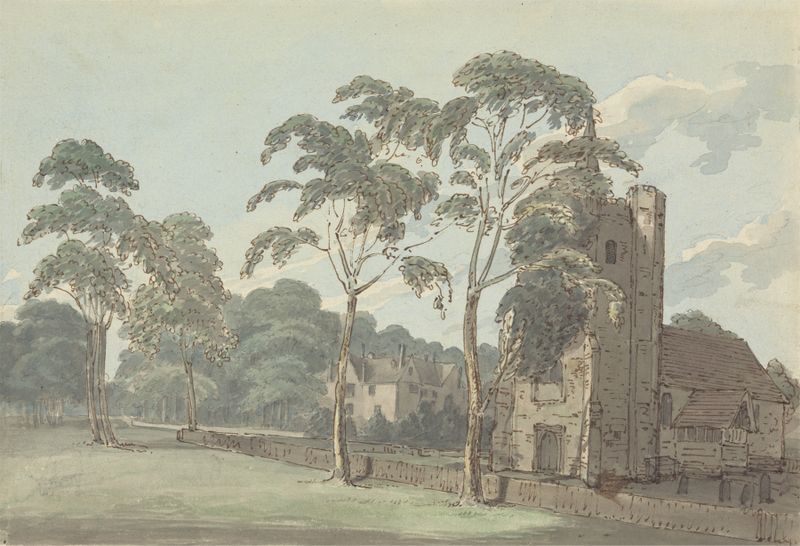
A Church at Stanstead
Joseph Farington

Lower End of Ullswater
Joseph Farington





