
Dun-Footed Aguara-Dog — History & Facts
In Dun-Footed Aguara-Dog, we see a striking portrayal of a wild dog with sandy-colored fur. The background features a natural setting, possibly a grassland or savanna, which complements the animal's earthy tones. The dog's posture is alert and dynamic, suggesting movement and vitality.
The artist uses a palette of warm browns and soft yellows to create a sense of realism and connection to nature. The painting is executed in oil on canvas, a medium that allows for rich textures and depth. The brushwork is detailed, particularly in the rendering of the dog's fur, which appears both soft and wild. The composition is balanced, with the dog positioned prominently in the foreground against a blurred background.
This technique draws the viewer's eye directly to the subject, emphasizing its importance. Charles Hamilton Smith was known for his detailed studies of animals, particularly those from the British Isles and beyond. This work, likely created in the 1820s, reflects his interest in natural history and wildlife. An interesting fact about this piece is that it showcases the Aguara-Dog, a lesser-known species, highlighting Smith's dedication to documenting diverse animal forms.
His contributions to zoological illustration were significant during his time.
More Artworks by Charles Hamilton Smith

Marengo, Bonaparte’s Arab
Charles Hamilton Smith
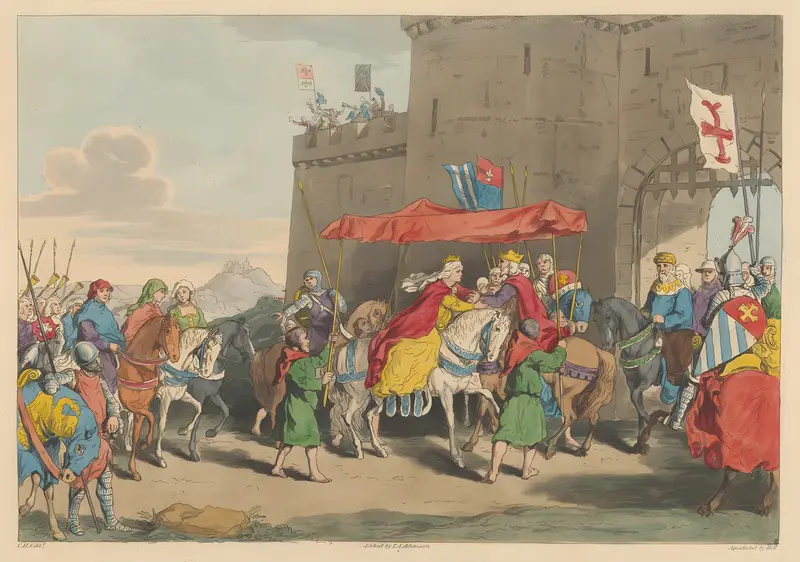
Costume of the Reign of King Henry III
Charles Hamilton Smith
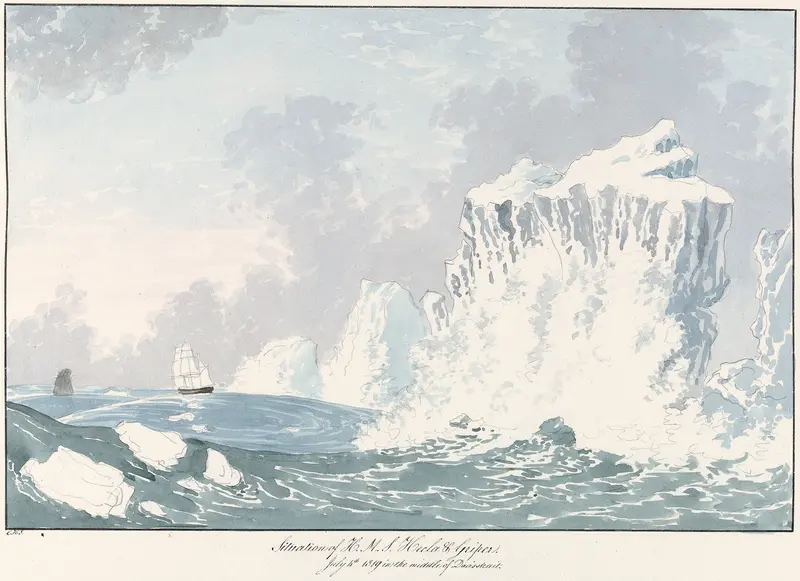
Situation of H.M.S. Hecla & Griper
Charles Hamilton Smith
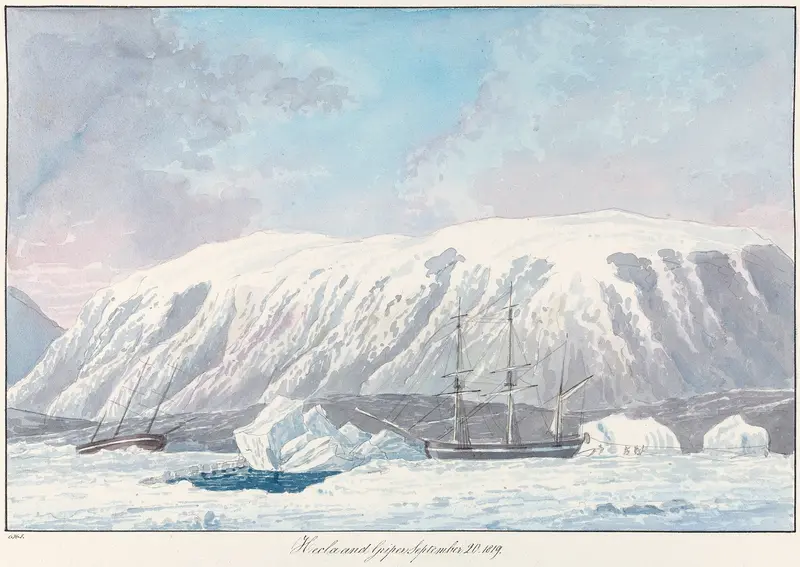
Hecla and Griper
Charles Hamilton Smith
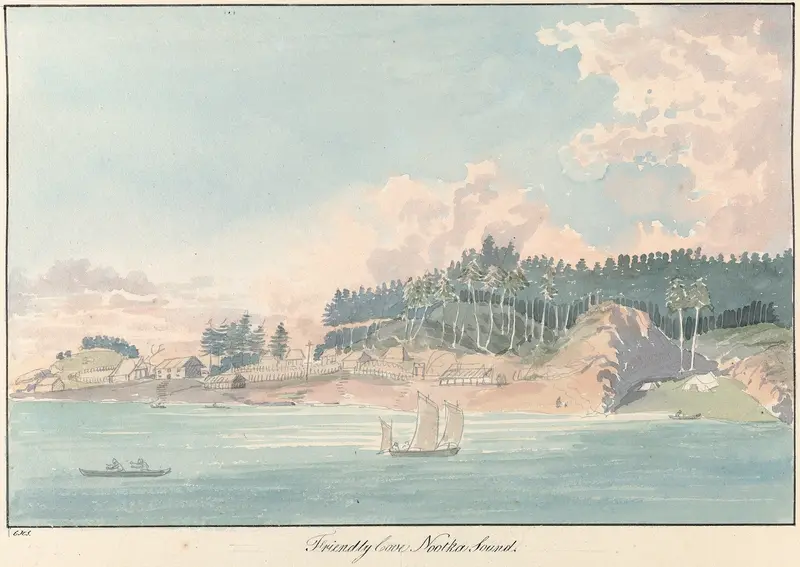
Friendly Cove, Nootka Sound
Charles Hamilton Smith
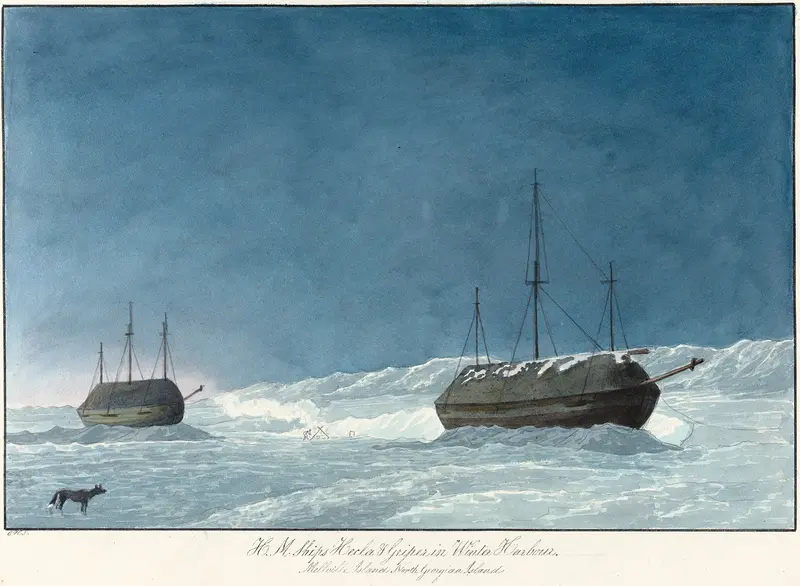
H. M. Ships Hecla and Griper in Winter Harbour
Charles Hamilton Smith
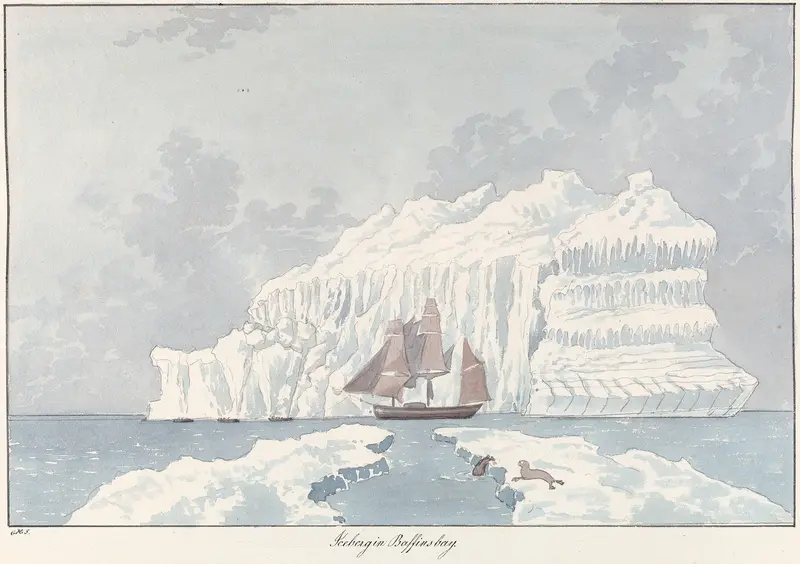
Iceberg in Baffin’s Bay
Charles Hamilton Smith
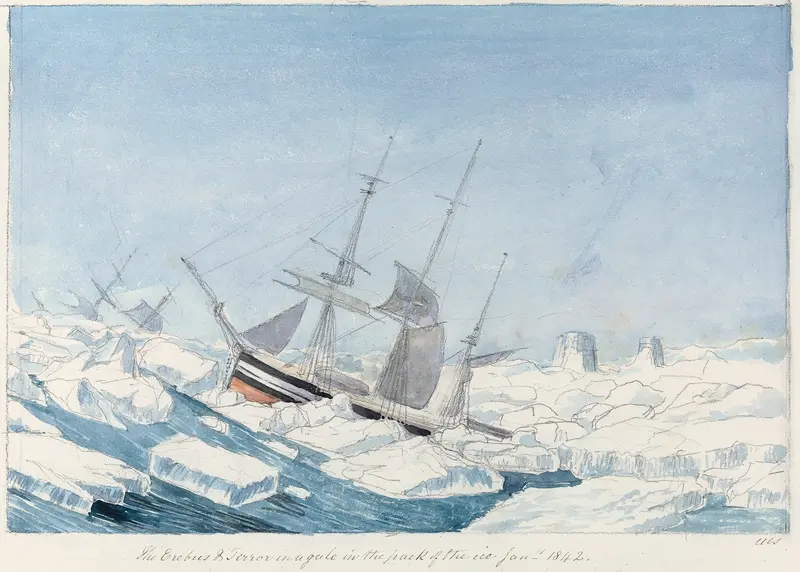
The Erebus & Terror in a Gale in the Pack of the Ice
Charles Hamilton Smith
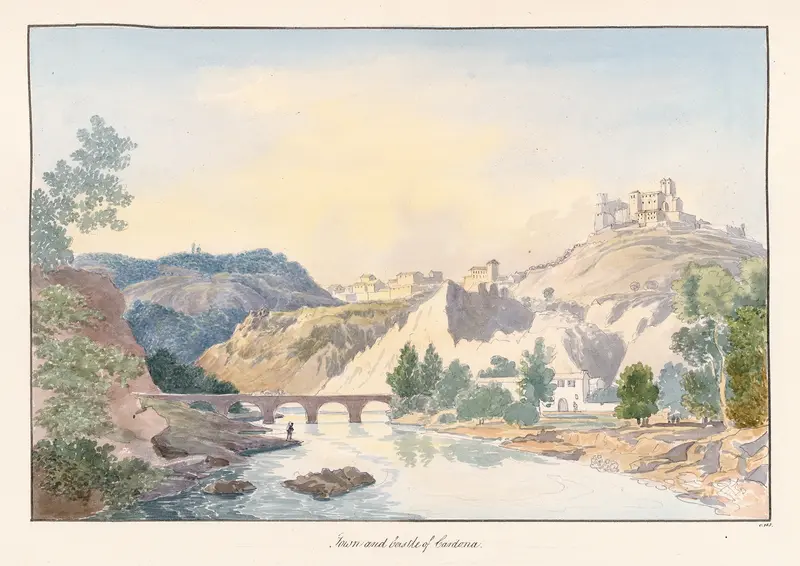
Town and Castle of Cardona
Charles Hamilton Smith
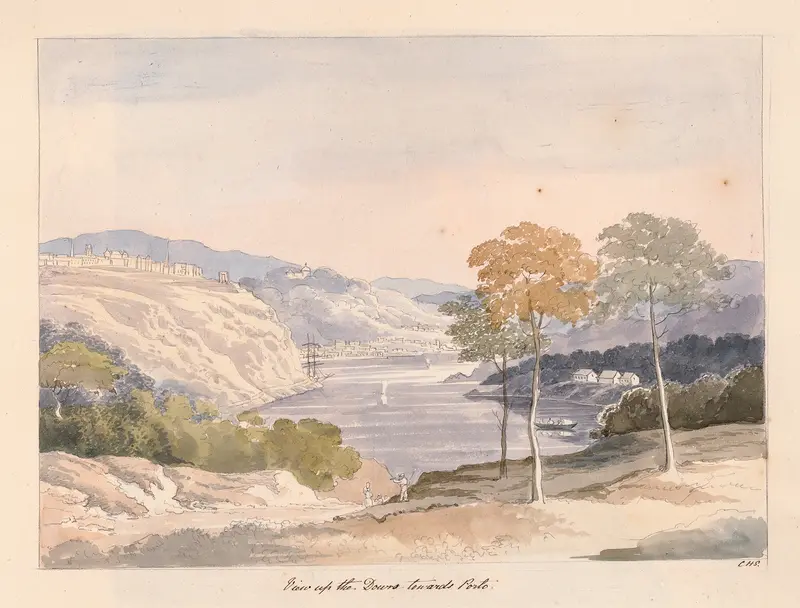
View of the Douro towards Porto
Charles Hamilton Smith





