
Dunes au crépuscule — History & Facts
Is this a mirror — or a memory? The soft undulations of sand capture the essence of nostalgia, as waves of twilight cast deep shadows, whispering secrets of the past. In this moment, one stands on the cusp of what was, where the fading light blurs the line between reality and recollection. Look to the horizon, where the delicate hues of lavender and amber blend seamlessly into the sky. Notice how the gentle curves of the dunes draw your gaze inward, leading you on a contemplative journey through the undulating landscape.
The subtle brushstrokes, light and airy, evoke a sense of tranquility, while the vivid colors ignite an emotional resonance that suggests both beauty and loss. The composition is expertly balanced, allowing each element to breathe, inviting the viewer to pause and reflect. Yet beneath this serene surface lies a profound tension. The stark contrasts within the palette speak to fleeting moments — the dusk signifies both an ending and a promise of tomorrow.
Shadows lengthen, evoking a sense of longing, and the stillness suggests echoes of voices once filled with laughter now fading into silence. The dunes, timeless witnesses, cradle both the warmth of memory and the ache of absence, encapsulating the duality of experience. During the late 19th century, Ivan Pavlovich Pokhitonov created Dunes au crépuscule amid a burgeoning interest in landscape painting within Russia. This period was marked by a shift toward capturing the emotive qualities of nature, as artists sought to express their inner worlds through the external landscape.
Living in a time of artistic exploration, he embraced this movement, reflecting both personal sentiments and broader cultural shifts in his evocative works.
More Artworks by Ivan Pavlovich Pokhitonov
Browse all →
Petite maison à Jupille près Liège
Ivan Pavlovich Pokhitonov
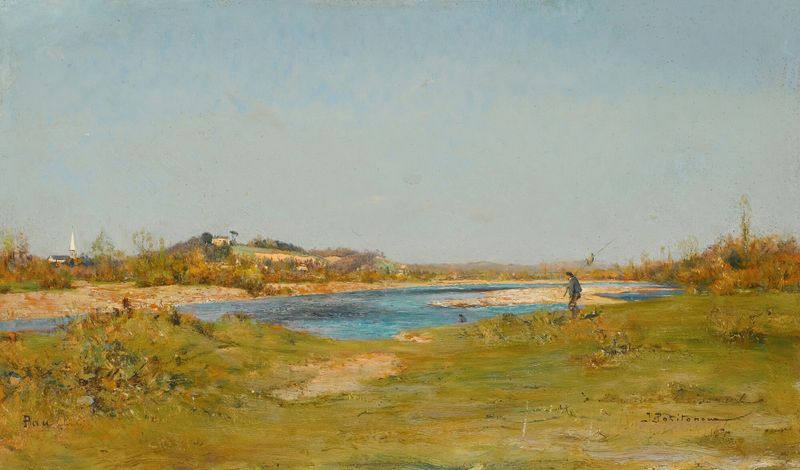
Fishermen Near Pau
Ivan Pavlovich Pokhitonov

Farm At Dusk
Ivan Pavlovich Pokhitonov
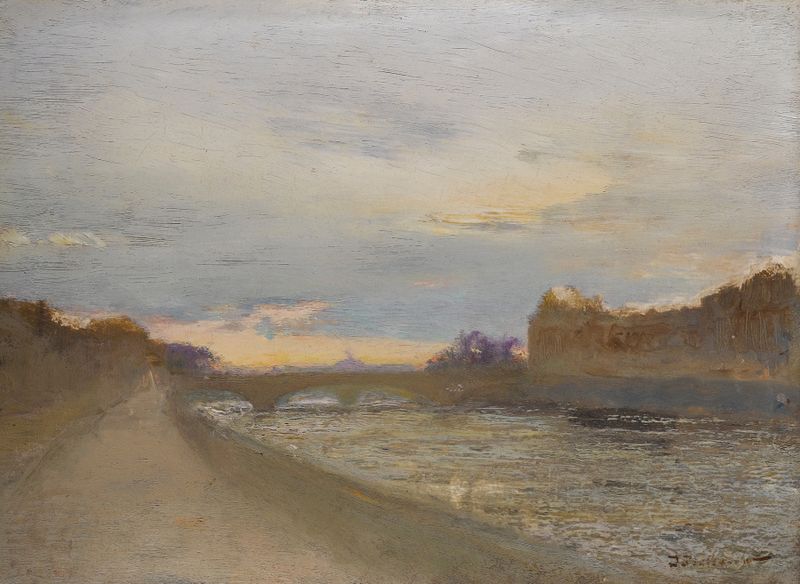
Evening View Of The Seine By The Louvre
Ivan Pavlovich Pokhitonov
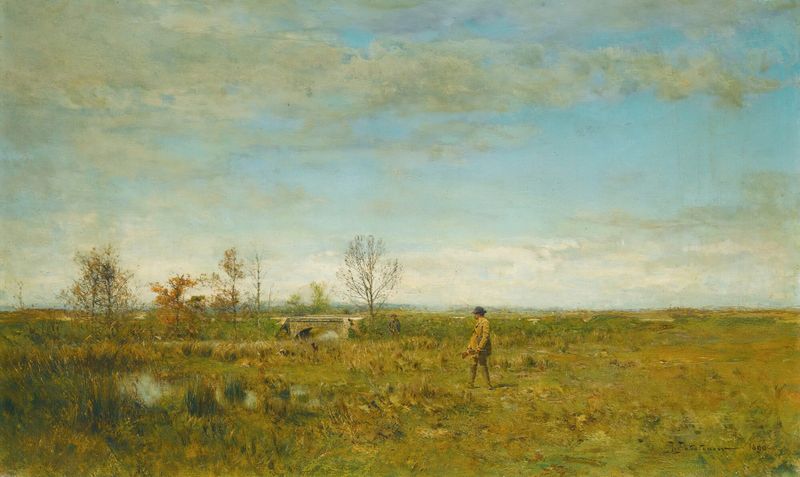
Hunters In Pont Long
Ivan Pavlovich Pokhitonov

Washing Day
Ivan Pavlovich Pokhitonov
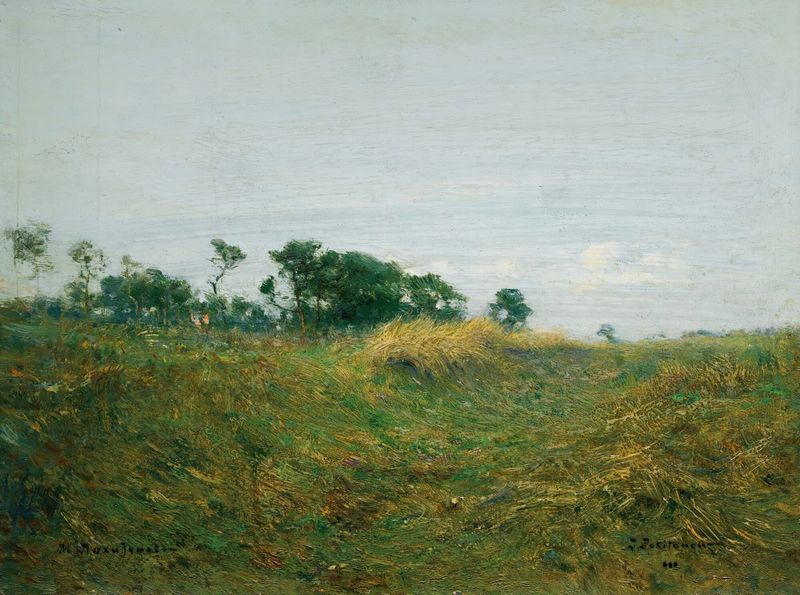
Path Through The Grass
Ivan Pavlovich Pokhitonov
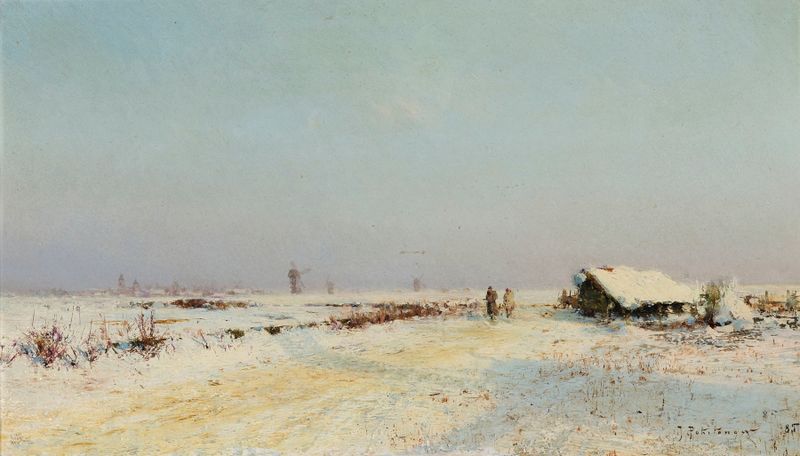
Effet de neige, deux chasseurs dans la neige
Ivan Pavlovich Pokhitonov
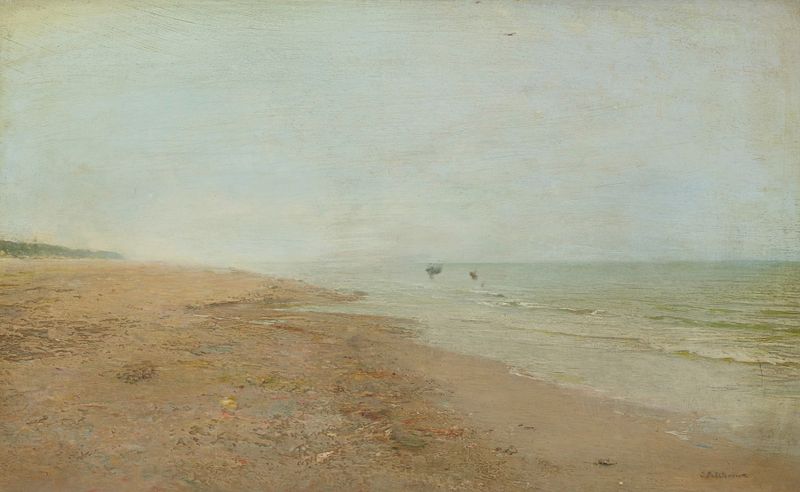
Pêcheurs de crevettes, Grande plage, La Panne
Ivan Pavlovich Pokhitonov

Quai de la Tournelle, Paris
Ivan Pavlovich Pokhitonov





